TESLA INTRODUCES 6-SEATER MODEL Y L PREMIUM IN INDIA WITH A PRICE TAG OF 6.2 MILLION RUPEES - REPORT
Written by Emily J. Thompson, Senior Investment Analyst
Updated: 4 days ago
0mins
Should l Buy TSLA?
Source: moomoo
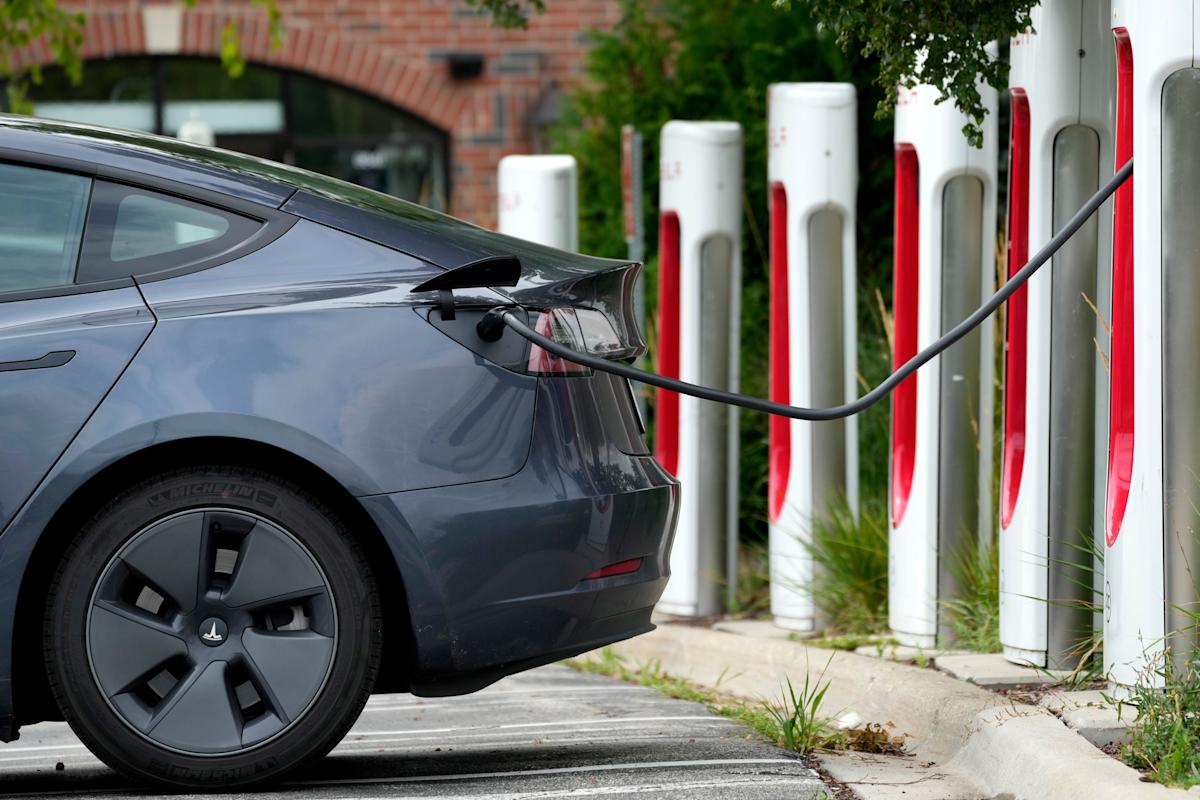
Tesla Launches New Model: Tesla has introduced a new 6-seater Model Y premium variant in India.
Pricing Information: The new Model Y is priced at 6.2 million rupees.
Trade with 70% Backtested Accuracy
Stop guessing "Should I Buy TSLA?" and start using high-conviction signals backed by rigorous historical data.
Sign up today to access powerful investing tools and make smarter, data-driven decisions.
Analyst Views on TSLA
Wall Street analysts forecast TSLA stock price to rise
30 Analyst Rating
12 Buy
11 Hold
7 Sell
Hold
Current: 373.720

Low
25.28
Averages
401.93
High
600.00
Current: 373.720
Low
25.28
Averages
401.93
High
600.00
About TSLA
Tesla, Inc. designs, develops, manufactures, sells and leases high-performance fully electric vehicles and energy generation and storage systems, and offers services related to its products. Its segments include automotive, and energy generation and storage. The automotive segment includes the design, development, manufacturing, sales and leasing of high-performance fully electric vehicles, and sales of automotive regulatory credits. It also includes sales of used vehicles, non-warranty maintenance services and collisions, part sales, paid supercharging, insurance services revenue and retail merchandise sales. The energy generation and storage segment include the design, manufacture, installation, sales and leasing of solar energy generation and energy storage products and related services and sales of solar energy systems incentives. Its consumer vehicles include the Model 3, Y, S, X and Cybertruck. Its lithium-ion battery energy storage products include Powerwall and Megapack.
About the author

Emily J. Thompson
Emily J. Thompson, a Chartered Financial Analyst (CFA) with 12 years in investment research, graduated with honors from the Wharton School. Specializing in industrial and technology stocks, she provides in-depth analysis for Intellectia’s earnings and market brief reports.
Tesla Reports Solid Quarterly Financial Results

- Solid Financial Performance: Tesla's Q1 2026 financial report indicates relatively solid results, with stock prices reflecting a 0.69% increase on April 23, although specific figures were not disclosed.
- Positive Market Reaction: Following the earnings report, Tesla's stock exhibited an upward trend, indicating investor confidence in the company's future growth potential despite ongoing market uncertainties.
- Video Release Timing: The earnings video was published on April 25, 2026, aimed at further clarifying financial data and enhancing investor confidence, showcasing the company's commitment to transparency and communication.
- Optimistic Future Outlook: While specific financial metrics were not provided, Tesla's solid performance may lay a foundation for future growth, particularly as the electric vehicle market continues to expand.
See More

SpaceX Targets IPO in June with Valuation Exceeding $1 Trillion
- IPO Announcement: SpaceX is targeting an IPO in June 2024, with a valuation expected to exceed $1 trillion, and some reports suggesting it could reach $1.75 trillion, enabling the company to raise between $50 billion and $75 billion in fresh capital, significantly enhancing its market position.
- Starlink Profit Growth: Although Starlink reported a net loss in 2023, it is projected to achieve approximately $72 million in profit in 2024, with profits reaching $8 billion on around $15 billion in revenue by 2025, indicating strong growth potential and market demand.
- Musk's Business Influence: Musk's successful track record in creating disruptive companies instills confidence in the market regarding SpaceX's future, with analysts believing that investments in Starship, xAI, and data center satellites will ultimately yield returns, further driving up the company's valuation.
- Positive Impact on Tesla: The capital raised by SpaceX will directly benefit Tesla, potentially leading to multi-billion dollar orders for robotics and providing AI and software components, aiding its transformation into a software and robotics-focused business model, thereby enhancing synergies between the two companies.
See More

SpaceX Plans IPO with Valuation Up to $1.75 Trillion
- IPO Timeline: SpaceX is planning to conduct its initial public offering (IPO) in June, with a projected valuation of at least $1 trillion, and some reports suggesting it could reach $1.75 trillion, potentially making it one of the most valuable public companies in history and attracting significant investor interest.
- Retail Investor Priority: CFO Bret Johnsen announced plans to allocate 30% of shares to retail investors, a substantial increase from the typical 5%-10% seen in the industry, aimed at recognizing the long-term support from individual investors, thereby enhancing public engagement and market enthusiasm.
- Capital Flow to Other Ventures: The expected $50 billion to $75 billion raised from the IPO is likely to benefit Musk's other ventures, such as Tesla and xAI, creating a synergistic effect that could enhance the overall competitiveness of Musk's business empire through shared success.
- Integration of Technology and Resources: Tesla's electric trucks and Megapacks may play a crucial role in SpaceX's plans for establishing a lunar base, with the resource integration among Musk's companies providing robust support for SpaceX's long-term strategic goals in space exploration.
See More

ETF Investment Portfolio Risk Warning


- Concentration Risk: The Invesco QQQ ETF, while an elite performer over the past decade, has become highly concentrated with the 'Magnificent Seven' stocks making up 44% of the index, increasing risk as these stocks have recently traded below their all-time highs.
- Overlap Issues: Investors holding both the Vanguard S&P 500 ETF and Vanguard Total Stock Market ETF face a significant overlap of 87%, which undermines true diversification and may expose them to similar market risks.
- Lack of Regular Rebalancing: A portfolio initially set at 70% stocks and 30% bonds may shift to 80/20 due to stock gains and poor bond performance, increasing risk and straying from original investment goals.
- Importance of Regular Review: Regular portfolio reviews help maintain alignment with investment goals, and rebalancing strategies can facilitate 'sell high, buy low' practices, enhancing long-term returns.
See More

SpaceX IPO Plans Spark Investment Frenzy
- IPO Valuation Expectations: SpaceX is planning to go public by June, with a valuation expected to reach at least $1 trillion, and some reports suggesting it could be as high as $1.75 trillion, which would raise between $50 billion and $75 billion in fresh capital, significantly enhancing its financial strength and driving future growth.
- Retail Investor Participation: SpaceX's CFO announced plans to allocate 30% of shares to retail investors, a move that not only shows appreciation for supporters but could also reshape the investor landscape in IPOs, increasing participation from individual investors historically.
- Capital Flow Impact: The funds raised from the SpaceX IPO are expected to flow into Musk's other ventures, particularly Tesla, which will further enhance Tesla's development in electric vehicles and energy storage, strengthening its competitive position in the market.
- Technological Synergy: The resource sharing between Musk's xAI and Tesla, especially in GPU chips and battery infrastructure, will support SpaceX's vision of establishing a lunar base, further solidifying Musk's leadership in technology and aerospace sectors.
See More

Misconceptions About Portfolio Diversification
- Importance of Rebalancing: Regularly rebalancing your portfolio ensures that your asset allocation aligns with your investment goals, thereby reducing risk and enhancing long-term returns, especially during market volatility.
- Concentration Risk in Tech ETFs: The Invesco QQQ ETF has seen 44% of its assets concentrated in a few stocks due to the rally of the 'Magnificent Seven', increasing potential downside risk, which investors need to be cautious about.
- Misunderstanding Diversification: Many investors mistakenly believe that having more funds equates to better diversification; however, if these funds have highly overlapping portfolios, it may actually increase risk rather than mitigate it.
- Deviation in Asset Allocation: For instance, a portfolio initially set at 70% stocks and 30% bonds in early 2022 may have shifted to 80% stocks and 20% bonds due to market fluctuations, significantly raising risk levels and underscoring the need for regular reviews.
See More
Tesla Reports Solid Quarterly Financial Results
- Solid Financial Performance: Tesla's Q1 2026 financial report indicates relatively solid results, with stock prices reflecting a 0.69% increase on April 23, although specific figures were not disclosed.
- Positive Market Reaction: Following the earnings report, Tesla's stock exhibited an upward trend, indicating investor confidence in the company's future growth potential despite ongoing market uncertainties.
- Video Release Timing: The earnings video was published on April 25, 2026, aimed at further clarifying financial data and enhancing investor confidence, showcasing the company's commitment to transparency and communication.
- Optimistic Future Outlook: While specific financial metrics were not provided, Tesla's solid performance may lay a foundation for future growth, particularly as the electric vehicle market continues to expand.
See More
SpaceX Targets IPO in June with Valuation Exceeding $1 Trillion
- IPO Announcement: SpaceX is targeting an IPO in June 2024, with a valuation expected to exceed $1 trillion, and some reports suggesting it could reach $1.75 trillion, enabling the company to raise between $50 billion and $75 billion in fresh capital, significantly enhancing its market position.
- Starlink Profit Growth: Although Starlink reported a net loss in 2023, it is projected to achieve approximately $72 million in profit in 2024, with profits reaching $8 billion on around $15 billion in revenue by 2025, indicating strong growth potential and market demand.
- Musk's Business Influence: Musk's successful track record in creating disruptive companies instills confidence in the market regarding SpaceX's future, with analysts believing that investments in Starship, xAI, and data center satellites will ultimately yield returns, further driving up the company's valuation.
- Positive Impact on Tesla: The capital raised by SpaceX will directly benefit Tesla, potentially leading to multi-billion dollar orders for robotics and providing AI and software components, aiding its transformation into a software and robotics-focused business model, thereby enhancing synergies between the two companies.
See More
SpaceX Plans IPO with Valuation Up to $1.75 Trillion
- IPO Timeline: SpaceX is planning to conduct its initial public offering (IPO) in June, with a projected valuation of at least $1 trillion, and some reports suggesting it could reach $1.75 trillion, potentially making it one of the most valuable public companies in history and attracting significant investor interest.
- Retail Investor Priority: CFO Bret Johnsen announced plans to allocate 30% of shares to retail investors, a substantial increase from the typical 5%-10% seen in the industry, aimed at recognizing the long-term support from individual investors, thereby enhancing public engagement and market enthusiasm.
- Capital Flow to Other Ventures: The expected $50 billion to $75 billion raised from the IPO is likely to benefit Musk's other ventures, such as Tesla and xAI, creating a synergistic effect that could enhance the overall competitiveness of Musk's business empire through shared success.
- Integration of Technology and Resources: Tesla's electric trucks and Megapacks may play a crucial role in SpaceX's plans for establishing a lunar base, with the resource integration among Musk's companies providing robust support for SpaceX's long-term strategic goals in space exploration.
See More
ETF Investment Portfolio Risk Warning
- Concentration Risk: The Invesco QQQ ETF, while an elite performer over the past decade, has become highly concentrated with the 'Magnificent Seven' stocks making up 44% of the index, increasing risk as these stocks have recently traded below their all-time highs.
- Overlap Issues: Investors holding both the Vanguard S&P 500 ETF and Vanguard Total Stock Market ETF face a significant overlap of 87%, which undermines true diversification and may expose them to similar market risks.
- Lack of Regular Rebalancing: A portfolio initially set at 70% stocks and 30% bonds may shift to 80/20 due to stock gains and poor bond performance, increasing risk and straying from original investment goals.
- Importance of Regular Review: Regular portfolio reviews help maintain alignment with investment goals, and rebalancing strategies can facilitate 'sell high, buy low' practices, enhancing long-term returns.
See More
SpaceX IPO Plans Spark Investment Frenzy
- IPO Valuation Expectations: SpaceX is planning to go public by June, with a valuation expected to reach at least $1 trillion, and some reports suggesting it could be as high as $1.75 trillion, which would raise between $50 billion and $75 billion in fresh capital, significantly enhancing its financial strength and driving future growth.
- Retail Investor Participation: SpaceX's CFO announced plans to allocate 30% of shares to retail investors, a move that not only shows appreciation for supporters but could also reshape the investor landscape in IPOs, increasing participation from individual investors historically.
- Capital Flow Impact: The funds raised from the SpaceX IPO are expected to flow into Musk's other ventures, particularly Tesla, which will further enhance Tesla's development in electric vehicles and energy storage, strengthening its competitive position in the market.
- Technological Synergy: The resource sharing between Musk's xAI and Tesla, especially in GPU chips and battery infrastructure, will support SpaceX's vision of establishing a lunar base, further solidifying Musk's leadership in technology and aerospace sectors.
See More
Misconceptions About Portfolio Diversification
- Importance of Rebalancing: Regularly rebalancing your portfolio ensures that your asset allocation aligns with your investment goals, thereby reducing risk and enhancing long-term returns, especially during market volatility.
- Concentration Risk in Tech ETFs: The Invesco QQQ ETF has seen 44% of its assets concentrated in a few stocks due to the rally of the 'Magnificent Seven', increasing potential downside risk, which investors need to be cautious about.
- Misunderstanding Diversification: Many investors mistakenly believe that having more funds equates to better diversification; however, if these funds have highly overlapping portfolios, it may actually increase risk rather than mitigate it.
- Deviation in Asset Allocation: For instance, a portfolio initially set at 70% stocks and 30% bonds in early 2022 may have shifted to 80% stocks and 20% bonds due to market fluctuations, significantly raising risk levels and underscoring the need for regular reviews.
See More