Tesla Faces Regulatory Challenges for FSD Approval
Written by Emily J. Thompson, Senior Investment Analyst
Updated: 52 minutes ago
0mins
Should l Buy TSLA?
Source: Fool
- Regulatory Approval Hurdles: Tesla is seeking regulatory approval for its Full Self-Driving (FSD) system in Europe, which is crucial for launching its robotaxi service; however, some EU regulators express concerns about the technology, potentially impacting the expansion of its high-margin software revenue.
- Market Competition Risks: If the EU fails to approve Tesla's FSD, it could allow competitors to gain market share at a critical time when Tesla is trying to scale its robotaxi business, increasing the competitive pressure the company faces.
- Long-term Strategic Implications: While the Netherlands has granted approval for FSD, the broader EU consensus remains a significant hurdle, and Tesla may need to adjust its functionality to address regulatory concerns, affecting its long-term growth strategy and market positioning.
- Investor Risk Advisory: Tesla's high valuation (208.3x forward earnings) reflects market expectations for its long-term success, but if it cannot effectively manage regulatory risks, its stock could lag behind broader equities over the next five to ten years, prompting investors to consider the associated risks carefully.
Trade with 70% Backtested Accuracy
Stop guessing "Should I Buy TSLA?" and start using high-conviction signals backed by rigorous historical data.
Sign up today to access powerful investing tools and make smarter, data-driven decisions.
Analyst Views on TSLA
Wall Street analysts forecast TSLA stock price to fall
30 Analyst Rating
12 Buy
11 Hold
7 Sell
Hold
Current: 428.350

Low
25.28
Averages
401.93
High
600.00
Current: 428.350
Low
25.28
Averages
401.93
High
600.00
About TSLA
Tesla, Inc. designs, develops, manufactures, sells and leases high-performance fully electric vehicles and energy generation and storage systems, and offers services related to its products. Its segments include automotive, and energy generation and storage. The automotive segment includes the design, development, manufacturing, sales and leasing of high-performance fully electric vehicles, and sales of automotive regulatory credits. It also includes sales of used vehicles, non-warranty maintenance services and collisions, part sales, paid supercharging, insurance services revenue and retail merchandise sales. The energy generation and storage segment include the design, manufacture, installation, sales and leasing of solar energy generation and energy storage products and related services and sales of solar energy systems incentives. Its consumer vehicles include the Model 3, Y, S, X and Cybertruck. Its lithium-ion battery energy storage products include Powerwall and Megapack.
About the author

Emily J. Thompson
Emily J. Thompson, a Chartered Financial Analyst (CFA) with 12 years in investment research, graduated with honors from the Wharton School. Specializing in industrial and technology stocks, she provides in-depth analysis for Intellectia’s earnings and market brief reports.
Panasonic Energy Unit Profit Expected to Double

- Profit Doubling Expectation: Panasonic anticipates its energy unit's operating income will reach 171 billion yen (approximately $1.09 billion) for the fiscal year ending March 2027, more than doubling from 69.8 billion yen in the previous year, indicating a strong recovery trajectory.
- Quarterly Loss Review: Despite facing a quarterly loss of 3.8 billion yen from January to March, primarily due to U.S. tariffs, start-up costs at its Kansas plant, and declining sales at a Japanese factory, the overall outlook remains optimistic.
- Market Environment Challenges: The losses stem partly from external market challenges, including U.S. tariff policies on imports, which have pressured its cost structure and impacted short-term profitability.
- Strategic Adjustment Necessity: To navigate current market challenges, Panasonic may need to implement strategic adjustments to optimize production efficiency and reduce costs, thereby achieving sustainable profit growth in the future.
See More
Tesla Faces Regulatory Challenges for FSD Approval
- Regulatory Approval Hurdles: Tesla is seeking regulatory approval for its Full Self-Driving (FSD) system in Europe to launch its robotaxi service, but concerns from some EU regulators could hinder the company's high-margin software revenue and competitive position.
- Data Acquisition Limitations: Failure to secure FSD approval would restrict Tesla's access to more real-world data, which is crucial for enhancing its FSD software performance, potentially diminishing the company's competitiveness in the autonomous driving sector.
- Long-Term Strategic Risks: While the Netherlands has approved FSD, the broader EU consensus remains a significant hurdle; if approval is denied, Tesla may need to adjust its functionality and reapply, delaying the rollout of its robotaxi business and increasing uncertainty for investors.
- Stock Volatility Risks: With a staggering 208.3x price-to-earnings ratio, Tesla's valuation reflects market expectations for long-term success, but failure to effectively manage regulatory risks could lead to underperformance relative to broader equities over the next five to ten years, necessitating cautious consideration from investors.
See More
Tesla Faces Regulatory Challenges for FSD Approval
- Regulatory Approval Hurdles: Tesla is seeking regulatory approval for its Full Self-Driving (FSD) system in Europe, which is crucial for launching its robotaxi service; however, some EU regulators express concerns about the technology, potentially impacting the expansion of its high-margin software revenue.
- Market Competition Risks: If the EU fails to approve Tesla's FSD, it could allow competitors to gain market share at a critical time when Tesla is trying to scale its robotaxi business, increasing the competitive pressure the company faces.
- Long-term Strategic Implications: While the Netherlands has granted approval for FSD, the broader EU consensus remains a significant hurdle, and Tesla may need to adjust its functionality to address regulatory concerns, affecting its long-term growth strategy and market positioning.
- Investor Risk Advisory: Tesla's high valuation (208.3x forward earnings) reflects market expectations for its long-term success, but if it cannot effectively manage regulatory risks, its stock could lag behind broader equities over the next five to ten years, prompting investors to consider the associated risks carefully.
See More

UK Prime Minister Faces Resignation Pressure Amid Cabinet Crisis

- Cabinet Crisis Intensifies: UK Prime Minister Keir Starmer faces resignation pressure from over 70 MPs during a cabinet meeting, demanding a plan for his exit from Downing Street, indicating his leadership is precariously positioned.
- Election Outlook Worrisome: London Mayor Sadiq Khan warns that the Labour Party risks a severe defeat in the upcoming general election if it does not adopt bolder stances, particularly regarding Brexit.
- Middle East Tensions Impact Oil Prices: President Trump states that the ceasefire with Iran is on 'life support,' leading to a rise in oil prices as market concerns about the prolonged conflict escalate.
- Optimistic Tech Stock Predictions: Despite the political turmoil, the Nasdaq index reaches new highs during a strong tech earnings season, with analysts predicting it could hit 30,000 points in the next year, reflecting robust enthusiasm for AI stocks.
See More
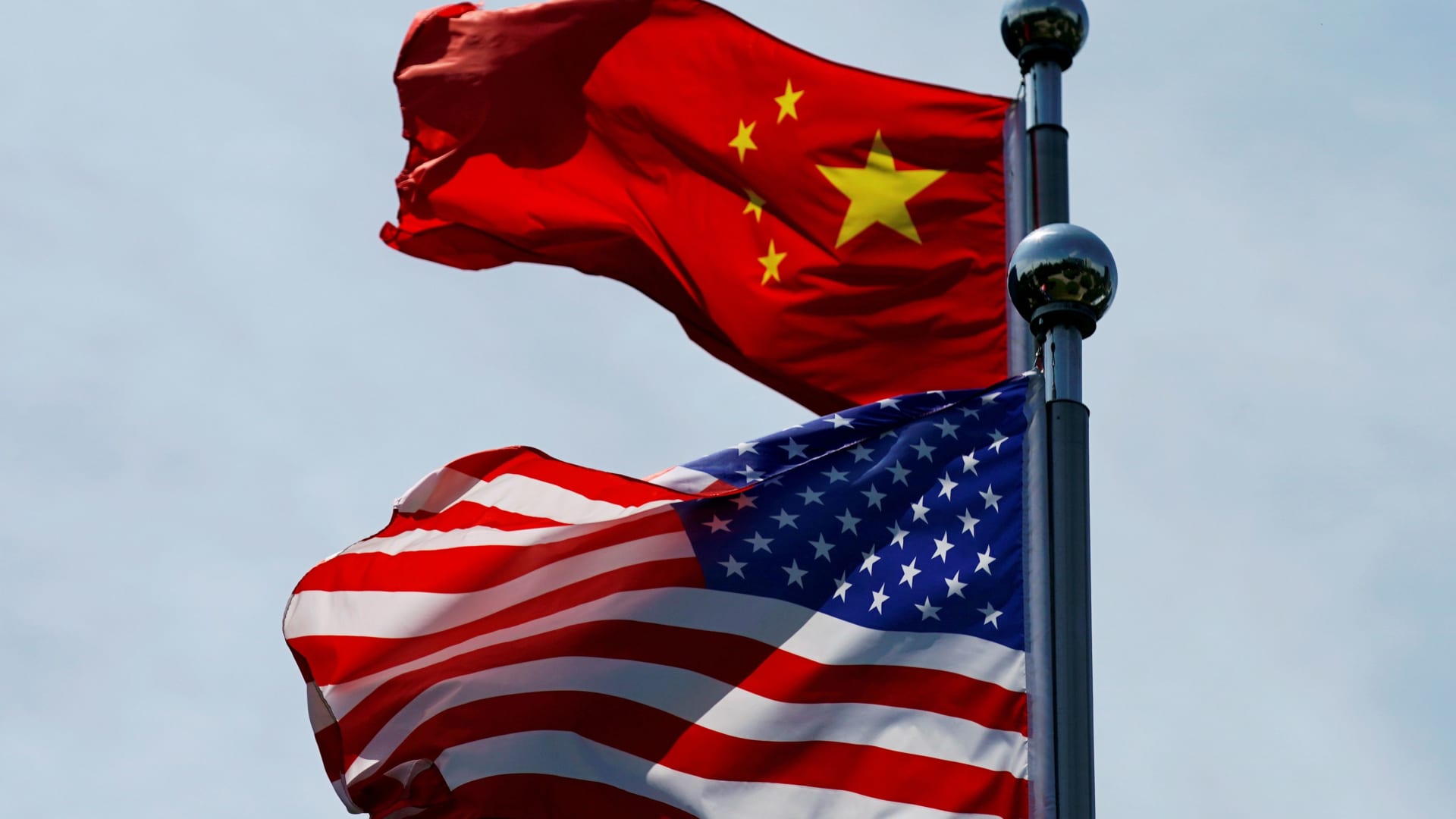
US-China Trade Talks and Summit Agenda
- US-China Trade Talks: US Treasury Secretary Scott Bessent is set to meet with Chinese Vice Premier He Lifeng in South Korea from Tuesday to Wednesday, aiming to pave the way for the upcoming Trump-Xi summit, highlighting the urgency and complexity of trade relations between the two nations.
- Summit Agenda: Trump is expected to arrive in Beijing on Wednesday evening, with a bilateral meeting with Xi scheduled for the following morning, followed by a tour of the Temple of Heaven and a state banquet, underscoring the importance both leaders place on strengthening bilateral ties.
- Key Issues: The summit will focus on the Iran-Hormuz crisis, with analysts suggesting that it is more about preventing escalation of tensions rather than establishing deep cooperation mechanisms, which is crucial for global economic stability.
- Future Outlook: Xi is anticipated to visit the US later this year, and the outcomes of this week's meeting will lay the groundwork for future high-level exchanges between the two countries, particularly in trade and geopolitical interactions that will continue to attract global attention.
See More

Trump's Meeting with Xi Jinping Faces Diminished Expectations

- Narrowed Trade Goals: Trump's upcoming meeting with Xi Jinping on May 14-15 focuses on limited deals concerning soybeans, beef, and Boeing jets, indicating that his aggressive trade stance has not yielded substantial results, which may negatively impact his support ahead of the midterm elections.
- Increased Economic Pressure: Since their last meeting, China has intensified economic pressure on the U.S., while Trump is preoccupied with court rulings against his tariffs, revealing his passive position in negotiations and potentially diminishing U.S. influence in the global economy.
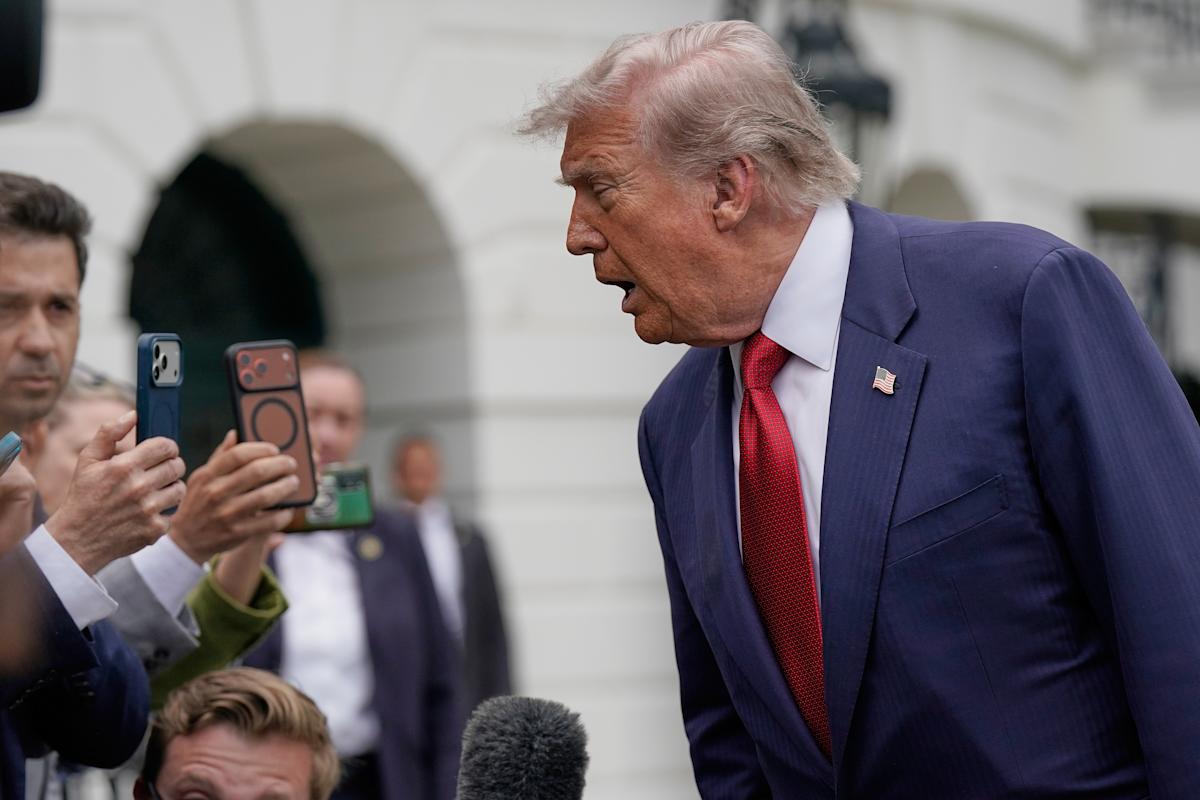
- Grand Meeting Format: The summit will take place at the Great Hall of the People, with Trump accompanied by business leaders including Tesla's Elon Musk and Apple's Tim Cook, although the smaller delegation compared to 2017 reflects a decline in Trump's international clout.
- Uncertain Future Relations: Trump aims to leverage this meeting to seek cooperation with China on the Iran issue, but analysts suggest the likely outcome may be a
See More
Panasonic Energy Unit Profit Expected to Double
- Profit Doubling Expectation: Panasonic anticipates its energy unit's operating income will reach 171 billion yen (approximately $1.09 billion) for the fiscal year ending March 2027, more than doubling from 69.8 billion yen in the previous year, indicating a strong recovery trajectory.
- Quarterly Loss Review: Despite facing a quarterly loss of 3.8 billion yen from January to March, primarily due to U.S. tariffs, start-up costs at its Kansas plant, and declining sales at a Japanese factory, the overall outlook remains optimistic.
- Market Environment Challenges: The losses stem partly from external market challenges, including U.S. tariff policies on imports, which have pressured its cost structure and impacted short-term profitability.
- Strategic Adjustment Necessity: To navigate current market challenges, Panasonic may need to implement strategic adjustments to optimize production efficiency and reduce costs, thereby achieving sustainable profit growth in the future.
See More
Tesla Faces Regulatory Challenges for FSD Approval
- Regulatory Approval Hurdles: Tesla is seeking regulatory approval for its Full Self-Driving (FSD) system in Europe to launch its robotaxi service, but concerns from some EU regulators could hinder the company's high-margin software revenue and competitive position.
- Data Acquisition Limitations: Failure to secure FSD approval would restrict Tesla's access to more real-world data, which is crucial for enhancing its FSD software performance, potentially diminishing the company's competitiveness in the autonomous driving sector.
- Long-Term Strategic Risks: While the Netherlands has approved FSD, the broader EU consensus remains a significant hurdle; if approval is denied, Tesla may need to adjust its functionality and reapply, delaying the rollout of its robotaxi business and increasing uncertainty for investors.
- Stock Volatility Risks: With a staggering 208.3x price-to-earnings ratio, Tesla's valuation reflects market expectations for long-term success, but failure to effectively manage regulatory risks could lead to underperformance relative to broader equities over the next five to ten years, necessitating cautious consideration from investors.
See More
Tesla Faces Regulatory Challenges for FSD Approval
- Regulatory Approval Hurdles: Tesla is seeking regulatory approval for its Full Self-Driving (FSD) system in Europe, which is crucial for launching its robotaxi service; however, some EU regulators express concerns about the technology, potentially impacting the expansion of its high-margin software revenue.
- Market Competition Risks: If the EU fails to approve Tesla's FSD, it could allow competitors to gain market share at a critical time when Tesla is trying to scale its robotaxi business, increasing the competitive pressure the company faces.
- Long-term Strategic Implications: While the Netherlands has granted approval for FSD, the broader EU consensus remains a significant hurdle, and Tesla may need to adjust its functionality to address regulatory concerns, affecting its long-term growth strategy and market positioning.
- Investor Risk Advisory: Tesla's high valuation (208.3x forward earnings) reflects market expectations for its long-term success, but if it cannot effectively manage regulatory risks, its stock could lag behind broader equities over the next five to ten years, prompting investors to consider the associated risks carefully.
See More
UK Prime Minister Faces Resignation Pressure Amid Cabinet Crisis
- Cabinet Crisis Intensifies: UK Prime Minister Keir Starmer faces resignation pressure from over 70 MPs during a cabinet meeting, demanding a plan for his exit from Downing Street, indicating his leadership is precariously positioned.
- Election Outlook Worrisome: London Mayor Sadiq Khan warns that the Labour Party risks a severe defeat in the upcoming general election if it does not adopt bolder stances, particularly regarding Brexit.
- Middle East Tensions Impact Oil Prices: President Trump states that the ceasefire with Iran is on 'life support,' leading to a rise in oil prices as market concerns about the prolonged conflict escalate.
- Optimistic Tech Stock Predictions: Despite the political turmoil, the Nasdaq index reaches new highs during a strong tech earnings season, with analysts predicting it could hit 30,000 points in the next year, reflecting robust enthusiasm for AI stocks.
See More
US-China Trade Talks and Summit Agenda
- US-China Trade Talks: US Treasury Secretary Scott Bessent is set to meet with Chinese Vice Premier He Lifeng in South Korea from Tuesday to Wednesday, aiming to pave the way for the upcoming Trump-Xi summit, highlighting the urgency and complexity of trade relations between the two nations.
- Summit Agenda: Trump is expected to arrive in Beijing on Wednesday evening, with a bilateral meeting with Xi scheduled for the following morning, followed by a tour of the Temple of Heaven and a state banquet, underscoring the importance both leaders place on strengthening bilateral ties.
- Key Issues: The summit will focus on the Iran-Hormuz crisis, with analysts suggesting that it is more about preventing escalation of tensions rather than establishing deep cooperation mechanisms, which is crucial for global economic stability.
- Future Outlook: Xi is anticipated to visit the US later this year, and the outcomes of this week's meeting will lay the groundwork for future high-level exchanges between the two countries, particularly in trade and geopolitical interactions that will continue to attract global attention.
See More
Trump's Meeting with Xi Jinping Faces Diminished Expectations
- Narrowed Trade Goals: Trump's upcoming meeting with Xi Jinping on May 14-15 focuses on limited deals concerning soybeans, beef, and Boeing jets, indicating that his aggressive trade stance has not yielded substantial results, which may negatively impact his support ahead of the midterm elections.
- Increased Economic Pressure: Since their last meeting, China has intensified economic pressure on the U.S., while Trump is preoccupied with court rulings against his tariffs, revealing his passive position in negotiations and potentially diminishing U.S. influence in the global economy.
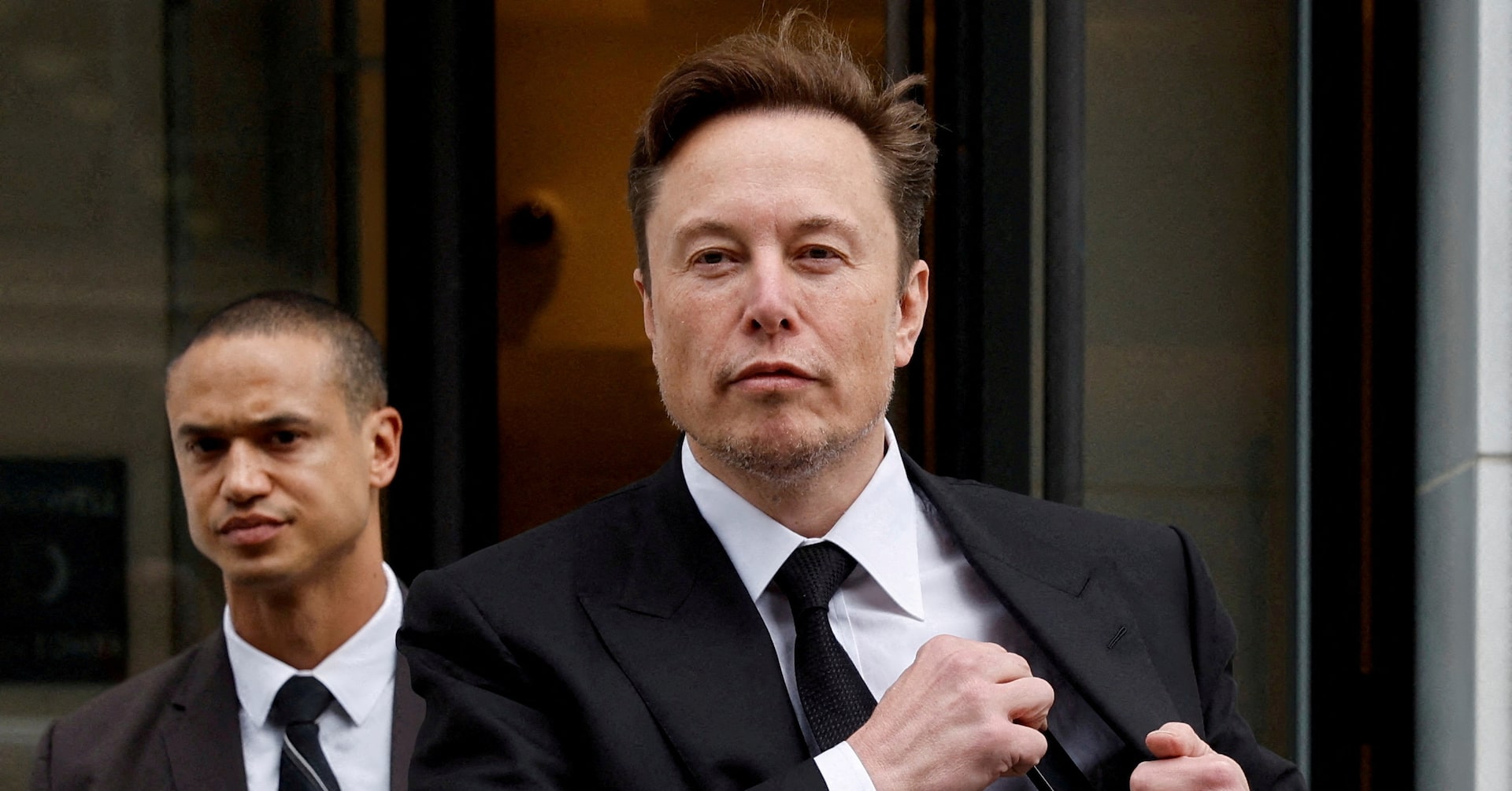
- Grand Meeting Format: The summit will take place at the Great Hall of the People, with Trump accompanied by business leaders including Tesla's Elon Musk and Apple's Tim Cook, although the smaller delegation compared to 2017 reflects a decline in Trump's international clout.
- Uncertain Future Relations: Trump aims to leverage this meeting to seek cooperation with China on the Iran issue, but analysts suggest the likely outcome may be a
See More