Tesla Faces Continued Weakness in U.S. Demand as Q1 Approaches
Written by Emily J. Thompson, Senior Investment Analyst
Updated: 1 hour ago
0mins
Should l Buy TSLA?
Source: stocktwits
- Declining U.S. Registrations: In Q1 2023, Tesla's U.S. vehicle registrations totaled 119,900, reflecting a 12.5% year-over-year decline, indicating persistent weakness in domestic demand that could adversely affect future delivery performance.
- Weak Delivery Expectations: Wall Street anticipates Tesla will report approximately 365,645 global deliveries in Q1, while independent researcher Troy Teslike projects around 375,000 vehicles, both figures falling short of last year's 336,681 deliveries, highlighting diminishing market confidence in Tesla.
- Sales Continue to Drop: Tesla sold 41,300 vehicles in March, down 7.9% year-over-year, although slightly above February's 38,500 units, marking the sixth consecutive month of year-over-year declines, which underscores ongoing demand challenges in the market.
- Bearish Market Sentiment: According to Stocktwits, retail sentiment for Tesla has remained in the 'bearish' territory over the past week, with investors expressing low expectations for Q1 deliveries, contributing to a 15% decline in TSLA stock year-to-date.
Trade with 70% Backtested Accuracy
Stop guessing "Should I Buy TSLA?" and start using high-conviction signals backed by rigorous historical data.
Sign up today to access powerful investing tools and make smarter, data-driven decisions.
Analyst Views on TSLA
Wall Street analysts forecast TSLA stock price to rise
30 Analyst Rating
12 Buy
11 Hold
7 Sell
Hold
Current: 371.750

Low
25.28
Averages
401.93
High
600.00
Current: 371.750
Low
25.28
Averages
401.93
High
600.00
About TSLA
Tesla, Inc. designs, develops, manufactures, sells and leases high-performance fully electric vehicles and energy generation and storage systems, and offers services related to its products. Its segments include automotive, and energy generation and storage. The automotive segment includes the design, development, manufacturing, sales and leasing of high-performance fully electric vehicles, and sales of automotive regulatory credits. It also includes sales of used vehicles, non-warranty maintenance services and collisions, part sales, paid supercharging, insurance services revenue and retail merchandise sales. The energy generation and storage segment include the design, manufacture, installation, sales and leasing of solar energy generation and energy storage products and related services and sales of solar energy systems incentives. Its consumer vehicles include the Model 3, Y, S, X and Cybertruck. Its lithium-ion battery energy storage products include Powerwall and Megapack.
About the author

Emily J. Thompson
Emily J. Thompson, a Chartered Financial Analyst (CFA) with 12 years in investment research, graduated with honors from the Wharton School. Specializing in industrial and technology stocks, she provides in-depth analysis for Intellectia’s earnings and market brief reports.

Tesla Faces Continued Weakness in U.S. Demand as Q1 Approaches

- Declining U.S. Registrations: In Q1 2023, Tesla's U.S. vehicle registrations totaled 119,900, reflecting a 12.5% year-over-year decline, indicating persistent weakness in domestic demand that could adversely affect future delivery performance.
- Weak Delivery Expectations: Wall Street anticipates Tesla will report approximately 365,645 global deliveries in Q1, while independent researcher Troy Teslike projects around 375,000 vehicles, both figures falling short of last year's 336,681 deliveries, highlighting diminishing market confidence in Tesla.
- Sales Continue to Drop: Tesla sold 41,300 vehicles in March, down 7.9% year-over-year, although slightly above February's 38,500 units, marking the sixth consecutive month of year-over-year declines, which underscores ongoing demand challenges in the market.
- Bearish Market Sentiment: According to Stocktwits, retail sentiment for Tesla has remained in the 'bearish' territory over the past week, with investors expressing low expectations for Q1 deliveries, contributing to a 15% decline in TSLA stock year-to-date.
See More

ARKK ETF Faces Worst Quarter Since Early 2025
- Performance Decline: The ARKK ETF fell 12% in the latest quarter, marking its worst performance since early 2025, primarily due to significant impacts from Tesla's stock volatility, highlighting ARKK's heavy reliance on Tesla.
- Tesla's Optimistic Outlook: Despite challenges, ARK maintains a $2,600 price forecast for Tesla by 2029, implying a market cap of $9.75 trillion, reflecting confidence in Tesla's future growth potential, particularly in robotics and autonomous driving.
- Autonomous Driving Market Potential: Cathie Wood stated that autonomy will be Tesla's largest revenue driver, with expectations of scaling to a $10 trillion market, emphasizing the company's potential to achieve autonomy in 25% to 50% of major U.S. cities by year-end.
- Investor Sentiment Shift: While sentiment towards ARKK remains bullish, Tesla's sentiment fluctuated between bearish and extremely bearish during the quarter, indicating market uncertainty regarding Tesla's future performance amid intensifying competition.
See More
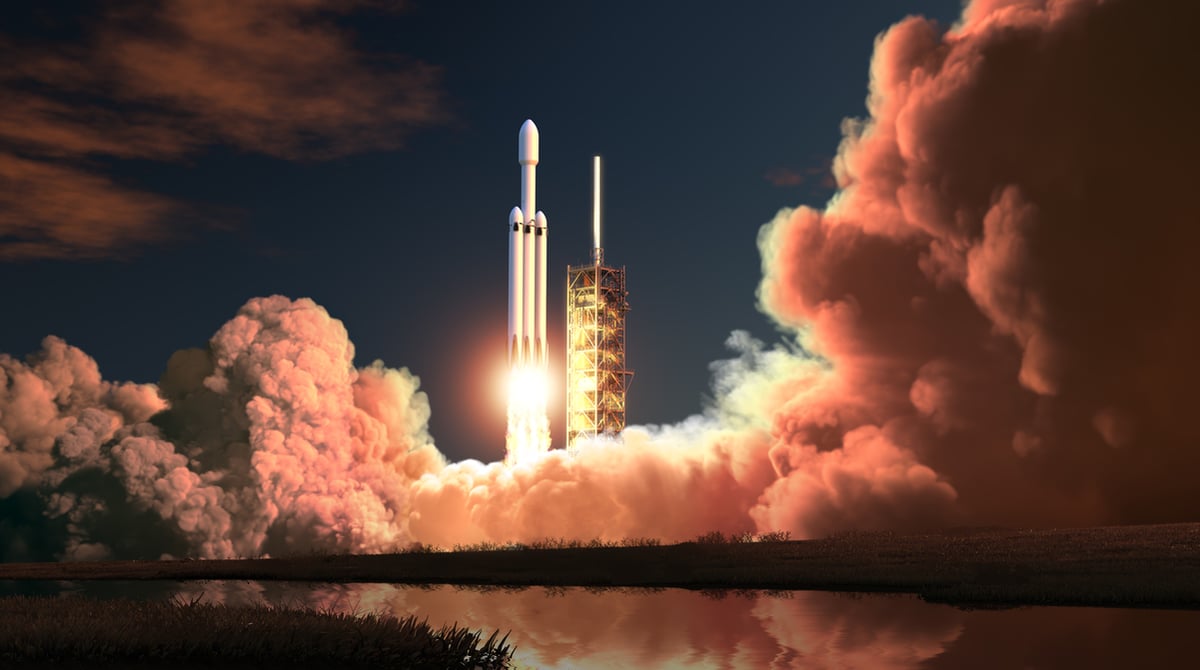
SpaceX Plans Record-Breaking IPO Raising Up to $80 Billion

- Massive IPO Scale: SpaceX is speculated to go public in the coming months, aiming to raise between $40 billion and $80 billion, significantly surpassing Saudi Aramco's $25.6 billion in 2019, indicating strong market interest and investment potential in space exploration.
- Retail Investor Engagement: Unlike traditional IPOs, SpaceX is targeting 30% of its offering for everyday investors, actively collaborating with platforms like E*TRADE and Morgan Stanley to enhance retail participation, which could positively impact the IPO's market performance.
- Strong Investor Base: Elon Musk's Tesla shareholders exhibit a high level of loyalty to his long-term vision, and this
See More
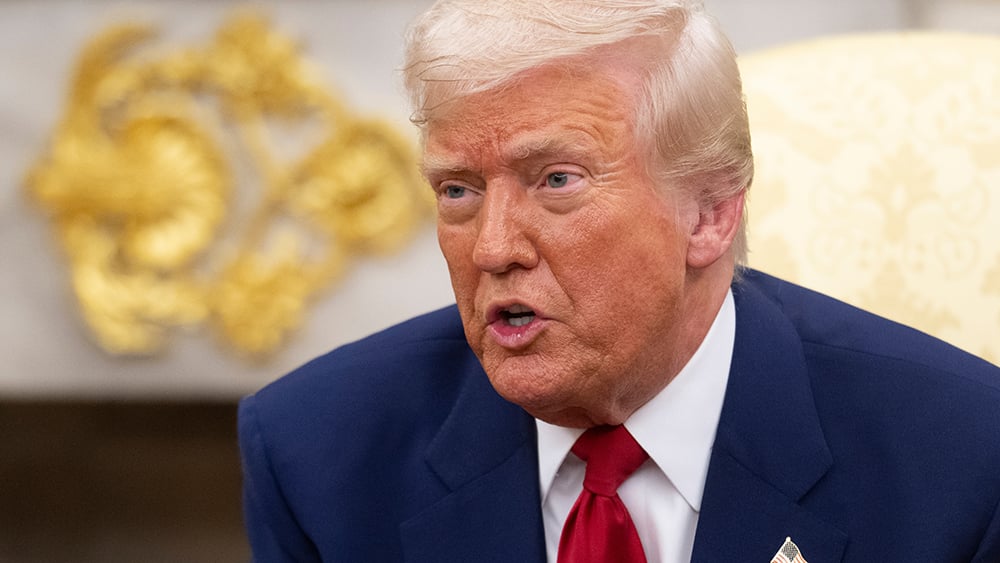
Trump Threatens Increased Sanctions on Iran


- Market Reaction: Futures fell sharply as President Trump announced that the U.S. would impose stricter sanctions on Iran over the next 2-3 weeks, reflecting investor concerns about geopolitical risks.
- Oil Price Surge: Following Trump's statement, oil prices jumped, indicating heightened expectations of potential supply disruptions that could impact global energy market stability.
- Geopolitical Tensions: Trump's tough rhetoric escalates tensions in the Middle East, potentially leading to further deterioration in international relations and affecting U.S. foreign policy with other nations.
- Investor Sentiment: The uncertainty in the market dampens investor sentiment, likely resulting in capital outflows from high-risk assets towards safer investments, thereby impacting overall market performance.
See More
Analysis of Market Impact from Iran War


- Surging Oil Prices: The ongoing Iran war has led to a significant increase in global oil prices, with approximately 20% of the world's oil passing through the Strait of Hormuz, resulting in an overall market decline and expected long-term economic impacts.
- Extended Rebuilding Timeline: The reconstruction of LNG assets is projected to take 3-5 years, and if the conflict persists, this timeline may extend further, posing greater challenges to the global economy.
- Supply Chain Complexity: The current issues are more complex than mere supply shortages, particularly with Qatar's LNG facilities damaged, leading to uncertain recovery times that could affect production across multiple industries.
- Investor Sentiment Deterioration: The S&P 500 has dropped about 4% year-to-date, with the fear and greed index falling to 17, indicating a heightened fear among investors regarding future market conditions, which may lead to increased market volatility.
See More

Impact of War on Metal Markets

- Aluminum Surge: Since the onset of the war, aluminum futures have surged nearly 12%, indicating strong market demand that may reflect supply chain tensions and investor optimism about future needs.
- Precious Metals Decline: In stark contrast to aluminum, gold futures have fallen about 9%, while silver, palladium, and platinum futures have dropped between 17% and 19%, suggesting a waning interest in safe-haven assets and potential for increased market volatility.
- Tariff Impact: One year after Trump's tariff announcement, Walmart's stock has risen nearly 40%, and Tesla's shares have soared about 35%, indicating that some companies have successfully adapted to policy changes, while Best Buy's 15% decline highlights the varied impacts across different firms.
- Jobless Claims Expectations: Initial jobless claims are expected to reach 212,000, with a trade deficit forecast of $62 billion, up from last month's $54.46 billion, reflecting the complexities of economic recovery and market focus on upcoming economic data.
See More
Tesla Faces Continued Weakness in U.S. Demand as Q1 Approaches
- Declining U.S. Registrations: In Q1 2023, Tesla's U.S. vehicle registrations totaled 119,900, reflecting a 12.5% year-over-year decline, indicating persistent weakness in domestic demand that could adversely affect future delivery performance.
- Weak Delivery Expectations: Wall Street anticipates Tesla will report approximately 365,645 global deliveries in Q1, while independent researcher Troy Teslike projects around 375,000 vehicles, both figures falling short of last year's 336,681 deliveries, highlighting diminishing market confidence in Tesla.
- Sales Continue to Drop: Tesla sold 41,300 vehicles in March, down 7.9% year-over-year, although slightly above February's 38,500 units, marking the sixth consecutive month of year-over-year declines, which underscores ongoing demand challenges in the market.
- Bearish Market Sentiment: According to Stocktwits, retail sentiment for Tesla has remained in the 'bearish' territory over the past week, with investors expressing low expectations for Q1 deliveries, contributing to a 15% decline in TSLA stock year-to-date.
See More
ARKK ETF Faces Worst Quarter Since Early 2025
- Performance Decline: The ARKK ETF fell 12% in the latest quarter, marking its worst performance since early 2025, primarily due to significant impacts from Tesla's stock volatility, highlighting ARKK's heavy reliance on Tesla.
- Tesla's Optimistic Outlook: Despite challenges, ARK maintains a $2,600 price forecast for Tesla by 2029, implying a market cap of $9.75 trillion, reflecting confidence in Tesla's future growth potential, particularly in robotics and autonomous driving.
- Autonomous Driving Market Potential: Cathie Wood stated that autonomy will be Tesla's largest revenue driver, with expectations of scaling to a $10 trillion market, emphasizing the company's potential to achieve autonomy in 25% to 50% of major U.S. cities by year-end.
- Investor Sentiment Shift: While sentiment towards ARKK remains bullish, Tesla's sentiment fluctuated between bearish and extremely bearish during the quarter, indicating market uncertainty regarding Tesla's future performance amid intensifying competition.
See More
SpaceX Plans Record-Breaking IPO Raising Up to $80 Billion
- Massive IPO Scale: SpaceX is speculated to go public in the coming months, aiming to raise between $40 billion and $80 billion, significantly surpassing Saudi Aramco's $25.6 billion in 2019, indicating strong market interest and investment potential in space exploration.
- Retail Investor Engagement: Unlike traditional IPOs, SpaceX is targeting 30% of its offering for everyday investors, actively collaborating with platforms like E*TRADE and Morgan Stanley to enhance retail participation, which could positively impact the IPO's market performance.
- Strong Investor Base: Elon Musk's Tesla shareholders exhibit a high level of loyalty to his long-term vision, and this
See More
Trump Threatens Increased Sanctions on Iran
- Market Reaction: Futures fell sharply as President Trump announced that the U.S. would impose stricter sanctions on Iran over the next 2-3 weeks, reflecting investor concerns about geopolitical risks.
- Oil Price Surge: Following Trump's statement, oil prices jumped, indicating heightened expectations of potential supply disruptions that could impact global energy market stability.
- Geopolitical Tensions: Trump's tough rhetoric escalates tensions in the Middle East, potentially leading to further deterioration in international relations and affecting U.S. foreign policy with other nations.
- Investor Sentiment: The uncertainty in the market dampens investor sentiment, likely resulting in capital outflows from high-risk assets towards safer investments, thereby impacting overall market performance.
See More
Analysis of Market Impact from Iran War
- Surging Oil Prices: The ongoing Iran war has led to a significant increase in global oil prices, with approximately 20% of the world's oil passing through the Strait of Hormuz, resulting in an overall market decline and expected long-term economic impacts.
- Extended Rebuilding Timeline: The reconstruction of LNG assets is projected to take 3-5 years, and if the conflict persists, this timeline may extend further, posing greater challenges to the global economy.
- Supply Chain Complexity: The current issues are more complex than mere supply shortages, particularly with Qatar's LNG facilities damaged, leading to uncertain recovery times that could affect production across multiple industries.
- Investor Sentiment Deterioration: The S&P 500 has dropped about 4% year-to-date, with the fear and greed index falling to 17, indicating a heightened fear among investors regarding future market conditions, which may lead to increased market volatility.
See More
Impact of War on Metal Markets
- Aluminum Surge: Since the onset of the war, aluminum futures have surged nearly 12%, indicating strong market demand that may reflect supply chain tensions and investor optimism about future needs.
- Precious Metals Decline: In stark contrast to aluminum, gold futures have fallen about 9%, while silver, palladium, and platinum futures have dropped between 17% and 19%, suggesting a waning interest in safe-haven assets and potential for increased market volatility.
- Tariff Impact: One year after Trump's tariff announcement, Walmart's stock has risen nearly 40%, and Tesla's shares have soared about 35%, indicating that some companies have successfully adapted to policy changes, while Best Buy's 15% decline highlights the varied impacts across different firms.
- Jobless Claims Expectations: Initial jobless claims are expected to reach 212,000, with a trade deficit forecast of $62 billion, up from last month's $54.46 billion, reflecting the complexities of economic recovery and market focus on upcoming economic data.
See More