Tesla Earnings Report Sparks Diverging Opinions
Written by Emily J. Thompson, Senior Investment Analyst
Updated: 1 hour ago
0mins
Should l Buy TSLA?
Source: Fool
- EV Sales Surge: Tesla reported over 150% quarter-over-quarter growth in EV deliveries in EMEA, particularly in France and Germany, despite overall delivery figures missing Wall Street estimates, indicating a resurgence in demand and maintaining the company's competitive edge in the EV market.
- FSD Subscription Growth: The company's Full Self-Driving (FSD) subscriptions saw a 16.4% sequential increase and a 51% year-over-year rise, with declining churn rates as more drivers recognize the benefits of autonomy, further solidifying Tesla's position in the smart driving sector.
- Robotaxi Rollout Delays: Although CEO Elon Musk promised that robotaxis would be available to half of the U.S. population by 2025, only 13 unsupervised robotaxis are currently operational in Austin, reflecting a more cautious rollout strategy, with broader deployment expected in 2026.
- Increased Capital Expenditures: Tesla anticipates capital expenditures to reach at least $25 billion by 2026, primarily for hardware upgrades and the Terafab project, indicating financial pressure on the rapid deployment of robotaxis, which may lead to short-term stock price volatility.
Trade with 70% Backtested Accuracy
Stop guessing "Should I Buy TSLA?" and start using high-conviction signals backed by rigorous historical data.
Sign up today to access powerful investing tools and make smarter, data-driven decisions.
Analyst Views on TSLA
Wall Street analysts forecast TSLA stock price to rise
30 Analyst Rating
12 Buy
11 Hold
7 Sell
Hold
Current: 373.720

Low
25.28
Averages
401.93
High
600.00
Current: 373.720
Low
25.28
Averages
401.93
High
600.00
About TSLA
Tesla, Inc. designs, develops, manufactures, sells and leases high-performance fully electric vehicles and energy generation and storage systems, and offers services related to its products. Its segments include automotive, and energy generation and storage. The automotive segment includes the design, development, manufacturing, sales and leasing of high-performance fully electric vehicles, and sales of automotive regulatory credits. It also includes sales of used vehicles, non-warranty maintenance services and collisions, part sales, paid supercharging, insurance services revenue and retail merchandise sales. The energy generation and storage segment include the design, manufacture, installation, sales and leasing of solar energy generation and energy storage products and related services and sales of solar energy systems incentives. Its consumer vehicles include the Model 3, Y, S, X and Cybertruck. Its lithium-ion battery energy storage products include Powerwall and Megapack.
About the author

Emily J. Thompson
Emily J. Thompson, a Chartered Financial Analyst (CFA) with 12 years in investment research, graduated with honors from the Wharton School. Specializing in industrial and technology stocks, she provides in-depth analysis for Intellectia’s earnings and market brief reports.
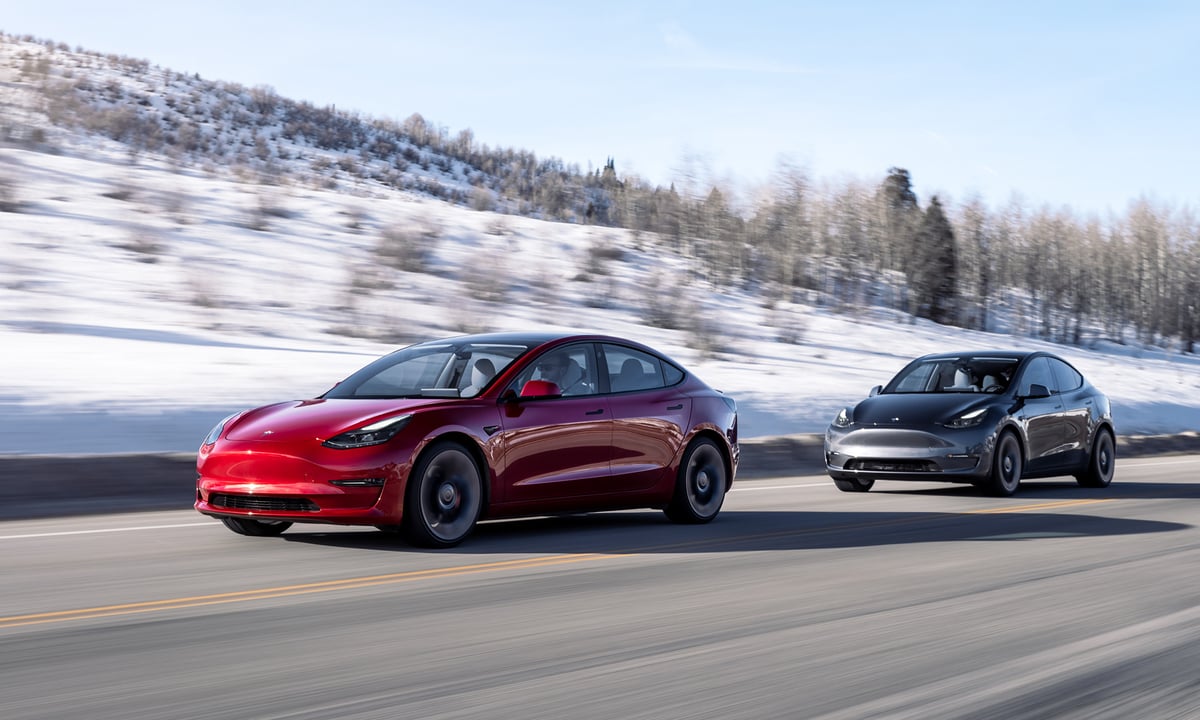
Tesla Earnings Report Sparks Diverging Opinions

- EV Sales Surge: Tesla reported over 150% quarter-over-quarter growth in EV deliveries in EMEA, particularly in France and Germany, despite overall delivery figures missing Wall Street estimates, indicating a resurgence in demand and maintaining the company's competitive edge in the EV market.
- FSD Subscription Growth: The company's Full Self-Driving (FSD) subscriptions saw a 16.4% sequential increase and a 51% year-over-year rise, with declining churn rates as more drivers recognize the benefits of autonomy, further solidifying Tesla's position in the smart driving sector.
- Robotaxi Rollout Delays: Although CEO Elon Musk promised that robotaxis would be available to half of the U.S. population by 2025, only 13 unsupervised robotaxis are currently operational in Austin, reflecting a more cautious rollout strategy, with broader deployment expected in 2026.
- Increased Capital Expenditures: Tesla anticipates capital expenditures to reach at least $25 billion by 2026, primarily for hardware upgrades and the Terafab project, indicating financial pressure on the rapid deployment of robotaxis, which may lead to short-term stock price volatility.
See More
Tesla Reports Solid Quarterly Financial Results
- Solid Financial Performance: Tesla's Q1 2026 financial report indicates relatively solid results, with stock prices reflecting a 0.69% increase on April 23, although specific figures were not disclosed.
- Positive Market Reaction: Following the earnings report, Tesla's stock exhibited an upward trend, indicating investor confidence in the company's future growth potential despite ongoing market uncertainties.
- Video Release Timing: The earnings video was published on April 25, 2026, aimed at further clarifying financial data and enhancing investor confidence, showcasing the company's commitment to transparency and communication.
- Optimistic Future Outlook: While specific financial metrics were not provided, Tesla's solid performance may lay a foundation for future growth, particularly as the electric vehicle market continues to expand.
See More
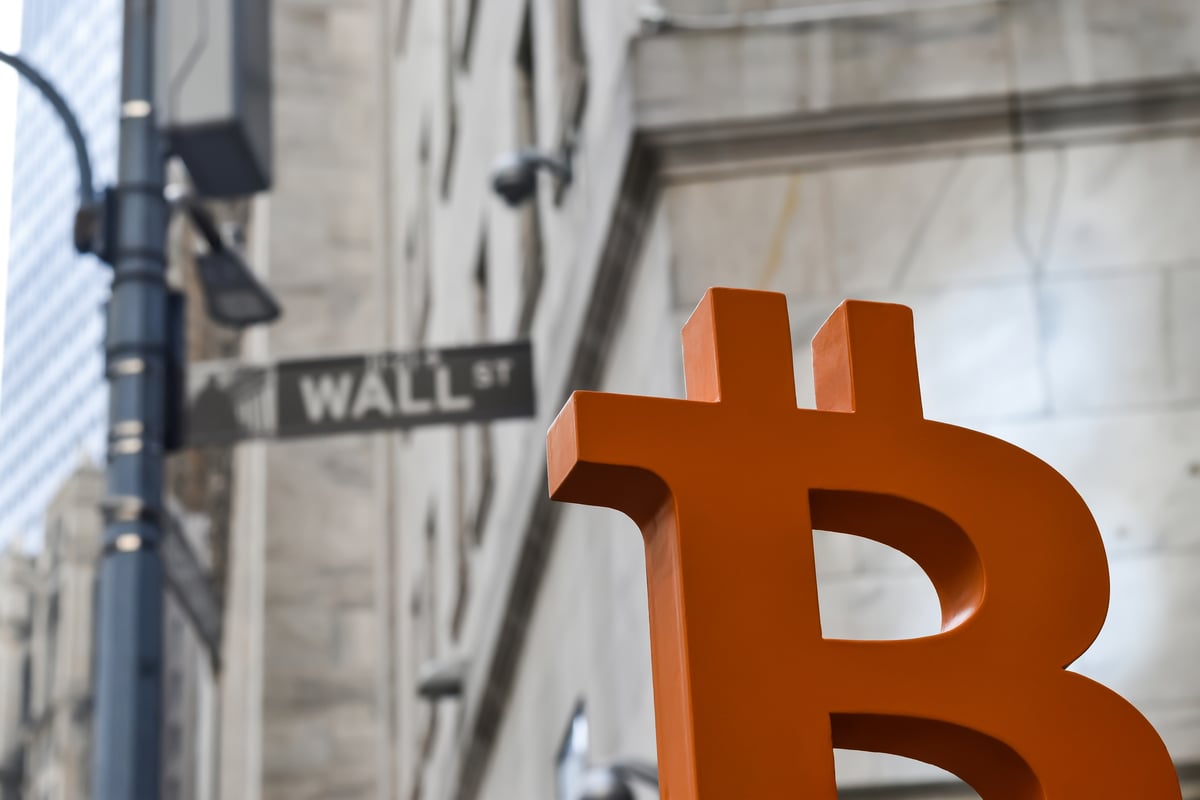
Institutional Investors Drive Bitcoin Adoption

- Bitcoin Price Recovery: Since reaching an all-time high of $126,198.07 in October 2025, Bitcoin has fallen nearly 40%, yet it has risen 19% since the Iran war began on February 28, indicating its value in investment portfolios.
- Strategic Holdings: Strategy, led by Michael Saylor, is the largest Bitcoin holder with 815,061 units valued at nearly $64 billion, showcasing its significant influence in the cryptocurrency space.
- ETF Market Expansion: Bitcoin spot exchange-traded funds (ETFs) have performed exceptionally since their launch in January 2024, with BlackRock's iShares Bitcoin Trust dominating the market with $64 billion in net assets, attracting numerous investors.
- Institutional Adoption Drive: As financial institutions like Morgan Stanley launch Bitcoin ETFs, the increasing demand from institutional investors is driving Bitcoin's adoption, highlighting its potential as a diversification tool in investment portfolios.
See More

Elon Musk Launches X Money Payment Service
- Service Launch: Elon Musk is preparing to roll out X Money, a payments and banking service within X, aiming to transform the platform into an 'everything app,' which could significantly enhance user engagement and streamline payment experiences.
- Positive User Feedback: Early access users report features such as free peer-to-peer transfers, a Visa debit card, 3% cash back on select purchases, and a 6% yield on savings, potentially attracting a broader user base to the platform.
- Significant Market Potential: If X can convince users to adopt it as their primary financial account, it could unlock opportunities for deposits, lending, and expanded commerce activities, thereby creating new revenue streams and enhancing market competitiveness.
- Regulatory Challenges Ahead: Despite the promising outlook, X lacks money-transmitter licenses in several states, limiting nationwide expansion, and regulators have raised concerns about security controls and consumer protections, which must be addressed for sustainable growth.
See More
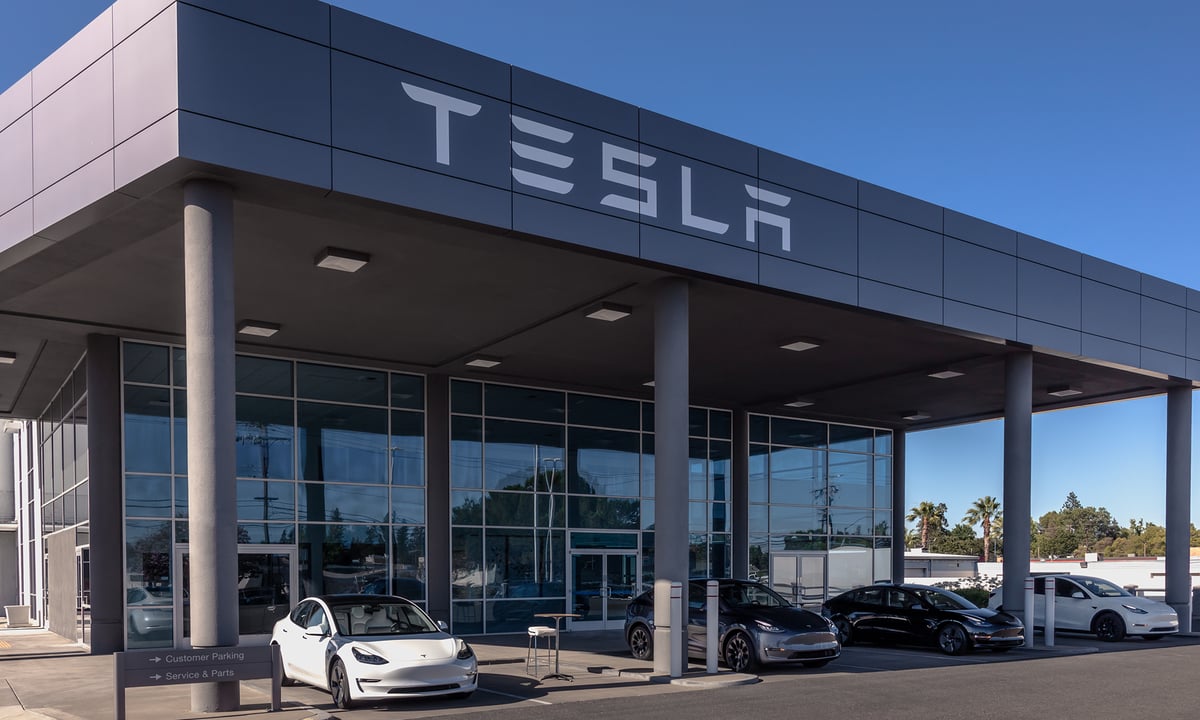
Tesla's Capital Expenditure Soars to $25 Billion
- Significant Capital Expenditure Increase: Tesla's CFO raised the 2026 capital spending forecast from $20 billion to $25 billion during the latest earnings call, reflecting strong confidence in future profitability driven by the operation of six new factories.
- New Factory Developments: Tesla is advancing multiple projects, including a lithium refinery in Texas and an LFP battery factory in Nevada, which are expected to directly impact cash flow and profitability, laying the groundwork for future growth.
- Cash Flow Forecast Challenges: Although Tesla is projected to have $22.5 billion in net cash by 2026, the surge in capital spending raises concerns about potential cash flow shortages in 2026 and possibly 2027, prompting investor focus on future cash flow trajectories.
- Long-Term Investor Confidence: Despite short-term cash flow uncertainties, Tesla's capital expenditures are aimed at sustaining and expanding the business, leading long-term investors to remain optimistic about the company's net cash position and its ability to navigate future challenges.
See More

Tesla's Capital Expenditures Set to Surge
- Surge in Capital Expenditures: Tesla's capital expenditures are projected to exceed $25 billion in 2026, a significant increase from previous estimates, primarily aimed at launching six new factories that will drive future profitability.
- Cash Flow Pressure: Due to these substantial investments, Tesla anticipates cash burn in 2026 and 2027, with a return to free cash flow expected in 2028, which could strain short-term cash reserves.
- Robotaxi Revenue Potential: Despite the short-term cash flow challenges, the long-term revenue potential from Tesla's robotaxi and Optimus robot projects keeps the stock attractive for investors, especially with expectations of future revenue growth.
- Market Expectation Shifts: Wall Street now expects Tesla to end 2026 with $22.5 billion in net cash, which will support its spending commitments, although uncertainties regarding the timing and scale of robotaxi revenue remain a focal point for investors.
See More
Tesla Earnings Report Sparks Diverging Opinions
- EV Sales Surge: Tesla reported over 150% quarter-over-quarter growth in EV deliveries in EMEA, particularly in France and Germany, despite overall delivery figures missing Wall Street estimates, indicating a resurgence in demand and maintaining the company's competitive edge in the EV market.
- FSD Subscription Growth: The company's Full Self-Driving (FSD) subscriptions saw a 16.4% sequential increase and a 51% year-over-year rise, with declining churn rates as more drivers recognize the benefits of autonomy, further solidifying Tesla's position in the smart driving sector.
- Robotaxi Rollout Delays: Although CEO Elon Musk promised that robotaxis would be available to half of the U.S. population by 2025, only 13 unsupervised robotaxis are currently operational in Austin, reflecting a more cautious rollout strategy, with broader deployment expected in 2026.
- Increased Capital Expenditures: Tesla anticipates capital expenditures to reach at least $25 billion by 2026, primarily for hardware upgrades and the Terafab project, indicating financial pressure on the rapid deployment of robotaxis, which may lead to short-term stock price volatility.
See More
Tesla Reports Solid Quarterly Financial Results
- Solid Financial Performance: Tesla's Q1 2026 financial report indicates relatively solid results, with stock prices reflecting a 0.69% increase on April 23, although specific figures were not disclosed.
- Positive Market Reaction: Following the earnings report, Tesla's stock exhibited an upward trend, indicating investor confidence in the company's future growth potential despite ongoing market uncertainties.
- Video Release Timing: The earnings video was published on April 25, 2026, aimed at further clarifying financial data and enhancing investor confidence, showcasing the company's commitment to transparency and communication.
- Optimistic Future Outlook: While specific financial metrics were not provided, Tesla's solid performance may lay a foundation for future growth, particularly as the electric vehicle market continues to expand.
See More
Institutional Investors Drive Bitcoin Adoption
- Bitcoin Price Recovery: Since reaching an all-time high of $126,198.07 in October 2025, Bitcoin has fallen nearly 40%, yet it has risen 19% since the Iran war began on February 28, indicating its value in investment portfolios.
- Strategic Holdings: Strategy, led by Michael Saylor, is the largest Bitcoin holder with 815,061 units valued at nearly $64 billion, showcasing its significant influence in the cryptocurrency space.
- ETF Market Expansion: Bitcoin spot exchange-traded funds (ETFs) have performed exceptionally since their launch in January 2024, with BlackRock's iShares Bitcoin Trust dominating the market with $64 billion in net assets, attracting numerous investors.
- Institutional Adoption Drive: As financial institutions like Morgan Stanley launch Bitcoin ETFs, the increasing demand from institutional investors is driving Bitcoin's adoption, highlighting its potential as a diversification tool in investment portfolios.
See More
Elon Musk Launches X Money Payment Service
- Service Launch: Elon Musk is preparing to roll out X Money, a payments and banking service within X, aiming to transform the platform into an 'everything app,' which could significantly enhance user engagement and streamline payment experiences.
- Positive User Feedback: Early access users report features such as free peer-to-peer transfers, a Visa debit card, 3% cash back on select purchases, and a 6% yield on savings, potentially attracting a broader user base to the platform.
- Significant Market Potential: If X can convince users to adopt it as their primary financial account, it could unlock opportunities for deposits, lending, and expanded commerce activities, thereby creating new revenue streams and enhancing market competitiveness.
- Regulatory Challenges Ahead: Despite the promising outlook, X lacks money-transmitter licenses in several states, limiting nationwide expansion, and regulators have raised concerns about security controls and consumer protections, which must be addressed for sustainable growth.
See More
Tesla's Capital Expenditure Soars to $25 Billion
- Significant Capital Expenditure Increase: Tesla's CFO raised the 2026 capital spending forecast from $20 billion to $25 billion during the latest earnings call, reflecting strong confidence in future profitability driven by the operation of six new factories.
- New Factory Developments: Tesla is advancing multiple projects, including a lithium refinery in Texas and an LFP battery factory in Nevada, which are expected to directly impact cash flow and profitability, laying the groundwork for future growth.
- Cash Flow Forecast Challenges: Although Tesla is projected to have $22.5 billion in net cash by 2026, the surge in capital spending raises concerns about potential cash flow shortages in 2026 and possibly 2027, prompting investor focus on future cash flow trajectories.
- Long-Term Investor Confidence: Despite short-term cash flow uncertainties, Tesla's capital expenditures are aimed at sustaining and expanding the business, leading long-term investors to remain optimistic about the company's net cash position and its ability to navigate future challenges.
See More
Tesla's Capital Expenditures Set to Surge
- Surge in Capital Expenditures: Tesla's capital expenditures are projected to exceed $25 billion in 2026, a significant increase from previous estimates, primarily aimed at launching six new factories that will drive future profitability.
- Cash Flow Pressure: Due to these substantial investments, Tesla anticipates cash burn in 2026 and 2027, with a return to free cash flow expected in 2028, which could strain short-term cash reserves.
- Robotaxi Revenue Potential: Despite the short-term cash flow challenges, the long-term revenue potential from Tesla's robotaxi and Optimus robot projects keeps the stock attractive for investors, especially with expectations of future revenue growth.
- Market Expectation Shifts: Wall Street now expects Tesla to end 2026 with $22.5 billion in net cash, which will support its spending commitments, although uncertainties regarding the timing and scale of robotaxi revenue remain a focal point for investors.
See More