Tesla Discontinues Model S and X: Industry Impact
Written by Emily J. Thompson, Senior Investment Analyst
Updated: Feb 05 2026
0mins
Should l Buy TSLA?
Source: Fool
- Discontinuation Announcement: Tesla's decision to discontinue the Model S and Model X marks a significant turning point in the electric vehicle history, potentially diminishing its competitiveness in the premium market and impacting future sales and brand perception.
- Factory Repurposing: The factory producing the Model S and X will be repurposed, reflecting Tesla's adaptability to market demand changes and potentially providing space for new model production, which could affect overall production efficiency.
- Market Reaction: Following the discontinuation announcement, Tesla's stock price experienced volatility during morning trading on January 29, 2026, as investor concerns about the future product lineup may lead to short-term stock pressure, impacting market confidence.
- Strategic Shift: This decision may indicate Tesla's shift in focus towards new models and technological innovations, which, while facing short-term challenges, could open up new growth opportunities for the company in the long run.
Trade with 70% Backtested Accuracy
Stop guessing "Should I Buy TSLA?" and start using high-conviction signals backed by rigorous historical data.
Sign up today to access powerful investing tools and make smarter, data-driven decisions.
Analyst Views on TSLA
Wall Street analysts forecast TSLA stock price to rise
30 Analyst Rating
12 Buy
11 Hold
7 Sell
Hold
Current: 381.260

Low
25.28
Averages
401.93
High
600.00
Current: 381.260
Low
25.28
Averages
401.93
High
600.00
About TSLA
Tesla, Inc. designs, develops, manufactures, sells and leases high-performance fully electric vehicles and energy generation and storage systems, and offers services related to its products. Its segments include automotive, and energy generation and storage. The automotive segment includes the design, development, manufacturing, sales and leasing of high-performance fully electric vehicles, and sales of automotive regulatory credits. It also includes sales of used vehicles, non-warranty maintenance services and collisions, part sales, paid supercharging, insurance services revenue and retail merchandise sales. The energy generation and storage segment include the design, manufacture, installation, sales and leasing of solar energy generation and energy storage products and related services and sales of solar energy systems incentives. Its consumer vehicles include the Model 3, Y, S, X and Cybertruck. Its lithium-ion battery energy storage products include Powerwall and Megapack.
About the author

Emily J. Thompson
Emily J. Thompson, a Chartered Financial Analyst (CFA) with 12 years in investment research, graduated with honors from the Wharton School. Specializing in industrial and technology stocks, she provides in-depth analysis for Intellectia’s earnings and market brief reports.
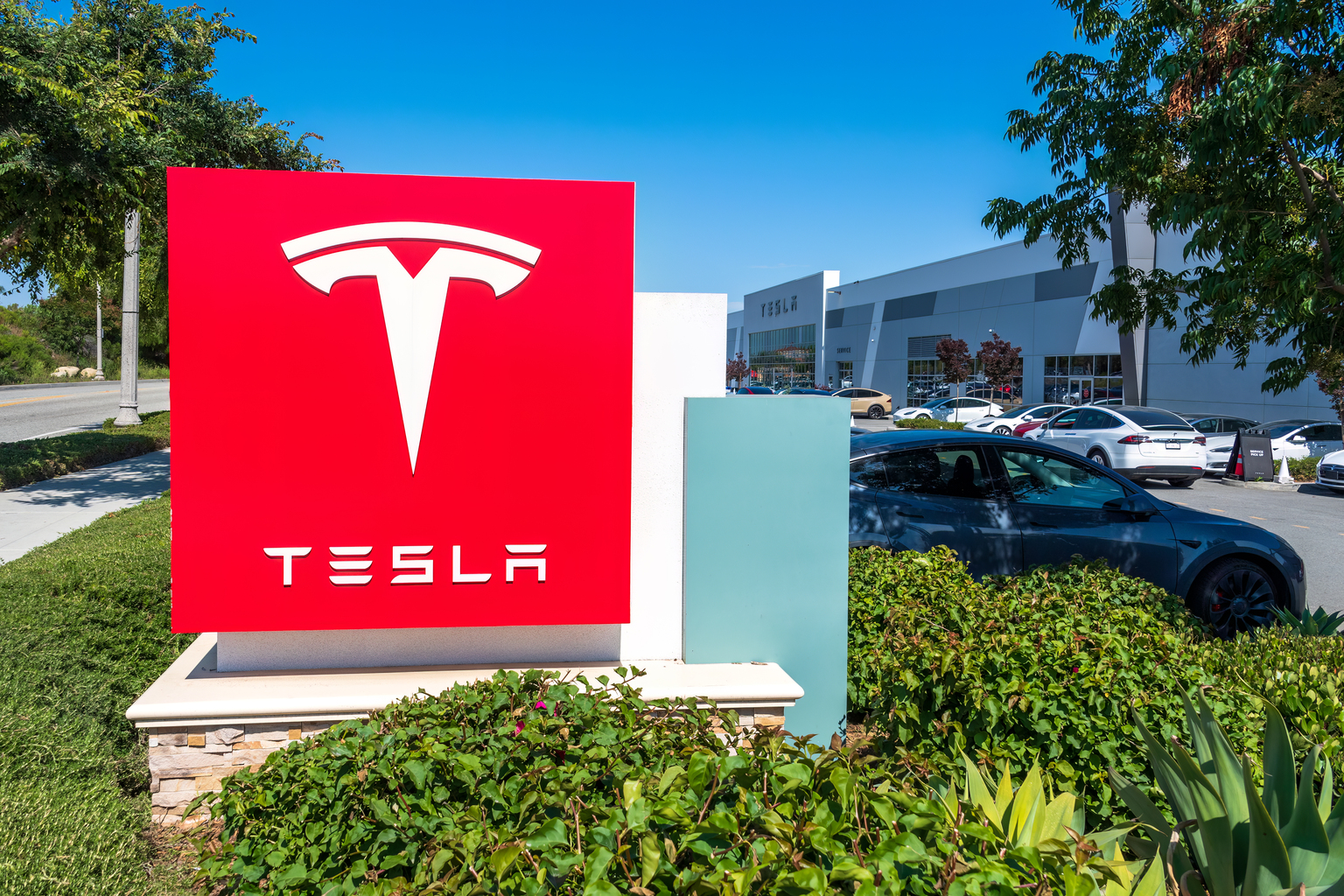
Tesla Q1 Deliveries Fall Short of Expectations

- Delivery Analysis: Tesla delivered 358,023 vehicles in Q1, falling short of the consensus estimate of 365,000, although this represents a 6.2% increase from 336,881 vehicles delivered in Q1 2025, indicating some growth potential amid market challenges.
- Production and Deliveries: During the same quarter, Tesla produced 408,386 vehicles, with Model 3/Y deliveries at 341,893 and other models at 16,130, highlighting sustained demand for core models, but the overall shortfall may impact investor confidence.
- Future Outlook: Analysts project Tesla's deliveries to reach 1.69 million in 2026, 1.88 million in 2027, and 2.13 million in 2028, with expectations of surpassing 3 million vehicles by 2030, which could attract investor interest given the long-term growth outlook.
- Market Reaction: Tesla's shares fell 3.3% in premarket trading and are down over 15% in 2026, reflecting market disappointment with the delivery figures, while its market cap stands at $1.39 trillion, indicating cautious sentiment regarding its future performance.
See More

Tesla Faces Continued Weakness in U.S. Demand as Q1 Approaches
- Declining U.S. Registrations: In Q1 2023, Tesla's U.S. vehicle registrations totaled 119,900, reflecting a 12.5% year-over-year decline, indicating persistent weakness in domestic demand that could adversely affect future delivery performance.
- Weak Delivery Expectations: Wall Street anticipates Tesla will report approximately 365,645 global deliveries in Q1, while independent researcher Troy Teslike projects around 375,000 vehicles, both figures falling short of last year's 336,681 deliveries, highlighting diminishing market confidence in Tesla.
- Sales Continue to Drop: Tesla sold 41,300 vehicles in March, down 7.9% year-over-year, although slightly above February's 38,500 units, marking the sixth consecutive month of year-over-year declines, which underscores ongoing demand challenges in the market.
- Bearish Market Sentiment: According to Stocktwits, retail sentiment for Tesla has remained in the 'bearish' territory over the past week, with investors expressing low expectations for Q1 deliveries, contributing to a 15% decline in TSLA stock year-to-date.
See More

Leasing Market Faces Challenges for EVs

- Leasing Market Risks: A wave of off-lease EVs is expected to return with values approximately $10,000 lower than projected, potentially costing the finance arms up to $8 billion, which could significantly impact overall industry profitability.
- Surge in Supply: By 2028, around 800,000 EVs are projected to hit the used market, leading to oversupply and further price depreciation, which may put additional financial strain on leasing companies.
- Tesla's Market Dominance: Tesla's leasing volume is substantial, with nearly 229,000 EVs leased last year, far exceeding the combined totals of General Motors and Ford, highlighting its strong influence in the industry.
- Financial Management Strategy: Despite industry challenges, Tesla mitigates its financial risk by managing a portion of its lease portfolio through partnerships with third-party lenders, allowing investors to remain cautiously optimistic while monitoring market developments in the coming years.
See More

Tesla Faces Off-Lease EV Depreciation Risks
- Leasing Market Risks: Tesla is expected to see a wave of off-lease EVs flooding the market in the coming years, with industry experts projecting these vehicles to return at values approximately $10,000 lower than anticipated, potentially costing the industry about $8 billion.
- Depreciation Trends: According to Cox Automotive, by 2025, a three-year-old EV will maintain only about 40% of its original value at auction, a significant drop from 90% in early 2022, indicating pressure on the used EV market.
- Tesla's Market Dominance: Tesla dominates the EV leasing market, having leased nearly 229,000 vehicles last year, which is significantly more than the combined total of General Motors and Ford, highlighting its strong industry influence.
- Investor Confidence Reminder: Despite the challenges posed by off-lease EV depreciation, Tesla's finance arm collaborates with third-party lenders, allowing it to mitigate most of the leasing losses, suggesting that investors need not panic just yet.
See More

Futures Drop as March Jobs Report Surprises


- Jobs Report Surprises: The March jobs report revealed significantly stronger job growth than anticipated, leading to increased investor concerns about an overheating economy, which triggered a decline in the futures market and affected overall market sentiment.
- Tesla's Stock Decline: Influenced by the overall market sentiment, Tesla's stock tumbled on Thursday, reflecting investor worries about overvalued tech stocks, which could lead to short-term capital outflows.
- Market Signal Analysis: The robust employment data may raise expectations for Federal Reserve interest rate hikes, prompting investors to monitor potential impacts of future monetary policy changes on the stock market, especially in a high-inflation environment.
- Investor Sentiment Fluctuation: While the strong jobs report bolstered confidence in economic recovery, it also raised concerns about a market correction, potentially leading to increased volatility in the short term.
See More

SpaceX Achieves Rocket Recovery, IPO on the Horizon

- Rocket Recovery Milestone: In October 2024, SpaceX successfully landed a previously launched rocket, marking a historic first that signifies a major breakthrough in aerospace technology, likely attracting increased investor interest in the space sector.
- Massive IPO Potential: SpaceX is projected to reach a valuation of $1.75 trillion, and if it goes public, it would become the largest IPO in market history, expected to have a profound impact on space-related stocks, similar to Tesla's influence on the electric vehicle market.
- Stock Price Surge: Following the news of SpaceX's impending IPO, stocks of companies like AST SpaceMobile, Rocket Lab, and Firefly Aerospace surged by 12%, 11.78%, and nearly 20% respectively, reflecting growing market confidence in the space economy.
- Reduced Launch Costs: SpaceX's reusable rocket technology is set to significantly lower launch costs, with traditional launches costing up to $1.5 billion compared to SpaceX's average of $62 million, and further reductions are anticipated, promoting sustainable growth in the aerospace industry.
See More
Tesla Q1 Deliveries Fall Short of Expectations
- Delivery Analysis: Tesla delivered 358,023 vehicles in Q1, falling short of the consensus estimate of 365,000, although this represents a 6.2% increase from 336,881 vehicles delivered in Q1 2025, indicating some growth potential amid market challenges.
- Production and Deliveries: During the same quarter, Tesla produced 408,386 vehicles, with Model 3/Y deliveries at 341,893 and other models at 16,130, highlighting sustained demand for core models, but the overall shortfall may impact investor confidence.
- Future Outlook: Analysts project Tesla's deliveries to reach 1.69 million in 2026, 1.88 million in 2027, and 2.13 million in 2028, with expectations of surpassing 3 million vehicles by 2030, which could attract investor interest given the long-term growth outlook.
- Market Reaction: Tesla's shares fell 3.3% in premarket trading and are down over 15% in 2026, reflecting market disappointment with the delivery figures, while its market cap stands at $1.39 trillion, indicating cautious sentiment regarding its future performance.
See More
Tesla Faces Continued Weakness in U.S. Demand as Q1 Approaches
- Declining U.S. Registrations: In Q1 2023, Tesla's U.S. vehicle registrations totaled 119,900, reflecting a 12.5% year-over-year decline, indicating persistent weakness in domestic demand that could adversely affect future delivery performance.
- Weak Delivery Expectations: Wall Street anticipates Tesla will report approximately 365,645 global deliveries in Q1, while independent researcher Troy Teslike projects around 375,000 vehicles, both figures falling short of last year's 336,681 deliveries, highlighting diminishing market confidence in Tesla.
- Sales Continue to Drop: Tesla sold 41,300 vehicles in March, down 7.9% year-over-year, although slightly above February's 38,500 units, marking the sixth consecutive month of year-over-year declines, which underscores ongoing demand challenges in the market.
- Bearish Market Sentiment: According to Stocktwits, retail sentiment for Tesla has remained in the 'bearish' territory over the past week, with investors expressing low expectations for Q1 deliveries, contributing to a 15% decline in TSLA stock year-to-date.
See More
Leasing Market Faces Challenges for EVs
- Leasing Market Risks: A wave of off-lease EVs is expected to return with values approximately $10,000 lower than projected, potentially costing the finance arms up to $8 billion, which could significantly impact overall industry profitability.
- Surge in Supply: By 2028, around 800,000 EVs are projected to hit the used market, leading to oversupply and further price depreciation, which may put additional financial strain on leasing companies.
- Tesla's Market Dominance: Tesla's leasing volume is substantial, with nearly 229,000 EVs leased last year, far exceeding the combined totals of General Motors and Ford, highlighting its strong influence in the industry.
- Financial Management Strategy: Despite industry challenges, Tesla mitigates its financial risk by managing a portion of its lease portfolio through partnerships with third-party lenders, allowing investors to remain cautiously optimistic while monitoring market developments in the coming years.
See More
Tesla Faces Off-Lease EV Depreciation Risks
- Leasing Market Risks: Tesla is expected to see a wave of off-lease EVs flooding the market in the coming years, with industry experts projecting these vehicles to return at values approximately $10,000 lower than anticipated, potentially costing the industry about $8 billion.
- Depreciation Trends: According to Cox Automotive, by 2025, a three-year-old EV will maintain only about 40% of its original value at auction, a significant drop from 90% in early 2022, indicating pressure on the used EV market.
- Tesla's Market Dominance: Tesla dominates the EV leasing market, having leased nearly 229,000 vehicles last year, which is significantly more than the combined total of General Motors and Ford, highlighting its strong industry influence.
- Investor Confidence Reminder: Despite the challenges posed by off-lease EV depreciation, Tesla's finance arm collaborates with third-party lenders, allowing it to mitigate most of the leasing losses, suggesting that investors need not panic just yet.
See More
Futures Drop as March Jobs Report Surprises
- Jobs Report Surprises: The March jobs report revealed significantly stronger job growth than anticipated, leading to increased investor concerns about an overheating economy, which triggered a decline in the futures market and affected overall market sentiment.
- Tesla's Stock Decline: Influenced by the overall market sentiment, Tesla's stock tumbled on Thursday, reflecting investor worries about overvalued tech stocks, which could lead to short-term capital outflows.
- Market Signal Analysis: The robust employment data may raise expectations for Federal Reserve interest rate hikes, prompting investors to monitor potential impacts of future monetary policy changes on the stock market, especially in a high-inflation environment.
- Investor Sentiment Fluctuation: While the strong jobs report bolstered confidence in economic recovery, it also raised concerns about a market correction, potentially leading to increased volatility in the short term.
See More
SpaceX Achieves Rocket Recovery, IPO on the Horizon
- Rocket Recovery Milestone: In October 2024, SpaceX successfully landed a previously launched rocket, marking a historic first that signifies a major breakthrough in aerospace technology, likely attracting increased investor interest in the space sector.
- Massive IPO Potential: SpaceX is projected to reach a valuation of $1.75 trillion, and if it goes public, it would become the largest IPO in market history, expected to have a profound impact on space-related stocks, similar to Tesla's influence on the electric vehicle market.
- Stock Price Surge: Following the news of SpaceX's impending IPO, stocks of companies like AST SpaceMobile, Rocket Lab, and Firefly Aerospace surged by 12%, 11.78%, and nearly 20% respectively, reflecting growing market confidence in the space economy.
- Reduced Launch Costs: SpaceX's reusable rocket technology is set to significantly lower launch costs, with traditional launches costing up to $1.5 billion compared to SpaceX's average of $62 million, and further reductions are anticipated, promoting sustainable growth in the aerospace industry.
See More