Tesla Analyst Turns Bearish, Sets $150 Price Target
Written by Emily J. Thompson, Senior Investment Analyst
Updated: Mar 23 2026
0mins

Should l Buy TSLA?
Source: Yahoo Finance
- Sell Recommendation Issued: Analyst Trip Chowdhry has issued a sell recommendation for Tesla, setting a price target of $150 for 2026, warning that the electric vehicle maker's AI narrative has collapsed, reflecting strong pessimism about the company's future prospects.
- Stock Price Decline: Tesla shares closed at $367.96 on Friday, marking an 18% decline year-to-date, a trend that may exacerbate investor concerns, especially against the backdrop of increasing skepticism about the company's valuation.
- Delivery Estimates Cut: UBS analyst Joseph Spak has lowered Q1 2026 delivery estimates to 345,000 vehicles, an 18% drop from Q4 2025's 421,000, indicating a weakening market confidence in Tesla's future demand.
- Growing Analyst Disagreement: The gap between bearish analysts like Chowdhry at $150 and bullish ones like Wedbush at $600 highlights unprecedented disagreement, with Tesla's ability to demonstrate measurable AI revenue and autonomous vehicle progress being critical to determining its stock price direction.
Trade with 70% Backtested Accuracy
Stop guessing "Should I Buy TSLA?" and start using high-conviction signals backed by rigorous historical data.
Sign up today to access powerful investing tools and make smarter, data-driven decisions.
Analyst Views on TSLA
Wall Street analysts forecast TSLA stock price to fall
30 Analyst Rating
12 Buy
11 Hold
7 Sell
Hold
Current: 411.790

Low
25.28
Averages
401.93
High
600.00
Current: 411.790
Low
25.28
Averages
401.93
High
600.00
About TSLA
Tesla, Inc. designs, develops, manufactures, sells and leases high-performance fully electric vehicles and energy generation and storage systems, and offers services related to its products. Its segments include automotive, and energy generation and storage. The automotive segment includes the design, development, manufacturing, sales and leasing of high-performance fully electric vehicles, and sales of automotive regulatory credits. It also includes sales of used vehicles, non-warranty maintenance services and collisions, part sales, paid supercharging, insurance services revenue and retail merchandise sales. The energy generation and storage segment include the design, manufacture, installation, sales and leasing of solar energy generation and energy storage products and related services and sales of solar energy systems incentives. Its consumer vehicles include the Model 3, Y, S, X and Cybertruck. Its lithium-ion battery energy storage products include Powerwall and Megapack.
About the author

Emily J. Thompson
Emily J. Thompson, a Chartered Financial Analyst (CFA) with 12 years in investment research, graduated with honors from the Wharton School. Specializing in industrial and technology stocks, she provides in-depth analysis for Intellectia’s earnings and market brief reports.
Trump and Xi Prepare for Crucial Talks Amid Trade Tensions

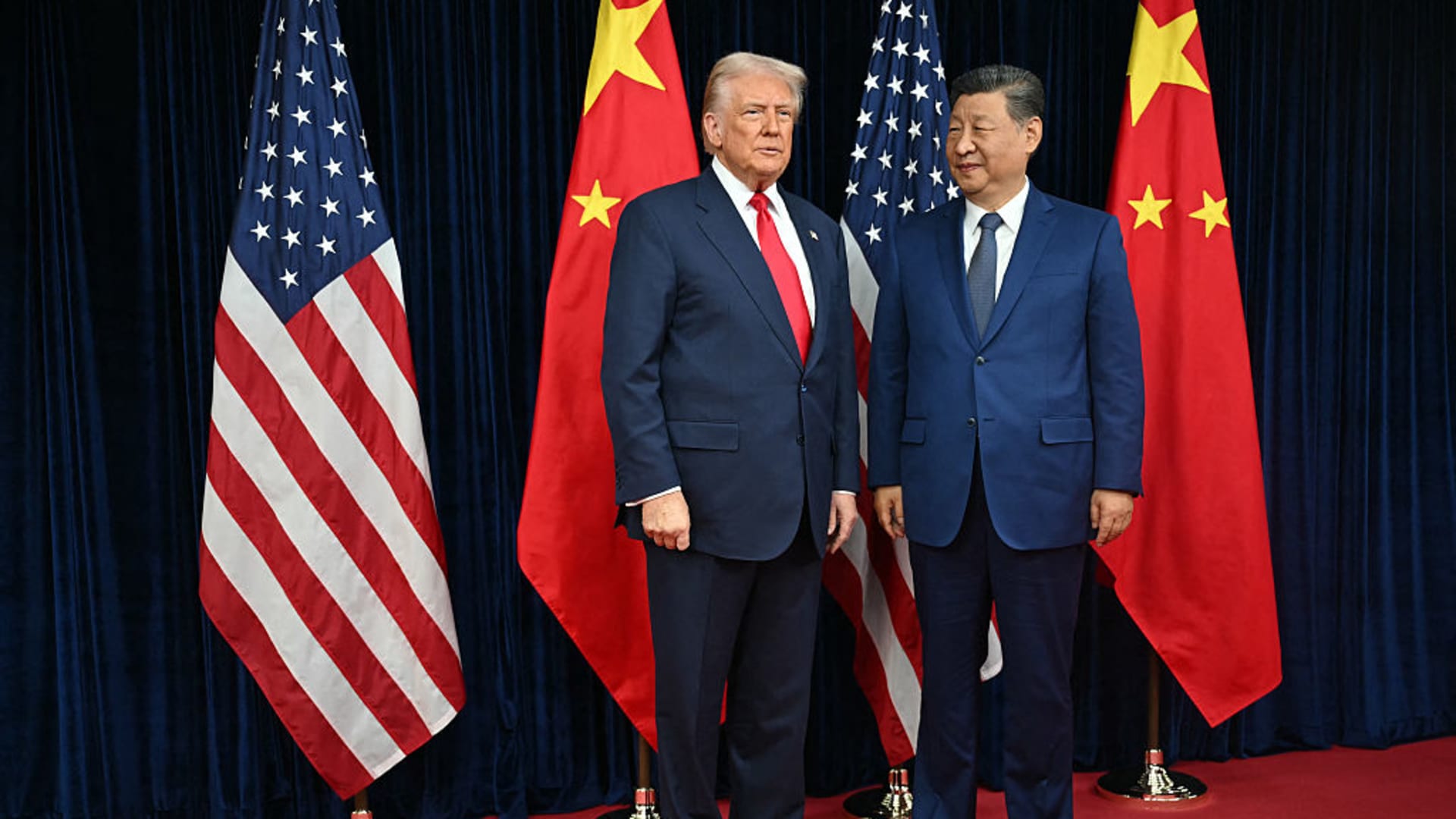
- Potential Trade Truce: The upcoming meeting between Trump and Xi will address a wide range of issues including trade, technology, and Taiwan, with both leaders aiming to reach an agreement that could ease tensions and have significant implications for the global economy.
- Rare Earth Export Controls: China's suspension of rare earth and related magnets exports disrupts global automotive supply chains, potentially leading to economic repercussions across Europe, Japan, and South Korea, highlighting the complexities of U.S.-China relations.
- Taiwan as a Focus: The Taiwan issue is viewed as the biggest risk in bilateral relations, and any concessions from Trump could embolden China to adopt a more aggressive stance, thereby affecting regional stability.
- Global Market Implications: The outcomes of this summit will impact global trade and geopolitics, particularly threatening market shares in Japan and the EU, reflecting the international community's keen interest in U.S.-China relations.
See More

Tesla Faces Sales Decline in China Amid Strong Exports
- Sales Decline: Tesla sold 25,956 vehicles in China in April, down 10% year-over-year, marking the second consecutive month of retail sales declines, indicating pressure in a highly competitive market.
- Market Share Drop: Tesla's share of China's new-energy vehicle market fell to 3%, the lowest since November 2025, reflecting strong challenges from domestic competitors, particularly the rapid rise of BYD and other local brands.
- Strong Export Performance: Despite weak domestic sales, Tesla's Shanghai factory exported over 53,000 vehicles in April, contributing to nearly 79,500 total wholesale deliveries, showcasing its robust production capacity and export potential in international markets.
- Increased Recall Pressure: Tesla recently recalled over 200,000 vehicles due to Cybertruck and software issues, and while the company promises free replacements for affected parts, this may further impact consumer confidence and market performance.
See More
Tesla's Q1 2026 Earnings Show Strong Recovery

- Significant Revenue Growth: Tesla reported $16.2 billion in revenue for Q1 2026, marking a 16% year-over-year increase, breaking the trend of declining revenue and showcasing the company's recovery potential, which boosts investor confidence.
- Improved Profitability: The company's earnings per share (EPS) grew by 8% year-over-year, with net income rising 17%, and a net profit margin steady at over 4%, significantly higher than General Motors' 1.43%, indicating Tesla's competitive edge in profitability.
- Strong Debt Management: Tesla's total debt-to-equity ratio stands at 0.19, reflecting a solid financial position in the capital-intensive auto manufacturing industry, providing a strong foundation for future expansion and investment.
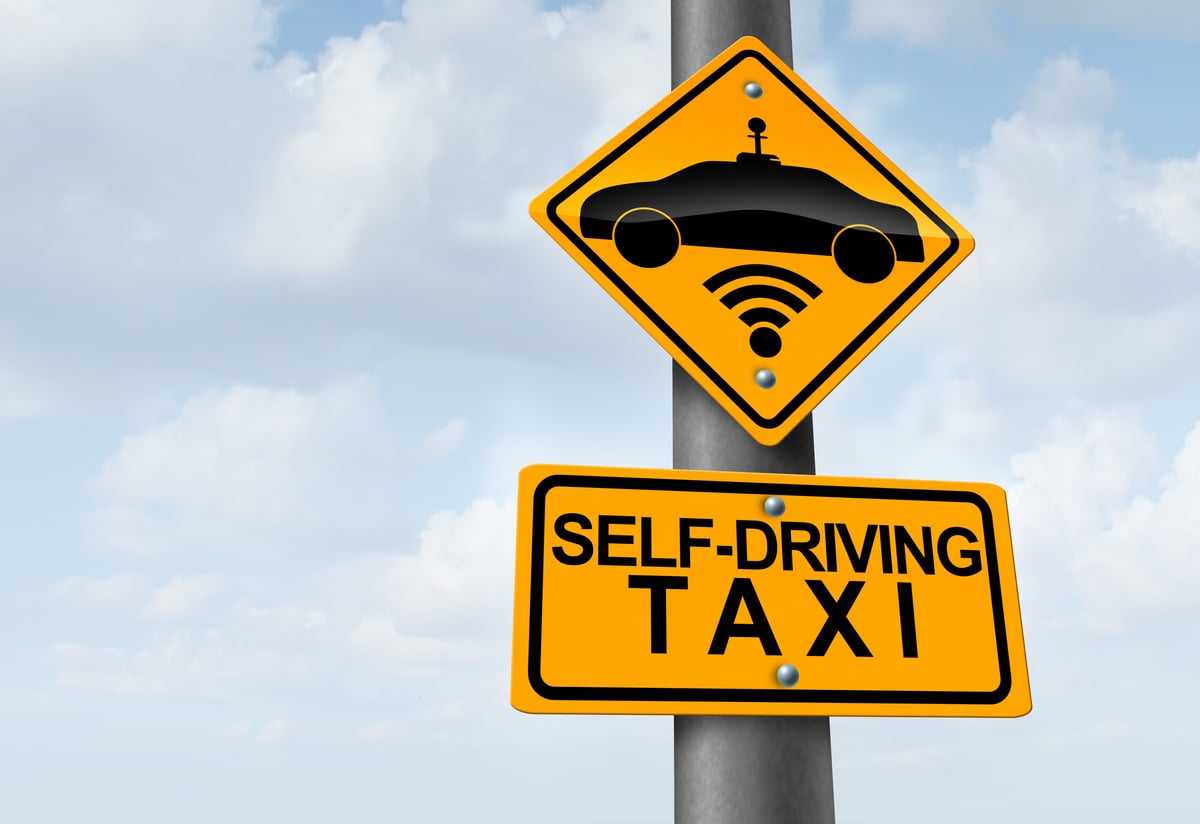
- Robotaxi Program Delays: Although Tesla's Robotaxi initiative faces delays, with plans to roll out in “a dozen or so states” by the end of 2026, this strategy still underscores Tesla's long-term vision and market potential in the autonomous driving sector.
See More

Tesla's Robotaxi Rollout Slower Than Expected
- Robotaxi Rollout Plan: Tesla's Robotaxi initiative is progressing gradually, with a revised target to launch in 'a dozen or so states' by the end of 2026, reflecting the company's cautious approach to safety and injury prevention.
- Financial Recovery: In Q1 2026, Tesla reported revenue of $16.2 billion, a 16% increase year-over-year, breaking a trend of declining revenue and indicating a significant improvement in the company's fundamentals, boosting investor confidence.
- Strong Profitability: Tesla's earnings per share grew by 8% year-over-year, with net income increasing by 17%, and a net profit margin of over 4%, which is substantially higher than General Motors' 1.43%, showcasing its competitive edge in the electric vehicle market.
- Good Debt Management: Tesla's total debt-to-equity ratio stands at 0.19, indicating a healthy financial status in a capital-intensive industry, which enhances investor confidence in its long-term growth prospects.
See More
Trump Faces Pressure from Auto Industry on China Market Access
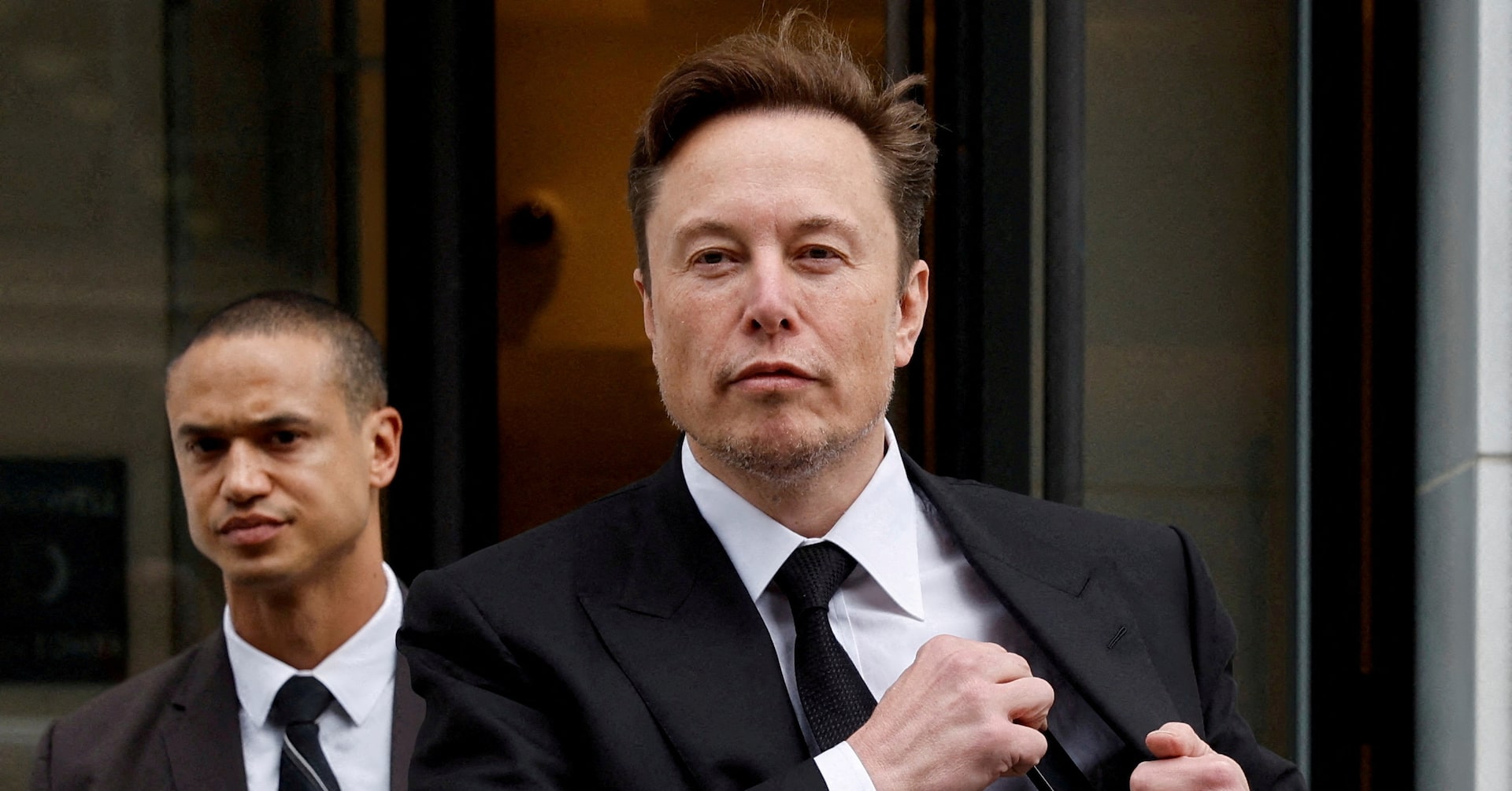
- Industry Unity Against China: The U.S. auto industry has shown unprecedented unity in opposing Chinese vehicles, with 74 House Democrats and 52 Republicans signing letters warning Trump that allowing Chinese cars would threaten national security and competitiveness.
- Legislative Push: Michigan Democratic Senator Elissa Slotkin and Republican Senator Bernie Moreno are promoting the Connected Vehicle Security Act, which aims to explicitly ban Chinese vehicles from the U.S. market, with broad congressional support expected to attach it to a transportation spending bill.
- Market Share Crisis: With the average vehicle price in the U.S. exceeding $51,000, the industry fears that low-priced Chinese cars will further erode domestic manufacturers' market share, as Chinese brands doubled their share in Europe to 6% last year.
- Impact of Government Support: Industry experts highlight that the low pricing strategies of Chinese automakers are backed by state support, putting immense pressure on U.S. manufacturers, especially as Chinese brands now account for about 15% of the Mexican market at prices significantly lower than in the U.S.
See More

Analysis of Tesla and Rivian's Q1 Earnings Reports

- Tesla Revenue Growth: Tesla's Q1 revenue rose 16% year-over-year to $22.4 billion, marking a rebound after its first annual revenue decline, although deliveries only increased by 6%, indicating potential demand issues.
- Significant Capital Expenditure Increase: Tesla now expects capital expenditures to exceed $25 billion in 2026, up from a previous guidance of $20 billion, indicating the company is in a major investment phase that could impact future cash flow.
- Rivian's Weak Revenue Growth: Rivian's Q1 revenue grew 11% year-over-year to $1.38 billion, and despite a 20% increase in deliveries, its adjusted EBITDA remained negative at $472 million, highlighting challenges in profitability.
- Challenges with R2 Launch: Rivian's new R2 SUV starts at $57,990, significantly higher than the previously advertised $45,000, with a more affordable version not expected until 2027, which may affect consumer purchasing decisions.
See More
Trump and Xi Prepare for Crucial Talks Amid Trade Tensions
- Potential Trade Truce: The upcoming meeting between Trump and Xi will address a wide range of issues including trade, technology, and Taiwan, with both leaders aiming to reach an agreement that could ease tensions and have significant implications for the global economy.
- Rare Earth Export Controls: China's suspension of rare earth and related magnets exports disrupts global automotive supply chains, potentially leading to economic repercussions across Europe, Japan, and South Korea, highlighting the complexities of U.S.-China relations.
- Taiwan as a Focus: The Taiwan issue is viewed as the biggest risk in bilateral relations, and any concessions from Trump could embolden China to adopt a more aggressive stance, thereby affecting regional stability.
- Global Market Implications: The outcomes of this summit will impact global trade and geopolitics, particularly threatening market shares in Japan and the EU, reflecting the international community's keen interest in U.S.-China relations.
See More
Tesla Faces Sales Decline in China Amid Strong Exports
- Sales Decline: Tesla sold 25,956 vehicles in China in April, down 10% year-over-year, marking the second consecutive month of retail sales declines, indicating pressure in a highly competitive market.
- Market Share Drop: Tesla's share of China's new-energy vehicle market fell to 3%, the lowest since November 2025, reflecting strong challenges from domestic competitors, particularly the rapid rise of BYD and other local brands.
- Strong Export Performance: Despite weak domestic sales, Tesla's Shanghai factory exported over 53,000 vehicles in April, contributing to nearly 79,500 total wholesale deliveries, showcasing its robust production capacity and export potential in international markets.
- Increased Recall Pressure: Tesla recently recalled over 200,000 vehicles due to Cybertruck and software issues, and while the company promises free replacements for affected parts, this may further impact consumer confidence and market performance.
See More
Tesla's Q1 2026 Earnings Show Strong Recovery
- Significant Revenue Growth: Tesla reported $16.2 billion in revenue for Q1 2026, marking a 16% year-over-year increase, breaking the trend of declining revenue and showcasing the company's recovery potential, which boosts investor confidence.
- Improved Profitability: The company's earnings per share (EPS) grew by 8% year-over-year, with net income rising 17%, and a net profit margin steady at over 4%, significantly higher than General Motors' 1.43%, indicating Tesla's competitive edge in profitability.
- Strong Debt Management: Tesla's total debt-to-equity ratio stands at 0.19, reflecting a solid financial position in the capital-intensive auto manufacturing industry, providing a strong foundation for future expansion and investment.
- Robotaxi Program Delays: Although Tesla's Robotaxi initiative faces delays, with plans to roll out in “a dozen or so states” by the end of 2026, this strategy still underscores Tesla's long-term vision and market potential in the autonomous driving sector.
See More
Tesla's Robotaxi Rollout Slower Than Expected
- Robotaxi Rollout Plan: Tesla's Robotaxi initiative is progressing gradually, with a revised target to launch in 'a dozen or so states' by the end of 2026, reflecting the company's cautious approach to safety and injury prevention.
- Financial Recovery: In Q1 2026, Tesla reported revenue of $16.2 billion, a 16% increase year-over-year, breaking a trend of declining revenue and indicating a significant improvement in the company's fundamentals, boosting investor confidence.
- Strong Profitability: Tesla's earnings per share grew by 8% year-over-year, with net income increasing by 17%, and a net profit margin of over 4%, which is substantially higher than General Motors' 1.43%, showcasing its competitive edge in the electric vehicle market.
- Good Debt Management: Tesla's total debt-to-equity ratio stands at 0.19, indicating a healthy financial status in a capital-intensive industry, which enhances investor confidence in its long-term growth prospects.
See More
Trump Faces Pressure from Auto Industry on China Market Access
- Industry Unity Against China: The U.S. auto industry has shown unprecedented unity in opposing Chinese vehicles, with 74 House Democrats and 52 Republicans signing letters warning Trump that allowing Chinese cars would threaten national security and competitiveness.
- Legislative Push: Michigan Democratic Senator Elissa Slotkin and Republican Senator Bernie Moreno are promoting the Connected Vehicle Security Act, which aims to explicitly ban Chinese vehicles from the U.S. market, with broad congressional support expected to attach it to a transportation spending bill.
- Market Share Crisis: With the average vehicle price in the U.S. exceeding $51,000, the industry fears that low-priced Chinese cars will further erode domestic manufacturers' market share, as Chinese brands doubled their share in Europe to 6% last year.
- Impact of Government Support: Industry experts highlight that the low pricing strategies of Chinese automakers are backed by state support, putting immense pressure on U.S. manufacturers, especially as Chinese brands now account for about 15% of the Mexican market at prices significantly lower than in the U.S.
See More
Analysis of Tesla and Rivian's Q1 Earnings Reports
- Tesla Revenue Growth: Tesla's Q1 revenue rose 16% year-over-year to $22.4 billion, marking a rebound after its first annual revenue decline, although deliveries only increased by 6%, indicating potential demand issues.
- Significant Capital Expenditure Increase: Tesla now expects capital expenditures to exceed $25 billion in 2026, up from a previous guidance of $20 billion, indicating the company is in a major investment phase that could impact future cash flow.
- Rivian's Weak Revenue Growth: Rivian's Q1 revenue grew 11% year-over-year to $1.38 billion, and despite a 20% increase in deliveries, its adjusted EBITDA remained negative at $472 million, highlighting challenges in profitability.
- Challenges with R2 Launch: Rivian's new R2 SUV starts at $57,990, significantly higher than the previously advertised $45,000, with a more affordable version not expected until 2027, which may affect consumer purchasing decisions.
See More