Tech Stocks Surge: Sandisk Up 22%, Micron Jumps 15%
Written by Emily J. Thompson, Senior Investment Analyst
Updated: Mar 13 2026
0mins

Should l Buy MU?
Source: NASDAQ.COM
- Sandisk's Strong Surge: Sandisk's stock rose 22% this week, marking a 182% increase year-to-date and a staggering 1,230% over the past year, driven by reports of NAND flash drives being sold out for 2026, indicating robust demand and potential price increases in the memory market.
- Ciena's Earnings Beat: Ciena's stock jumped 15.5% this week, with a 45% year-to-date increase and a 412% rise over the past year, as its fiscal Q1 revenue grew by 33% and adjusted earnings soared 111% year-over-year, prompting an upward revision of its full-year guidance, showcasing its strong position in telecommunications and cloud computing.
- Micron's Recovery: Micron's stock increased by 15% this week, with a 49% rise year-to-date and a 345% increase over the past year, benefiting from high demand and low supply for DRAM chips, as analysts raised their price targets, reflecting optimism about its future performance.
- Market Volatility: Despite the strong performance of tech stocks, the S&P 500 index fell about 0.5% this week, highlighting concerns over the ongoing war in Iran and inflation data, with economic growth falling short of expectations, indicating ongoing uncertainty in the broader market.
Trade with 70% Backtested Accuracy
Stop guessing "Should I Buy MU?" and start using high-conviction signals backed by rigorous historical data.
Sign up today to access powerful investing tools and make smarter, data-driven decisions.
Analyst Views on MU
Wall Street analysts forecast MU stock price to fall
26 Analyst Rating
24 Buy
2 Hold
0 Sell
Strong Buy
Current: 481.720

Low
235.00
Averages
336.12
High
500.00
Current: 481.720
Low
235.00
Averages
336.12
High
500.00
About MU
Micron Technology, Inc. provides memory and storage solutions. The Company delivers a portfolio of high-performance dynamic random-access memory (DRAM), NAND, and NOR memory and storage products through its Micron and Crucial brands. The Company's products enable advancing in artificial intelligence (AI) and compute-intensive applications. Its segments include Cloud Memory Business Unit (CMBU), Core Data Center Business Unit (CDBU), Mobile and Client Business Unit (MCBU) and Automotive and Embedded Business Unit (AEBU). CMBU is focused on memory solutions for large hyperscale cloud customers, and high bandwidth memory (HBM) for all data center customers. CDBU is focused on memory solutions for mid-tier cloud, enterprise, and OEM data center customers and storage solutions for all data center customers. MCBU is focused on memory and storage solutions for mobile and client segments. AEBU is focused on memory and storage solutions for the automotive, industrial, and consumer segments.
About the author

Emily J. Thompson
Emily J. Thompson, a Chartered Financial Analyst (CFA) with 12 years in investment research, graduated with honors from the Wharton School. Specializing in industrial and technology stocks, she provides in-depth analysis for Intellectia’s earnings and market brief reports.
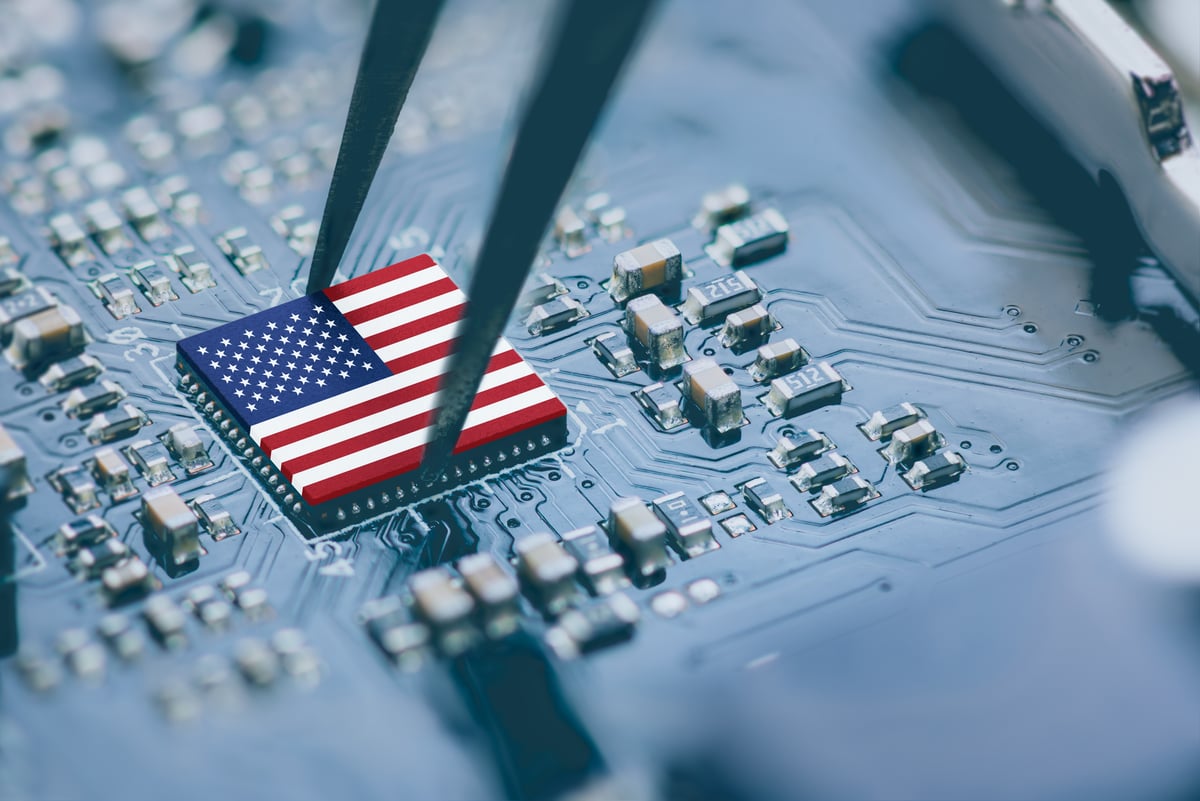
Micron Technology's Strong Growth in Memory Market

- Surging Memory Demand: The rapid advancement of artificial intelligence is driving a significant increase in memory chip demand, with a projected shortage lasting until 2030, which is boosting Micron Technology's market share and pricing power.
- Outstanding Financial Performance: In Q2 of fiscal 2026, Micron reported revenue of $23.9 billion, a 196% year-over-year increase, with a net profit margin of 41.5%, showcasing its strong profitability in the memory market.
- Optimistic Future Outlook: Micron projects Q3 2026 revenue to reach $33.5 billion, representing a 260% increase from $9.3 billion in Q3 2025, indicating the company's ongoing growth potential in the memory sector.
- Strategic Investment Initiatives: The new $100 billion factory being built in New York will become the largest semiconductor manufacturing facility in the U.S., further enhancing Micron's competitiveness in the memory market and preparing for future technological demands.
See More

Micron Technology's Dominance in the Memory Market
- Surging Memory Demand: As artificial intelligence technology rapidly evolves, the demand for memory has surged, with Micron Technology, one of the three major memory manufacturers, actively meeting market needs, and the memory shortage is expected to persist until 2030, further driving the company's performance growth.
- Outstanding Financial Performance: In the second quarter of fiscal 2026, Micron reported revenue of $23.9 billion, a 196% year-over-year increase, and a 75% increase from the first quarter, demonstrating the company's strong growth momentum in the memory market and reflecting its competitive advantage in the industry.
- Expansion Investment Plans: Micron has announced the construction of a $100 billion factory in New York, which will become the largest semiconductor manufacturing facility in the United States, aimed at enhancing production capacity to meet the growing memory demand and further solidifying its market position.
- Undervalued PEG Ratio: With a PEG ratio of 0.46, significantly below 1, Micron's stock is undervalued relative to its expected earnings growth, and combined with a net profit margin of 41.5%, this indicates substantial future growth potential, making it a stock worth investors' attention for long-term value.
See More
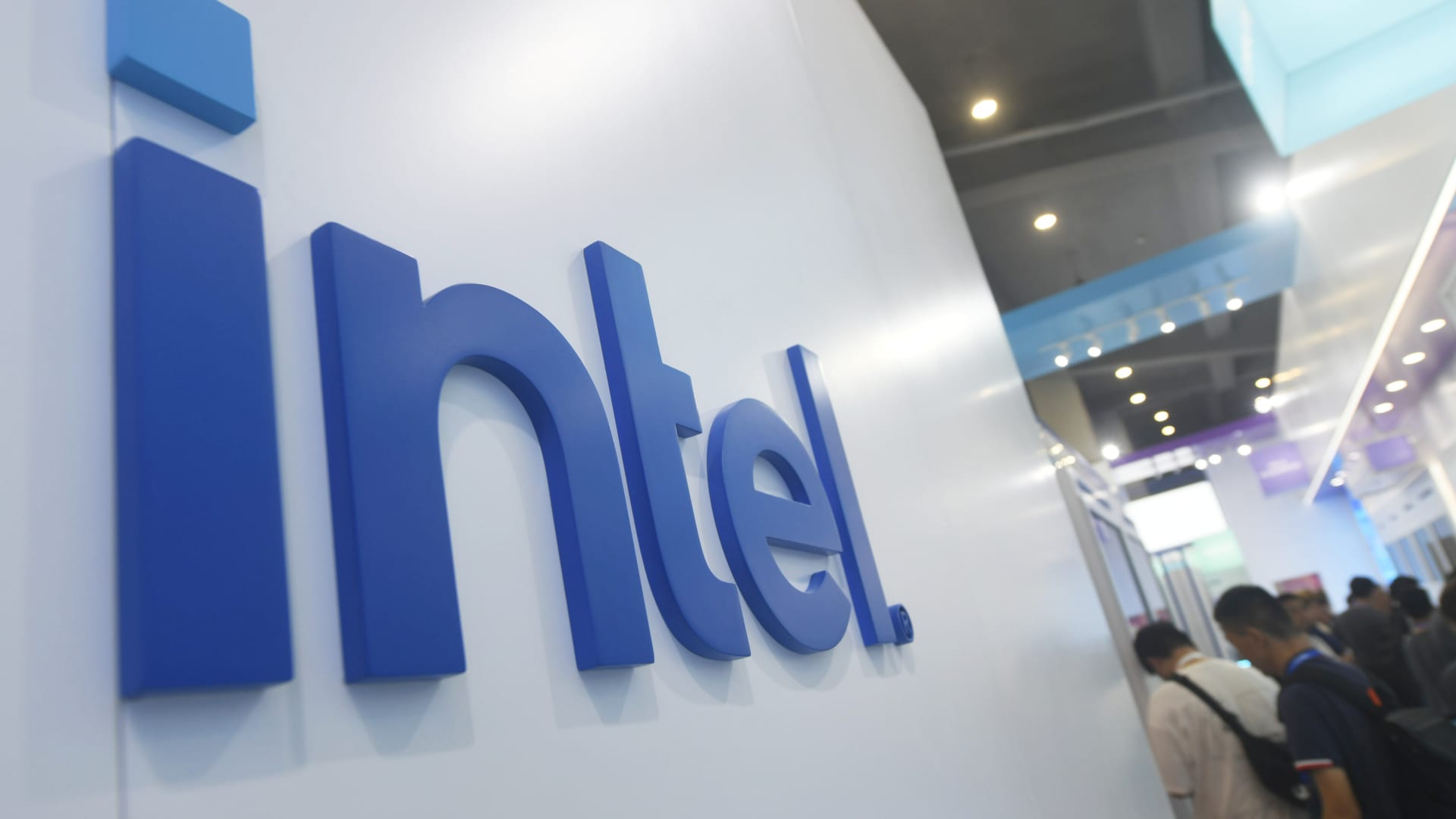
Intel's Earnings Beat Expectations, Shares Surge Nearly 27%


- Intel's Strong Earnings: Intel reported adjusted earnings of $0.29 per share and revenue of $13.58 billion for Q1, both surpassing analyst expectations, leading to a nearly 27% surge in shares, indicating a robust recovery potential in the chip market.
- Procter & Gamble's Positive Results: Procter & Gamble achieved an adjusted earnings of $1.63 per share and revenue of $21.24 billion for Q3, exceeding market expectations, resulting in a more than 3% increase in stock price, reflecting sustained consumer demand.
- AMD Stock Rebound: Following Intel's earnings boost, AMD shares surged nearly 12%, as investor confidence in the AI sector was renewed, suggesting an optimistic sentiment towards the semiconductor industry.
- SLM Raises Earnings Guidance: SLM reported Q1 earnings of $1.54 per share, an increase from the previous year, and raised its full-year earnings guidance to between $3.10 and $3.20 per share, indicating strong growth potential in the student loan market.
See More

Middle East Crisis Reshapes AI Chip Supply Chain


- Supply Chain Crisis Intensifies: Iranian strikes on Qatar's Ras Laffan Industrial City have damaged LNG production infrastructure, leading to helium supply disruptions and causing spot prices to double within weeks, exacerbating an already strained semiconductor manufacturing supply chain and impacting AI chip production capabilities.
- Significant Market Impact: Samsung and SK Hynix, which produce about two-thirds of the world's memory chips, rely on helium sourced from Qatar, and production target disruptions will directly affect the supply chains of U.S.-listed companies like Nvidia and Microsoft, potentially delaying their AI product deliveries.
- Long-Term Damage Risks: The New York Times reported that the war in Iran has caused damage to helium production infrastructure that could take years to restore, meaning that even if a ceasefire is reached, the Ras Laffan facilities will not come back online immediately, creating long-term uncertainty for investors.
- Vulnerability of Taiwan Semiconductors: Taiwan Semiconductor Manufacturing Company, which manufactures Nvidia's most advanced AI chips, imports 97.7% of its energy, and if helium and energy constraints persist for six months, Taiwan's industrial production could fall by 0.7%, highlighting its fragility in the global supply chain.
See More

Impact of Iran War on Chip Supply Chains
- Helium Supply Crisis: The Iran war has damaged helium production infrastructure at Qatar's Ras Laffan Industrial City, forcing QatarEnergy to declare force majeure and halt operations, resulting in helium spot prices doubling in the following weeks, which directly impacts the cost and supply of global semiconductor manufacturing.
- Pressure on Chipmakers: Samsung and SK Hynix, which produce two-thirds of the world's memory chips, are heavily reliant on helium, and disruptions in helium supply have led to rising industrial electricity prices in South Korea, affecting companies like Nvidia and Microsoft that depend on high-bandwidth memory.
- Micron Technology Risks: Micron's production processes are also helium-dependent, and if global supply tightens, its domestic production cannot provide adequate insulation; Morningstar warns that if the helium issues in Qatar persist through summer, Micron's margins could compress significantly.
- TSMC Vulnerability: Taiwan Semiconductor Manufacturing, which produces Nvidia's most advanced AI chips, imports 97.7% of its energy, and if helium and energy constraints last for six months, its industrial production could fall by 0.7%, highlighting its vulnerability in the supply chain.
See More
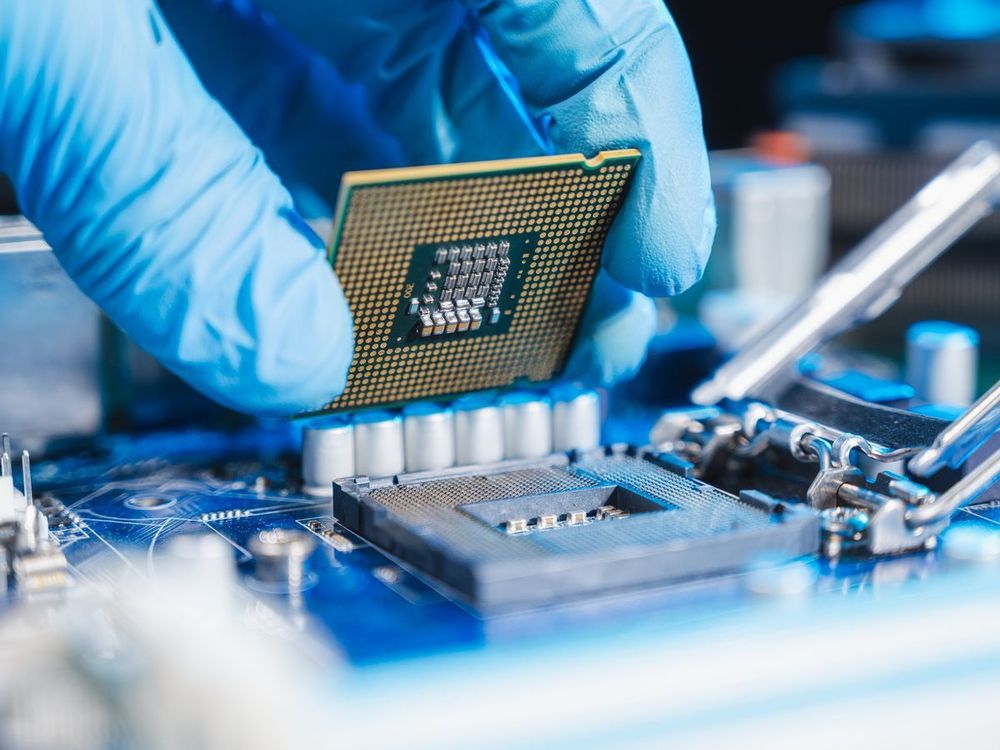
Semiconductor Stocks Surge on AI Demand

- AMD Stock Surge: AMD shares rose over 1% due to surging demand for AI chips, reaching an intraday high of $310.22, and are on track for a seventh consecutive week of gains, indicating strong market confidence in its growth prospects.
- MRVL's Continuous Rise: Marvell Technology's stock increased for five straight sessions, climbing over 5% to $167.86 on Thursday, benefiting from deals with top hyperscalers, showcasing its strong outlook in the AI sector.
- MU Demand Spike: Micron Technology's stock surged due to increased demand for high-bandwidth memory products, with Q2 revenue hitting $23.86 billion, nearly tripling analyst expectations, although retail sentiment has dipped, the market remains optimistic about its future.
- Optimistic Market Sentiment: The stocks of all three companies have surged over 237%, 207%, and 560% in the past year, reflecting strong investor confidence in the semiconductor industry, particularly amid rising AI and data center spending.
See More
Micron Technology's Strong Growth in Memory Market
- Surging Memory Demand: The rapid advancement of artificial intelligence is driving a significant increase in memory chip demand, with a projected shortage lasting until 2030, which is boosting Micron Technology's market share and pricing power.
- Outstanding Financial Performance: In Q2 of fiscal 2026, Micron reported revenue of $23.9 billion, a 196% year-over-year increase, with a net profit margin of 41.5%, showcasing its strong profitability in the memory market.
- Optimistic Future Outlook: Micron projects Q3 2026 revenue to reach $33.5 billion, representing a 260% increase from $9.3 billion in Q3 2025, indicating the company's ongoing growth potential in the memory sector.
- Strategic Investment Initiatives: The new $100 billion factory being built in New York will become the largest semiconductor manufacturing facility in the U.S., further enhancing Micron's competitiveness in the memory market and preparing for future technological demands.
See More
Micron Technology's Dominance in the Memory Market
- Surging Memory Demand: As artificial intelligence technology rapidly evolves, the demand for memory has surged, with Micron Technology, one of the three major memory manufacturers, actively meeting market needs, and the memory shortage is expected to persist until 2030, further driving the company's performance growth.
- Outstanding Financial Performance: In the second quarter of fiscal 2026, Micron reported revenue of $23.9 billion, a 196% year-over-year increase, and a 75% increase from the first quarter, demonstrating the company's strong growth momentum in the memory market and reflecting its competitive advantage in the industry.
- Expansion Investment Plans: Micron has announced the construction of a $100 billion factory in New York, which will become the largest semiconductor manufacturing facility in the United States, aimed at enhancing production capacity to meet the growing memory demand and further solidifying its market position.
- Undervalued PEG Ratio: With a PEG ratio of 0.46, significantly below 1, Micron's stock is undervalued relative to its expected earnings growth, and combined with a net profit margin of 41.5%, this indicates substantial future growth potential, making it a stock worth investors' attention for long-term value.
See More
Intel's Earnings Beat Expectations, Shares Surge Nearly 27%
- Intel's Strong Earnings: Intel reported adjusted earnings of $0.29 per share and revenue of $13.58 billion for Q1, both surpassing analyst expectations, leading to a nearly 27% surge in shares, indicating a robust recovery potential in the chip market.
- Procter & Gamble's Positive Results: Procter & Gamble achieved an adjusted earnings of $1.63 per share and revenue of $21.24 billion for Q3, exceeding market expectations, resulting in a more than 3% increase in stock price, reflecting sustained consumer demand.
- AMD Stock Rebound: Following Intel's earnings boost, AMD shares surged nearly 12%, as investor confidence in the AI sector was renewed, suggesting an optimistic sentiment towards the semiconductor industry.
- SLM Raises Earnings Guidance: SLM reported Q1 earnings of $1.54 per share, an increase from the previous year, and raised its full-year earnings guidance to between $3.10 and $3.20 per share, indicating strong growth potential in the student loan market.
See More
Middle East Crisis Reshapes AI Chip Supply Chain
- Supply Chain Crisis Intensifies: Iranian strikes on Qatar's Ras Laffan Industrial City have damaged LNG production infrastructure, leading to helium supply disruptions and causing spot prices to double within weeks, exacerbating an already strained semiconductor manufacturing supply chain and impacting AI chip production capabilities.
- Significant Market Impact: Samsung and SK Hynix, which produce about two-thirds of the world's memory chips, rely on helium sourced from Qatar, and production target disruptions will directly affect the supply chains of U.S.-listed companies like Nvidia and Microsoft, potentially delaying their AI product deliveries.
- Long-Term Damage Risks: The New York Times reported that the war in Iran has caused damage to helium production infrastructure that could take years to restore, meaning that even if a ceasefire is reached, the Ras Laffan facilities will not come back online immediately, creating long-term uncertainty for investors.
- Vulnerability of Taiwan Semiconductors: Taiwan Semiconductor Manufacturing Company, which manufactures Nvidia's most advanced AI chips, imports 97.7% of its energy, and if helium and energy constraints persist for six months, Taiwan's industrial production could fall by 0.7%, highlighting its fragility in the global supply chain.
See More
Impact of Iran War on Chip Supply Chains
- Helium Supply Crisis: The Iran war has damaged helium production infrastructure at Qatar's Ras Laffan Industrial City, forcing QatarEnergy to declare force majeure and halt operations, resulting in helium spot prices doubling in the following weeks, which directly impacts the cost and supply of global semiconductor manufacturing.
- Pressure on Chipmakers: Samsung and SK Hynix, which produce two-thirds of the world's memory chips, are heavily reliant on helium, and disruptions in helium supply have led to rising industrial electricity prices in South Korea, affecting companies like Nvidia and Microsoft that depend on high-bandwidth memory.
- Micron Technology Risks: Micron's production processes are also helium-dependent, and if global supply tightens, its domestic production cannot provide adequate insulation; Morningstar warns that if the helium issues in Qatar persist through summer, Micron's margins could compress significantly.
- TSMC Vulnerability: Taiwan Semiconductor Manufacturing, which produces Nvidia's most advanced AI chips, imports 97.7% of its energy, and if helium and energy constraints last for six months, its industrial production could fall by 0.7%, highlighting its vulnerability in the supply chain.
See More
Semiconductor Stocks Surge on AI Demand
- AMD Stock Surge: AMD shares rose over 1% due to surging demand for AI chips, reaching an intraday high of $310.22, and are on track for a seventh consecutive week of gains, indicating strong market confidence in its growth prospects.
- MRVL's Continuous Rise: Marvell Technology's stock increased for five straight sessions, climbing over 5% to $167.86 on Thursday, benefiting from deals with top hyperscalers, showcasing its strong outlook in the AI sector.
- MU Demand Spike: Micron Technology's stock surged due to increased demand for high-bandwidth memory products, with Q2 revenue hitting $23.86 billion, nearly tripling analyst expectations, although retail sentiment has dipped, the market remains optimistic about its future.
- Optimistic Market Sentiment: The stocks of all three companies have surged over 237%, 207%, and 560% in the past year, reflecting strong investor confidence in the semiconductor industry, particularly amid rising AI and data center spending.
See More