

Tech Stocks Decline Due to AI Concerns; European Markets Could Offer Greater Stability.


- Investor Concerns: Investors are worried about a weakening dollar, prompting them to diversify their portfolios away from the U.S. market.
- Shift to Developed Markets: Over the past year, there has been a noticeable trend of moving investments into other developed markets as a strategy for risk management.
- AI-Related Equities Impact: The recent volatility in AI-related equities in the U.S. has further motivated investors to seek alternative investment opportunities.
- Portfolio Insulation: Diversifying into different markets is seen as a prudent approach to insulate portfolios from potential downturns in the U.S. economy.
Trade with 70% Backtested Accuracy
Analyst Views on EWJ
About the author


Japan's Nikkei Index Surges 4.5% Past 56,000; Korea's KOSPI Index Increases 5% to 5,800, Boosting Related ETFs with EWJ Up 3% and EWY Up 7%; DRAM Stocks, Heavily Influenced by Samsung and SK Hynix, Soar 10%.


Japan's Nikkei Performance: Japan's Nikkei share average has risen by 4.5%, surpassing 56,000 points.
KOSPI Index Growth: The Korean KOSPI index has increased by 5%, reaching 5,800 points.
ETFs Surge: Related ETFs have seen significant gains, with EWJ rising by 3% and EWY climbing by 7%.
DRAM Stocks Rise: DRAM stocks, heavily weighted in Samsung and SK Hynix, have soared by 10%.

Japan's Market Proves More Robust Than Anticipated: 3 Stocks to Watch.


- Investor Behavior: Investors have withdrawn from Japanese assets following the onset of the Iran War a month ago.
- Potential Opportunities: If the conflict de-escalates in the coming weeks, it may present buying opportunities for investors.

The Iran Conflict Highlights Taiwan Risks: Implications for Your Investment Portfolio.


- Geopolitical Risks: The ongoing war in Iran and the blockage of the Strait of Hormuz highlight significant geopolitical risks affecting global markets.
- Impact on Tech Investments: Investors in tech-heavy portfolios, particularly those focused on artificial intelligence, should be wary of the potential risks associated with Taiwan's geopolitical situation.

Tech Stocks Decline Due to AI Concerns; European Markets Could Offer Greater Stability.


- Investor Concerns: Investors are worried about a weakening dollar, prompting them to diversify their portfolios away from the U.S. market.
- Shift to Developed Markets: Over the past year, there has been a noticeable trend of moving investments into other developed markets as a strategy for risk management.
- AI-Related Equities Impact: The recent volatility in AI-related equities in the U.S. has further motivated investors to seek alternative investment opportunities.
- Portfolio Insulation: Diversifying into different markets is seen as a prudent approach to insulate portfolios from potential downturns in the U.S. economy.
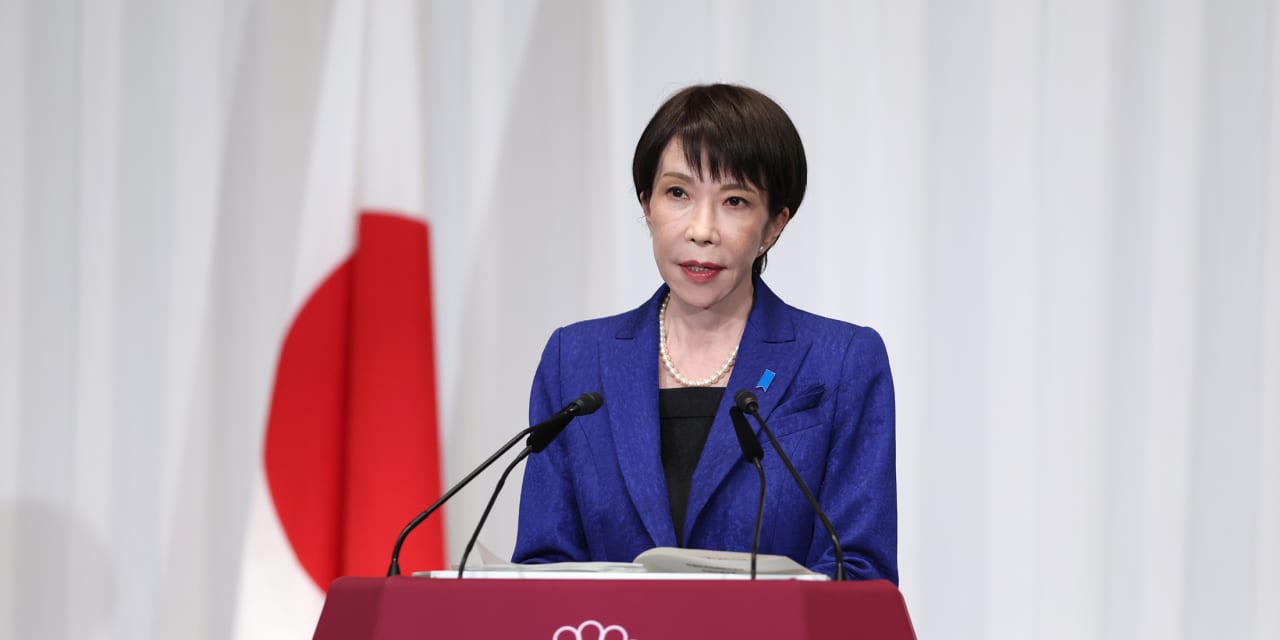
Takaichi's Victory in Japan: Facing the Challenges Ahead.

Election Victory: Japanese Prime Minister Sanae Takaichi led her Liberal Democratic Party to its largest election victory, securing a two-thirds majority in the Lower House of parliament.
Constitutional Amendments: This majority enables the party to override Upper House vetoes and pursue amendments to Japan's pacifist constitution.

Takaichi of Japan May Trigger a Reaction from Bond Vigilantes

- Political Influence: The presence of Liz Truss is being felt in Japan, highlighting the impact of female leadership in global politics.
- Emerging Leadership: Sanae Takaichi, another female politician, is noted for bringing this influence to Japan.
Japan's Nikkei Index Surges 4.5% Past 56,000; Korea's KOSPI Index Increases 5% to 5,800, Boosting Related ETFs with EWJ Up 3% and EWY Up 7%; DRAM Stocks, Heavily Influenced by Samsung and SK Hynix, Soar 10%.
Japan's Nikkei Performance: Japan's Nikkei share average has risen by 4.5%, surpassing 56,000 points.
KOSPI Index Growth: The Korean KOSPI index has increased by 5%, reaching 5,800 points.
ETFs Surge: Related ETFs have seen significant gains, with EWJ rising by 3% and EWY climbing by 7%.
DRAM Stocks Rise: DRAM stocks, heavily weighted in Samsung and SK Hynix, have soared by 10%.
Japan's Market Proves More Robust Than Anticipated: 3 Stocks to Watch.
- Investor Behavior: Investors have withdrawn from Japanese assets following the onset of the Iran War a month ago.
- Potential Opportunities: If the conflict de-escalates in the coming weeks, it may present buying opportunities for investors.
The Iran Conflict Highlights Taiwan Risks: Implications for Your Investment Portfolio.
- Geopolitical Risks: The ongoing war in Iran and the blockage of the Strait of Hormuz highlight significant geopolitical risks affecting global markets.
- Impact on Tech Investments: Investors in tech-heavy portfolios, particularly those focused on artificial intelligence, should be wary of the potential risks associated with Taiwan's geopolitical situation.
Tech Stocks Decline Due to AI Concerns; European Markets Could Offer Greater Stability.
- Investor Concerns: Investors are worried about a weakening dollar, prompting them to diversify their portfolios away from the U.S. market.
- Shift to Developed Markets: Over the past year, there has been a noticeable trend of moving investments into other developed markets as a strategy for risk management.
- AI-Related Equities Impact: The recent volatility in AI-related equities in the U.S. has further motivated investors to seek alternative investment opportunities.
- Portfolio Insulation: Diversifying into different markets is seen as a prudent approach to insulate portfolios from potential downturns in the U.S. economy.
Takaichi's Victory in Japan: Facing the Challenges Ahead.
Election Victory: Japanese Prime Minister Sanae Takaichi led her Liberal Democratic Party to its largest election victory, securing a two-thirds majority in the Lower House of parliament.
Constitutional Amendments: This majority enables the party to override Upper House vetoes and pursue amendments to Japan's pacifist constitution.
Takaichi of Japan May Trigger a Reaction from Bond Vigilantes
- Political Influence: The presence of Liz Truss is being felt in Japan, highlighting the impact of female leadership in global politics.
- Emerging Leadership: Sanae Takaichi, another female politician, is noted for bringing this influence to Japan.





