Target Faces New Boycott Call Over ICE Response
Written by Emily J. Thompson, Senior Investment Analyst
Updated: 1 hour ago
0mins
Should l Buy TGT?
Source: seekingalpha
- New Boycott Call: The American Federation of Teachers passed a resolution urging its 1.8 million members to shop at local stores instead of Target, reflecting dissatisfaction with the retailer's inadequate response to ICE actions, which could negatively impact sales.
- Community Commitment Questioned: Although Target claims a longstanding commitment to strengthening the communities it serves, its lack of comment on the AFT's resolution may lead to decreased consumer trust in the brand.
- Historical Context Impact: The AFT previously criticized Target for not speaking out against ICE's actions, particularly in Minneapolis, where the company is headquartered, indicating increased pressure on the company regarding social responsibility that could affect its market competitiveness.
- Consequences of Diversity Initiative Rollback: While Target's favorable settlement with Black activists was positively received, it failed to adequately address the AFT's concerns regarding its stance on ICE, potentially leading to decreased brand loyalty and consumer attrition.
Trade with 70% Backtested Accuracy
Stop guessing "Should I Buy TGT?" and start using high-conviction signals backed by rigorous historical data.
Sign up today to access powerful investing tools and make smarter, data-driven decisions.
Analyst Views on TGT
Wall Street analysts forecast TGT stock price to fall
26 Analyst Rating
8 Buy
14 Hold
4 Sell
Hold
Current: 116.370

Low
80.00
Averages
98.83
High
126.00
Current: 116.370
Low
80.00
Averages
98.83
High
126.00
About TGT
Target Corporation is a general merchandise retailer selling products to its guests through its stores and digital channels. The Company offers customers, referred to as guests, everyday essentials and fashionable, differentiated merchandise at discounted prices. The majority of its stores offer a wide assortment of general merchandise and food. Its merchandise categories include apparel and accessories, beauty and household essentials, food and beverage, hardlines, and home furnishings and decor. Most of its stores are larger than 170,000 square feet, offer a variety of general merchandise and a full line of food items comparable to traditional supermarkets. Its digital channels include a wide merchandise and food assortment, including many items found in its stores, along with a complementary assortment sold by the Company and third parties. Its brands include A New Day, Ava & Viv, Cloud Island, Favorite Day, and others. It serves guests at nearly 2,000 stores and at Target.com.
About the author

Emily J. Thompson
Emily J. Thompson, a Chartered Financial Analyst (CFA) with 12 years in investment research, graduated with honors from the Wharton School. Specializing in industrial and technology stocks, she provides in-depth analysis for Intellectia’s earnings and market brief reports.

MGNC Acquires Controlling Stake in Poultry Farming Enterprise

- Strategic Acquisition: MGNC has entered into an agreement to acquire a controlling stake in a large-scale poultry farming enterprise, marking a significant step in the company's vertical integration strategy and commercial expansion roadmap, expected to enhance production capacity and revenue base significantly.
- Operational Efficiency Improvement: Through this acquisition, MGNC will integrate smart farming technology with upstream production, improving supply chain stability and cost efficiency, thereby strengthening direct access to end-market demand.
- Immediate Revenue Contribution: The target enterprise currently has established customer relationships, and following the transaction's completion, MGNC expects immediate revenue contributions and operational synergies to enhance overall margins.
- Dual-Engine Growth Model: This acquisition formally establishes MGNC's dual-engine growth strategy, combining technology and scaled production capacity, which enhances pricing power and operational flexibility, facilitating expansion into new regional markets.
See More
Target Faces New Boycott Call Over ICE Response
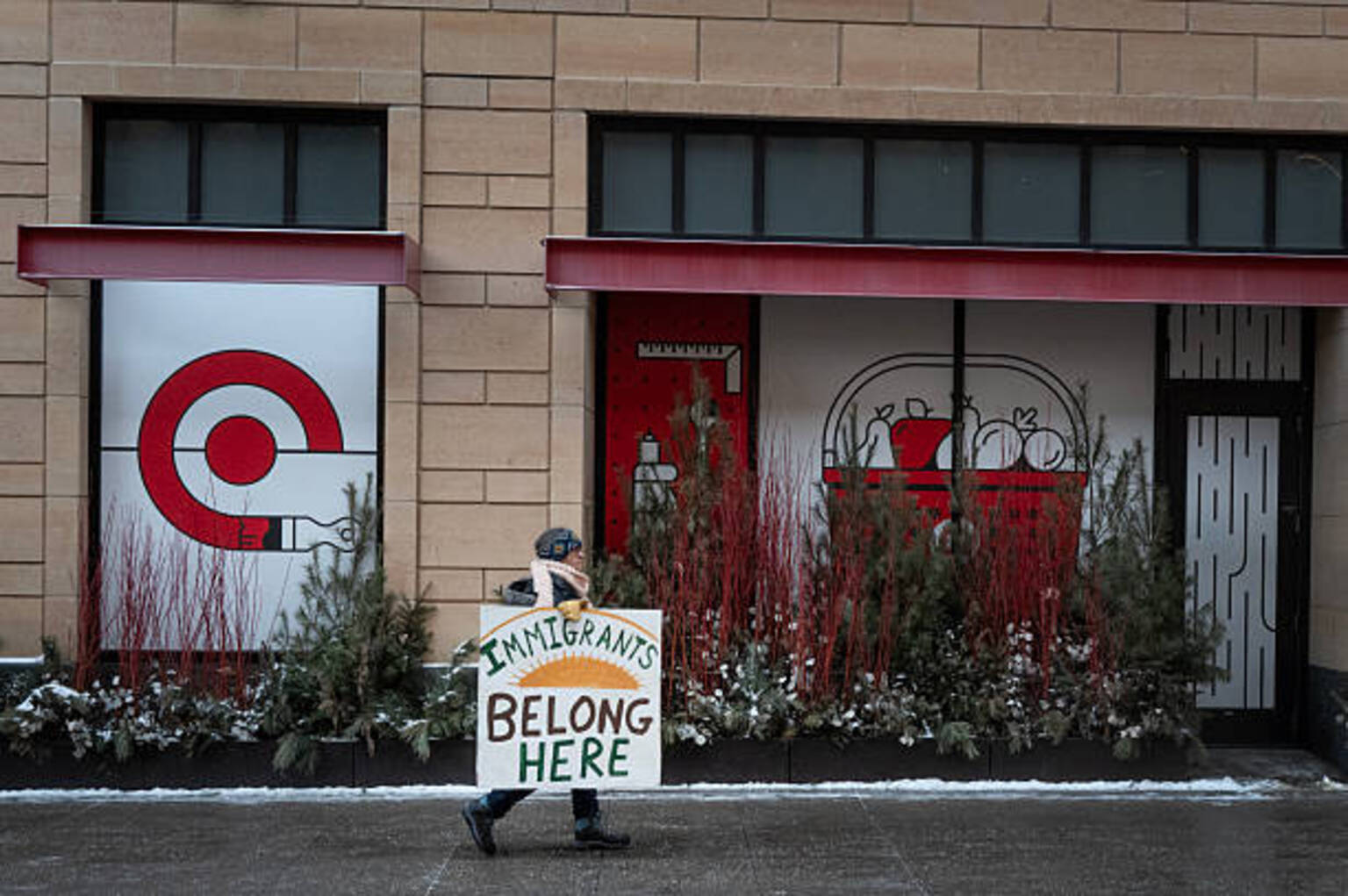
- New Boycott Call: The American Federation of Teachers passed a resolution urging its 1.8 million members to shop at local stores instead of Target, reflecting dissatisfaction with the retailer's inadequate response to ICE actions, which could negatively impact sales.
- Community Commitment Questioned: Although Target claims a longstanding commitment to strengthening the communities it serves, its lack of comment on the AFT's resolution may lead to decreased consumer trust in the brand.
- Historical Context Impact: The AFT previously criticized Target for not speaking out against ICE's actions, particularly in Minneapolis, where the company is headquartered, indicating increased pressure on the company regarding social responsibility that could affect its market competitiveness.
- Consequences of Diversity Initiative Rollback: While Target's favorable settlement with Black activists was positively received, it failed to adequately address the AFT's concerns regarding its stance on ICE, potentially leading to decreased brand loyalty and consumer attrition.
See More

Teachers' Union Calls for Target Boycott
- Boycott Initiated: The American Federation of Teachers (AFT) passed a resolution urging its 1.8 million members to boycott Target for back-to-school shopping due to the company's inadequate response to federal immigration enforcement in Minneapolis, potentially increasing pressure on Target during a critical sales season.
- Sales Decline Trend: Target has experienced declining annual sales for three consecutive years; despite new CEO Michael Fiddelkelaid outlining an ambitious plan with an expected 2% net sales growth this fiscal year, the boycott could hinder efforts to regain customer trust.
- Community Response: While Target is working to rebuild relationships with the Black community and has ended the “Target Fast” boycott, the AFT's call for a boycott may still negatively impact its brand image, particularly among educators.
- Strategic Adjustments: Fiddelke emphasized that Target is implementing price cuts and plans to open its 2,000th store, and despite facing boycott challenges and sales pressures, the company remains committed to enhancing connections and trust with its customers.
See More

Teachers' Union Calls for Target Boycott Amid Immigration Enforcement Concerns
- Union Boycott Action: The American Federation of Teachers (AFT) is urging its 1.8 million members to shop at local stores instead of Target, citing the retailer's inadequate response to federal immigration enforcement in Minneapolis, indicating a disregard for community concerns.
- Sales Decline Trend: Target has experienced declining annual sales for the past three years, and although new CEO Michael Fiddelk has projected a 2% increase in net sales for this fiscal year, the union's boycott could further hinder efforts to regain customer trust.
- Community Response: The AFT plans to advocate for similar boycott resolutions at the upcoming AFL-CIO convention, reflecting disappointment in Target's stance on immigration enforcement, which may negatively impact the retailer's reputation among educators.
- Strategic Transformation Challenges: While Target is working to rebuild customer relationships by cutting prices on over 3,000 items and opening its 2,000th store, the union's boycott could significantly affect sales during the critical back-to-school shopping season.
See More

Target's Turnaround Plan Sparks Interest
- Revenue Growth Recovery: Target experienced a $30 billion revenue surge during the early pandemic, but growth stalled in recent years due to customer service issues and product shortages, resulting in a 38% stock decline over five years.
- Strategic Investment Plan: New CEO Michael Fiddelke has outlined a $2 billion investment strategy, with half allocated to capital expenditures and the other half aimed at enhancing customer experience, intending to restore growth through improved service and product variety.
- Improving Sales Trends: In its latest earnings report, Target reported fourth-quarter net sales of approximately $30 billion, meeting company guidance, with sales and traffic trends gaining momentum in the last two months of the period, indicating signs of recovery.
- Brand Revitalization Strategy: Target plans to relaunch its owned brand Threshold and expand Cloud Island, aiming to leverage higher-margin owned brands to attract customers, thereby achieving sustainable growth over the next few years.
See More

Target's Path to Recovery Amidst Challenges
- Revenue Growth Review: During the early pandemic, Target leveraged its digital platform and diverse pickup and delivery options to achieve a $30 billion revenue increase; however, in recent years, growth has stalled due to customer service issues and product shortages, resulting in a 38% stock price decline over five years.
- Strategic Transformation Plan: New CEO Michael Fiddelke has outlined a growth revival plan with a $2 billion investment, half allocated to capital expenditures and the other half to operational investments, aimed at enhancing customer experience and product assortment.
- Sales Trend Recovery: In the latest earnings report, Target's fourth-quarter net sales reached approximately $30 billion, meeting company guidance, with sales and traffic trends gaining momentum in the last two months of the period, indicating initial success of the turnaround measures.
- Brand Revitalization and Market Positioning: Target plans to relaunch its owned brand Threshold and expand the Cloud Island baby brand, capitalizing on the popularity of these higher-margin brands to enhance market competitiveness, although this transformation is expected to take several years to yield significant financial results.
See More
MGNC Acquires Controlling Stake in Poultry Farming Enterprise
- Strategic Acquisition: MGNC has entered into an agreement to acquire a controlling stake in a large-scale poultry farming enterprise, marking a significant step in the company's vertical integration strategy and commercial expansion roadmap, expected to enhance production capacity and revenue base significantly.
- Operational Efficiency Improvement: Through this acquisition, MGNC will integrate smart farming technology with upstream production, improving supply chain stability and cost efficiency, thereby strengthening direct access to end-market demand.
- Immediate Revenue Contribution: The target enterprise currently has established customer relationships, and following the transaction's completion, MGNC expects immediate revenue contributions and operational synergies to enhance overall margins.
- Dual-Engine Growth Model: This acquisition formally establishes MGNC's dual-engine growth strategy, combining technology and scaled production capacity, which enhances pricing power and operational flexibility, facilitating expansion into new regional markets.
See More
Target Faces New Boycott Call Over ICE Response
- New Boycott Call: The American Federation of Teachers passed a resolution urging its 1.8 million members to shop at local stores instead of Target, reflecting dissatisfaction with the retailer's inadequate response to ICE actions, which could negatively impact sales.
- Community Commitment Questioned: Although Target claims a longstanding commitment to strengthening the communities it serves, its lack of comment on the AFT's resolution may lead to decreased consumer trust in the brand.
- Historical Context Impact: The AFT previously criticized Target for not speaking out against ICE's actions, particularly in Minneapolis, where the company is headquartered, indicating increased pressure on the company regarding social responsibility that could affect its market competitiveness.
- Consequences of Diversity Initiative Rollback: While Target's favorable settlement with Black activists was positively received, it failed to adequately address the AFT's concerns regarding its stance on ICE, potentially leading to decreased brand loyalty and consumer attrition.
See More
Teachers' Union Calls for Target Boycott
- Boycott Initiated: The American Federation of Teachers (AFT) passed a resolution urging its 1.8 million members to boycott Target for back-to-school shopping due to the company's inadequate response to federal immigration enforcement in Minneapolis, potentially increasing pressure on Target during a critical sales season.
- Sales Decline Trend: Target has experienced declining annual sales for three consecutive years; despite new CEO Michael Fiddelkelaid outlining an ambitious plan with an expected 2% net sales growth this fiscal year, the boycott could hinder efforts to regain customer trust.
- Community Response: While Target is working to rebuild relationships with the Black community and has ended the “Target Fast” boycott, the AFT's call for a boycott may still negatively impact its brand image, particularly among educators.
- Strategic Adjustments: Fiddelke emphasized that Target is implementing price cuts and plans to open its 2,000th store, and despite facing boycott challenges and sales pressures, the company remains committed to enhancing connections and trust with its customers.
See More
Teachers' Union Calls for Target Boycott Amid Immigration Enforcement Concerns
- Union Boycott Action: The American Federation of Teachers (AFT) is urging its 1.8 million members to shop at local stores instead of Target, citing the retailer's inadequate response to federal immigration enforcement in Minneapolis, indicating a disregard for community concerns.
- Sales Decline Trend: Target has experienced declining annual sales for the past three years, and although new CEO Michael Fiddelk has projected a 2% increase in net sales for this fiscal year, the union's boycott could further hinder efforts to regain customer trust.
- Community Response: The AFT plans to advocate for similar boycott resolutions at the upcoming AFL-CIO convention, reflecting disappointment in Target's stance on immigration enforcement, which may negatively impact the retailer's reputation among educators.
- Strategic Transformation Challenges: While Target is working to rebuild customer relationships by cutting prices on over 3,000 items and opening its 2,000th store, the union's boycott could significantly affect sales during the critical back-to-school shopping season.
See More
Target's Turnaround Plan Sparks Interest
- Revenue Growth Recovery: Target experienced a $30 billion revenue surge during the early pandemic, but growth stalled in recent years due to customer service issues and product shortages, resulting in a 38% stock decline over five years.
- Strategic Investment Plan: New CEO Michael Fiddelke has outlined a $2 billion investment strategy, with half allocated to capital expenditures and the other half aimed at enhancing customer experience, intending to restore growth through improved service and product variety.
- Improving Sales Trends: In its latest earnings report, Target reported fourth-quarter net sales of approximately $30 billion, meeting company guidance, with sales and traffic trends gaining momentum in the last two months of the period, indicating signs of recovery.
- Brand Revitalization Strategy: Target plans to relaunch its owned brand Threshold and expand Cloud Island, aiming to leverage higher-margin owned brands to attract customers, thereby achieving sustainable growth over the next few years.
See More
Target's Path to Recovery Amidst Challenges
- Revenue Growth Review: During the early pandemic, Target leveraged its digital platform and diverse pickup and delivery options to achieve a $30 billion revenue increase; however, in recent years, growth has stalled due to customer service issues and product shortages, resulting in a 38% stock price decline over five years.
- Strategic Transformation Plan: New CEO Michael Fiddelke has outlined a growth revival plan with a $2 billion investment, half allocated to capital expenditures and the other half to operational investments, aimed at enhancing customer experience and product assortment.
- Sales Trend Recovery: In the latest earnings report, Target's fourth-quarter net sales reached approximately $30 billion, meeting company guidance, with sales and traffic trends gaining momentum in the last two months of the period, indicating initial success of the turnaround measures.
- Brand Revitalization and Market Positioning: Target plans to relaunch its owned brand Threshold and expand the Cloud Island baby brand, capitalizing on the popularity of these higher-margin brands to enhance market competitiveness, although this transformation is expected to take several years to yield significant financial results.
See More