Takeda's TAK-881 Clinical Trial Achieves Primary Endpoint
Takeda announced that TAK-881-3001, a pivotal Phase 2/3 clinical trial in patients with Primary Immunodeficiency Disease, met its primary endpoint, which demonstrated pharmacokinetic comparability between the investigational TAK-881 and HYQVIA. Additionally, secondary endpoints showed that TAK-881, a SCIG 20% facilitated with hyaluronidase, demonstrated safety, efficacy and tolerability profiles comparable to HYQVIA, an established SCIG 10% facilitated with hyaluronidase. These findings support the potential of TAK-881 to deliver the required immunoglobulin dose for PID patients in half the volume of HYQVIA, reducing infusion duration while maintaining flexible, up to once-monthly dosing for patients. The TAK-881-3001 clinical trial evaluated the PK, efficacy, safety, tolerability and immunogenicity of TAK-881 in adults and pediatric patients aged 2 years and older with PID previously treated with IG therapy and compared them with HYQVIA in patients aged 16 years and older. Initial topline data show TAK-881: Achieved comparable PK: The study met its primary endpoint demonstrating equivalent immunoglobulin G exposure between TAK-881 and HYQVIA as shown by a geometric mean ratio of 99.67% for the areas under the concentration-time profiles over one dosing interval at the steady state. Provided immune protection: TAK-881 demonstrated comparable infection rates and immune protection to HYQVIA, with protective IgG levels consistently maintained throughout the study. Demonstrated a comparable safety profile: The safety and tolerability profiles of TAK-881 shown were comparable to HYQVIA, with no new safety signals observed. The safety profile of TAK-881 will continue to be evaluated in the ongoing TAK-881-3002 extension study. For many patients with PID, IG replacement is the only treatment option to maintain immune protection against infections. While existing IG therapies are effective, many patients continue to experience treatment burden, including frequent or high-volume infusions. Analyses from TAK-881-3001 are ongoing, and Takeda anticipates sharing additional results in an upcoming medical forum. Takeda expects to submit applications for TAK-881 to regulatory authorities in the United States, European Union and Japan in fiscal year 2026.
Trade with 70% Backtested Accuracy
Analyst Views on TAK

About TAK
About the author

Axsome Therapeutics Shares Surge on FDA Approval and Strong Pipeline
- FDA Approval: Axsome Therapeutics' flagship drug Auvelity has received FDA approval for treating agitation related to Alzheimer's disease, potentially benefiting over 5 million Americans, marking a significant advancement in the mental health sector.
- Stock Surge: Axsome's stock has soared over 20% in the past month and jumped another 11.1% today, reflecting strong investor confidence in the company's future potential, pushing its market cap to $11 billion.
- New Drug Development: The company recently acquired exclusive global rights to the oral inhibitor balipodect from Takeda Pharmaceuticals, now named AXS-20, with plans to initiate Phase III trials for schizophrenia later this year, further strengthening its pipeline.
- Positive Earnings Report: Axsome's latest earnings report shows robust growth with a gross margin of 91.16% and the upcoming commercial launch of Auvelity, indicating the company's ongoing success and competitiveness in the biopharmaceutical market.
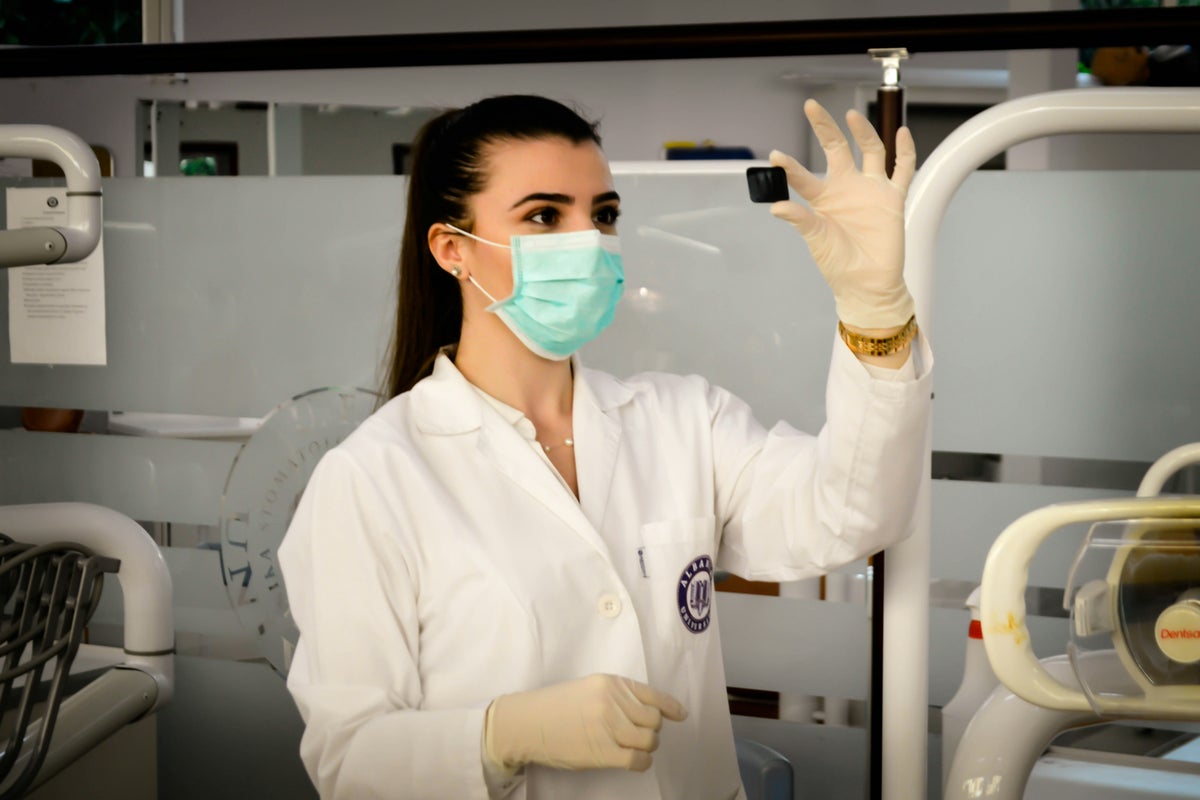
FDA Approves Axsome's Auvelity for Alzheimer's Agitation
- New Indication Approval: The FDA has approved Axsome's Auvelity for the treatment of agitation in Alzheimer's patients, based on successful Phase 3 clinical trial data, marking a significant expansion of the drug's indications and expected to generate new revenue streams for the company.
- Large Market Potential: The treatment market for Alzheimer's agitation is substantial, and the approval of Auvelity allows it to enter this rapidly growing sector, addressing the increasing patient demand and enhancing Axsome's competitiveness in the mental health pharmaceuticals market.
- Clinical Data Support: Phase 3 clinical trials demonstrated Auvelity's effectiveness in alleviating agitation symptoms in Alzheimer's patients, further solidifying its position as a treatment option and potentially increasing physician prescribing willingness.
- Strategic Expansion Plan: This approval aligns with Axsome's strategic goals to diversify its product line and enhance market share, with expectations to accelerate growth in the neuropsychiatric drug sector.

Spyre Therapeutics' Trial Data Boosts Stock by 23%

- Significant Stock Surge: Shares of Spyre Therapeutics Inc. (SYRE) soared 23% on Monday, marking its largest single-day gain since June 2023, driven by positive ulcerative colitis trial data that highlighted the drug's potential effectiveness.
- Trial Results Stand Out: The company reported that its SPY001 phase 2 trial met its primary endpoint with a statistically significant reduction in disease activity, and the drug was well tolerated, although six subjects experienced treatment-emergent adverse events, indicating a need for ongoing safety monitoring.
- Analyst Optimism: Analysts from TD Cowen and Leerink raised their price targets for Spyre, with TD Cowen increasing it to $80 and Leerink to $106 from $49, reflecting heightened confidence in SPY001's success in treating ulcerative colitis and Crohn's disease.
- Retail Investor Sentiment Shift: On Stocktwits, retail sentiment around SYRE stock shifted from 'neutral' to 'extremely bullish' within 24 hours, with message volume increasing from 'high' to 'extremely high', indicating strong investor confidence in Spyre's future performance.

Takeda Ends Collaboration Agreement with Denali Therapeutics on DNL593

Collaboration Agreement: Denali Therapeutics has entered into a collaboration agreement with DNL593, focusing on the development of therapeutic solutions.
Research Focus: The partnership aims to advance research and development in the field of neuroscience, leveraging Denali's expertise and resources.
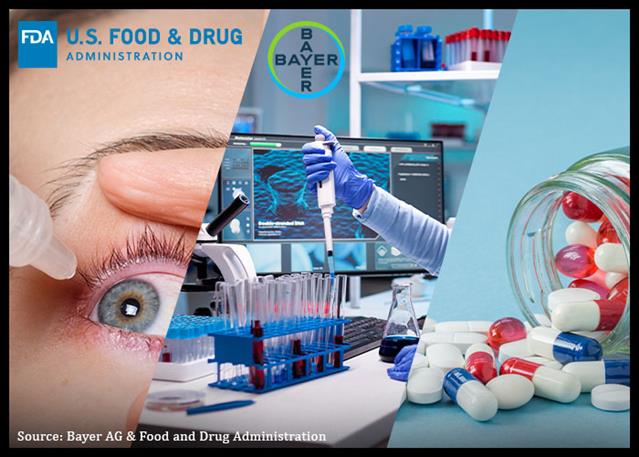
Biotech Landscape Update: Regulatory Approvals and Acquisitions
- ARS Pharma Expands Neffy Label: ARS Pharmaceuticals received FDA approval to update the Neffy 1mg label, removing age restrictions for individuals weighing over 33 lbs, which is expected to significantly boost market demand and enhance the company's competitive edge in allergy treatment.
- Novo Nordisk Wins Approval for Awiqli: Novo Nordisk's Awiqli (insulin icodec-abae) received FDA approval as the first once-weekly basal insulin, with a U.S. launch planned for 2H 2026, strengthening the company's leadership in diabetes care.
- Biogen Acquires Apellis: Biogen has agreed to acquire Apellis for $41 per share, valuing the deal at approximately $5.6 billion, which is expected to enhance its market share in immunology and rare diseases while driving future revenue growth.
- Takeda's Zasocitinib Clinical Trial Success: Takeda's Zasocitinib showed that about 70% of patients achieved significant skin clearance in Phase 3 trials, with plans to submit a New Drug Application in 2026, further solidifying its position in the dermatology market.

Axsome Acquires Global Rights to TAK-063 from Takeda
- Asset Purchase Agreement: Axsome Therapeutics has signed an asset purchase agreement with Takeda Pharmaceutical to acquire exclusive global rights to TAK-063 (balipodect), further expanding its leading CNS portfolio and demonstrating strategic positioning in neuropsychiatric treatment.
- Clinical Trial Plans: Axsome intends to initiate Phase 3 trial-enabling activities for schizophrenia in 2026, indicating strong confidence in the development of balipodect and aiming to improve treatment outcomes for patients through this novel mechanism.
- Clinical Trial Results: Balipodect has shown positive results in a 164-patient proof-of-concept Phase 2 trial for schizophrenia and has demonstrated a favorable safety and tolerability profile in clinical studies involving over 360 individuals, enhancing its market potential.
- Financial Arrangement: Under the agreement, Axsome obtains worldwide commercial, development, and manufacturing rights to balipodect, while Takeda receives an upfront payment and is eligible for additional payments related to development, regulatory, and commercial milestones, as well as royalties on potential global net sales, ensuring mutual benefit.
Axsome Therapeutics Shares Surge on FDA Approval and Strong Pipeline
- FDA Approval: Axsome Therapeutics' flagship drug Auvelity has received FDA approval for treating agitation related to Alzheimer's disease, potentially benefiting over 5 million Americans, marking a significant advancement in the mental health sector.
- Stock Surge: Axsome's stock has soared over 20% in the past month and jumped another 11.1% today, reflecting strong investor confidence in the company's future potential, pushing its market cap to $11 billion.
- New Drug Development: The company recently acquired exclusive global rights to the oral inhibitor balipodect from Takeda Pharmaceuticals, now named AXS-20, with plans to initiate Phase III trials for schizophrenia later this year, further strengthening its pipeline.
- Positive Earnings Report: Axsome's latest earnings report shows robust growth with a gross margin of 91.16% and the upcoming commercial launch of Auvelity, indicating the company's ongoing success and competitiveness in the biopharmaceutical market.
FDA Approves Axsome's Auvelity for Alzheimer's Agitation
- New Indication Approval: The FDA has approved Axsome's Auvelity for the treatment of agitation in Alzheimer's patients, based on successful Phase 3 clinical trial data, marking a significant expansion of the drug's indications and expected to generate new revenue streams for the company.
- Large Market Potential: The treatment market for Alzheimer's agitation is substantial, and the approval of Auvelity allows it to enter this rapidly growing sector, addressing the increasing patient demand and enhancing Axsome's competitiveness in the mental health pharmaceuticals market.
- Clinical Data Support: Phase 3 clinical trials demonstrated Auvelity's effectiveness in alleviating agitation symptoms in Alzheimer's patients, further solidifying its position as a treatment option and potentially increasing physician prescribing willingness.
- Strategic Expansion Plan: This approval aligns with Axsome's strategic goals to diversify its product line and enhance market share, with expectations to accelerate growth in the neuropsychiatric drug sector.
Spyre Therapeutics' Trial Data Boosts Stock by 23%
- Significant Stock Surge: Shares of Spyre Therapeutics Inc. (SYRE) soared 23% on Monday, marking its largest single-day gain since June 2023, driven by positive ulcerative colitis trial data that highlighted the drug's potential effectiveness.
- Trial Results Stand Out: The company reported that its SPY001 phase 2 trial met its primary endpoint with a statistically significant reduction in disease activity, and the drug was well tolerated, although six subjects experienced treatment-emergent adverse events, indicating a need for ongoing safety monitoring.
- Analyst Optimism: Analysts from TD Cowen and Leerink raised their price targets for Spyre, with TD Cowen increasing it to $80 and Leerink to $106 from $49, reflecting heightened confidence in SPY001's success in treating ulcerative colitis and Crohn's disease.
- Retail Investor Sentiment Shift: On Stocktwits, retail sentiment around SYRE stock shifted from 'neutral' to 'extremely bullish' within 24 hours, with message volume increasing from 'high' to 'extremely high', indicating strong investor confidence in Spyre's future performance.
Takeda Ends Collaboration Agreement with Denali Therapeutics on DNL593
Collaboration Agreement: Denali Therapeutics has entered into a collaboration agreement with DNL593, focusing on the development of therapeutic solutions.
Research Focus: The partnership aims to advance research and development in the field of neuroscience, leveraging Denali's expertise and resources.
Biotech Landscape Update: Regulatory Approvals and Acquisitions
- ARS Pharma Expands Neffy Label: ARS Pharmaceuticals received FDA approval to update the Neffy 1mg label, removing age restrictions for individuals weighing over 33 lbs, which is expected to significantly boost market demand and enhance the company's competitive edge in allergy treatment.
- Novo Nordisk Wins Approval for Awiqli: Novo Nordisk's Awiqli (insulin icodec-abae) received FDA approval as the first once-weekly basal insulin, with a U.S. launch planned for 2H 2026, strengthening the company's leadership in diabetes care.
- Biogen Acquires Apellis: Biogen has agreed to acquire Apellis for $41 per share, valuing the deal at approximately $5.6 billion, which is expected to enhance its market share in immunology and rare diseases while driving future revenue growth.
- Takeda's Zasocitinib Clinical Trial Success: Takeda's Zasocitinib showed that about 70% of patients achieved significant skin clearance in Phase 3 trials, with plans to submit a New Drug Application in 2026, further solidifying its position in the dermatology market.
Axsome Acquires Global Rights to TAK-063 from Takeda
- Asset Purchase Agreement: Axsome Therapeutics has signed an asset purchase agreement with Takeda Pharmaceutical to acquire exclusive global rights to TAK-063 (balipodect), further expanding its leading CNS portfolio and demonstrating strategic positioning in neuropsychiatric treatment.
- Clinical Trial Plans: Axsome intends to initiate Phase 3 trial-enabling activities for schizophrenia in 2026, indicating strong confidence in the development of balipodect and aiming to improve treatment outcomes for patients through this novel mechanism.
- Clinical Trial Results: Balipodect has shown positive results in a 164-patient proof-of-concept Phase 2 trial for schizophrenia and has demonstrated a favorable safety and tolerability profile in clinical studies involving over 360 individuals, enhancing its market potential.
- Financial Arrangement: Under the agreement, Axsome obtains worldwide commercial, development, and manufacturing rights to balipodect, while Takeda receives an upfront payment and is eligible for additional payments related to development, regulatory, and commercial milestones, as well as royalties on potential global net sales, ensuring mutual benefit.