Strait of Hormuz Shutdown Causes Oil and Gas Shortages
Written by Emily J. Thompson, Senior Investment Analyst
Updated: 1 hour ago
0mins
Should l Buy SHEL?
Source: seekingalpha
- Crude Oil Shortage Impact: Shell CEO Wael Sawan stated that the shutdown of the Strait of Hormuz has resulted in approximately 900 million barrels of crude oil not produced over the past few months, with expectations that this shortage will persist for months and possibly into next year, leading to tight global oil and gas supplies.
- Tight Supply Outlook: Sawan noted that many regions are facing relatively low levels of oil and gas supply, with increasing discussions around demand curtailment and fuel switching, indicating that supply-demand balances are likely to remain tight for the coming months, if not over a year.
- ARC Resources Acquisition: Earlier this week, Shell agreed to acquire Canadian shale producer ARC Resources for $13.6 billion; while this acquisition provides diversification away from the Middle East, Sawan emphasized that it was not the key driver of the deal, as Shell had been assessing ARC for two years prior to the war.
- Diversification Strategy: Sawan mentioned that Shell's focus is on diversifying production while also looking at new horizons, acknowledging that the restructuring process may take several years, but the company remains committed to addressing current market challenges.
Trade with 70% Backtested Accuracy
Stop guessing "Should I Buy SHEL?" and start using high-conviction signals backed by rigorous historical data.
Sign up today to access powerful investing tools and make smarter, data-driven decisions.
Analyst Views on SHEL
Wall Street analysts forecast SHEL stock price to fall
10 Analyst Rating
5 Buy
5 Hold
0 Sell
Moderate Buy
Current: 86.910

Low
41.75
Averages
74.27
High
91.00
Current: 86.910
Low
41.75
Averages
74.27
High
91.00
About SHEL
Shell plc is an international energy company engaged in the principal aspects of the energy and petrochemical industries. The Company's segments include Integrated Gas, Upstream, Marketing, Chemicals and Products, Renewables and Energy Solutions, and Corporate. The Integrated Gas segment includes liquefied natural gas (LNG), conversion of natural gas into gas-to-liquids (GTL) fuels and other products. It includes natural gas and liquids exploration and extraction, and the operation of the upstream and midstream infrastructure. The Upstream segment includes exploration and extraction of crude oil, natural gas and natural gas liquids. It also markets and transports oil and gas and operates the infrastructure necessary to deliver them to the market. The Marketing segment comprises the Mobility, Lubricants, and Sectors & Decarbonization businesses. The Chemicals and Products segment includes chemicals manufacturing plants with their own marketing network, and refineries.
About the author

Emily J. Thompson
Emily J. Thompson, a Chartered Financial Analyst (CFA) with 12 years in investment research, graduated with honors from the Wharton School. Specializing in industrial and technology stocks, she provides in-depth analysis for Intellectia’s earnings and market brief reports.
Strait of Hormuz Shutdown Causes Oil and Gas Shortages
- Crude Oil Shortage Impact: Shell CEO Wael Sawan stated that the shutdown of the Strait of Hormuz has resulted in approximately 900 million barrels of crude oil not produced over the past few months, with expectations that this shortage will persist for months and possibly into next year, leading to tight global oil and gas supplies.
- Tight Supply Outlook: Sawan noted that many regions are facing relatively low levels of oil and gas supply, with increasing discussions around demand curtailment and fuel switching, indicating that supply-demand balances are likely to remain tight for the coming months, if not over a year.
- ARC Resources Acquisition: Earlier this week, Shell agreed to acquire Canadian shale producer ARC Resources for $13.6 billion; while this acquisition provides diversification away from the Middle East, Sawan emphasized that it was not the key driver of the deal, as Shell had been assessing ARC for two years prior to the war.
- Diversification Strategy: Sawan mentioned that Shell's focus is on diversifying production while also looking at new horizons, acknowledging that the restructuring process may take several years, but the company remains committed to addressing current market challenges.
See More

U.S. Stocks Decline Amid Geopolitical Tensions and Earnings Strength

- Geopolitical Tensions: Stalled peace negotiations between the U.S. and Iran have led to rising oil prices, raising fresh concerns about inflation and global economic growth, as investors balance strong corporate earnings against geopolitical uncertainties.
- Earnings Performance: Verizon (VZ) reported a better-than-expected Q1, while Domino's Pizza (DPZ) posted disappointing results and announced an additional $1 billion share repurchase program, highlighting the varied market reactions to different companies.
- Acquisition Activity: Shell (SHEL) agreed to acquire ARC Resources (AETUF) for C$32.80 per share, while China blocked Meta's (META) acquisition of AI startup Manus, reflecting the complexities of the global M&A landscape.
- Market Index Fluctuations: Near midday, the Dow was down 0.25%, the Nasdaq down 0.28%, and the S&P 500 down 0.14%, indicating the market's sensitive response to geopolitical tensions and economic data.
See More
ARC Resources Soars 21.2% After Shell's $16.4B Acquisition Deal
- Acquisition Overview: Shell (SHEL) has agreed to acquire ARC Resources (AETUF) in a cash-and-stock deal valued at $16.4 billion, including debt, which has driven ARC's stock price up 21.2% on the Toronto Stock Exchange, reflecting positive market sentiment towards the transaction.
- Analyst Insights: According to Raymond James analyst Luke Davis, ARC's value is likely enhanced under a larger entity, particularly as its dry natural gas assets are primary value drivers, indicating Shell's interest in securing feedstock for LNG Canada.
- Optimistic Deal Outlook: With support from both companies' boards and some shareholder overlap, Davis sees minimal obstacles to closing the deal, providing a stable foundation for ARC's future development.
- Industry Impact Analysis: Ovintiv (OVV) shares rose 2.2%, as analysts suggest the transaction may spark acquisition interest, with Truist analysts stating Ovintiv's shares should trade at least 25% higher, supported by ARC's acquisition price validating their valuation of Ovintiv's Montney assets.
See More
Shell Acquires ARC Resources for $13.6 Billion

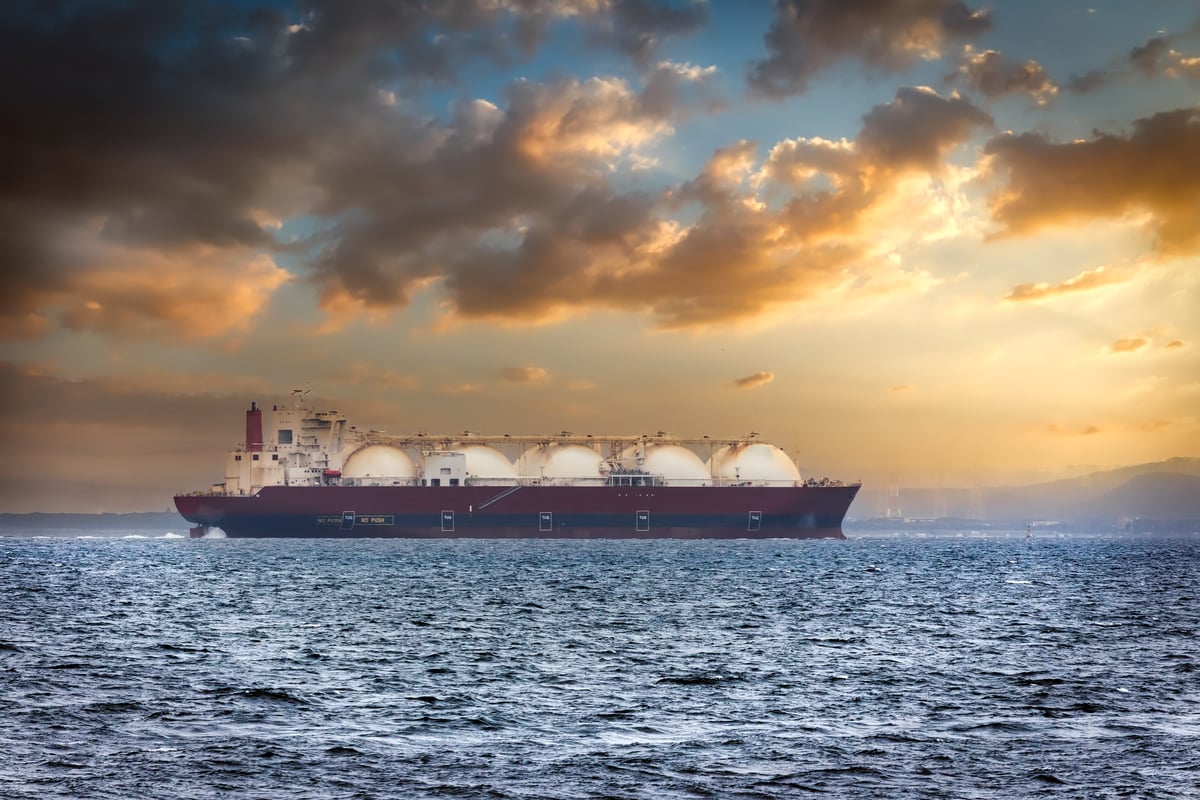
- Acquisition Scale: Shell has agreed to acquire ARC Resources for $13.6 billion, with a total deal value of $16.4 billion, marking Shell's largest transaction in a decade and expected to significantly enhance its oil and gas production capacity, thereby strengthening its market competitiveness.
- Production Growth Outlook: With ARC producing approximately 374,000 barrels of oil equivalent per day, the acquisition will increase Shell's oil-equivalent reserves by 2 billion barrels, raising its expected compound annual growth rate from 1% to 4%, laying a solid foundation for future production growth.
- LNG Market Expansion: This acquisition will support Shell's growth in the Canadian LNG market, likely facilitating the Phase 2 expansion of the LNG Canada project, which aims to double its capacity to 28 million tonnes per year to meet the demand for diversified global supplies.
- Global Supply Chain Optimization: The closure of the Strait of Hormuz has significantly impacted global oil and gas supplies, and through this acquisition, Shell enhances its ability to supply LNG, helping customers diversify their sources and improving its market position.
See More

Shell Acquires ARC Resources in $13.6 Billion Deal
- Acquisition Agreement: Shell has entered into a definitive agreement to acquire ARC Resources for approximately $13.6 billion, with ARC shareholders receiving C$8.20 in cash and 0.40247 Shell shares per ARC share, structured as 25% cash and 75% stock, expected to close in the second half of 2026.
- Enhanced Shareholder Returns: The total consideration of C$32.80 per share represents a 20% premium to ARC's 30-day VWAP, and Shell anticipates double-digit returns from the acquisition, bolstering long-term cash flows.
- Production Capacity Growth: The acquisition will increase Shell's production CAGR from 1% to 4%, with ARC's daily production of 374,000 barrels of oil equivalent in the Montney shale basin further solidifying Shell's position in the North American market.
- Significant Synergies: The transaction is expected to generate annualized synergies of approximately $250 million within a year of closing, enhancing operational efficiency and reducing costs, thereby strengthening Shell's competitive edge in the industry.
See More
Shell Acquires ARC Resources for $16.4 Billion Deal
- Deal Size: Shell has agreed to acquire Canadian ARC Resources for a total deal value of $16.4 billion, including approximately $2.8 billion in net debt, demonstrating Shell's commitment to expanding its footprint in the Canadian energy market.
- Shareholder Returns: Under the deal terms, Shell will pay ARC shareholders C$8.20 in cash and 0.40247 Shell shares per ARC share, resulting in a total transaction price of C$32.80 per share, which represents a 20% premium over ARC's 30-day volume-weighted average price.
- Production Capacity Increase: The acquisition will add 370,000 barrels of oil equivalent per day to Shell's production, raising its compound annual growth rate from 1% to 4%, and adding 2 billion barrels of reserves, supporting its goal to maintain 1.4 million barrels per day of liquid production through 2030.
- Synergy Expectations: Shell expects to achieve approximately $250 million in annualized synergies within a year of closing the deal, further enhancing its competitive edge and profitability in the North American market.
See More
Strait of Hormuz Shutdown Causes Oil and Gas Shortages
- Crude Oil Shortage Impact: Shell CEO Wael Sawan stated that the shutdown of the Strait of Hormuz has resulted in approximately 900 million barrels of crude oil not produced over the past few months, with expectations that this shortage will persist for months and possibly into next year, leading to tight global oil and gas supplies.
- Tight Supply Outlook: Sawan noted that many regions are facing relatively low levels of oil and gas supply, with increasing discussions around demand curtailment and fuel switching, indicating that supply-demand balances are likely to remain tight for the coming months, if not over a year.
- ARC Resources Acquisition: Earlier this week, Shell agreed to acquire Canadian shale producer ARC Resources for $13.6 billion; while this acquisition provides diversification away from the Middle East, Sawan emphasized that it was not the key driver of the deal, as Shell had been assessing ARC for two years prior to the war.
- Diversification Strategy: Sawan mentioned that Shell's focus is on diversifying production while also looking at new horizons, acknowledging that the restructuring process may take several years, but the company remains committed to addressing current market challenges.
See More
U.S. Stocks Decline Amid Geopolitical Tensions and Earnings Strength
- Geopolitical Tensions: Stalled peace negotiations between the U.S. and Iran have led to rising oil prices, raising fresh concerns about inflation and global economic growth, as investors balance strong corporate earnings against geopolitical uncertainties.
- Earnings Performance: Verizon (VZ) reported a better-than-expected Q1, while Domino's Pizza (DPZ) posted disappointing results and announced an additional $1 billion share repurchase program, highlighting the varied market reactions to different companies.
- Acquisition Activity: Shell (SHEL) agreed to acquire ARC Resources (AETUF) for C$32.80 per share, while China blocked Meta's (META) acquisition of AI startup Manus, reflecting the complexities of the global M&A landscape.
- Market Index Fluctuations: Near midday, the Dow was down 0.25%, the Nasdaq down 0.28%, and the S&P 500 down 0.14%, indicating the market's sensitive response to geopolitical tensions and economic data.
See More
ARC Resources Soars 21.2% After Shell's $16.4B Acquisition Deal
- Acquisition Overview: Shell (SHEL) has agreed to acquire ARC Resources (AETUF) in a cash-and-stock deal valued at $16.4 billion, including debt, which has driven ARC's stock price up 21.2% on the Toronto Stock Exchange, reflecting positive market sentiment towards the transaction.
- Analyst Insights: According to Raymond James analyst Luke Davis, ARC's value is likely enhanced under a larger entity, particularly as its dry natural gas assets are primary value drivers, indicating Shell's interest in securing feedstock for LNG Canada.
- Optimistic Deal Outlook: With support from both companies' boards and some shareholder overlap, Davis sees minimal obstacles to closing the deal, providing a stable foundation for ARC's future development.
- Industry Impact Analysis: Ovintiv (OVV) shares rose 2.2%, as analysts suggest the transaction may spark acquisition interest, with Truist analysts stating Ovintiv's shares should trade at least 25% higher, supported by ARC's acquisition price validating their valuation of Ovintiv's Montney assets.
See More
Shell Acquires ARC Resources for $13.6 Billion
- Acquisition Scale: Shell has agreed to acquire ARC Resources for $13.6 billion, with a total deal value of $16.4 billion, marking Shell's largest transaction in a decade and expected to significantly enhance its oil and gas production capacity, thereby strengthening its market competitiveness.
- Production Growth Outlook: With ARC producing approximately 374,000 barrels of oil equivalent per day, the acquisition will increase Shell's oil-equivalent reserves by 2 billion barrels, raising its expected compound annual growth rate from 1% to 4%, laying a solid foundation for future production growth.
- LNG Market Expansion: This acquisition will support Shell's growth in the Canadian LNG market, likely facilitating the Phase 2 expansion of the LNG Canada project, which aims to double its capacity to 28 million tonnes per year to meet the demand for diversified global supplies.
- Global Supply Chain Optimization: The closure of the Strait of Hormuz has significantly impacted global oil and gas supplies, and through this acquisition, Shell enhances its ability to supply LNG, helping customers diversify their sources and improving its market position.
See More
Shell Acquires ARC Resources in $13.6 Billion Deal
- Acquisition Agreement: Shell has entered into a definitive agreement to acquire ARC Resources for approximately $13.6 billion, with ARC shareholders receiving C$8.20 in cash and 0.40247 Shell shares per ARC share, structured as 25% cash and 75% stock, expected to close in the second half of 2026.
- Enhanced Shareholder Returns: The total consideration of C$32.80 per share represents a 20% premium to ARC's 30-day VWAP, and Shell anticipates double-digit returns from the acquisition, bolstering long-term cash flows.
- Production Capacity Growth: The acquisition will increase Shell's production CAGR from 1% to 4%, with ARC's daily production of 374,000 barrels of oil equivalent in the Montney shale basin further solidifying Shell's position in the North American market.
- Significant Synergies: The transaction is expected to generate annualized synergies of approximately $250 million within a year of closing, enhancing operational efficiency and reducing costs, thereby strengthening Shell's competitive edge in the industry.
See More
Shell Acquires ARC Resources for $16.4 Billion Deal
- Deal Size: Shell has agreed to acquire Canadian ARC Resources for a total deal value of $16.4 billion, including approximately $2.8 billion in net debt, demonstrating Shell's commitment to expanding its footprint in the Canadian energy market.
- Shareholder Returns: Under the deal terms, Shell will pay ARC shareholders C$8.20 in cash and 0.40247 Shell shares per ARC share, resulting in a total transaction price of C$32.80 per share, which represents a 20% premium over ARC's 30-day volume-weighted average price.
- Production Capacity Increase: The acquisition will add 370,000 barrels of oil equivalent per day to Shell's production, raising its compound annual growth rate from 1% to 4%, and adding 2 billion barrels of reserves, supporting its goal to maintain 1.4 million barrels per day of liquid production through 2030.
- Synergy Expectations: Shell expects to achieve approximately $250 million in annualized synergies within a year of closing the deal, further enhancing its competitive edge and profitability in the North American market.
See More