Stock Futures Rise as S&P 500 and Nasdaq Face Correction


Stock futures are higher ahead of the open. This follows a difficult month in which the S&P 500 and Nasdaq moved into correction territory and are on track for their weakest performance since 2022.Crude prices are trading in the $110-$115 range and are on pace for one of the largest monthly gains on record, with Brent up roughly 50%-60% in March. The scale of that move reflects sustained concerns about supply routes, particularly through the Strait of Hormuz.Markets that had been pricing rate cuts earlier in the year are now adjusting toward a more restrictive policy path, as higher oil prices complicate the inflation trajectory. This shift continues to weigh on equity valuations, particularly in rate-sensitive sectors. At the same time, market behavior is beginning to show signs of adjustment. Broader conditions remain tight, with a stronger dollar, elevated volatility and continued pressure on growth-oriented assets.In pre-market trading, S&P 500 futures rose 1.2%, Nasdaq futures rose 1.16% and Dow futures rose 1.17%.Check out this morning's top movers from around Wall Street, compiled by The Fly.HIGHER -Apellisup 135% after Biogenagreed to acquire all outstanding shares for $41.00 per share in cash at closing, or approximately $5.6BCentessaup 45% after entering a definitive agreement for Eli Lillyto acquire Centessa for $38.00 in cash per share plus one non-transferrable contingent value rightMarvellup 8% after Nvidiaand the company announced a strategic partnership to connect Marvell to the Nvidia AI factory and AI-RAN ecosystem, including a $2B investment from NvidiaUP AFTER EARNINGS -McCormickup 2% after earnings and ad deal to combine with Unilever'sFoods business excluding India and other excluded businessesFactSetup 2%Lensarup 2%TD Synnexup 1%DOWN AFTER EARNINGS -J.Jilldown 14%T1 Energydown 14%Super Hidown 2%LOWER -Biogendown 3% after the company agreed to acquire Apellis for $5.6B
Trade with 70% Backtested Accuracy
Analyst Views on MRVL

About MRVL
About the author


U.S. Stocks Close Higher Led by Chipmakers Amid Strong Investor Demand


- Chipmaker Rally: The U.S. stock market saw a boost as chipmakers surged, driven by SK Hynix's ADRs being oversubscribed by more than seven times, indicating strong investor demand and enhancing overall market sentiment.
- Optimistic Market Sentiment: Despite escalating tensions in the Middle East, stocks rose, reflecting investor confidence in robust Q2 earnings forecasts, which are expected to increase by 23%, close to Q1's impressive 30% growth.
- Strong Labor Market: Weekly initial unemployment claims unexpectedly fell to 215,000, indicating a resilient labor market that further supports the upward trend in stock prices amid economic uncertainties.
- Airline Stocks Benefit from Oil Price Drop: Airline and cruise line stocks rallied as WTI crude oil prices fell over 1%, showcasing the market's sensitivity to fluctuations in energy prices and their impact on operational costs.

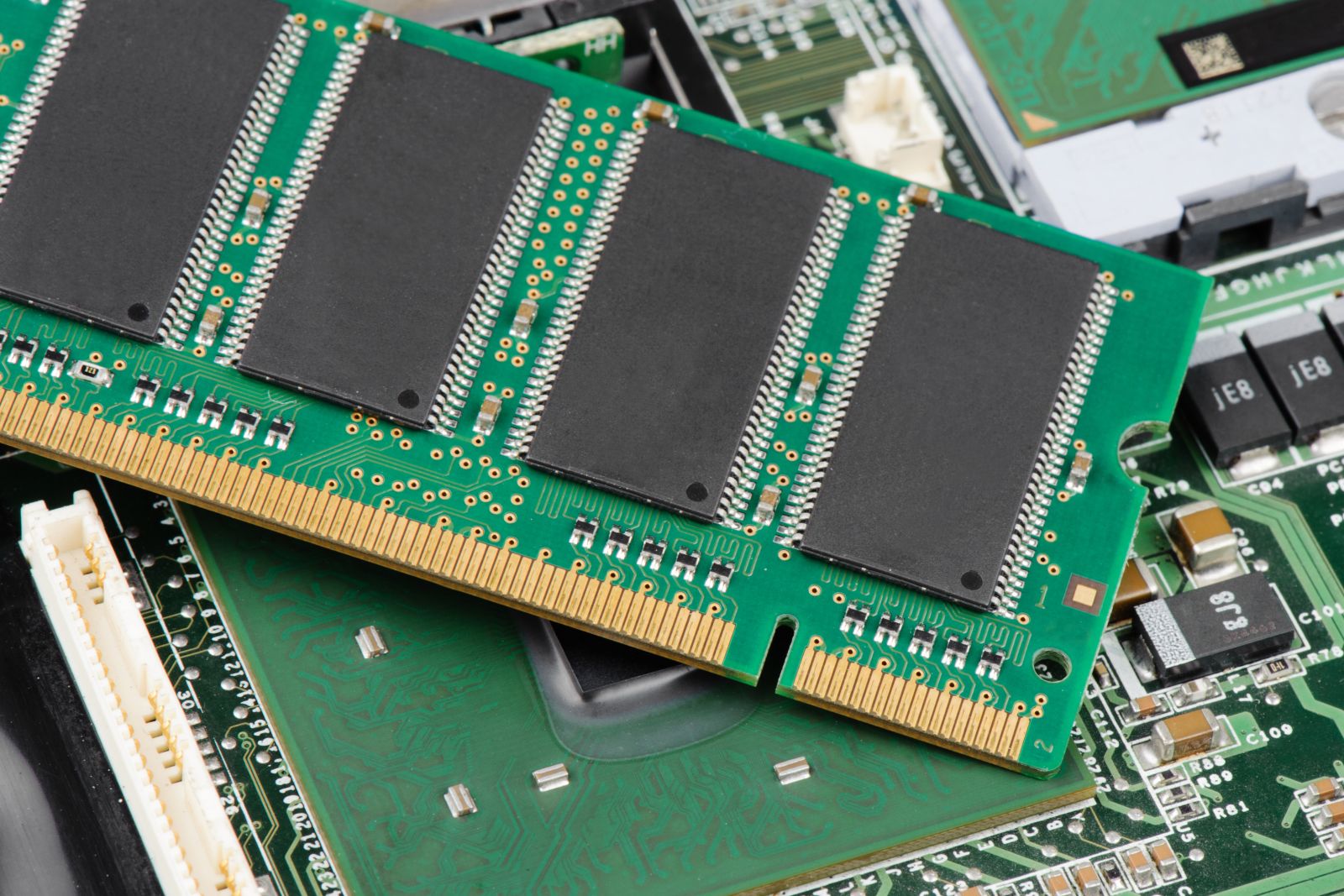
Memory Product Gross Margins Reach Record Highs


- Record Gross Margins: Rasgon noted that gross margins on memory products are currently above 90%, a level never seen before, indicating robust market demand driven by surging AI needs, which is propelling growth across the semiconductor sector.
- Investment Expansion: Micron Technology plans to increase its investment in the U.S. from $200 billion to $250 billion by 2035, a move that will further strengthen the resilience of the U.S. semiconductor supply chain to meet rising market demands.
- Memory Sales Surge: According to UBS, memory sales hit a record $74.6 billion in July, surging nearly 32% month-on-month, with NAND sales up 41% to $25.8 billion and DRAM sales rising nearly 28% to $48 billion, reflecting a strong recovery in the memory market.
- AI-Driven Demand: Rasgon highlighted that the rapid growth of the AI industry is driving demand for chips and wafers, with market leader Nvidia expected to generate $500 billion in data center revenue next year, indicating ongoing competition in the semiconductor space while the overall market continues to expand.
US Stocks Rise, Led by Chipmakers Amid Strong Investor Demand
- Chipmaker Surge: SK Hynix's American depositary receipts (ADRs) were oversubscribed by more than seven times, raising approximately $24.5 billion, making it the second-largest foreign company offering, indicating strong investor demand and driving overall market gains.
- Positive Labor Market Signals: Weekly initial unemployment claims unexpectedly fell by 2,000 to 215,000, marking a six-week low, which suggests a robust labor market and enhances market confidence in economic recovery, potentially influencing Fed policy.
- Optimistic Q2 Earnings Outlook: Bloomberg Intelligence forecasts a 23% increase in Q2 earnings, close to Q1's 30% growth, primarily driven by AI infrastructure stocks, reflecting sustained market confidence in technology sectors.
- International Market Recovery: The Euro Stoxx 50 rose by 1.10%, China's Shanghai Composite increased by 1.65%, and Japan's Nikkei 225 climbed by 1.38%, indicating global market optimism regarding the US economic recovery, further supporting US stock gains.

US Stocks Rise, Driven by Strong Chipmaker Performance

- Chipmaker Surge: South Korea's SK Hynix saw its American depositary receipts (ADRs) oversubscribed by over seven times, raising approximately $24.5 billion, making it the second-largest foreign company offering, which signals strong investor demand and boosts overall market performance.
- Positive Labor Market Signals: Initial jobless claims in the US unexpectedly fell by 2,000 to 215,000, marking a six-week low, indicating a robust labor market that enhances market confidence in future economic growth and may influence Federal Reserve policy.
- Optimistic Q2 Earnings Outlook: Bloomberg Intelligence forecasts a 23% increase in Q2 earnings, close to Q1's 30% growth, primarily driven by AI infrastructure spending expected to contribute nearly 60% to S&P 500 earnings-per-share growth, providing a positive outlook for investors.
- Escalating Geopolitical Risks: Despite rising tensions in the Middle East with ongoing US military strikes against Iran, the market continues to rise, reflecting investor confidence in economic fundamentals, although this situation may impact energy supplies and market volatility.
Micron Technology Stock Jumps 8% Amid AI Rally

- Significant Stock Surge: Micron Technology (MU) shares surged 8% on Thursday, joining a broader rally in memory and AI-related stocks, reflecting strong market confidence, particularly following reports of SK Hynix's (000660.KS) oversubscribed US IPO.
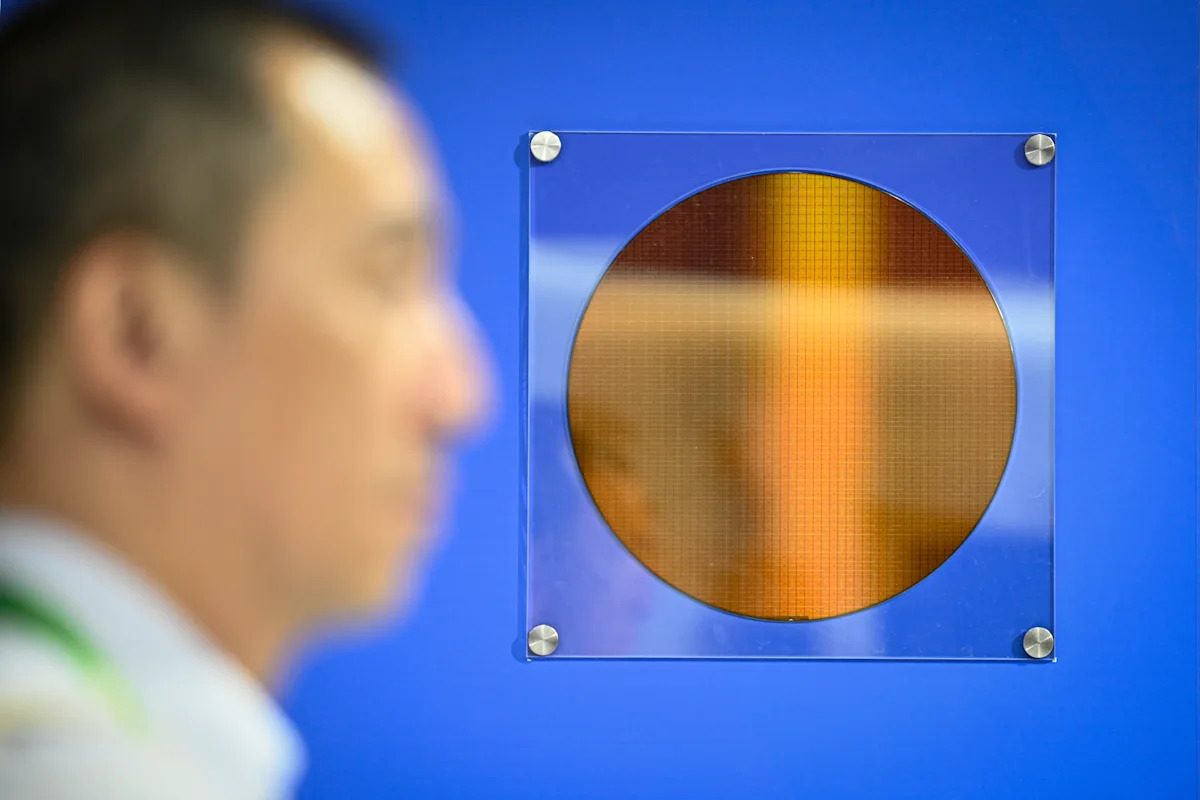
- Investment Announcement: Micron unveiled plans to invest up to $3 billion to strengthen the US semiconductor supply chain, with part of the investment aimed at supporting GlobalWafers' silicon wafer manufacturing operations in Texas, which is expected to enhance the company's competitive edge globally.
- Long-Term Supply Agreement: Micron and GlobalWafers have entered into a 10-year supply agreement, ensuring Micron long-term access to raw silicon wafer capacity, which will help meet the growing demand from AI data centers and further solidify its market position.
- Market Drivers: The rapid growth in the artificial intelligence sector has driven earnings growth for Micron and other related companies, with the market widely expecting that the shortage of high-bandwidth memory (HBM) will persist through 2027, providing strong support for Micron's stock price.

The Relationship Between Hyperscalers and AI Infrastructure Stocks

- Hyperscaler Advantages: Companies like Amazon, Microsoft, and Alphabet not only have rapidly growing cloud computing units but also leverage strong operating cash flow to support their AI infrastructure spending, maintaining competitiveness in the market.
- AI Infrastructure Stock Performance: AI infrastructure stocks are favored by investors due to their critical role in data center construction, particularly Nvidia and AMD, with Nvidia being the largest beneficiary due to its GPUs' widespread use in AI model training.
- Memory Market Dynamics: The AI infrastructure build-out has led to soaring demand for high-bandwidth memory (HBM) and NAND flash, causing DRAM shortages and significantly boosting revenues and margins for companies like Micron and Sandisk.
- Investor Focus Shift: While AI infrastructure stocks are currently favored, hyperscalers can achieve dual wins through flexible capital expenditure strategies, allowing them to maintain growth while opting to reduce spending for strong free cash flow, showcasing their potential in the market.
U.S. Stocks Close Higher Led by Chipmakers Amid Strong Investor Demand
- Chipmaker Rally: The U.S. stock market saw a boost as chipmakers surged, driven by SK Hynix's ADRs being oversubscribed by more than seven times, indicating strong investor demand and enhancing overall market sentiment.
- Optimistic Market Sentiment: Despite escalating tensions in the Middle East, stocks rose, reflecting investor confidence in robust Q2 earnings forecasts, which are expected to increase by 23%, close to Q1's impressive 30% growth.
- Strong Labor Market: Weekly initial unemployment claims unexpectedly fell to 215,000, indicating a resilient labor market that further supports the upward trend in stock prices amid economic uncertainties.
- Airline Stocks Benefit from Oil Price Drop: Airline and cruise line stocks rallied as WTI crude oil prices fell over 1%, showcasing the market's sensitivity to fluctuations in energy prices and their impact on operational costs.
Memory Product Gross Margins Reach Record Highs
- Record Gross Margins: Rasgon noted that gross margins on memory products are currently above 90%, a level never seen before, indicating robust market demand driven by surging AI needs, which is propelling growth across the semiconductor sector.
- Investment Expansion: Micron Technology plans to increase its investment in the U.S. from $200 billion to $250 billion by 2035, a move that will further strengthen the resilience of the U.S. semiconductor supply chain to meet rising market demands.
- Memory Sales Surge: According to UBS, memory sales hit a record $74.6 billion in July, surging nearly 32% month-on-month, with NAND sales up 41% to $25.8 billion and DRAM sales rising nearly 28% to $48 billion, reflecting a strong recovery in the memory market.
- AI-Driven Demand: Rasgon highlighted that the rapid growth of the AI industry is driving demand for chips and wafers, with market leader Nvidia expected to generate $500 billion in data center revenue next year, indicating ongoing competition in the semiconductor space while the overall market continues to expand.
US Stocks Rise, Led by Chipmakers Amid Strong Investor Demand
- Chipmaker Surge: SK Hynix's American depositary receipts (ADRs) were oversubscribed by more than seven times, raising approximately $24.5 billion, making it the second-largest foreign company offering, indicating strong investor demand and driving overall market gains.
- Positive Labor Market Signals: Weekly initial unemployment claims unexpectedly fell by 2,000 to 215,000, marking a six-week low, which suggests a robust labor market and enhances market confidence in economic recovery, potentially influencing Fed policy.
- Optimistic Q2 Earnings Outlook: Bloomberg Intelligence forecasts a 23% increase in Q2 earnings, close to Q1's 30% growth, primarily driven by AI infrastructure stocks, reflecting sustained market confidence in technology sectors.
- International Market Recovery: The Euro Stoxx 50 rose by 1.10%, China's Shanghai Composite increased by 1.65%, and Japan's Nikkei 225 climbed by 1.38%, indicating global market optimism regarding the US economic recovery, further supporting US stock gains.
US Stocks Rise, Driven by Strong Chipmaker Performance
- Chipmaker Surge: South Korea's SK Hynix saw its American depositary receipts (ADRs) oversubscribed by over seven times, raising approximately $24.5 billion, making it the second-largest foreign company offering, which signals strong investor demand and boosts overall market performance.
- Positive Labor Market Signals: Initial jobless claims in the US unexpectedly fell by 2,000 to 215,000, marking a six-week low, indicating a robust labor market that enhances market confidence in future economic growth and may influence Federal Reserve policy.
- Optimistic Q2 Earnings Outlook: Bloomberg Intelligence forecasts a 23% increase in Q2 earnings, close to Q1's 30% growth, primarily driven by AI infrastructure spending expected to contribute nearly 60% to S&P 500 earnings-per-share growth, providing a positive outlook for investors.
- Escalating Geopolitical Risks: Despite rising tensions in the Middle East with ongoing US military strikes against Iran, the market continues to rise, reflecting investor confidence in economic fundamentals, although this situation may impact energy supplies and market volatility.
Micron Technology Stock Jumps 8% Amid AI Rally
- Significant Stock Surge: Micron Technology (MU) shares surged 8% on Thursday, joining a broader rally in memory and AI-related stocks, reflecting strong market confidence, particularly following reports of SK Hynix's (000660.KS) oversubscribed US IPO.
- Investment Announcement: Micron unveiled plans to invest up to $3 billion to strengthen the US semiconductor supply chain, with part of the investment aimed at supporting GlobalWafers' silicon wafer manufacturing operations in Texas, which is expected to enhance the company's competitive edge globally.
- Long-Term Supply Agreement: Micron and GlobalWafers have entered into a 10-year supply agreement, ensuring Micron long-term access to raw silicon wafer capacity, which will help meet the growing demand from AI data centers and further solidify its market position.
- Market Drivers: The rapid growth in the artificial intelligence sector has driven earnings growth for Micron and other related companies, with the market widely expecting that the shortage of high-bandwidth memory (HBM) will persist through 2027, providing strong support for Micron's stock price.
The Relationship Between Hyperscalers and AI Infrastructure Stocks
- Hyperscaler Advantages: Companies like Amazon, Microsoft, and Alphabet not only have rapidly growing cloud computing units but also leverage strong operating cash flow to support their AI infrastructure spending, maintaining competitiveness in the market.
- AI Infrastructure Stock Performance: AI infrastructure stocks are favored by investors due to their critical role in data center construction, particularly Nvidia and AMD, with Nvidia being the largest beneficiary due to its GPUs' widespread use in AI model training.
- Memory Market Dynamics: The AI infrastructure build-out has led to soaring demand for high-bandwidth memory (HBM) and NAND flash, causing DRAM shortages and significantly boosting revenues and margins for companies like Micron and Sandisk.
- Investor Focus Shift: While AI infrastructure stocks are currently favored, hyperscalers can achieve dual wins through flexible capital expenditure strategies, allowing them to maintain growth while opting to reduce spending for strong free cash flow, showcasing their potential in the market.