Stellantis, Wayve, and Uber Partner to Scale Robotaxis Globally
Written by Emily J. Thompson, Senior Investment Analyst
Updated: 1 hour ago
0mins
Source: Newsfilter
- Collaboration for Autonomous Taxis: Stellantis, Wayve, and Uber are partnering to develop and deploy Level 4 (L4) driverless robotaxis globally, leveraging Stellantis' L4-Ready Platforms™, Wayve's AI driving technology, and Uber's extensive mobility network to commercialize autonomous services.
- Vehicle Manufacturing and Integration: Stellantis will design and manufacture L4 vehicles equipped with embedded sensor suites, ensuring compliance with safety and redundancy requirements for high-utilization driverless operations, thereby enhancing market competitiveness and operational efficiency.
- AI Technology Advantage: Wayve's AI driving software enables vehicles to navigate complex environments autonomously, utilizing a mapless adaptive approach that reduces expansion costs and accelerates deployment across diverse regions, addressing global demand for autonomous driving.
- Global Mobility Platform Integration: Uber will deploy these autonomous vehicles on its global mobility network, connecting riders to autonomous services through the Uber app, enhancing user experience and accelerating the adoption of autonomous driving technology.
Trade with 70% Backtested Accuracy
Stop guessing "Should I Buy STLA?" and start using high-conviction signals backed by rigorous historical data.
Sign up today to access powerful investing tools and make smarter, data-driven decisions.
Analyst Views on STLA
Wall Street analysts forecast STLA stock price to rise
14 Analyst Rating
7 Buy
7 Hold
0 Sell
Moderate Buy
Current: 7.040

Low
9.33
Averages
11.81
High
15.15
Current: 7.040
Low
9.33
Averages
11.81
High
15.15
About STLA
Stellantis N.V., formerly Fiat Chrysler Automobiles N.V., is a holding Company based in the Netherlands and operates as an automaker and a mobility provider. The Company is engaged in designing, engineering, manufacturing, distributing and selling vehicles, components and production systems. The Company has industrial operations in more than 30 countries and sells its vehicles directly or through distributors and dealers in more than 130 countries. The Company designs, manufactures, distributes and sells vehicles for the mass-market under the Abarth, Alfa Romeo, Chrysler, Dodge, Fiat, Fiat Professional, Jeep, Lancia and Ram brands. In addition, the Company designs, manufactures, distributes and sells luxury vehicles under the Maserati brand. The Company's brand portfolio also includes Peugeot, Citroen, DS Automobiles, Opel and Vauxhall. It offers a wide variety of vehicle choices from luxury and mainstream passenger vehicles to pickup trucks, sport utility vehicle (SUVs).
About the author

Emily J. Thompson
Emily J. Thompson, a Chartered Financial Analyst (CFA) with 12 years in investment research, graduated with honors from the Wharton School. Specializing in industrial and technology stocks, she provides in-depth analysis for Intellectia’s earnings and market brief reports.
Stellantis, Wayve, and Uber Partner to Scale Robotaxis Globally

- Collaboration for Autonomous Taxis: Stellantis, Wayve, and Uber are partnering to develop and deploy Level 4 (L4) driverless robotaxis globally, leveraging Stellantis' L4-Ready Platforms™, Wayve's AI driving technology, and Uber's extensive mobility network to commercialize autonomous services.
- Vehicle Manufacturing and Integration: Stellantis will design and manufacture L4 vehicles equipped with embedded sensor suites, ensuring compliance with safety and redundancy requirements for high-utilization driverless operations, thereby enhancing market competitiveness and operational efficiency.
- AI Technology Advantage: Wayve's AI driving software enables vehicles to navigate complex environments autonomously, utilizing a mapless adaptive approach that reduces expansion costs and accelerates deployment across diverse regions, addressing global demand for autonomous driving.
- Global Mobility Platform Integration: Uber will deploy these autonomous vehicles on its global mobility network, connecting riders to autonomous services through the Uber app, enhancing user experience and accelerating the adoption of autonomous driving technology.
See More
Carvana Enters New Vehicle Market, Disrupting Traditional Dealership Model

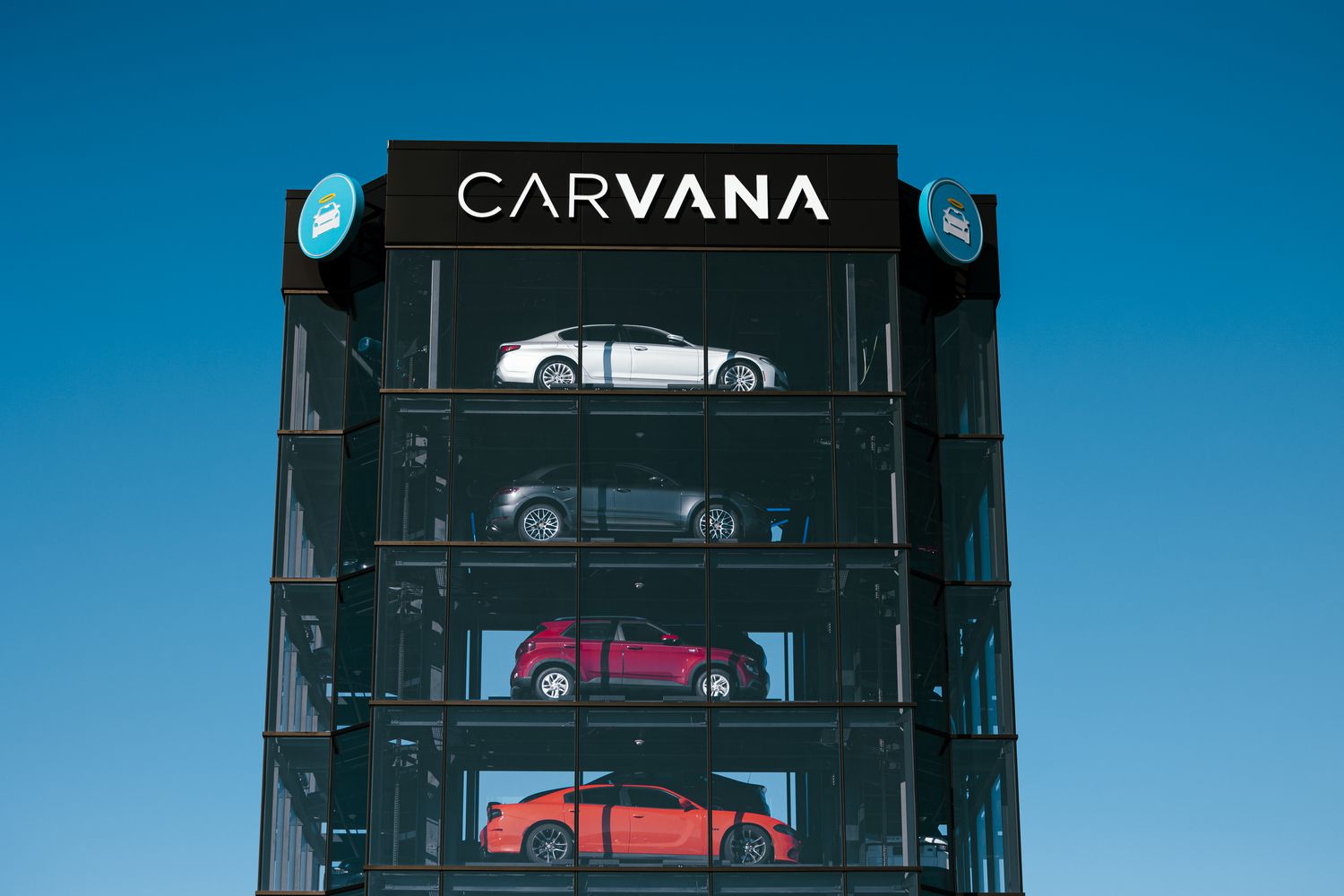
- Expansion into New Vehicle Market: Carvana has quietly acquired seven new vehicle franchises since last year, primarily selling Stellantis brands, marking a successful transition from used car retailer to new vehicle market player, which is expected to significantly impact the traditional dealership system.
- Remarkable Sales Performance: Carvana's new dealership in Arizona sold over 700 new vehicles last month, becoming the top-selling store nationally, compared to an average of 30 to 50 monthly sales prior to the acquisition, demonstrating strong market demand and sales capability.
- Disruption Potential: Industry analysts suggest that Carvana's entry into the new vehicle franchise business could be one of the most disruptive forces in the U.S. auto retail market in decades, potentially prompting traditional dealers to adapt to new market conditions to remain competitive.
- Lifecycle Management: By adding new vehicle sales, Carvana not only increases revenue streams but also enhances its ability to acquire used vehicles from new car customers, leveraging exclusive auctions to gain a competitive edge in the secondary market, further solidifying its market position.
See More

Carvana Expands into New Vehicle Franchises, Disrupting Auto Retail
- Market Disruption Potential: Carvana has acquired seven new vehicle franchises since last year, primarily selling Stellantis brands like Chrysler, Dodge, Jeep, and Ram, which is expected to significantly alter the U.S. new vehicle franchised dealer system and may represent one of the most disruptive forces in auto retailing in decades.
- Sales Performance Surge: Carvana's new dealership in Casa Grande, Arizona, sold over 700 new vehicles last month, making it the best-selling store nationally, compared to an average of 30 to 50 monthly sales prior to the acquisition, showcasing its rapid market penetration capabilities.
- Revenue Diversification: By entering the new vehicle market, Carvana not only adds a new revenue stream but also opens up new avenues for purchasing used vehicles through exclusive auctions from new vehicle customers, thereby gaining a competitive edge in the secondary market.
- Increased Industry Adaptability: Despite facing regulatory challenges in new car sales, Carvana's online sales model and robust logistics infrastructure allow it to stand out among traditional dealers, driving digital transformation in the industry and compelling other dealers to adapt to maintain competitiveness.
See More

BNEF Lowers U.S. EV Adoption Outlook to 17% by 2030
- EV Sales Outlook Downgrade: BloombergNEF has revised its forecast for U.S. electric vehicle sales down to 17% from last year's 27%, indicating a significant impact on global EV adoption as the U.S. market weakens.
- Global Sales Projection Decline: The global sales of electric vehicles are now expected to reach 35.6 million units by 2030, which is 3.4 million fewer than previously estimated, highlighting the adverse effects of changing policies on market dynamics.
- Significant Policy Impact: The rollback of federal support measures under the Trump administration, including the weakening of fuel-efficiency standards and the elimination of a $7,500 federal tax credit, has dampened consumer demand and forced automakers to scale back their EV plans, affecting their competitive edge.
- Accumulated Industry Losses: Major automakers such as Stellantis, Ford, General Motors, and Honda have collectively incurred approximately $64 billion in EV-related losses over the past year, underscoring the severe challenges faced by the industry amid a shifting regulatory landscape.
See More
Volkswagen, Stellantis, Renault Urge EU to Support Automotive Manufacturing
- Industry Collaboration Initiative: Volkswagen, Stellantis, and Renault have jointly urged EU policymakers to implement measures supporting automotive manufacturing, representing about 60% of EU vehicle production, highlighting the industry's urgent need for policy backing.
- Local Sourcing Framework: The proposals aim to establish a clearer framework for local sourcing and vehicle assembly to combat fierce competition from Chinese automakers, emphasizing survival challenges amid technology gaps and high-cost environments.
- Incentive Measures Proposal: They suggest relaxing the criteria under the EU's 'Made in Europe' plans to require at least 70% of a vehicle's value to come from parts and work conducted within EU member states, which would enhance local manufacturers' competitiveness.
- R&D and Assembly Inclusion: The proposals also include counting research and development work towards local content thresholds and requiring vehicle assembly to meet the same standards, thereby strengthening the market competitiveness of local electric vehicles, especially against lower-priced Chinese brands.
See More

Analysis of Competition in the eVTOL Market


- Market Outlook: According to Eve Air Mobility's Global Market Outlook, by 2045, there could be 30,000 eVTOLs in operation carrying three billion passengers, despite Joby and Archer lacking FAA approval for commercial flights, which has led to depressed stock prices for both companies.
- Technical Comparison: Joby's S4 and Archer's Midnight exhibit significant design differences, with the S4 achieving a maximum range of 150 miles and a speed of 200 mph, while the Midnight has a range of 100 miles and a speed of 150 mph, highlighting Joby's technological advantage.
- Financial Projections: Analysts expect Joby's revenue to grow from $53 million in 2025 to $458 million in 2028, with a net loss narrowing to $722 million, whereas Archer's revenue is projected to surge from under $1 million in 2025 to $482 million in 2028, but its net loss is expected to widen to $868 million.
- Investment Advantages: Joby's market cap stands at $9.2 billion, trading at 20 times its 2028 sales, reflecting its potential in the
See More
Stellantis, Wayve, and Uber Partner to Scale Robotaxis Globally
- Collaboration for Autonomous Taxis: Stellantis, Wayve, and Uber are partnering to develop and deploy Level 4 (L4) driverless robotaxis globally, leveraging Stellantis' L4-Ready Platforms™, Wayve's AI driving technology, and Uber's extensive mobility network to commercialize autonomous services.
- Vehicle Manufacturing and Integration: Stellantis will design and manufacture L4 vehicles equipped with embedded sensor suites, ensuring compliance with safety and redundancy requirements for high-utilization driverless operations, thereby enhancing market competitiveness and operational efficiency.
- AI Technology Advantage: Wayve's AI driving software enables vehicles to navigate complex environments autonomously, utilizing a mapless adaptive approach that reduces expansion costs and accelerates deployment across diverse regions, addressing global demand for autonomous driving.
- Global Mobility Platform Integration: Uber will deploy these autonomous vehicles on its global mobility network, connecting riders to autonomous services through the Uber app, enhancing user experience and accelerating the adoption of autonomous driving technology.
See More
Carvana Enters New Vehicle Market, Disrupting Traditional Dealership Model
- Expansion into New Vehicle Market: Carvana has quietly acquired seven new vehicle franchises since last year, primarily selling Stellantis brands, marking a successful transition from used car retailer to new vehicle market player, which is expected to significantly impact the traditional dealership system.
- Remarkable Sales Performance: Carvana's new dealership in Arizona sold over 700 new vehicles last month, becoming the top-selling store nationally, compared to an average of 30 to 50 monthly sales prior to the acquisition, demonstrating strong market demand and sales capability.
- Disruption Potential: Industry analysts suggest that Carvana's entry into the new vehicle franchise business could be one of the most disruptive forces in the U.S. auto retail market in decades, potentially prompting traditional dealers to adapt to new market conditions to remain competitive.
- Lifecycle Management: By adding new vehicle sales, Carvana not only increases revenue streams but also enhances its ability to acquire used vehicles from new car customers, leveraging exclusive auctions to gain a competitive edge in the secondary market, further solidifying its market position.
See More
Carvana Expands into New Vehicle Franchises, Disrupting Auto Retail
- Market Disruption Potential: Carvana has acquired seven new vehicle franchises since last year, primarily selling Stellantis brands like Chrysler, Dodge, Jeep, and Ram, which is expected to significantly alter the U.S. new vehicle franchised dealer system and may represent one of the most disruptive forces in auto retailing in decades.
- Sales Performance Surge: Carvana's new dealership in Casa Grande, Arizona, sold over 700 new vehicles last month, making it the best-selling store nationally, compared to an average of 30 to 50 monthly sales prior to the acquisition, showcasing its rapid market penetration capabilities.
- Revenue Diversification: By entering the new vehicle market, Carvana not only adds a new revenue stream but also opens up new avenues for purchasing used vehicles through exclusive auctions from new vehicle customers, thereby gaining a competitive edge in the secondary market.
- Increased Industry Adaptability: Despite facing regulatory challenges in new car sales, Carvana's online sales model and robust logistics infrastructure allow it to stand out among traditional dealers, driving digital transformation in the industry and compelling other dealers to adapt to maintain competitiveness.
See More
BNEF Lowers U.S. EV Adoption Outlook to 17% by 2030
- EV Sales Outlook Downgrade: BloombergNEF has revised its forecast for U.S. electric vehicle sales down to 17% from last year's 27%, indicating a significant impact on global EV adoption as the U.S. market weakens.
- Global Sales Projection Decline: The global sales of electric vehicles are now expected to reach 35.6 million units by 2030, which is 3.4 million fewer than previously estimated, highlighting the adverse effects of changing policies on market dynamics.
- Significant Policy Impact: The rollback of federal support measures under the Trump administration, including the weakening of fuel-efficiency standards and the elimination of a $7,500 federal tax credit, has dampened consumer demand and forced automakers to scale back their EV plans, affecting their competitive edge.
- Accumulated Industry Losses: Major automakers such as Stellantis, Ford, General Motors, and Honda have collectively incurred approximately $64 billion in EV-related losses over the past year, underscoring the severe challenges faced by the industry amid a shifting regulatory landscape.
See More
Volkswagen, Stellantis, Renault Urge EU to Support Automotive Manufacturing
- Industry Collaboration Initiative: Volkswagen, Stellantis, and Renault have jointly urged EU policymakers to implement measures supporting automotive manufacturing, representing about 60% of EU vehicle production, highlighting the industry's urgent need for policy backing.
- Local Sourcing Framework: The proposals aim to establish a clearer framework for local sourcing and vehicle assembly to combat fierce competition from Chinese automakers, emphasizing survival challenges amid technology gaps and high-cost environments.
- Incentive Measures Proposal: They suggest relaxing the criteria under the EU's 'Made in Europe' plans to require at least 70% of a vehicle's value to come from parts and work conducted within EU member states, which would enhance local manufacturers' competitiveness.
- R&D and Assembly Inclusion: The proposals also include counting research and development work towards local content thresholds and requiring vehicle assembly to meet the same standards, thereby strengthening the market competitiveness of local electric vehicles, especially against lower-priced Chinese brands.
See More
Analysis of Competition in the eVTOL Market
- Market Outlook: According to Eve Air Mobility's Global Market Outlook, by 2045, there could be 30,000 eVTOLs in operation carrying three billion passengers, despite Joby and Archer lacking FAA approval for commercial flights, which has led to depressed stock prices for both companies.
- Technical Comparison: Joby's S4 and Archer's Midnight exhibit significant design differences, with the S4 achieving a maximum range of 150 miles and a speed of 200 mph, while the Midnight has a range of 100 miles and a speed of 150 mph, highlighting Joby's technological advantage.
- Financial Projections: Analysts expect Joby's revenue to grow from $53 million in 2025 to $458 million in 2028, with a net loss narrowing to $722 million, whereas Archer's revenue is projected to surge from under $1 million in 2025 to $482 million in 2028, but its net loss is expected to widen to $868 million.
- Investment Advantages: Joby's market cap stands at $9.2 billion, trading at 20 times its 2028 sales, reflecting its potential in the
See More