Stellantis Accused of Misleading Investors Over Earnings Projections
Written by Emily J. Thompson, Senior Investment Analyst
Updated: 1 hour ago
0mins
Should l Buy STLA?
Source: PRnewswire
- Class Action Filed: Robbins LLP reminds all investors who purchased Stellantis (STLA) securities between February 26, 2025, and February 5, 2026, that a class action has been initiated to recover losses incurred due to misleading information.
- Earnings Projection Controversy: The complaint alleges that Stellantis misled investors regarding its 2025 earnings forecasts, claiming confidence in achieving guided benchmarks while failing to disclose the true state of its earnings growth potential.
- Significant Financial Adjustments: On February 6, 2026, Stellantis announced €22 billion in charges and a business reset, indicating an overestimation of the electrification market's growth and a substantial decline in profitability expectations for battery electric vehicles (BEVs).
- Stock Price Plunge Impact: Following the announcement, Stellantis's stock price plummeted from €9.54 per share on February 5, 2026, to €7.28 per share on February 6, 2026, marking a dramatic 23.69% drop in just one day, reflecting severe market concerns about the company's future prospects.
Trade with 70% Backtested Accuracy
Stop guessing "Should I Buy STLA?" and start using high-conviction signals backed by rigorous historical data.
Sign up today to access powerful investing tools and make smarter, data-driven decisions.
Analyst Views on STLA
Wall Street analysts forecast STLA stock price to rise
14 Analyst Rating
7 Buy
7 Hold
0 Sell
Moderate Buy
Current: 8.500

Low
9.33
Averages
11.81
High
15.15
Current: 8.500
Low
9.33
Averages
11.81
High
15.15
About STLA
Stellantis N.V., formerly Fiat Chrysler Automobiles N.V., is a holding Company based in the Netherlands and operates as an automaker and a mobility provider. The Company is engaged in designing, engineering, manufacturing, distributing and selling vehicles, components and production systems. The Company has industrial operations in more than 30 countries and sells its vehicles directly or through distributors and dealers in more than 130 countries. The Company designs, manufactures, distributes and sells vehicles for the mass-market under the Abarth, Alfa Romeo, Chrysler, Dodge, Fiat, Fiat Professional, Jeep, Lancia and Ram brands. In addition, the Company designs, manufactures, distributes and sells luxury vehicles under the Maserati brand. The Company's brand portfolio also includes Peugeot, Citroen, DS Automobiles, Opel and Vauxhall. It offers a wide variety of vehicle choices from luxury and mainstream passenger vehicles to pickup trucks, sport utility vehicle (SUVs).
About the author

Emily J. Thompson
Emily J. Thompson, a Chartered Financial Analyst (CFA) with 12 years in investment research, graduated with honors from the Wharton School. Specializing in industrial and technology stocks, she provides in-depth analysis for Intellectia’s earnings and market brief reports.
Mopaw Launches Premium Pet Travel Accessories

- Growing Market Demand: The U.S. pet industry expenditures have surpassed $150 billion, with sales expected to continue climbing, highlighting the increasing integration of pets into family life, making Mopaw's launch timely to cater to pet lovers' needs.
- Diverse Product Line: Mopaw's offerings include vehicle-compatible pet carriers, folding kennels, and heavy-duty seat covers, all adhering to Mopar's high standards, ensuring safety and comfort for pets during travel, thereby enhancing the brand's competitive edge in the market.
- Strategic Brand Expansion: By connecting car enthusiasts with pet lovers, Mopaw showcases Mopar's expertise in automotive accessories while expanding its market reach, further solidifying its position in the pet accessory sector.
- Consumer Confidence Boost: The design of Mopaw products aims to reduce pet anxiety during travel, enhancing owners' peace of mind, which in turn strengthens consumer trust in the Mopar brand and promotes brand loyalty.
See More
Stellantis Accused of Misleading Investors Over Earnings Projections
- Class Action Filed: Robbins LLP reminds all investors who purchased Stellantis (STLA) securities between February 26, 2025, and February 5, 2026, that a class action has been initiated to recover losses incurred due to misleading information.
- Earnings Projection Controversy: The complaint alleges that Stellantis misled investors regarding its 2025 earnings forecasts, claiming confidence in achieving guided benchmarks while failing to disclose the true state of its earnings growth potential.
- Significant Financial Adjustments: On February 6, 2026, Stellantis announced €22 billion in charges and a business reset, indicating an overestimation of the electrification market's growth and a substantial decline in profitability expectations for battery electric vehicles (BEVs).
- Stock Price Plunge Impact: Following the announcement, Stellantis's stock price plummeted from €9.54 per share on February 5, 2026, to €7.28 per share on February 6, 2026, marking a dramatic 23.69% drop in just one day, reflecting severe market concerns about the company's future prospects.
See More
Stellantis Faces Class Action Lawsuit
- Class Action Initiated: Robbins Geller Rudman & Dowd LLP announces a class action lawsuit against Stellantis, representing investors who purchased its common stock between February 26, 2025, and February 5, 2026, alleging violations of the Securities Exchange Act of 1934 by top executives.
- False Statements Allegations: The lawsuit claims that Stellantis made false and misleading statements during the class period, failing to disclose the true potential for growth in the electrification market and the company's earnings prospects, misleading investors about the company's future.
- Surge in Restructuring Costs: On February 6, 2026, Stellantis announced a business reset that is expected to incur approximately €22.2 billion in restructuring charges, including €6.5 billion in cash payments over the next four years, leading to a stock price drop of over 23% following the announcement.
- Investor Rights Protection: Under the Private Securities Litigation Reform Act of 1995, any investor who purchased Stellantis stock during the class period can seek to be appointed as lead plaintiff, representing other investors in the lawsuit to ensure their rights are protected.
See More
GM CEO Compensation Continues to Rise

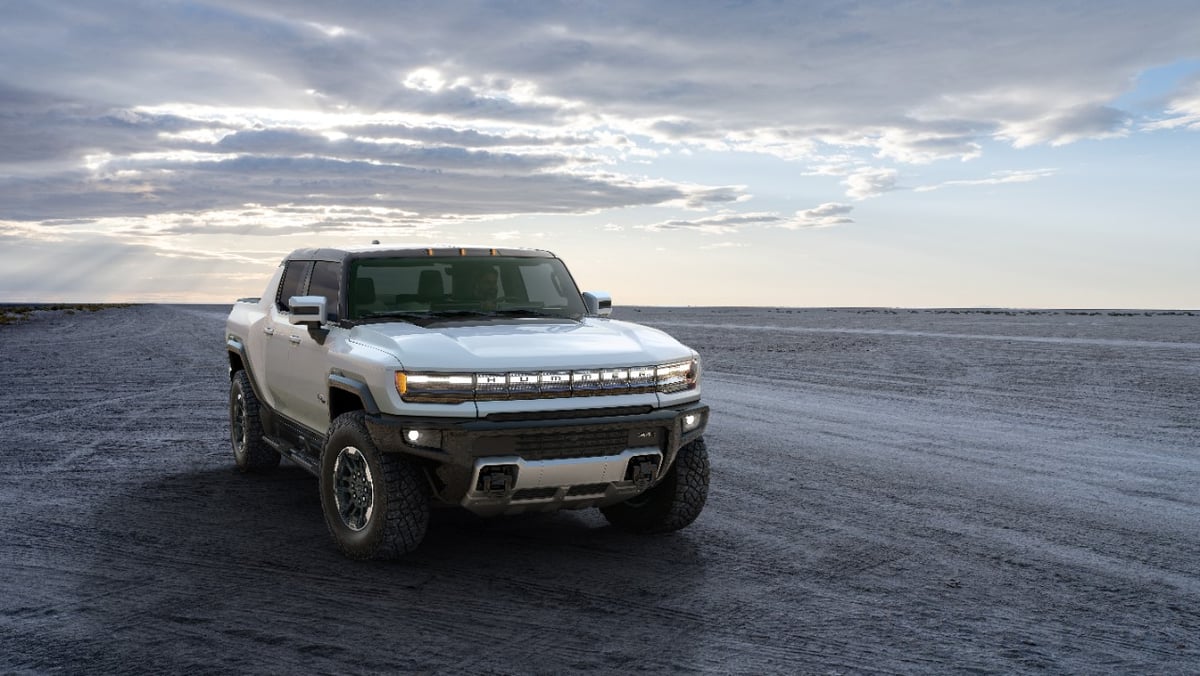
- Compensation Growth: GM CEO Mary Barra earned $29.9 million last year, reflecting a 1.4% increase from the previous year, with her base salary steady at $2.1 million and stock awards rising 11% to $21.6 million, indicating the company's strategy to attract top talent.
- Performance Comparison: Over the past three years, GM has significantly outperformed rivals, nearly tripling its closest competitor's value, particularly amidst volatile EV demand and uncertain trade policies, showcasing its strong market adaptability.
- Peer Compensation Analysis: Ford CEO Jim Farley's compensation also rose by 11% to $27.5 million, yet his performance only met 64% of earnings targets while facing record recalls, highlighting a disparity between executive pay and actual company performance.
- Aligning Shareholder Interests: GM has returned immense value to shareholders through tens of billions in stock buybacks, and while executive compensation may spark debate, the company's strong performance metrics and profitability provide robust justification for such pay.
See More

Mary Barra's $30 Million Pay in 2025 Surpasses Detroit Rivals
- Compensation Growth and Performance: GM CEO Mary Barra's 2025 compensation reached $29.9 million, reflecting a 1.4% increase from the previous year, with her base salary steady at $2.1 million and stock awards rising 11% to $21.6 million, demonstrating the company's commitment to attracting top talent in a competitive landscape.
- Incentive Structure Design: The targets set for GM's 2025 compensation program are designed to motivate management to navigate uncertainties, drive product innovation, and enhance profitability, thereby aligning with shareholder interests and emphasizing the company's focus on long-term value creation.
- Outstanding Market Performance: Over the past three years, GM has significantly outperformed its rivals, nearly tripling the market value of its closest competitor, showcasing the company's successful navigation of volatile electric vehicle demand and trade policy uncertainties, which further solidifies its market position.
- Peer Compensation Comparison: Compared to Ford CEO Jim Farley's $27.5 million compensation, which increased despite Ford only achieving 64% of its earnings targets, Barra's higher pay reflects differing market perceptions regarding executive compensation amidst varying company performances.
See More
Ford's F-Series Trucks Account for 90% of Profits

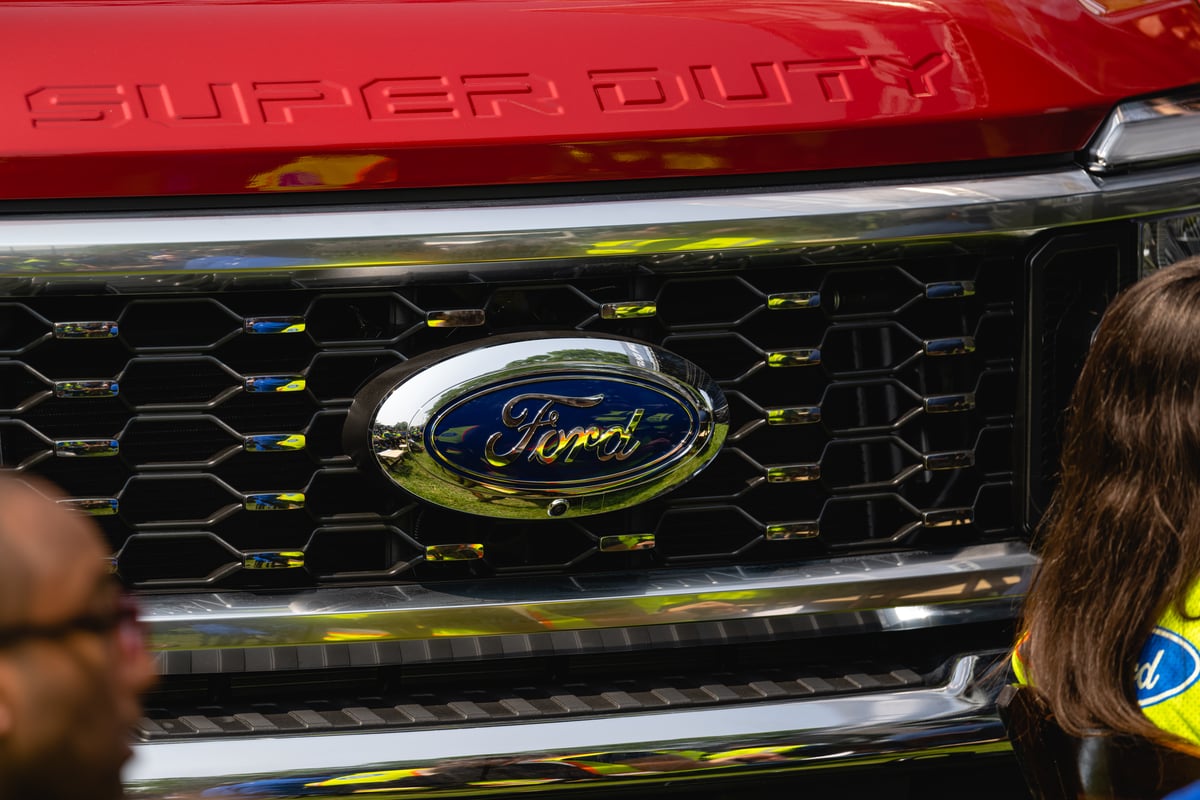
- Profit Source Analysis: Ford's F-Series trucks account for an astonishing 90% of the company's global profits, highlighting the critical role of the F-150 in maintaining financial health despite the automaker's diverse portfolio of around 20 models.
- Production Disruption Impact: A fire at a supplier's plant has severely disrupted aluminum production for the F-150, potentially costing Ford up to $2 billion, with recovery expected to be uneven and delayed into 2026.
- Sales Decline Situation: In the first quarter of 2023, F-Series sales in the U.S. dropped by 16% year-over-year, while competitors like GM and Stellantis reported stable or increased sales, indicating heightened market pressure on Ford.
- Response Measures: In response to these challenges, Ford is skipping its traditional summer shutdown and adding a third shift at its F-150 production sites, demonstrating a strong commitment to recovering lost market share as quickly as possible.
See More
Mopaw Launches Premium Pet Travel Accessories
- Growing Market Demand: The U.S. pet industry expenditures have surpassed $150 billion, with sales expected to continue climbing, highlighting the increasing integration of pets into family life, making Mopaw's launch timely to cater to pet lovers' needs.
- Diverse Product Line: Mopaw's offerings include vehicle-compatible pet carriers, folding kennels, and heavy-duty seat covers, all adhering to Mopar's high standards, ensuring safety and comfort for pets during travel, thereby enhancing the brand's competitive edge in the market.
- Strategic Brand Expansion: By connecting car enthusiasts with pet lovers, Mopaw showcases Mopar's expertise in automotive accessories while expanding its market reach, further solidifying its position in the pet accessory sector.
- Consumer Confidence Boost: The design of Mopaw products aims to reduce pet anxiety during travel, enhancing owners' peace of mind, which in turn strengthens consumer trust in the Mopar brand and promotes brand loyalty.
See More
Stellantis Accused of Misleading Investors Over Earnings Projections
- Class Action Filed: Robbins LLP reminds all investors who purchased Stellantis (STLA) securities between February 26, 2025, and February 5, 2026, that a class action has been initiated to recover losses incurred due to misleading information.
- Earnings Projection Controversy: The complaint alleges that Stellantis misled investors regarding its 2025 earnings forecasts, claiming confidence in achieving guided benchmarks while failing to disclose the true state of its earnings growth potential.
- Significant Financial Adjustments: On February 6, 2026, Stellantis announced €22 billion in charges and a business reset, indicating an overestimation of the electrification market's growth and a substantial decline in profitability expectations for battery electric vehicles (BEVs).
- Stock Price Plunge Impact: Following the announcement, Stellantis's stock price plummeted from €9.54 per share on February 5, 2026, to €7.28 per share on February 6, 2026, marking a dramatic 23.69% drop in just one day, reflecting severe market concerns about the company's future prospects.
See More
Stellantis Faces Class Action Lawsuit
- Class Action Initiated: Robbins Geller Rudman & Dowd LLP announces a class action lawsuit against Stellantis, representing investors who purchased its common stock between February 26, 2025, and February 5, 2026, alleging violations of the Securities Exchange Act of 1934 by top executives.
- False Statements Allegations: The lawsuit claims that Stellantis made false and misleading statements during the class period, failing to disclose the true potential for growth in the electrification market and the company's earnings prospects, misleading investors about the company's future.
- Surge in Restructuring Costs: On February 6, 2026, Stellantis announced a business reset that is expected to incur approximately €22.2 billion in restructuring charges, including €6.5 billion in cash payments over the next four years, leading to a stock price drop of over 23% following the announcement.
- Investor Rights Protection: Under the Private Securities Litigation Reform Act of 1995, any investor who purchased Stellantis stock during the class period can seek to be appointed as lead plaintiff, representing other investors in the lawsuit to ensure their rights are protected.
See More
GM CEO Compensation Continues to Rise
- Compensation Growth: GM CEO Mary Barra earned $29.9 million last year, reflecting a 1.4% increase from the previous year, with her base salary steady at $2.1 million and stock awards rising 11% to $21.6 million, indicating the company's strategy to attract top talent.
- Performance Comparison: Over the past three years, GM has significantly outperformed rivals, nearly tripling its closest competitor's value, particularly amidst volatile EV demand and uncertain trade policies, showcasing its strong market adaptability.
- Peer Compensation Analysis: Ford CEO Jim Farley's compensation also rose by 11% to $27.5 million, yet his performance only met 64% of earnings targets while facing record recalls, highlighting a disparity between executive pay and actual company performance.
- Aligning Shareholder Interests: GM has returned immense value to shareholders through tens of billions in stock buybacks, and while executive compensation may spark debate, the company's strong performance metrics and profitability provide robust justification for such pay.
See More
Mary Barra's $30 Million Pay in 2025 Surpasses Detroit Rivals
- Compensation Growth and Performance: GM CEO Mary Barra's 2025 compensation reached $29.9 million, reflecting a 1.4% increase from the previous year, with her base salary steady at $2.1 million and stock awards rising 11% to $21.6 million, demonstrating the company's commitment to attracting top talent in a competitive landscape.
- Incentive Structure Design: The targets set for GM's 2025 compensation program are designed to motivate management to navigate uncertainties, drive product innovation, and enhance profitability, thereby aligning with shareholder interests and emphasizing the company's focus on long-term value creation.
- Outstanding Market Performance: Over the past three years, GM has significantly outperformed its rivals, nearly tripling the market value of its closest competitor, showcasing the company's successful navigation of volatile electric vehicle demand and trade policy uncertainties, which further solidifies its market position.
- Peer Compensation Comparison: Compared to Ford CEO Jim Farley's $27.5 million compensation, which increased despite Ford only achieving 64% of its earnings targets, Barra's higher pay reflects differing market perceptions regarding executive compensation amidst varying company performances.
See More
Ford's F-Series Trucks Account for 90% of Profits
- Profit Source Analysis: Ford's F-Series trucks account for an astonishing 90% of the company's global profits, highlighting the critical role of the F-150 in maintaining financial health despite the automaker's diverse portfolio of around 20 models.
- Production Disruption Impact: A fire at a supplier's plant has severely disrupted aluminum production for the F-150, potentially costing Ford up to $2 billion, with recovery expected to be uneven and delayed into 2026.
- Sales Decline Situation: In the first quarter of 2023, F-Series sales in the U.S. dropped by 16% year-over-year, while competitors like GM and Stellantis reported stable or increased sales, indicating heightened market pressure on Ford.
- Response Measures: In response to these challenges, Ford is skipping its traditional summer shutdown and adding a third shift at its F-150 production sites, demonstrating a strong commitment to recovering lost market share as quickly as possible.
See More