State Attorneys General Can Request Additional Information on HPE-Juniper Merger, According to Bloomberg
Federal Judge's Ruling: A federal judge has allowed state attorneys general to seek more information regarding the Justice Department's antitrust settlement with Hewlett Packard Enterprise (HPE) related to its acquisition of Juniper Networks (JNPR).
Tunney Act Implications: The ruling is based on the Tunney Act's public-interest review process, enabling states to potentially halt the integration of HPE and Juniper while the settlement is examined more closely.
DOJ's Legal Action: The Department of Justice (DOJ) had previously filed a lawsuit in January to block HPE's $14 billion acquisition of Juniper Networks.
Ongoing Scrutiny: The decision indicates ongoing scrutiny of large corporate mergers and the role of state attorneys general in antitrust matters.
Trade with 70% Backtested Accuracy
Analyst Views on HPE

About HPE
About the author

Hewlett Packard Enterprise Shares Surge 25% on Strong Q2 Results and Outlook

- Strong Earnings Beat: Hewlett Packard Enterprise (HPE) reported fiscal Q2 results that exceeded expectations, leading to a premarket share surge of approximately 25%, indicating analysts' optimism about future growth prospects.
- Price Target Increase: Morgan Stanley raised HPE's price target from $33 to $71, highlighting that inelastic server demand and market share gains are expected to drive future profitability, with FY27 EPS projected at $4.16.
- Robust Market Demand: Analysts noted that despite rising memory costs, HPE is able to protect margins due to customers' willingness to absorb higher DRAM/NAND prices, with double-digit year-over-year growth in server orders reflecting the strategic importance of servers for enterprises.
- Positive Future Outlook: Bank of America maintained a Buy rating and increased the price target to $80, citing significant topline growth potential for FY27, with management indicating no signs of order pull-forwards, cancellations, or double ordering, suggesting future growth will be driven by networking and AI advancements.
Palo Alto Networks Shares Drop 4% Despite Strong Earnings


- Earnings Beat: Palo Alto Networks shares fell over 4% despite exceeding quarterly expectations, indicating market concerns about the company's long-term outlook despite strong financial results.
- Hardware Growth Outlook: The company raised its hardware growth forecast for the coming quarters, particularly for firewall installations in data centers and enterprise campuses, but management's guidance for fiscal 2030 subscription revenue did not see a significant increase, potentially disappointing investors.
- Market Reaction Analysis: The stock surged approximately 86% over the past two months, yet CEO Nikesh Arora cautioned during the earnings call against expecting substantial earnings growth in the short term, which may have triggered sell-offs from short-term traders.
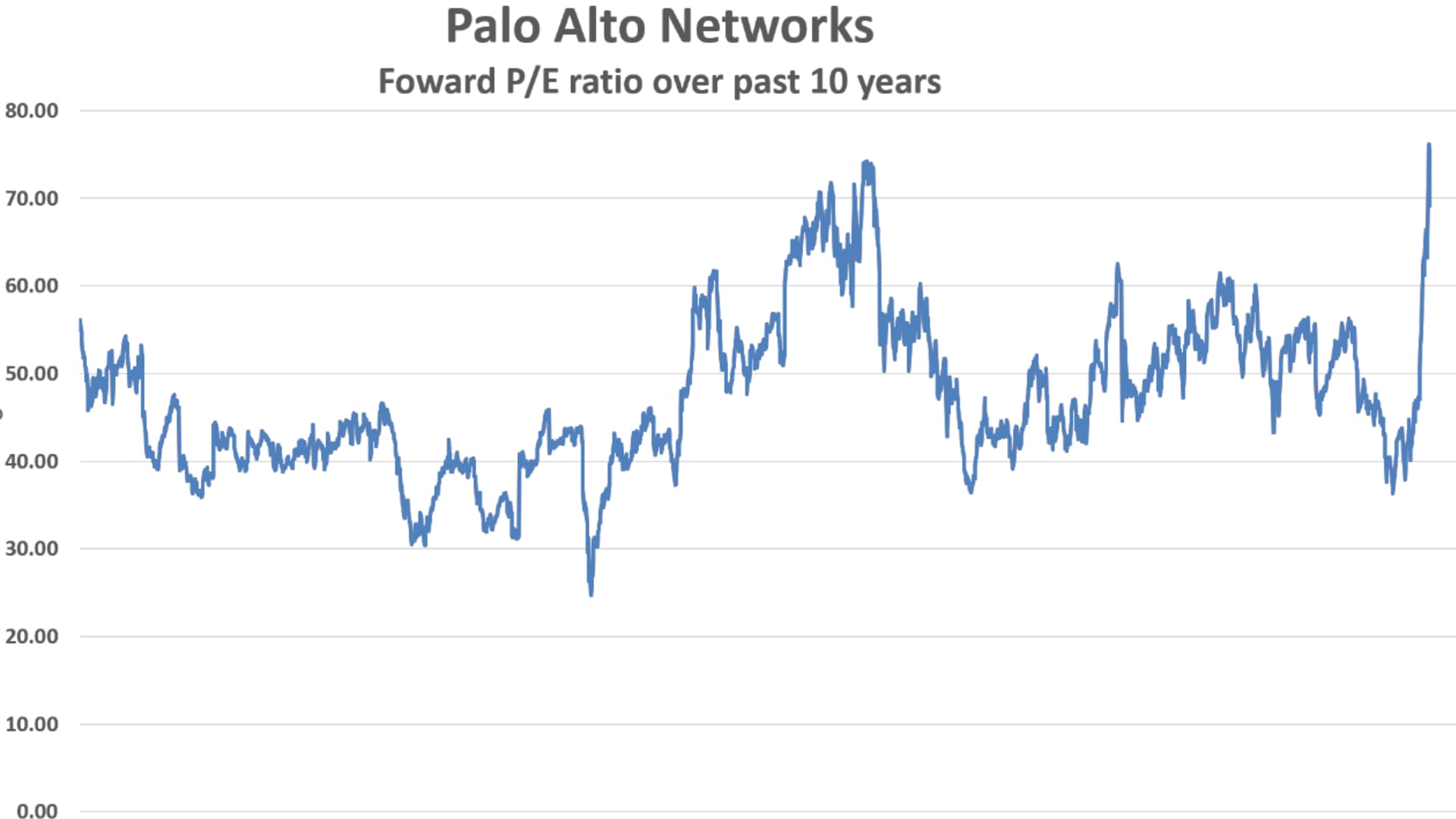
- Valuation Context: With a price-to-earnings ratio nearing 75, the stock is at its highest valuation in a decade, and while future growth is anticipated, the high valuation may lead investors to adopt a cautious stance regarding sustained price increases.

Market Dynamics and Company Performance Analysis

- Market Volatility Analysis: Following the S&P 500's record high, the market is slightly fluctuating due to uncertainties surrounding Iran and tariffs, indicating investor sensitivity to geopolitical risks that may affect short-term investment decisions.
- Cybersecurity Outlook: Palo Alto Networks experienced stock volatility post-earnings, as the CEO highlighted cybersecurity risks posed by artificial intelligence, yet market confidence in its future performance remains shaky, reflecting investor caution towards tech stocks.
- Beauty Industry Growth: Ulta Beauty reported a 5.3% same-store sales growth in Q1, exceeding expectations and indicating consumer demand for value, although the stock has declined from its highs, suggesting market concerns about future growth.
- Telecom Industry Challenges: Oppenheimer downgraded AT&T to hold due to potential threats to long-term broadband subscriber growth from satellite internet competition, reflecting market worries about traditional telecom businesses and hinting at the impact of emerging technologies on the sector.

U.S. Stocks Hit Record Highs, HPE and Marvell Surge


- Market Records: The S&P 500 index closed at an all-time high for the sixth consecutive day, surpassing 7,600 for the first time, indicating a robust market recovery and increased investor confidence, which may attract more capital inflows into equities.
- HPE Surge: Hewlett Packard Enterprise shares soared 19%, marking its best single-day performance ever, as CEO Antonio Neri stated the company has the “best portfolio we’ve ever had,” enhancing its competitive edge and driving future growth.
- Marvell's Major Gain: Marvell's stock jumped 32%, also achieving its largest one-day gain in history, after Nvidia's CEO Jensen Huang suggested it could be the “next trillion-dollar company,” providing investors with strong growth expectations.
- CME and Cboe Under Pressure: Shares of CME Group and Cboe Global Markets are on track for their worst week since 2020 following the regulatory approval of bitcoin futures, reflecting market concerns and selling pressure on cryptocurrency-related stocks.
U.S. Stocks Hit Record Highs, Macy's Sales Surge

- Market Performance: The S&P 500 index achieved an all-time closing high for the sixth consecutive day, surpassing 7,600 points for the first time, reflecting strong market recovery and heightened investor confidence, particularly driven by technology stocks.
- Macy's Sales Surge: Macy's reported its strongest first-quarter comparable sales performance in four years, with the CEO stating that better-than-expected sales and profitability led to an upward revision of the full-year forecast, indicating early success in its turnaround strategy.
- Hewlett Packard Enterprise Soars: Hewlett Packard Enterprise shares surged 19%, marking its best single-day gain ever, as the CEO claimed the company has the
Broadcom Stock Hits Record Highs Amid Surge in AI Demand

- Strong Stock Performance: Broadcom's stock surged 4.7% on Tuesday to a record high of $481.57, reflecting strong investor confidence in its future performance, particularly against the backdrop of soaring AI demand.
- Significant AI Revenue Growth: The company projects semiconductor revenue of $14.8 billion for Q2, representing a 76% year-over-year increase, with AI revenue expected to soar 140% to $10.7 billion, highlighting its critical role in AI data center development.
- Robust Customer Demand: Broadcom's long-term agreement with Google extends through 2031, ensuring continued production of custom processors, while its expanding partnership with Meta indicates strong market demand for its custom silicon.
- Optimistic Market Outlook: Analysts are generally bullish on Broadcom's future, forecasting that its AI backlog will exceed $150 billion by 2027, driving further market share growth and bolstering investor confidence.
Hewlett Packard Enterprise Shares Surge 25% on Strong Q2 Results and Outlook
- Strong Earnings Beat: Hewlett Packard Enterprise (HPE) reported fiscal Q2 results that exceeded expectations, leading to a premarket share surge of approximately 25%, indicating analysts' optimism about future growth prospects.
- Price Target Increase: Morgan Stanley raised HPE's price target from $33 to $71, highlighting that inelastic server demand and market share gains are expected to drive future profitability, with FY27 EPS projected at $4.16.
- Robust Market Demand: Analysts noted that despite rising memory costs, HPE is able to protect margins due to customers' willingness to absorb higher DRAM/NAND prices, with double-digit year-over-year growth in server orders reflecting the strategic importance of servers for enterprises.
- Positive Future Outlook: Bank of America maintained a Buy rating and increased the price target to $80, citing significant topline growth potential for FY27, with management indicating no signs of order pull-forwards, cancellations, or double ordering, suggesting future growth will be driven by networking and AI advancements.
Palo Alto Networks Shares Drop 4% Despite Strong Earnings
- Earnings Beat: Palo Alto Networks shares fell over 4% despite exceeding quarterly expectations, indicating market concerns about the company's long-term outlook despite strong financial results.
- Hardware Growth Outlook: The company raised its hardware growth forecast for the coming quarters, particularly for firewall installations in data centers and enterprise campuses, but management's guidance for fiscal 2030 subscription revenue did not see a significant increase, potentially disappointing investors.
- Market Reaction Analysis: The stock surged approximately 86% over the past two months, yet CEO Nikesh Arora cautioned during the earnings call against expecting substantial earnings growth in the short term, which may have triggered sell-offs from short-term traders.
- Valuation Context: With a price-to-earnings ratio nearing 75, the stock is at its highest valuation in a decade, and while future growth is anticipated, the high valuation may lead investors to adopt a cautious stance regarding sustained price increases.
Market Dynamics and Company Performance Analysis
- Market Volatility Analysis: Following the S&P 500's record high, the market is slightly fluctuating due to uncertainties surrounding Iran and tariffs, indicating investor sensitivity to geopolitical risks that may affect short-term investment decisions.
- Cybersecurity Outlook: Palo Alto Networks experienced stock volatility post-earnings, as the CEO highlighted cybersecurity risks posed by artificial intelligence, yet market confidence in its future performance remains shaky, reflecting investor caution towards tech stocks.
- Beauty Industry Growth: Ulta Beauty reported a 5.3% same-store sales growth in Q1, exceeding expectations and indicating consumer demand for value, although the stock has declined from its highs, suggesting market concerns about future growth.
- Telecom Industry Challenges: Oppenheimer downgraded AT&T to hold due to potential threats to long-term broadband subscriber growth from satellite internet competition, reflecting market worries about traditional telecom businesses and hinting at the impact of emerging technologies on the sector.
U.S. Stocks Hit Record Highs, HPE and Marvell Surge
- Market Records: The S&P 500 index closed at an all-time high for the sixth consecutive day, surpassing 7,600 for the first time, indicating a robust market recovery and increased investor confidence, which may attract more capital inflows into equities.
- HPE Surge: Hewlett Packard Enterprise shares soared 19%, marking its best single-day performance ever, as CEO Antonio Neri stated the company has the “best portfolio we’ve ever had,” enhancing its competitive edge and driving future growth.
- Marvell's Major Gain: Marvell's stock jumped 32%, also achieving its largest one-day gain in history, after Nvidia's CEO Jensen Huang suggested it could be the “next trillion-dollar company,” providing investors with strong growth expectations.
- CME and Cboe Under Pressure: Shares of CME Group and Cboe Global Markets are on track for their worst week since 2020 following the regulatory approval of bitcoin futures, reflecting market concerns and selling pressure on cryptocurrency-related stocks.
U.S. Stocks Hit Record Highs, Macy's Sales Surge
- Market Performance: The S&P 500 index achieved an all-time closing high for the sixth consecutive day, surpassing 7,600 points for the first time, reflecting strong market recovery and heightened investor confidence, particularly driven by technology stocks.
- Macy's Sales Surge: Macy's reported its strongest first-quarter comparable sales performance in four years, with the CEO stating that better-than-expected sales and profitability led to an upward revision of the full-year forecast, indicating early success in its turnaround strategy.
- Hewlett Packard Enterprise Soars: Hewlett Packard Enterprise shares surged 19%, marking its best single-day gain ever, as the CEO claimed the company has the
Broadcom Stock Hits Record Highs Amid Surge in AI Demand
- Strong Stock Performance: Broadcom's stock surged 4.7% on Tuesday to a record high of $481.57, reflecting strong investor confidence in its future performance, particularly against the backdrop of soaring AI demand.
- Significant AI Revenue Growth: The company projects semiconductor revenue of $14.8 billion for Q2, representing a 76% year-over-year increase, with AI revenue expected to soar 140% to $10.7 billion, highlighting its critical role in AI data center development.
- Robust Customer Demand: Broadcom's long-term agreement with Google extends through 2031, ensuring continued production of custom processors, while its expanding partnership with Meta indicates strong market demand for its custom silicon.
- Optimistic Market Outlook: Analysts are generally bullish on Broadcom's future, forecasting that its AI backlog will exceed $150 billion by 2027, driving further market share growth and bolstering investor confidence.