SpaceX Targets 2026 IPO Valued Up to $1.5 Trillion Amid Merger Speculation
Written by Emily J. Thompson, Senior Investment Analyst
Updated: Jan 12 2026
0mins
Source: stocktwits
- IPO Buzz Intensifies: Speculation around SpaceX's potential IPO in 2026 is growing, with valuations rumored to reach $1.5 trillion, although the company has not formally announced any plans, capturing significant attention on Wall Street.
- Reverse Merger Speculation: Venture capitalist Chamath Palihapitiya suggests that Musk may opt for a reverse merger with Tesla to consolidate control over both assets, aligning with Musk's vision of a holding company.
- Surging Market Interest: Anticipation for a SpaceX IPO is rising, fueled by Musk's social media hints and growing institutional interest, with Stocktwits follower count doubling over the past year and message volume increasing by approximately 1,600% in three months.
- Valuation Concerns for Tesla: While a merger could potentially boost Tesla's valuation, analysts caution that Tesla's forward P/E ratio of about 227x is significantly higher than traditional automakers, which may exert pressure on its stock price.
Trade with 70% Backtested Accuracy
Stop guessing "Should I Buy TSLA?" and start using high-conviction signals backed by rigorous historical data.
Sign up today to access powerful investing tools and make smarter, data-driven decisions.
Analyst Views on TSLA
Wall Street analysts forecast TSLA stock price to fall
30 Analyst Rating
12 Buy
11 Hold
7 Sell
Hold
Current: 442.100

Low
25.28
Averages
401.93
High
600.00
Current: 442.100
Low
25.28
Averages
401.93
High
600.00
About TSLA
Tesla, Inc. designs, develops, manufactures, sells and leases high-performance fully electric vehicles and energy generation and storage systems, and offers services related to its products. Its segments include automotive, and energy generation and storage. The automotive segment includes the design, development, manufacturing, sales and leasing of high-performance fully electric vehicles, and sales of automotive regulatory credits. It also includes sales of used vehicles, non-warranty maintenance services and collisions, part sales, paid supercharging, insurance services revenue and retail merchandise sales. The energy generation and storage segment include the design, manufacture, installation, sales and leasing of solar energy generation and energy storage products and related services and sales of solar energy systems incentives. Its consumer vehicles include the Model 3, Y, S, X and Cybertruck. Its lithium-ion battery energy storage products include Powerwall and Megapack.
About the author

Emily J. Thompson
Emily J. Thompson, a Chartered Financial Analyst (CFA) with 12 years in investment research, graduated with honors from the Wharton School. Specializing in industrial and technology stocks, she provides in-depth analysis for Intellectia’s earnings and market brief reports.

Tesla's Future Prospects and Challenges

- Stock Performance Review: Tesla's shares have skyrocketed 22,250% over the past 15 years, meaning a $4,500 investment in May 2011 would be worth $1 million today, showcasing its immense success in the EV market.
- Revenue Growth Struggles: The company reported a 16% year-over-year increase in automotive revenue for Q1, totaling $16.2 billion, yet this figure is 19% lower than the same period in 2023, indicating market pressures and intensified competition.
- Inventory Issues: While Tesla's deliveries rose 6% year-over-year in Q1, its inventory surged by 23%, suggesting potential overproduction, influenced by high interest rates and fierce competition, leading to sluggish sales growth.
- Future Investment Challenges: Tesla's capital expenditures are projected to exceed $25 billion this year, significantly up from $8.5 billion in 2025, and with a price-to-earnings ratio of 402, the market's high expectations pose considerable investment risks.
See More

Robotaxi Market Poised for Trillion-Dollar Growth
- Massive Market Potential: A McKinsey survey indicates that experts predict private self-driving vehicles will become a global reality by 2032, while robotaxis are expected to scale significantly by 2030, suggesting a rapidly growing market demand that could yield trillions in economic opportunities.
- Tesla's Competitive Edge: Tesla has commenced production of its Cybercab robotaxi, with costs significantly lower than competitors, and its integrated manufacturing capabilities allow for faster and cheaper production, positioning the company favorably in the emerging market.
- Rapid Expansion Plans: Tesla has launched robotaxi pilot programs in three Texas cities and plans to expand quickly over the next 12 to 24 months, with CEO Elon Musk expecting widespread service in the U.S. by year-end, despite ongoing safety and technical challenges.
- Valuation Outlook: Cathie Wood forecasts the global autonomous taxi market could reach $8 trillion to $10 trillion, highlighting how quickly AI technology will drive market growth, with Tesla likely to be a major beneficiary in this evolving landscape.
See More
Analysis of SpaceX IPO Prospects and Market Dynamics


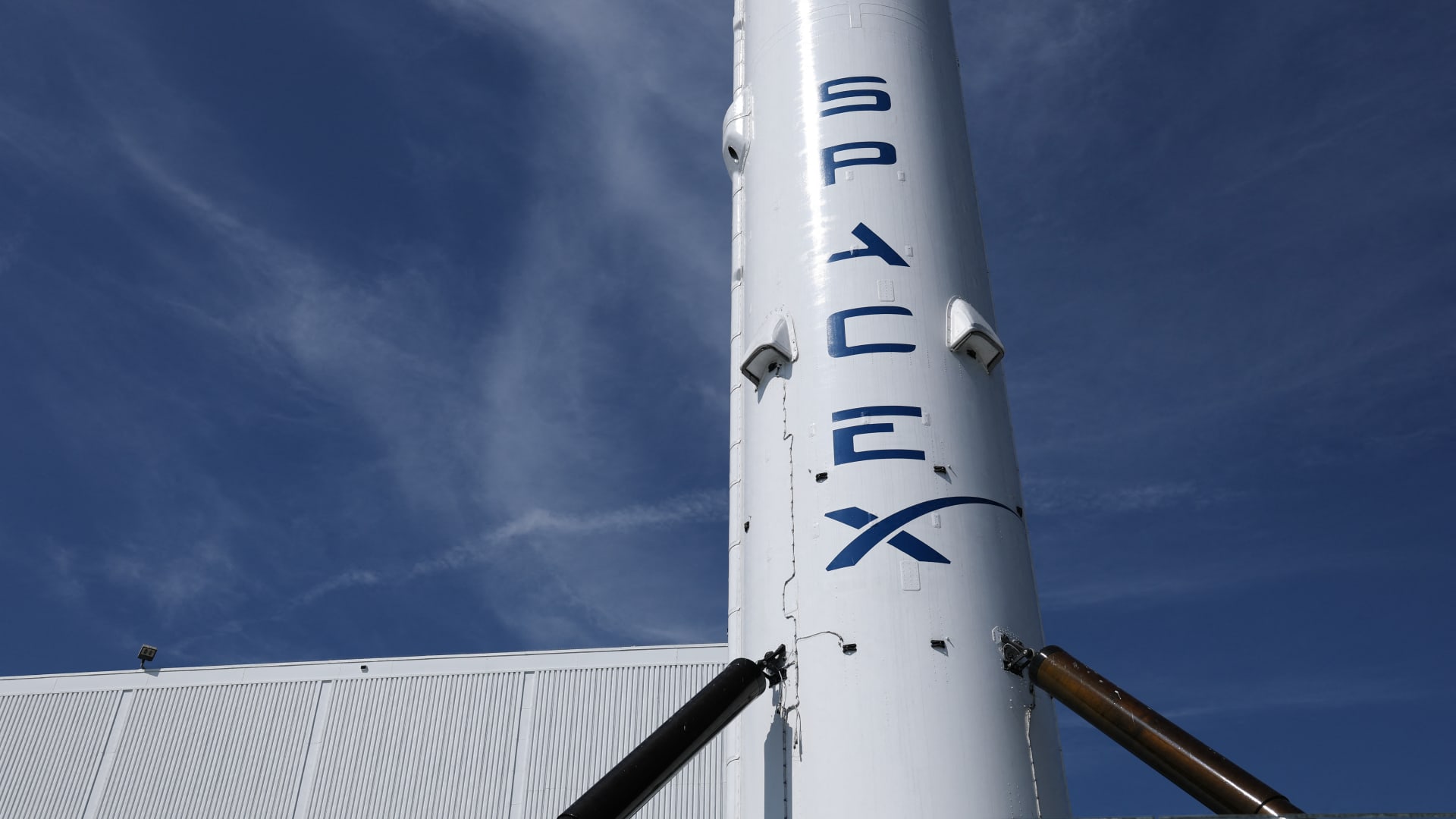
- SpaceX IPO Outlook: SpaceX is set to debut its IPO within two weeks, targeting a valuation of $1.8 trillion, although this ambitious goal may lead to market chaos and uncertainty.
- OpenAI's Funding Needs: OpenAI is preparing a confidential filing and is expected to be the next public company due to its urgent need for capital to address significant losses, which may risk a valuation downgrade.
- Anthropic's Profitability: Anthropic has achieved an annual revenue run rate of $47 billion and is on track to turn an operating profit this quarter, making it a potential focal point for investors if it becomes the third to go public.
- Market Volatility Risks: The IPOs of SpaceX and the other two companies could strain market liquidity, likely impacting major tech stocks like Nvidia and Apple, prompting investors to navigate potential price fluctuations carefully.
See More

Humanoid Robot ETFs Gain Traction


- Market Potential: Humanoid robots are seen as the next big breakthrough in AI, and while no publicly traded company has generated significant revenue yet, investors might consider focusing on related ETFs to diversify their investments.
- ETF Investment Opportunity: The KraneShares Global Humanoid Robotics and Physical AI Index ETF (NASDAQ: KOID) launched on June 4, 2025, with $242.6 million in assets under management and a net expense ratio of 0.69%, providing investors with a diversified investment option.
- Technological Support and Development: This ETF covers a broad spectrum of the humanoid robot ecosystem, including semiconductors, actuation systems, and manufacturing companies, reflecting strong confidence in future technological advancements.
- Market Performance Comparison: As of May 29, 2026, KOID's year-to-date return was 31.4%, significantly outperforming the S&P 500 Index's 11.3%, indicating its strong performance in emerging markets.
See More

Humanoid Robots: A Promising Investment Frontier
- Industry Outlook: Nvidia CEO Jensen Huang predicts significant breakthroughs in humanoid robots within the next decade, particularly in repetitive manual labor in factories, suggesting a promising market potential that could accelerate commercialization sooner than expected.
- ETF Investment Opportunity: The KraneShares Global Humanoid Robotics and Physical AI Index ETF (KOID), launched on June 4, 2025, is the first ETF focused on humanoid robotics and physical AI, currently managing $242.6 million in assets with a net annual expense ratio of 0.69%, offering investors a diversified investment option.
- Diverse Portfolio: KOID ETF holds 50 stocks, covering various aspects of the humanoid robot ecosystem, including semiconductors, actuation systems, and manufacturing companies, ensuring broad diversification and risk mitigation for investors.
- Leading Company Performance: Among KOID ETF's top ten holdings, companies like Credo Technology and Infineon Technologies have projected annualized EPS growth rates of 115% and undisclosed, respectively, indicating strong performance in technological innovation and market demand.
See More

Robotaxi Market Poised for Trillion-Dollar Growth
- Advancements in Autonomous Driving: In 2010, four self-driving vehicles traveled over 8,000 miles from Italy to China, showcasing the potential of the technology at the time; however, 15 years later, fully autonomous vehicles have yet to achieve meaningful scale, highlighting the complexities of industry development.
- Optimistic Market Predictions: A McKinsey survey indicates that private self-driving vehicles are expected to become a global reality by 2032, while autonomous trucking is projected for 2031, reflecting growing confidence in the industry's future.
- Rise of Robotaxis: Experts predict that robotaxis will achieve large-scale commercialization by 2030, becoming the first application of L4 autonomy in mobility, with market potential estimated between $8 trillion and $10 trillion, indicating a significant investment opportunity.
- Tesla's Market Leadership: Tesla has begun production of its Cybercab robotaxi, and with its integrated manufacturing capabilities, it is expected to produce robotaxis faster and at lower costs, further solidifying its leadership position in this emerging market.
See More
Tesla's Future Prospects and Challenges
- Stock Performance Review: Tesla's shares have skyrocketed 22,250% over the past 15 years, meaning a $4,500 investment in May 2011 would be worth $1 million today, showcasing its immense success in the EV market.
- Revenue Growth Struggles: The company reported a 16% year-over-year increase in automotive revenue for Q1, totaling $16.2 billion, yet this figure is 19% lower than the same period in 2023, indicating market pressures and intensified competition.
- Inventory Issues: While Tesla's deliveries rose 6% year-over-year in Q1, its inventory surged by 23%, suggesting potential overproduction, influenced by high interest rates and fierce competition, leading to sluggish sales growth.
- Future Investment Challenges: Tesla's capital expenditures are projected to exceed $25 billion this year, significantly up from $8.5 billion in 2025, and with a price-to-earnings ratio of 402, the market's high expectations pose considerable investment risks.
See More
Robotaxi Market Poised for Trillion-Dollar Growth
- Massive Market Potential: A McKinsey survey indicates that experts predict private self-driving vehicles will become a global reality by 2032, while robotaxis are expected to scale significantly by 2030, suggesting a rapidly growing market demand that could yield trillions in economic opportunities.
- Tesla's Competitive Edge: Tesla has commenced production of its Cybercab robotaxi, with costs significantly lower than competitors, and its integrated manufacturing capabilities allow for faster and cheaper production, positioning the company favorably in the emerging market.
- Rapid Expansion Plans: Tesla has launched robotaxi pilot programs in three Texas cities and plans to expand quickly over the next 12 to 24 months, with CEO Elon Musk expecting widespread service in the U.S. by year-end, despite ongoing safety and technical challenges.
- Valuation Outlook: Cathie Wood forecasts the global autonomous taxi market could reach $8 trillion to $10 trillion, highlighting how quickly AI technology will drive market growth, with Tesla likely to be a major beneficiary in this evolving landscape.
See More
Analysis of SpaceX IPO Prospects and Market Dynamics
- SpaceX IPO Outlook: SpaceX is set to debut its IPO within two weeks, targeting a valuation of $1.8 trillion, although this ambitious goal may lead to market chaos and uncertainty.
- OpenAI's Funding Needs: OpenAI is preparing a confidential filing and is expected to be the next public company due to its urgent need for capital to address significant losses, which may risk a valuation downgrade.
- Anthropic's Profitability: Anthropic has achieved an annual revenue run rate of $47 billion and is on track to turn an operating profit this quarter, making it a potential focal point for investors if it becomes the third to go public.
- Market Volatility Risks: The IPOs of SpaceX and the other two companies could strain market liquidity, likely impacting major tech stocks like Nvidia and Apple, prompting investors to navigate potential price fluctuations carefully.
See More
Humanoid Robot ETFs Gain Traction
- Market Potential: Humanoid robots are seen as the next big breakthrough in AI, and while no publicly traded company has generated significant revenue yet, investors might consider focusing on related ETFs to diversify their investments.
- ETF Investment Opportunity: The KraneShares Global Humanoid Robotics and Physical AI Index ETF (NASDAQ: KOID) launched on June 4, 2025, with $242.6 million in assets under management and a net expense ratio of 0.69%, providing investors with a diversified investment option.
- Technological Support and Development: This ETF covers a broad spectrum of the humanoid robot ecosystem, including semiconductors, actuation systems, and manufacturing companies, reflecting strong confidence in future technological advancements.
- Market Performance Comparison: As of May 29, 2026, KOID's year-to-date return was 31.4%, significantly outperforming the S&P 500 Index's 11.3%, indicating its strong performance in emerging markets.
See More
Humanoid Robots: A Promising Investment Frontier
- Industry Outlook: Nvidia CEO Jensen Huang predicts significant breakthroughs in humanoid robots within the next decade, particularly in repetitive manual labor in factories, suggesting a promising market potential that could accelerate commercialization sooner than expected.
- ETF Investment Opportunity: The KraneShares Global Humanoid Robotics and Physical AI Index ETF (KOID), launched on June 4, 2025, is the first ETF focused on humanoid robotics and physical AI, currently managing $242.6 million in assets with a net annual expense ratio of 0.69%, offering investors a diversified investment option.
- Diverse Portfolio: KOID ETF holds 50 stocks, covering various aspects of the humanoid robot ecosystem, including semiconductors, actuation systems, and manufacturing companies, ensuring broad diversification and risk mitigation for investors.
- Leading Company Performance: Among KOID ETF's top ten holdings, companies like Credo Technology and Infineon Technologies have projected annualized EPS growth rates of 115% and undisclosed, respectively, indicating strong performance in technological innovation and market demand.
See More
Robotaxi Market Poised for Trillion-Dollar Growth
- Advancements in Autonomous Driving: In 2010, four self-driving vehicles traveled over 8,000 miles from Italy to China, showcasing the potential of the technology at the time; however, 15 years later, fully autonomous vehicles have yet to achieve meaningful scale, highlighting the complexities of industry development.
- Optimistic Market Predictions: A McKinsey survey indicates that private self-driving vehicles are expected to become a global reality by 2032, while autonomous trucking is projected for 2031, reflecting growing confidence in the industry's future.
- Rise of Robotaxis: Experts predict that robotaxis will achieve large-scale commercialization by 2030, becoming the first application of L4 autonomy in mobility, with market potential estimated between $8 trillion and $10 trillion, indicating a significant investment opportunity.
- Tesla's Market Leadership: Tesla has begun production of its Cybercab robotaxi, and with its integrated manufacturing capabilities, it is expected to produce robotaxis faster and at lower costs, further solidifying its leadership position in this emerging market.
See More