SpaceX Set for Historic IPO Valued at $1.75 Trillion
Written by Emily J. Thompson, Senior Investment Analyst
Updated: 45 minutes ago
0mins
Should l Buy TSLA?
Source: Fool
- Massive IPO Potential: SpaceX has recently filed a confidential IPO application with the SEC, with an expected valuation of $1.75 trillion, which would mark the largest initial public offering in history, drawing significant investor interest.
- Market Leadership: According to Bryce Tech, SpaceX executed 165 orbital launches last year, establishing itself as a leader in rocket launches, while its Starlink satellite internet service is viewed as a revenue growth engine, indicating strong market demand.
- Strategic Integration: Musk's merger of his AI company xAI with SpaceX aims to create 'the most ambitious, vertically integrated innovation engine on (and off) Earth,' enhancing the company's technological capabilities and boosting investor confidence.
- Investor Focus: SpaceX plans to launch its roadshow on June 8 and must publicly disclose its registration statement at least 15 days prior, a crucial step that will provide investors with insights into the company's financials and potential risks, aiding in informed investment decisions.
Trade with 70% Backtested Accuracy
Stop guessing "Should I Buy TSLA?" and start using high-conviction signals backed by rigorous historical data.
Sign up today to access powerful investing tools and make smarter, data-driven decisions.
Analyst Views on TSLA
Wall Street analysts forecast TSLA stock price to fall
30 Analyst Rating
12 Buy
11 Hold
7 Sell
Hold
Current: 445.000

Low
25.28
Averages
401.93
High
600.00
Current: 445.000
Low
25.28
Averages
401.93
High
600.00
About TSLA
Tesla, Inc. designs, develops, manufactures, sells and leases high-performance fully electric vehicles and energy generation and storage systems, and offers services related to its products. Its segments include automotive, and energy generation and storage. The automotive segment includes the design, development, manufacturing, sales and leasing of high-performance fully electric vehicles, and sales of automotive regulatory credits. It also includes sales of used vehicles, non-warranty maintenance services and collisions, part sales, paid supercharging, insurance services revenue and retail merchandise sales. The energy generation and storage segment include the design, manufacture, installation, sales and leasing of solar energy generation and energy storage products and related services and sales of solar energy systems incentives. Its consumer vehicles include the Model 3, Y, S, X and Cybertruck. Its lithium-ion battery energy storage products include Powerwall and Megapack.
About the author

Emily J. Thompson
Emily J. Thompson, a Chartered Financial Analyst (CFA) with 12 years in investment research, graduated with honors from the Wharton School. Specializing in industrial and technology stocks, she provides in-depth analysis for Intellectia’s earnings and market brief reports.
Panasonic Energy Unit Profit Expected to Double

- Profit Doubling Expectation: Panasonic anticipates its energy unit's operating income will reach 171 billion yen (approximately $1.09 billion) for the fiscal year ending March 2027, more than doubling from 69.8 billion yen in the previous year, indicating a strong recovery trajectory.
- Quarterly Loss Review: Despite facing a quarterly loss of 3.8 billion yen from January to March, primarily due to U.S. tariffs, start-up costs at its Kansas plant, and declining sales at a Japanese factory, the overall outlook remains optimistic.
- Market Environment Challenges: The losses stem partly from external market challenges, including U.S. tariff policies on imports, which have pressured its cost structure and impacted short-term profitability.
- Strategic Adjustment Necessity: To navigate current market challenges, Panasonic may need to implement strategic adjustments to optimize production efficiency and reduce costs, thereby achieving sustainable profit growth in the future.
See More
Tesla Faces Regulatory Challenges for FSD Approval
- Regulatory Approval Hurdles: Tesla is seeking regulatory approval for its Full Self-Driving (FSD) system in Europe to launch its robotaxi service, but concerns from some EU regulators could hinder the company's high-margin software revenue and competitive position.
- Data Acquisition Limitations: Failure to secure FSD approval would restrict Tesla's access to more real-world data, which is crucial for enhancing its FSD software performance, potentially diminishing the company's competitiveness in the autonomous driving sector.
- Long-Term Strategic Risks: While the Netherlands has approved FSD, the broader EU consensus remains a significant hurdle; if approval is denied, Tesla may need to adjust its functionality and reapply, delaying the rollout of its robotaxi business and increasing uncertainty for investors.
- Stock Volatility Risks: With a staggering 208.3x price-to-earnings ratio, Tesla's valuation reflects market expectations for long-term success, but failure to effectively manage regulatory risks could lead to underperformance relative to broader equities over the next five to ten years, necessitating cautious consideration from investors.
See More

SpaceX Set for Historic IPO Valued at $1.75 Trillion
- Massive IPO Potential: SpaceX has recently filed a confidential IPO application with the SEC, with an expected valuation of $1.75 trillion, which would mark the largest initial public offering in history, drawing significant investor interest.
- Market Leadership: According to Bryce Tech, SpaceX executed 165 orbital launches last year, establishing itself as a leader in rocket launches, while its Starlink satellite internet service is viewed as a revenue growth engine, indicating strong market demand.
- Strategic Integration: Musk's merger of his AI company xAI with SpaceX aims to create 'the most ambitious, vertically integrated innovation engine on (and off) Earth,' enhancing the company's technological capabilities and boosting investor confidence.
- Investor Focus: SpaceX plans to launch its roadshow on June 8 and must publicly disclose its registration statement at least 15 days prior, a crucial step that will provide investors with insights into the company's financials and potential risks, aiding in informed investment decisions.
See More
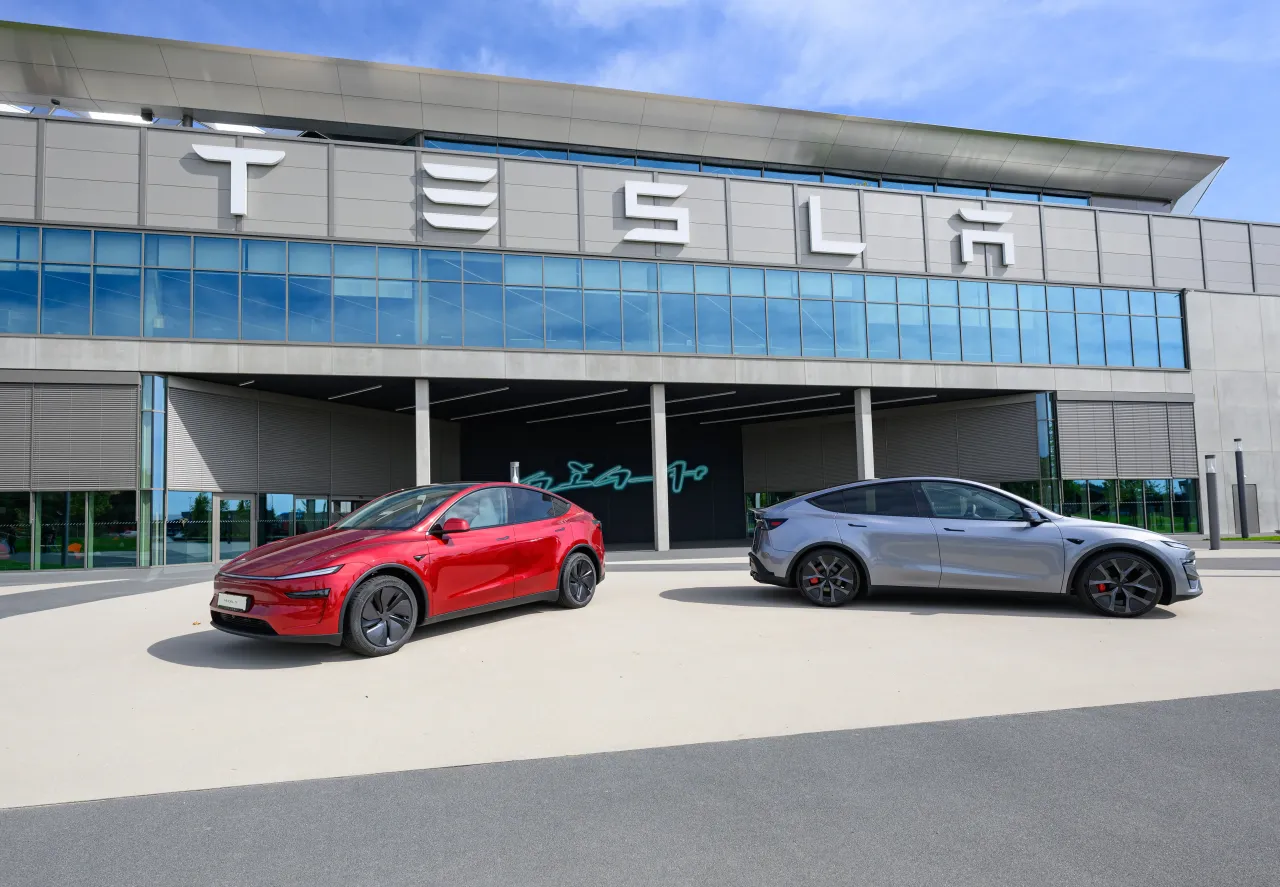
Tesla Plans Production Scale-Up at Berlin Gigafactory
- Investment Expansion: Tesla announced a $250 million investment at its Berlin factory to enhance 4680 cylindrical cell production capacity, raising the annual target to 18 GWh, aimed at reducing battery costs and increasing vertical integration for its electric vehicles.
- Job Creation: The expansion is expected to create over 1,500 new jobs, with about 1,000 positions dedicated to supporting the ramp-up of Model Y production, while converting several hundred temporary employees to permanent roles, thereby strengthening Tesla's operational capacity in Germany.
- Production Goals: Tesla plans to scale up Model Y production starting in the second half of the year, with the Berlin factory serving as a primary supply base for Europe, catering to demand from countries like France, Italy, and Spain, indicating strong growth potential in the European market.
- Positive Market Reaction: Retail sentiment around Tesla has remained in the 'extremely bullish' territory over the past 24 hours, with message volume rising from 'normal' to 'high', reflecting investor confidence in Tesla's future growth, as TSLA stock has gained approximately 36% over the past 12 months.
See More
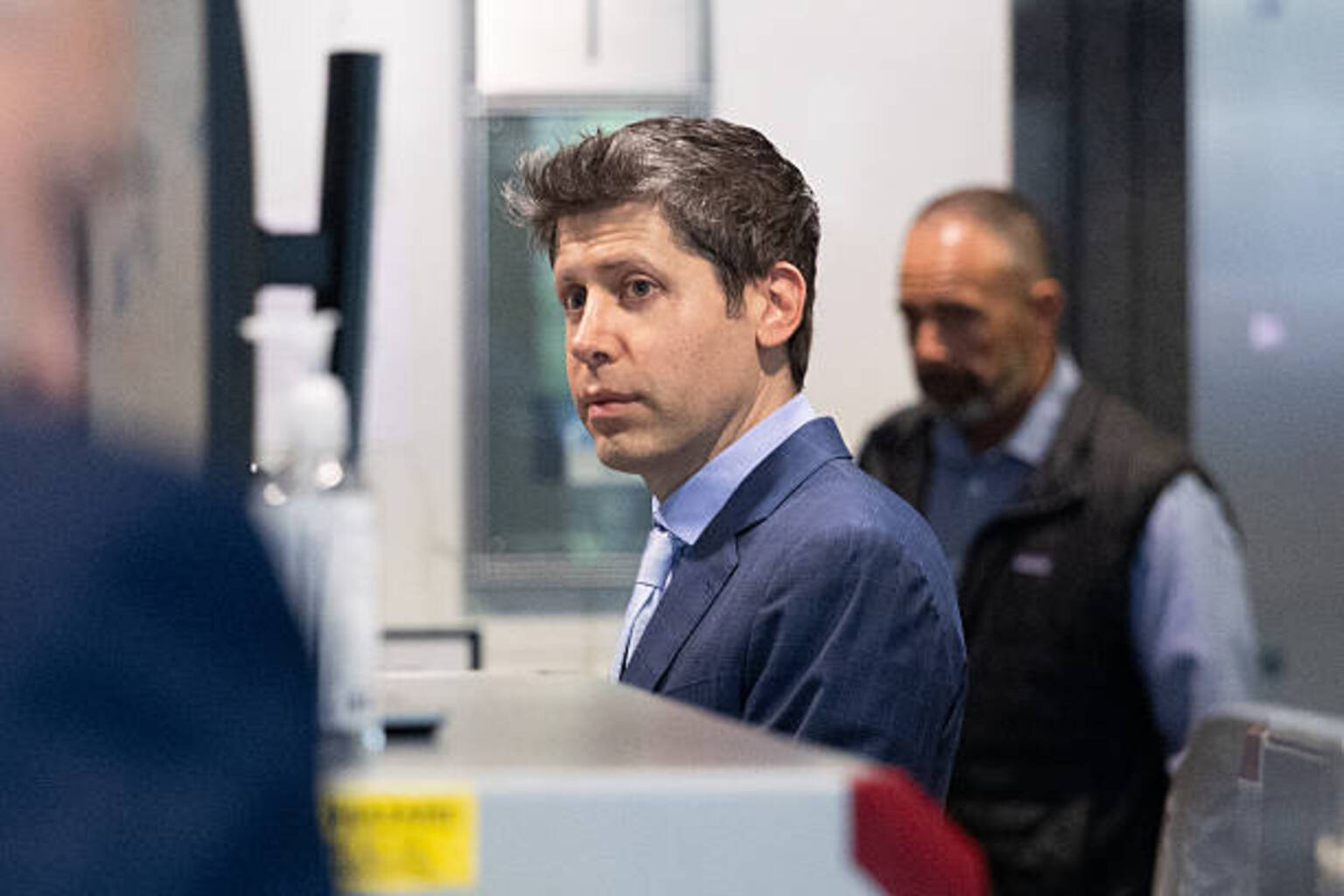
Musk's Departure Boosts OpenAI Morale, Says Altman
- Morale Boost: OpenAI CEO Sam Altman stated that employee morale significantly improved after Musk's departure from the board in 2018, indicating a strong reaction to leadership style.
- Funding Dispute: Musk claims he was defrauded when he provided $38 million in funding, believing OpenAI should remain a nonprofit, and is now seeking $135 billion in damages to restore OpenAI's original mission.
- Talent Recruitment: Altman noted that Musk's tenure created internal conflict as he recruited OpenAI talent to advance his AI ambitions at Tesla and xAI, impacting the operation of the research lab.
- Investment Rejection: Although Musk was aware of OpenAI's transition to a for-profit model and was offered a chance to invest, he declined, reflecting a strong desire for control over the company.
See More

Cathie Wood's Q1 2026 Investment Moves at ARK

- New Stock Additions: Cathie Wood added a total of 13 stocks in Q1 2026, with Broadcom Inc (NASDAQ:AVGO) being the largest addition at 407,803 shares, valued at $126.22 million, representing 0.98% of the portfolio, indicating continued optimism in the semiconductor sector.
- Key Position Increases: Among 85 stocks, the most notable increase was in Tempus AI Inc (NASDAQ:TEM), with an additional 2,050,162 shares, bringing the total to 9,607,745 shares, a 27.13% increase, impacting the portfolio by 0.72%, reflecting confidence in AI technology.
- Complete Exits: Wood completely exited 29 holdings in Q1 2026, including The Trade Desk Inc (NASDAQ:TTD), selling 2,927,539 shares, resulting in a -0.74% impact on the portfolio, indicating a shift in outlook for the company.
- Key Reductions: In 82 stocks, Roku Inc (NASDAQ:ROKU) was reduced by 2,061,333 shares, a 35.05% decrease, impacting the portfolio by -1.49%, suggesting a cautious stance towards the streaming industry.
See More
Panasonic Energy Unit Profit Expected to Double
- Profit Doubling Expectation: Panasonic anticipates its energy unit's operating income will reach 171 billion yen (approximately $1.09 billion) for the fiscal year ending March 2027, more than doubling from 69.8 billion yen in the previous year, indicating a strong recovery trajectory.
- Quarterly Loss Review: Despite facing a quarterly loss of 3.8 billion yen from January to March, primarily due to U.S. tariffs, start-up costs at its Kansas plant, and declining sales at a Japanese factory, the overall outlook remains optimistic.
- Market Environment Challenges: The losses stem partly from external market challenges, including U.S. tariff policies on imports, which have pressured its cost structure and impacted short-term profitability.
- Strategic Adjustment Necessity: To navigate current market challenges, Panasonic may need to implement strategic adjustments to optimize production efficiency and reduce costs, thereby achieving sustainable profit growth in the future.
See More
Tesla Faces Regulatory Challenges for FSD Approval
- Regulatory Approval Hurdles: Tesla is seeking regulatory approval for its Full Self-Driving (FSD) system in Europe to launch its robotaxi service, but concerns from some EU regulators could hinder the company's high-margin software revenue and competitive position.
- Data Acquisition Limitations: Failure to secure FSD approval would restrict Tesla's access to more real-world data, which is crucial for enhancing its FSD software performance, potentially diminishing the company's competitiveness in the autonomous driving sector.
- Long-Term Strategic Risks: While the Netherlands has approved FSD, the broader EU consensus remains a significant hurdle; if approval is denied, Tesla may need to adjust its functionality and reapply, delaying the rollout of its robotaxi business and increasing uncertainty for investors.
- Stock Volatility Risks: With a staggering 208.3x price-to-earnings ratio, Tesla's valuation reflects market expectations for long-term success, but failure to effectively manage regulatory risks could lead to underperformance relative to broader equities over the next five to ten years, necessitating cautious consideration from investors.
See More
SpaceX Set for Historic IPO Valued at $1.75 Trillion
- Massive IPO Potential: SpaceX has recently filed a confidential IPO application with the SEC, with an expected valuation of $1.75 trillion, which would mark the largest initial public offering in history, drawing significant investor interest.
- Market Leadership: According to Bryce Tech, SpaceX executed 165 orbital launches last year, establishing itself as a leader in rocket launches, while its Starlink satellite internet service is viewed as a revenue growth engine, indicating strong market demand.
- Strategic Integration: Musk's merger of his AI company xAI with SpaceX aims to create 'the most ambitious, vertically integrated innovation engine on (and off) Earth,' enhancing the company's technological capabilities and boosting investor confidence.
- Investor Focus: SpaceX plans to launch its roadshow on June 8 and must publicly disclose its registration statement at least 15 days prior, a crucial step that will provide investors with insights into the company's financials and potential risks, aiding in informed investment decisions.
See More
Tesla Plans Production Scale-Up at Berlin Gigafactory
- Investment Expansion: Tesla announced a $250 million investment at its Berlin factory to enhance 4680 cylindrical cell production capacity, raising the annual target to 18 GWh, aimed at reducing battery costs and increasing vertical integration for its electric vehicles.
- Job Creation: The expansion is expected to create over 1,500 new jobs, with about 1,000 positions dedicated to supporting the ramp-up of Model Y production, while converting several hundred temporary employees to permanent roles, thereby strengthening Tesla's operational capacity in Germany.
- Production Goals: Tesla plans to scale up Model Y production starting in the second half of the year, with the Berlin factory serving as a primary supply base for Europe, catering to demand from countries like France, Italy, and Spain, indicating strong growth potential in the European market.
- Positive Market Reaction: Retail sentiment around Tesla has remained in the 'extremely bullish' territory over the past 24 hours, with message volume rising from 'normal' to 'high', reflecting investor confidence in Tesla's future growth, as TSLA stock has gained approximately 36% over the past 12 months.
See More
Musk's Departure Boosts OpenAI Morale, Says Altman
- Morale Boost: OpenAI CEO Sam Altman stated that employee morale significantly improved after Musk's departure from the board in 2018, indicating a strong reaction to leadership style.
- Funding Dispute: Musk claims he was defrauded when he provided $38 million in funding, believing OpenAI should remain a nonprofit, and is now seeking $135 billion in damages to restore OpenAI's original mission.
- Talent Recruitment: Altman noted that Musk's tenure created internal conflict as he recruited OpenAI talent to advance his AI ambitions at Tesla and xAI, impacting the operation of the research lab.
- Investment Rejection: Although Musk was aware of OpenAI's transition to a for-profit model and was offered a chance to invest, he declined, reflecting a strong desire for control over the company.
See More
Cathie Wood's Q1 2026 Investment Moves at ARK
- New Stock Additions: Cathie Wood added a total of 13 stocks in Q1 2026, with Broadcom Inc (NASDAQ:AVGO) being the largest addition at 407,803 shares, valued at $126.22 million, representing 0.98% of the portfolio, indicating continued optimism in the semiconductor sector.
- Key Position Increases: Among 85 stocks, the most notable increase was in Tempus AI Inc (NASDAQ:TEM), with an additional 2,050,162 shares, bringing the total to 9,607,745 shares, a 27.13% increase, impacting the portfolio by 0.72%, reflecting confidence in AI technology.
- Complete Exits: Wood completely exited 29 holdings in Q1 2026, including The Trade Desk Inc (NASDAQ:TTD), selling 2,927,539 shares, resulting in a -0.74% impact on the portfolio, indicating a shift in outlook for the company.
- Key Reductions: In 82 stocks, Roku Inc (NASDAQ:ROKU) was reduced by 2,061,333 shares, a 35.05% decrease, impacting the portfolio by -1.49%, suggesting a cautious stance towards the streaming industry.
See More