SpaceX Set for Historic IPO Amid ULA Challenges
Written by Emily J. Thompson, Senior Investment Analyst
Updated: 4 hours ago
0mins
Source: Fool
- Rocket Issues Impact: United Launch Alliance's Vulcan rocket has been grounded due to an anomaly in its solid rocket motor, resulting in Northrop Grumman taking a $71 million charge in Q1, which undermines its competitive position against SpaceX.
- Market Share Shift: With the Vulcan grounded, Space Force opted for SpaceX's Falcon 9 for subsequent missions, which boasts a 99.4% success rate, allowing SpaceX to capture a larger share of the market in the short term.
- SpaceX IPO Outlook: SpaceX is targeting a July IPO, potentially valued at $1.75 trillion, which would mark the largest IPO in market history, further solidifying its leadership in the private space sector.
- Changing Competitive Landscape: While SpaceX's Falcon 9 continues to excel, Blue Origin's New Glenn rocket faced a setback in its third launch, highlighting its ongoing challenges in reliability and market acceptance, which enhances SpaceX's competitive advantage.
Trade with 70% Backtested Accuracy
Stop guessing "Should I Buy NOC?" and start using high-conviction signals backed by rigorous historical data.
Sign up today to access powerful investing tools and make smarter, data-driven decisions.
Analyst Views on NOC
Wall Street analysts forecast NOC stock price to rise
13 Analyst Rating
10 Buy
3 Hold
0 Sell
Strong Buy
Current: 575.280

Low
630.00
Averages
684.08
High
770.00
Current: 575.280
Low
630.00
Averages
684.08
High
770.00
About NOC
Northrop Grumman Corporation is a global aerospace and defense technology company. Its segments include Aeronautics Systems, Defense Systems, Mission Systems, and Space Systems. Aeronautics Systems is engaged in the design, development, production, integration, sustainment and modernization of military aircraft systems for the United States Air Force, the United States Navy, other United States government agencies, and international customers. Defense Systems is engaged in the design, engineering, development, integration, and manufacturing of deterrent systems, advanced tactical weapons, and missile defense solutions. Mission Systems is a provider of mission solutions and multifunction systems. Its products and services include command, control, communications and computers, and reconnaissance (C4ISR) systems. Space Systems delivers end-to-end mission solutions through the design, development, integration, production and operation of space, missile defense, and launch systems.
About the author

Emily J. Thompson
Emily J. Thompson, a Chartered Financial Analyst (CFA) with 12 years in investment research, graduated with honors from the Wharton School. Specializing in industrial and technology stocks, she provides in-depth analysis for Intellectia’s earnings and market brief reports.
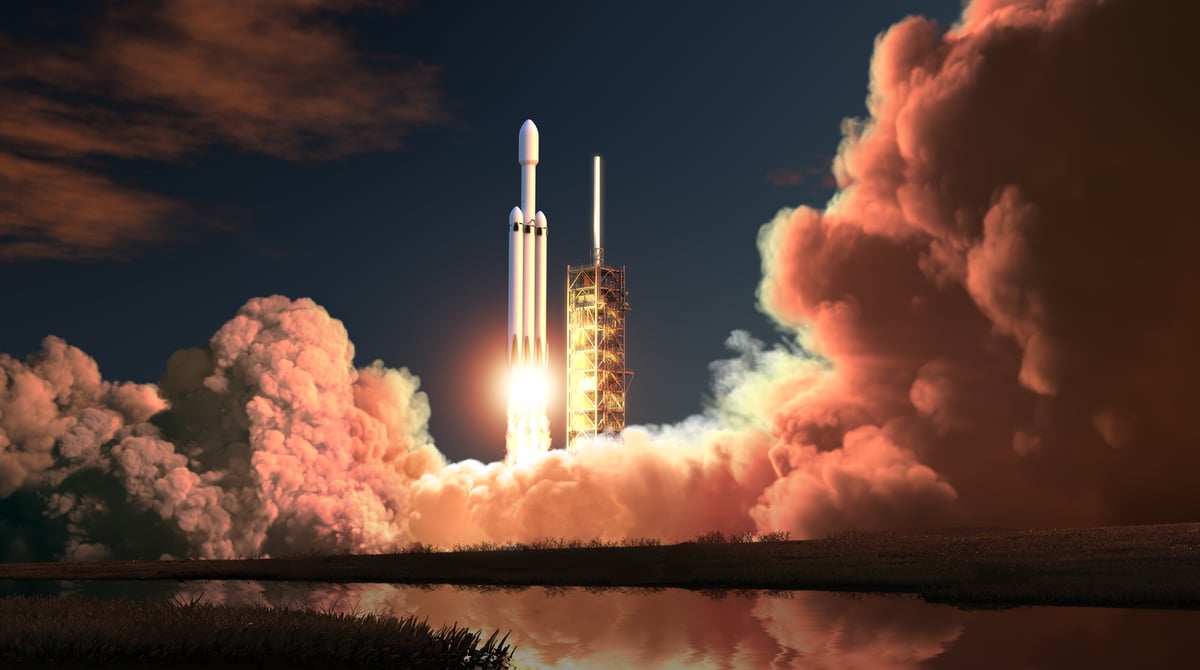
SpaceX Set for Historic IPO Amid ULA Challenges


- Rocket Issues Impact: United Launch Alliance's Vulcan rocket has been grounded due to an anomaly in its solid rocket motor, resulting in Northrop Grumman taking a $71 million charge in Q1, which undermines its competitive position against SpaceX.
- Market Share Shift: With the Vulcan grounded, Space Force opted for SpaceX's Falcon 9 for subsequent missions, which boasts a 99.4% success rate, allowing SpaceX to capture a larger share of the market in the short term.
- SpaceX IPO Outlook: SpaceX is targeting a July IPO, potentially valued at $1.75 trillion, which would mark the largest IPO in market history, further solidifying its leadership in the private space sector.
- Changing Competitive Landscape: While SpaceX's Falcon 9 continues to excel, Blue Origin's New Glenn rocket faced a setback in its third launch, highlighting its ongoing challenges in reliability and market acceptance, which enhances SpaceX's competitive advantage.
See More

ULA Loses Space Force Contract Over Vulcan Rocket Anomaly
- Rocket Anomaly Impact: ULA's Vulcan rocket experienced an anomaly in one of its solid rocket motors during a February launch, prompting an investigation by the U.S. Space Force, which ultimately decided to switch to SpaceX's Falcon 9, highlighting Vulcan's reliability issues and potentially affecting ULA's future contract opportunities.
- Contract Shift Consequences: Following the Vulcan failure, the Space Force opted for SpaceX's Falcon 9 for subsequent missions, a decision that not only impacts ULA's market share but also forces the company to revert to the older Atlas V rocket, further weakening its competitive position in the aerospace sector.
- Significant Financial Impact: Northrop Grumman reported a $71 million charge in its first-quarter results due to the Vulcan rocket's engine issues, a substantial loss that could negatively affect the company's financial health and reflects the risks associated with its technology development efforts.
- SpaceX's Market Advantage: SpaceX's Falcon 9 has successfully completed 629 missions with a 99.4% success rate, and its reliability and reusability provide a clear competitive edge, suggesting that SpaceX will continue to dominate the private spaceflight market, increasing pressure on ULA to improve its offerings.
See More

Global Military Spending Hits Record High Amid Geopolitical Tensions

- Surge in Global Military Spending: According to the Stockholm International Peace Research Institute, global military expenditure reached $2.89 trillion in 2025, marking a 2.9% increase, reflecting heightened national priorities on defense amid ongoing wars and geopolitical upheaval.
- Significant Growth in Europe: Military spending in Europe rose by 14% to $864 billion in 2025, with Germany exceeding NATO's 2% GDP guideline for the first time, reaching 2.3%, indicating a substantial shift in the region's security focus.
- Rising Military Expenditure in Asia: Military spending in Asia and Oceania increased by 8.1% to $681 billion in 2025, with Taiwan's expenditure rising 14% to $18.2 billion, highlighting the urgency of security concerns and reliance on U.S. support in the region.
- Defense Stocks Soar: The surge in military spending has led to significant stock price increases, with Hanwha Aerospace's shares rising 193% in 2025, while Mitsubishi Heavy Industries and Kawasaki Heavy Industries saw gains of 72.7% and 42.6%, respectively, showcasing the robust growth potential in the defense sector.
See More

NORTHROP GRUMMAN: JEFFERIES LOWERS TARGET PRICE FROM $710 TO $660
- Target Price Adjustment: Northrop Grumman has reduced its target price for shares of the company from $710 to $660.
- Market Impact: This adjustment reflects changes in market conditions and expectations regarding the company's performance.
See More
Semiconductor Stocks Overbought Amid Market Rally


- Semiconductor Surge: Semiconductor stocks emerged as a focal point for investors this week, with the S&P 500 and Nasdaq rising 0.55% and 1.50% respectively, pushing the market to new highs and reflecting strong optimism in the sector.
- Overbought Indicators: CNBC Pro's analysis identified stocks with a 14-day RSI above 70 as overbought, indicating potential pullback risks, particularly as the iShares Semiconductor ETF (SOXX) posted an 11.04% gain this week, showcasing robust enthusiasm for chipmakers.
- Earnings Drive: Texas Instruments reported first-quarter earnings that exceeded expectations, highlighting strong demand for its analog chips, which significantly boosted its stock price and reinforced market confidence in the semiconductor industry.
- Narrowing Market Leadership: Cameron Dawson, Chief Investment Officer at NewEdge Wealth, noted that market leadership is increasingly concentrated in the semiconductor sector, indicating a sustained rise in investor focus on this industry, which may impact the performance of other sectors.
See More
Blue Origin's Ambitious Blue Ring Project Unveiled
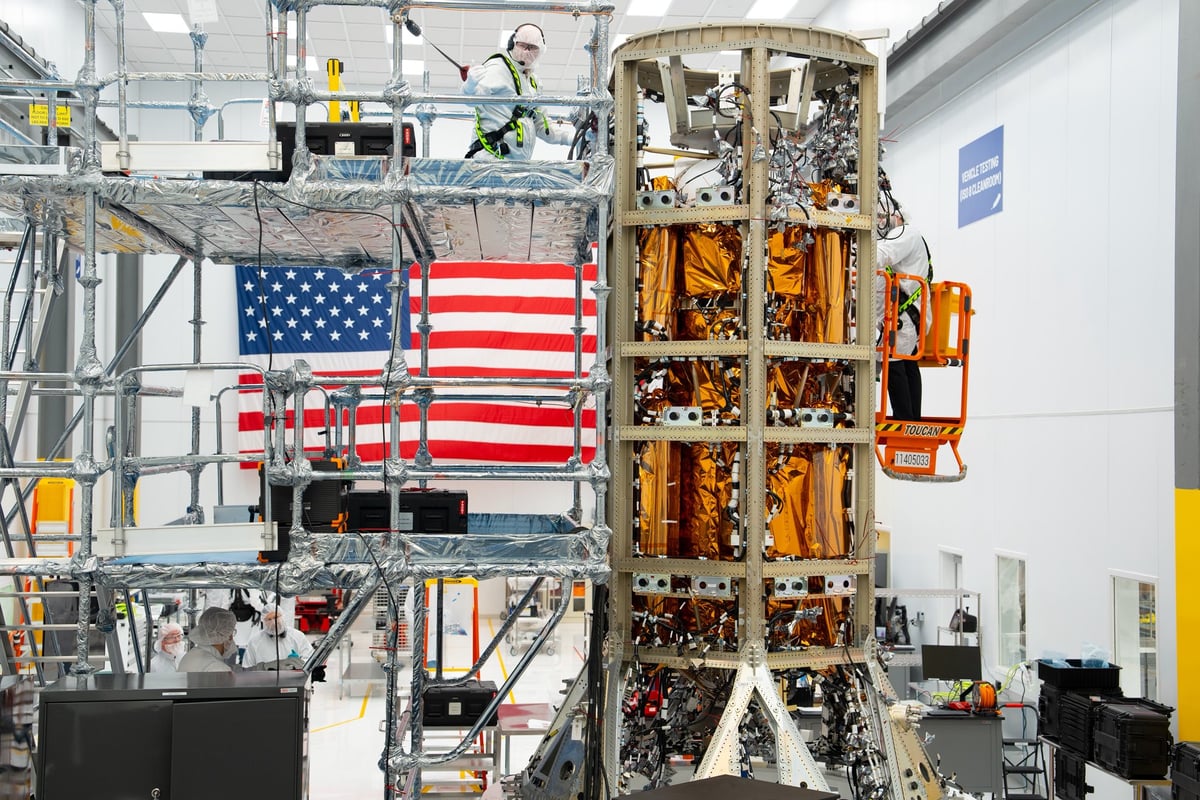
- Project Introduction: Blue Origin's Blue Ring project, led by former ULA CEO Tory Bruno, aims to develop a space tug capable of transporting and servicing satellites in Earth orbit and beyond, highlighting the company's ambitious entry into the space services market.
- Technical Specifications: The Blue Ring measures approximately 6 meters long and 2 meters wide, featuring 13 satellite attachment ports, significantly surpassing Northrop Grumman's Mission Robotic Vehicle, which has only three, indicating Blue Ring's superior satellite servicing capabilities.
- Market Potential: With over 12,000 satellites currently in Earth orbit, around 800 of which may require regular servicing, the total market opportunity is estimated to be as high as $52 billion, positioning Blue Origin to capture a significant share of this rapidly growing market.
- Investor Insights: Although Blue Origin is currently a private company, its investments in orbital services have drawn investor interest, suggesting that investors consider publicly traded companies like Northrop Grumman to capitalize on potential market opportunities.
See More
SpaceX Set for Historic IPO Amid ULA Challenges
- Rocket Issues Impact: United Launch Alliance's Vulcan rocket has been grounded due to an anomaly in its solid rocket motor, resulting in Northrop Grumman taking a $71 million charge in Q1, which undermines its competitive position against SpaceX.
- Market Share Shift: With the Vulcan grounded, Space Force opted for SpaceX's Falcon 9 for subsequent missions, which boasts a 99.4% success rate, allowing SpaceX to capture a larger share of the market in the short term.
- SpaceX IPO Outlook: SpaceX is targeting a July IPO, potentially valued at $1.75 trillion, which would mark the largest IPO in market history, further solidifying its leadership in the private space sector.
- Changing Competitive Landscape: While SpaceX's Falcon 9 continues to excel, Blue Origin's New Glenn rocket faced a setback in its third launch, highlighting its ongoing challenges in reliability and market acceptance, which enhances SpaceX's competitive advantage.
See More
ULA Loses Space Force Contract Over Vulcan Rocket Anomaly
- Rocket Anomaly Impact: ULA's Vulcan rocket experienced an anomaly in one of its solid rocket motors during a February launch, prompting an investigation by the U.S. Space Force, which ultimately decided to switch to SpaceX's Falcon 9, highlighting Vulcan's reliability issues and potentially affecting ULA's future contract opportunities.
- Contract Shift Consequences: Following the Vulcan failure, the Space Force opted for SpaceX's Falcon 9 for subsequent missions, a decision that not only impacts ULA's market share but also forces the company to revert to the older Atlas V rocket, further weakening its competitive position in the aerospace sector.
- Significant Financial Impact: Northrop Grumman reported a $71 million charge in its first-quarter results due to the Vulcan rocket's engine issues, a substantial loss that could negatively affect the company's financial health and reflects the risks associated with its technology development efforts.
- SpaceX's Market Advantage: SpaceX's Falcon 9 has successfully completed 629 missions with a 99.4% success rate, and its reliability and reusability provide a clear competitive edge, suggesting that SpaceX will continue to dominate the private spaceflight market, increasing pressure on ULA to improve its offerings.
See More
Global Military Spending Hits Record High Amid Geopolitical Tensions
- Surge in Global Military Spending: According to the Stockholm International Peace Research Institute, global military expenditure reached $2.89 trillion in 2025, marking a 2.9% increase, reflecting heightened national priorities on defense amid ongoing wars and geopolitical upheaval.
- Significant Growth in Europe: Military spending in Europe rose by 14% to $864 billion in 2025, with Germany exceeding NATO's 2% GDP guideline for the first time, reaching 2.3%, indicating a substantial shift in the region's security focus.
- Rising Military Expenditure in Asia: Military spending in Asia and Oceania increased by 8.1% to $681 billion in 2025, with Taiwan's expenditure rising 14% to $18.2 billion, highlighting the urgency of security concerns and reliance on U.S. support in the region.
- Defense Stocks Soar: The surge in military spending has led to significant stock price increases, with Hanwha Aerospace's shares rising 193% in 2025, while Mitsubishi Heavy Industries and Kawasaki Heavy Industries saw gains of 72.7% and 42.6%, respectively, showcasing the robust growth potential in the defense sector.
See More
NORTHROP GRUMMAN: JEFFERIES LOWERS TARGET PRICE FROM $710 TO $660
- Target Price Adjustment: Northrop Grumman has reduced its target price for shares of the company from $710 to $660.
- Market Impact: This adjustment reflects changes in market conditions and expectations regarding the company's performance.
See More
Semiconductor Stocks Overbought Amid Market Rally
- Semiconductor Surge: Semiconductor stocks emerged as a focal point for investors this week, with the S&P 500 and Nasdaq rising 0.55% and 1.50% respectively, pushing the market to new highs and reflecting strong optimism in the sector.
- Overbought Indicators: CNBC Pro's analysis identified stocks with a 14-day RSI above 70 as overbought, indicating potential pullback risks, particularly as the iShares Semiconductor ETF (SOXX) posted an 11.04% gain this week, showcasing robust enthusiasm for chipmakers.
- Earnings Drive: Texas Instruments reported first-quarter earnings that exceeded expectations, highlighting strong demand for its analog chips, which significantly boosted its stock price and reinforced market confidence in the semiconductor industry.
- Narrowing Market Leadership: Cameron Dawson, Chief Investment Officer at NewEdge Wealth, noted that market leadership is increasingly concentrated in the semiconductor sector, indicating a sustained rise in investor focus on this industry, which may impact the performance of other sectors.
See More
Blue Origin's Ambitious Blue Ring Project Unveiled
- Project Introduction: Blue Origin's Blue Ring project, led by former ULA CEO Tory Bruno, aims to develop a space tug capable of transporting and servicing satellites in Earth orbit and beyond, highlighting the company's ambitious entry into the space services market.
- Technical Specifications: The Blue Ring measures approximately 6 meters long and 2 meters wide, featuring 13 satellite attachment ports, significantly surpassing Northrop Grumman's Mission Robotic Vehicle, which has only three, indicating Blue Ring's superior satellite servicing capabilities.
- Market Potential: With over 12,000 satellites currently in Earth orbit, around 800 of which may require regular servicing, the total market opportunity is estimated to be as high as $52 billion, positioning Blue Origin to capture a significant share of this rapidly growing market.
- Investor Insights: Although Blue Origin is currently a private company, its investments in orbital services have drawn investor interest, suggesting that investors consider publicly traded companies like Northrop Grumman to capitalize on potential market opportunities.
See More