SpaceX Raises $25 Billion to Repay Loan and Expand AI Segment
Written by Emily J. Thompson, Senior Investment Analyst
Updated: 1 hour ago
0mins
Source: NASDAQ.COM
- Massive Fundraising: SpaceX successfully raised $25 billion this week to repay a $20 billion bridge loan due in 2027 while also funding its xAI artificial intelligence segment, indicating strong market confidence in its future development.
- Acquisition of Cursor: The company acquired coding firm Cursor for $60 billion to enhance its xAI capabilities, which, despite currently being unprofitable, is expected to provide new growth momentum for SpaceX.
- Outstanding IPO Performance: SpaceX raised $85.7 billion in its June 12 IPO, significantly exceeding the initial target of $75 billion, with bond issuance demand also surpassing $30 billion, showcasing strong investor confidence in its potential.
- Complex Market Reaction: Despite successful fundraising, SpaceX's stock fell 17% this week, as investors express concerns over its ongoing funding needs and path to profitability, reflecting a cautious market sentiment regarding its long-term sustainability.
Trade with 70% Backtested Accuracy
Stop guessing "Should I Buy TSLA?" and start using high-conviction signals backed by rigorous historical data.
Sign up today to access powerful investing tools and make smarter, data-driven decisions.
Analyst Views on TSLA
Wall Street analysts forecast TSLA stock price to rise
30 Analyst Rating
12 Buy
11 Hold
7 Sell
Hold
Current: 375.120

Low
25.28
Averages
401.93
High
600.00
Current: 375.120
Low
25.28
Averages
401.93
High
600.00
About TSLA
Tesla, Inc. designs, develops, manufactures, sells and leases high-performance fully electric vehicles and energy generation and storage systems, and offers services related to its products. Its segments include automotive, and energy generation and storage. The automotive segment includes the design, development, manufacturing, sales and leasing of high-performance fully electric vehicles, and sales of automotive regulatory credits. It also includes sales of used vehicles, non-warranty maintenance services and collisions, part sales, paid supercharging, insurance services revenue and retail merchandise sales. The energy generation and storage segment include the design, manufacture, installation, sales and leasing of solar energy generation and energy storage products and related services and sales of solar energy systems incentives. Its consumer vehicles include the Model 3, Y, S, X and Cybertruck. Its lithium-ion battery energy storage products include Powerwall and Megapack.
About the author

Emily J. Thompson
Emily J. Thompson, a Chartered Financial Analyst (CFA) with 12 years in investment research, graduated with honors from the Wharton School. Specializing in industrial and technology stocks, she provides in-depth analysis for Intellectia’s earnings and market brief reports.

Baron ETF Emerges as Leader Among SpaceX ETFs

- ETF Performance: The Baron First Principles ETF leads among SpaceX ETFs with a 31.2% allocation to SpaceX as of June 17, significantly surpassing its second-largest holding, indicating strong performance in the space investment sector.
- Historical Investment Background: Founder Ron Baron has participated in 27 funding rounds for SpaceX since 2017, initially investing when the company was valued at just $22 billion, demonstrating his long-term confidence and strategic positioning in the company.
- Acquisition Speculation: Ongoing speculation about SpaceX potentially acquiring Tesla is relevant, as Tesla accounts for nearly 12% of the Baron ETF's holdings, creating investor anticipation for the fund's future performance.
- High Fee Structure: While the Baron ETF offers high exposure to SpaceX, its 1% annual fee is relatively high, which may impact net returns for investors, especially compared to other lower-fee ETFs.
See More

SpaceX Issues $25 Billion in Bonds Amid Market Speculation

- Massive Fundraising: SpaceX announced a $25 billion bond issuance less than two weeks after its IPO, raising a total of $111 billion, which indicates strong market confidence in its future prospects despite current profitability challenges.
- High Demand for Debt: The bond issuance attracted $90 billion in orders, oversubscribed by more than three times, reflecting investor trust in SpaceX, even as the company faces ongoing financial hurdles.
- Strategic Acquisition: Last week, SpaceX acquired coding company Cursor for $60 billion to bolster its capabilities in artificial intelligence, despite only achieving a 16% year-over-year revenue growth, highlighting the urgent need for expansion in high-growth sectors.
- Cautious Market Reaction: Despite its strong fundraising ability, SpaceX's stock fell 17% this week, as investors express concerns over its ongoing fundraising and spending, particularly in the absence of a clear path to profitability.
See More
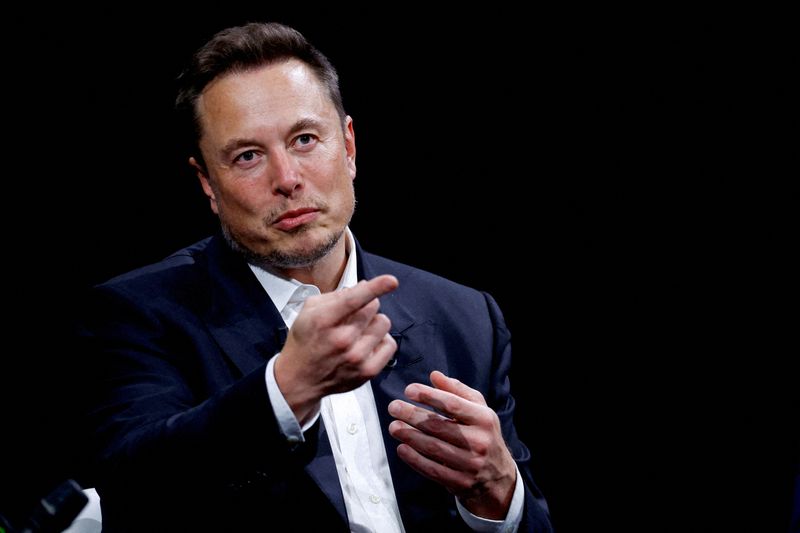
SpaceX Raises $25 Billion to Repay Loan and Expand AI Segment

- Massive Fundraising: SpaceX successfully raised $25 billion this week to repay a $20 billion bridge loan due in 2027 while also funding its xAI artificial intelligence segment, indicating strong market confidence in its future development.
- Acquisition of Cursor: The company acquired coding firm Cursor for $60 billion to enhance its xAI capabilities, which, despite currently being unprofitable, is expected to provide new growth momentum for SpaceX.
- Outstanding IPO Performance: SpaceX raised $85.7 billion in its June 12 IPO, significantly exceeding the initial target of $75 billion, with bond issuance demand also surpassing $30 billion, showcasing strong investor confidence in its potential.
- Complex Market Reaction: Despite successful fundraising, SpaceX's stock fell 17% this week, as investors express concerns over its ongoing funding needs and path to profitability, reflecting a cautious market sentiment regarding its long-term sustainability.
See More
Investment Risks Analysis of Tesla and SpaceX

- Tesla Valuation Decline: As of June 2026, Tesla shares are trading around $375, down approximately 16% year-to-date, reflecting market concerns over its 180x P/E ratio, indicating significant challenges to future profitability.
- First Revenue Decline: In 2025, Tesla's annual revenue fell 3% to $94.8 billion, with deliveries dropping 8.6% to 1.64 million units, highlighting pressures in a competitive market that could undermine investor confidence moving forward.
- SpaceX Float Issues: After its IPO, SpaceX's stock price dropped from $225 to $154.60, with only 4.2% of shares outstanding, and analysts predict that up to 44% of insider shares could become tradable by September, creating a supply shock that may further depress stock prices.
- Severe AI Division Losses: SpaceX's AI division reported $818 million in revenue against $2.47 billion in operating losses in Q1 2026, revealing vulnerabilities in its profitability model that could impact future capital expenditure plans.
See More
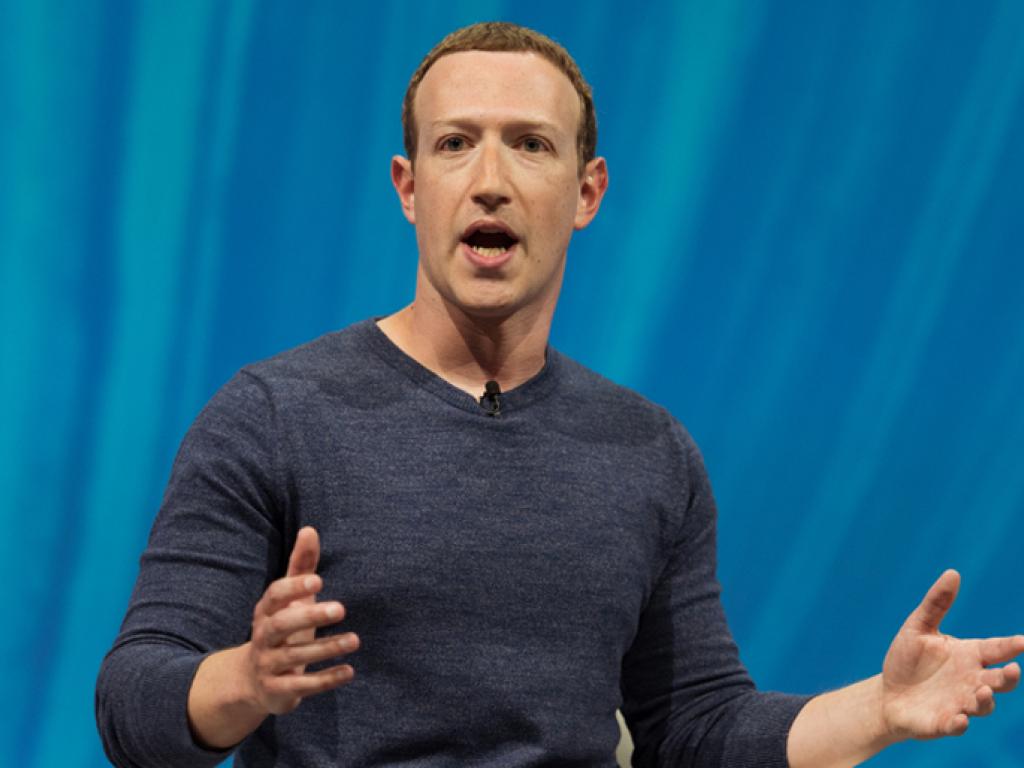
Market Volatility and Investment Strategy


- Market Fluctuations: Recently, the S&P 500 dropped about 2% and the Nasdaq Composite fell nearly 3.5%, indicating that while short-term fluctuations are normal, investor concerns about a potential tech bubble necessitate vigilance against volatility.
- Vanguard ETF Advantage: Launched in 2010, the Vanguard S&P 500 ETF tracks the S&P 500, boasting a nearly 715% total return over the past 26 years, demonstrating resilience through multiple market crashes and economic downturns, making it a suitable long-term investment.
- Long-Term Returns: Analysis by Crestmont Research shows that the S&P 500 has ended every 20-year period with positive returns, indicating that investors holding the index fund through market volatility are likely to profit, enhancing its appeal as a stable investment option.
- Tech Stock Risks: While tech stocks have propelled the S&P 500 upward, the
See More
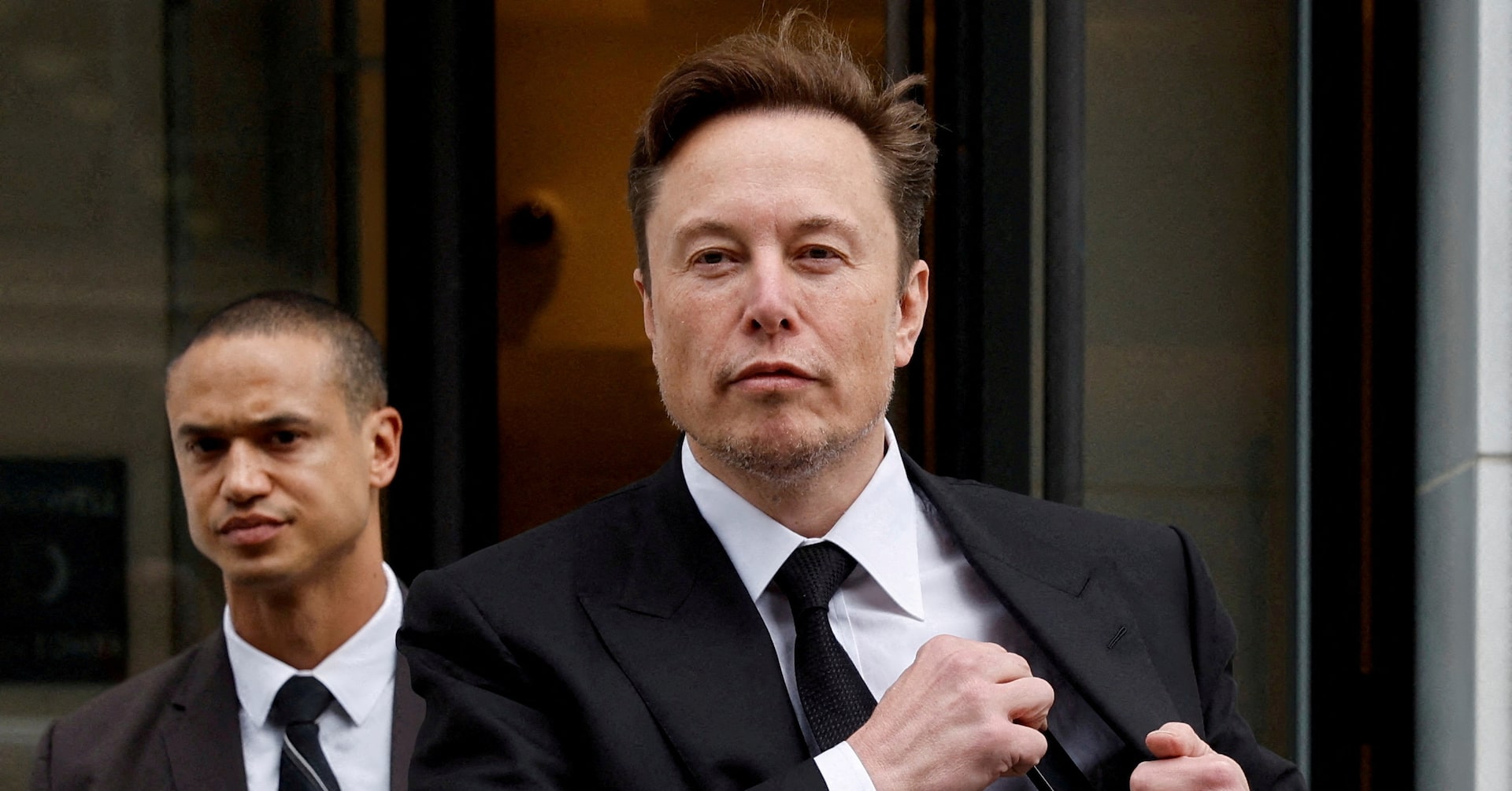
Tesla Settles Lawsuit Over FSD Accident Involving Pedestrian
- Accident Overview: In 2023, a Tesla Model Y in full self-driving mode struck pedestrian Johna Story on an Arizona highway, raising significant concerns about FSD capabilities, particularly under poor visibility conditions.
- Investigation Findings: The National Highway Traffic Safety Administration (NHTSA) investigation revealed that Tesla's FSD failed to detect common roadway conditions that impaired visibility until just before the crash, providing drivers with minimal reaction time and highlighting potential flaws in the system.
- Technical Enhancements: During the Q1 earnings call, Tesla announced that it had replaced the cameras and implemented stricter visibility measures, ensuring that FSD would be disabled if the cameras could not clearly see the environment, thereby enhancing safety protocols.
- Market Reaction: Following the settlement of the lawsuit, Tesla's stock showed sideways movement in premarket trading on Friday, indicating a relatively muted market response and suggesting that the incident has not significantly impacted the company's fundamentals.
See More
Baron ETF Emerges as Leader Among SpaceX ETFs
- ETF Performance: The Baron First Principles ETF leads among SpaceX ETFs with a 31.2% allocation to SpaceX as of June 17, significantly surpassing its second-largest holding, indicating strong performance in the space investment sector.
- Historical Investment Background: Founder Ron Baron has participated in 27 funding rounds for SpaceX since 2017, initially investing when the company was valued at just $22 billion, demonstrating his long-term confidence and strategic positioning in the company.
- Acquisition Speculation: Ongoing speculation about SpaceX potentially acquiring Tesla is relevant, as Tesla accounts for nearly 12% of the Baron ETF's holdings, creating investor anticipation for the fund's future performance.
- High Fee Structure: While the Baron ETF offers high exposure to SpaceX, its 1% annual fee is relatively high, which may impact net returns for investors, especially compared to other lower-fee ETFs.
See More
SpaceX Issues $25 Billion in Bonds Amid Market Speculation
- Massive Fundraising: SpaceX announced a $25 billion bond issuance less than two weeks after its IPO, raising a total of $111 billion, which indicates strong market confidence in its future prospects despite current profitability challenges.
- High Demand for Debt: The bond issuance attracted $90 billion in orders, oversubscribed by more than three times, reflecting investor trust in SpaceX, even as the company faces ongoing financial hurdles.
- Strategic Acquisition: Last week, SpaceX acquired coding company Cursor for $60 billion to bolster its capabilities in artificial intelligence, despite only achieving a 16% year-over-year revenue growth, highlighting the urgent need for expansion in high-growth sectors.
- Cautious Market Reaction: Despite its strong fundraising ability, SpaceX's stock fell 17% this week, as investors express concerns over its ongoing fundraising and spending, particularly in the absence of a clear path to profitability.
See More
SpaceX Raises $25 Billion to Repay Loan and Expand AI Segment
- Massive Fundraising: SpaceX successfully raised $25 billion this week to repay a $20 billion bridge loan due in 2027 while also funding its xAI artificial intelligence segment, indicating strong market confidence in its future development.
- Acquisition of Cursor: The company acquired coding firm Cursor for $60 billion to enhance its xAI capabilities, which, despite currently being unprofitable, is expected to provide new growth momentum for SpaceX.
- Outstanding IPO Performance: SpaceX raised $85.7 billion in its June 12 IPO, significantly exceeding the initial target of $75 billion, with bond issuance demand also surpassing $30 billion, showcasing strong investor confidence in its potential.
- Complex Market Reaction: Despite successful fundraising, SpaceX's stock fell 17% this week, as investors express concerns over its ongoing funding needs and path to profitability, reflecting a cautious market sentiment regarding its long-term sustainability.
See More
Investment Risks Analysis of Tesla and SpaceX
- Tesla Valuation Decline: As of June 2026, Tesla shares are trading around $375, down approximately 16% year-to-date, reflecting market concerns over its 180x P/E ratio, indicating significant challenges to future profitability.
- First Revenue Decline: In 2025, Tesla's annual revenue fell 3% to $94.8 billion, with deliveries dropping 8.6% to 1.64 million units, highlighting pressures in a competitive market that could undermine investor confidence moving forward.
- SpaceX Float Issues: After its IPO, SpaceX's stock price dropped from $225 to $154.60, with only 4.2% of shares outstanding, and analysts predict that up to 44% of insider shares could become tradable by September, creating a supply shock that may further depress stock prices.
- Severe AI Division Losses: SpaceX's AI division reported $818 million in revenue against $2.47 billion in operating losses in Q1 2026, revealing vulnerabilities in its profitability model that could impact future capital expenditure plans.
See More
Market Volatility and Investment Strategy
- Market Fluctuations: Recently, the S&P 500 dropped about 2% and the Nasdaq Composite fell nearly 3.5%, indicating that while short-term fluctuations are normal, investor concerns about a potential tech bubble necessitate vigilance against volatility.
- Vanguard ETF Advantage: Launched in 2010, the Vanguard S&P 500 ETF tracks the S&P 500, boasting a nearly 715% total return over the past 26 years, demonstrating resilience through multiple market crashes and economic downturns, making it a suitable long-term investment.
- Long-Term Returns: Analysis by Crestmont Research shows that the S&P 500 has ended every 20-year period with positive returns, indicating that investors holding the index fund through market volatility are likely to profit, enhancing its appeal as a stable investment option.
- Tech Stock Risks: While tech stocks have propelled the S&P 500 upward, the
See More
Tesla Settles Lawsuit Over FSD Accident Involving Pedestrian
- Accident Overview: In 2023, a Tesla Model Y in full self-driving mode struck pedestrian Johna Story on an Arizona highway, raising significant concerns about FSD capabilities, particularly under poor visibility conditions.
- Investigation Findings: The National Highway Traffic Safety Administration (NHTSA) investigation revealed that Tesla's FSD failed to detect common roadway conditions that impaired visibility until just before the crash, providing drivers with minimal reaction time and highlighting potential flaws in the system.
- Technical Enhancements: During the Q1 earnings call, Tesla announced that it had replaced the cameras and implemented stricter visibility measures, ensuring that FSD would be disabled if the cameras could not clearly see the environment, thereby enhancing safety protocols.
- Market Reaction: Following the settlement of the lawsuit, Tesla's stock showed sideways movement in premarket trading on Friday, indicating a relatively muted market response and suggesting that the incident has not significantly impacted the company's fundamentals.
See More