SpaceX Plans $2 Trillion IPO Targeting June 2026
Written by Emily J. Thompson, Senior Investment Analyst
Updated: 4 days ago
0mins
Should l Buy TSLA?
Source: NASDAQ.COM
- IPO Filing: SpaceX has confidentially filed for an initial public offering (IPO) with the SEC targeting June 2026, aiming to raise $75 billion and achieve a valuation of $2 trillion, positioning it among the world's six largest public companies, highlighting its immense market potential.
- Starlink's Financial Engine: Starlink generated nearly $12 billion in revenue in 2025, accounting for 60% of total company revenue, with EBITDA margins exceeding 60%, making it the primary profit driver for SpaceX and boosting investor confidence in future growth.
- xAI's Financial Struggles: Despite the intriguing vision of xAI, it currently burns approximately $1 billion per month with minimal revenue, raising concerns about its business model's sustainability, which could exert pressure on SpaceX's overall valuation.
- Market Competition and Risks: SpaceX's high valuation at around 125 times 2025 revenue may weigh on its stock price, especially as Starlink's growth slows and competition from players like Amazon intensifies, necessitating cautious evaluation of its future performance.
Trade with 70% Backtested Accuracy
Stop guessing "Should I Buy TSLA?" and start using high-conviction signals backed by rigorous historical data.
Sign up today to access powerful investing tools and make smarter, data-driven decisions.
Analyst Views on TSLA
Wall Street analysts forecast TSLA stock price to rise
30 Analyst Rating
12 Buy
11 Hold
7 Sell
Hold
Current: 373.720

Low
25.28
Averages
401.93
High
600.00
Current: 373.720
Low
25.28
Averages
401.93
High
600.00
About TSLA
Tesla, Inc. designs, develops, manufactures, sells and leases high-performance fully electric vehicles and energy generation and storage systems, and offers services related to its products. Its segments include automotive, and energy generation and storage. The automotive segment includes the design, development, manufacturing, sales and leasing of high-performance fully electric vehicles, and sales of automotive regulatory credits. It also includes sales of used vehicles, non-warranty maintenance services and collisions, part sales, paid supercharging, insurance services revenue and retail merchandise sales. The energy generation and storage segment include the design, manufacture, installation, sales and leasing of solar energy generation and energy storage products and related services and sales of solar energy systems incentives. Its consumer vehicles include the Model 3, Y, S, X and Cybertruck. Its lithium-ion battery energy storage products include Powerwall and Megapack.
About the author

Emily J. Thompson
Emily J. Thompson, a Chartered Financial Analyst (CFA) with 12 years in investment research, graduated with honors from the Wharton School. Specializing in industrial and technology stocks, she provides in-depth analysis for Intellectia’s earnings and market brief reports.
Tesla Reports Solid Quarterly Financial Results

- Solid Financial Performance: Tesla's Q1 2026 financial report indicates relatively solid results, with stock prices reflecting a 0.69% increase on April 23, although specific figures were not disclosed.
- Positive Market Reaction: Following the earnings report, Tesla's stock exhibited an upward trend, indicating investor confidence in the company's future growth potential despite ongoing market uncertainties.
- Video Release Timing: The earnings video was published on April 25, 2026, aimed at further clarifying financial data and enhancing investor confidence, showcasing the company's commitment to transparency and communication.
- Optimistic Future Outlook: While specific financial metrics were not provided, Tesla's solid performance may lay a foundation for future growth, particularly as the electric vehicle market continues to expand.
See More

SpaceX Targets IPO in June with Valuation Exceeding $1 Trillion
- IPO Announcement: SpaceX is targeting an IPO in June 2024, with a valuation expected to exceed $1 trillion, and some reports suggesting it could reach $1.75 trillion, enabling the company to raise between $50 billion and $75 billion in fresh capital, significantly enhancing its market position.
- Starlink Profit Growth: Although Starlink reported a net loss in 2023, it is projected to achieve approximately $72 million in profit in 2024, with profits reaching $8 billion on around $15 billion in revenue by 2025, indicating strong growth potential and market demand.
- Musk's Business Influence: Musk's successful track record in creating disruptive companies instills confidence in the market regarding SpaceX's future, with analysts believing that investments in Starship, xAI, and data center satellites will ultimately yield returns, further driving up the company's valuation.
- Positive Impact on Tesla: The capital raised by SpaceX will directly benefit Tesla, potentially leading to multi-billion dollar orders for robotics and providing AI and software components, aiding its transformation into a software and robotics-focused business model, thereby enhancing synergies between the two companies.
See More

SpaceX IPO Could Become Largest in History


- Staggering IPO Valuation: SpaceX aims for an IPO valuation between $1.75 trillion and $2 trillion, potentially raising $75 billion, which could make it the largest IPO in history, nearly three times the amount raised by Saudi Aramco, reflecting immense market interest in the space and AI sectors.
- Massive Market Potential: The global space economy is projected to reach $1.8 trillion by 2035, while AI is expected to create $15.7 trillion in economic value by 2030, indicating that SpaceX's business prospects align closely with these significant market trends, potentially driving long-term growth for the company.
- Historical Caution: Despite the excitement surrounding SpaceX's IPO, historical data shows that since 1999, five major IPOs have averaged a 10% decline six months post-debut, suggesting SpaceX could face a $200 billion market cap loss, urging investors to proceed with caution.
- Significant Valuation Risks: SpaceX's projected price-to-sales ratio of 125 far exceeds the sustainable threshold of 30 seen historically, indicating that if market sentiment shifts, the company could lose over $1 trillion in market value, necessitating close attention to its future financial performance.
See More
SpaceX IPO Could Become Largest in History
- Massive IPO Potential: SpaceX confidentially filed for an IPO on April 1, aiming to raise $75 billion with a market valuation between $1.75 trillion and $2 trillion, which would make it the largest IPO in history, significantly surpassing Saudi Aramco's $29.4 billion.
- Vast Market Opportunities: SpaceX operates in two of the largest global markets, space and artificial intelligence, with McKinsey projecting a $1.8 trillion space economy by 2035 and PwC forecasting AI to generate $15.7 trillion in economic value by 2030, indicating substantial long-term growth potential.
- Historical Cautionary Tale: Despite the excitement surrounding SpaceX's IPO, historical data shows that five major IPOs since 1999 averaged a 10% decline six months post-debut, suggesting a potential $200 billion loss in market cap for SpaceX.
- Valuation Bubble Concerns: With a projected valuation leading to a price-to-sales ratio of 125, far exceeding the sustainable threshold of 30, SpaceX could face over $1 trillion in market cap losses if market sentiment shifts, despite its popularity.
See More
Musk Warns of Imminent Bankruptcy Crisis for America
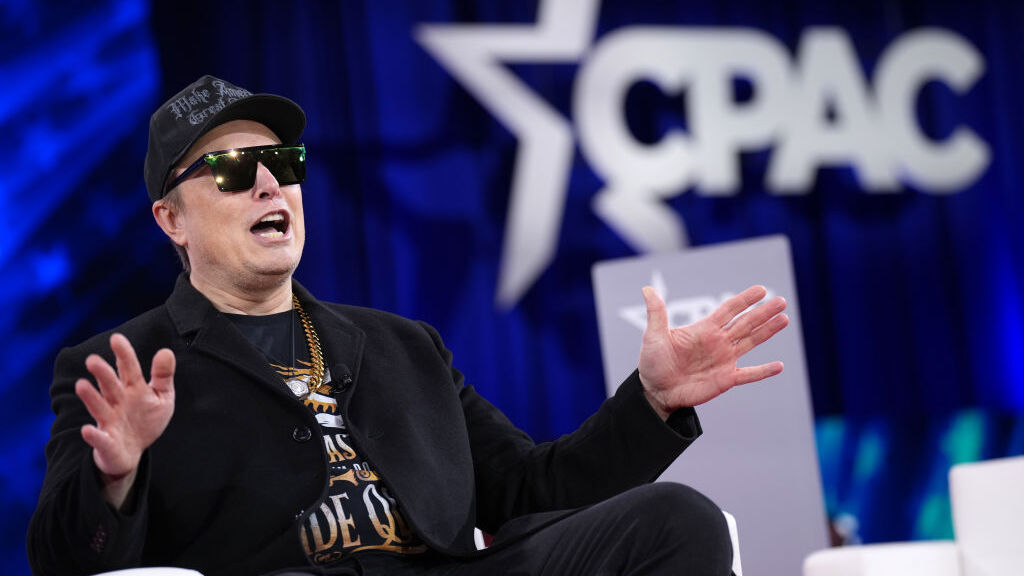
- Surging National Debt: The U.S. national debt has reached $38.96 trillion, with fiscal year 2026 showing a $1.17 trillion deficit, indicating a dire financial situation that could lead to bankruptcy without breakthroughs in AI and robotics productivity.
- Heavy Interest Burden: Musk highlighted that interest payments on national debt exceed the military budget of $1 trillion, illustrating the increasing pressure on the government to service its debt, which could exacerbate future fiscal crises.
- Rising War Costs: The Pentagon reported that the first week of the Iran war cost $11.3 billion, with total expenses projected to exceed $1 trillion, further straining national debt and impacting the economic outlook for future generations.
- Defense Budget Surge: Trump's proposed 2027 defense budget request of $1.5 trillion could add $5 trillion to defense spending by 2035, and when interest costs are included, the national debt may increase by approximately $5.8 trillion, highlighting the unsustainability of current fiscal policies.
See More

SpaceX Plans IPO with Valuation Up to $1.75 Trillion
- IPO Timeline: SpaceX is planning to conduct its initial public offering (IPO) in June, with a projected valuation of at least $1 trillion, and some reports suggesting it could reach $1.75 trillion, potentially making it one of the most valuable public companies in history and attracting significant investor interest.
- Retail Investor Priority: CFO Bret Johnsen announced plans to allocate 30% of shares to retail investors, a substantial increase from the typical 5%-10% seen in the industry, aimed at recognizing the long-term support from individual investors, thereby enhancing public engagement and market enthusiasm.
- Capital Flow to Other Ventures: The expected $50 billion to $75 billion raised from the IPO is likely to benefit Musk's other ventures, such as Tesla and xAI, creating a synergistic effect that could enhance the overall competitiveness of Musk's business empire through shared success.
- Integration of Technology and Resources: Tesla's electric trucks and Megapacks may play a crucial role in SpaceX's plans for establishing a lunar base, with the resource integration among Musk's companies providing robust support for SpaceX's long-term strategic goals in space exploration.
See More
Tesla Reports Solid Quarterly Financial Results
- Solid Financial Performance: Tesla's Q1 2026 financial report indicates relatively solid results, with stock prices reflecting a 0.69% increase on April 23, although specific figures were not disclosed.
- Positive Market Reaction: Following the earnings report, Tesla's stock exhibited an upward trend, indicating investor confidence in the company's future growth potential despite ongoing market uncertainties.
- Video Release Timing: The earnings video was published on April 25, 2026, aimed at further clarifying financial data and enhancing investor confidence, showcasing the company's commitment to transparency and communication.
- Optimistic Future Outlook: While specific financial metrics were not provided, Tesla's solid performance may lay a foundation for future growth, particularly as the electric vehicle market continues to expand.
See More
SpaceX Targets IPO in June with Valuation Exceeding $1 Trillion
- IPO Announcement: SpaceX is targeting an IPO in June 2024, with a valuation expected to exceed $1 trillion, and some reports suggesting it could reach $1.75 trillion, enabling the company to raise between $50 billion and $75 billion in fresh capital, significantly enhancing its market position.
- Starlink Profit Growth: Although Starlink reported a net loss in 2023, it is projected to achieve approximately $72 million in profit in 2024, with profits reaching $8 billion on around $15 billion in revenue by 2025, indicating strong growth potential and market demand.
- Musk's Business Influence: Musk's successful track record in creating disruptive companies instills confidence in the market regarding SpaceX's future, with analysts believing that investments in Starship, xAI, and data center satellites will ultimately yield returns, further driving up the company's valuation.
- Positive Impact on Tesla: The capital raised by SpaceX will directly benefit Tesla, potentially leading to multi-billion dollar orders for robotics and providing AI and software components, aiding its transformation into a software and robotics-focused business model, thereby enhancing synergies between the two companies.
See More
SpaceX IPO Could Become Largest in History
- Staggering IPO Valuation: SpaceX aims for an IPO valuation between $1.75 trillion and $2 trillion, potentially raising $75 billion, which could make it the largest IPO in history, nearly three times the amount raised by Saudi Aramco, reflecting immense market interest in the space and AI sectors.
- Massive Market Potential: The global space economy is projected to reach $1.8 trillion by 2035, while AI is expected to create $15.7 trillion in economic value by 2030, indicating that SpaceX's business prospects align closely with these significant market trends, potentially driving long-term growth for the company.
- Historical Caution: Despite the excitement surrounding SpaceX's IPO, historical data shows that since 1999, five major IPOs have averaged a 10% decline six months post-debut, suggesting SpaceX could face a $200 billion market cap loss, urging investors to proceed with caution.
- Significant Valuation Risks: SpaceX's projected price-to-sales ratio of 125 far exceeds the sustainable threshold of 30 seen historically, indicating that if market sentiment shifts, the company could lose over $1 trillion in market value, necessitating close attention to its future financial performance.
See More
SpaceX IPO Could Become Largest in History
- Massive IPO Potential: SpaceX confidentially filed for an IPO on April 1, aiming to raise $75 billion with a market valuation between $1.75 trillion and $2 trillion, which would make it the largest IPO in history, significantly surpassing Saudi Aramco's $29.4 billion.
- Vast Market Opportunities: SpaceX operates in two of the largest global markets, space and artificial intelligence, with McKinsey projecting a $1.8 trillion space economy by 2035 and PwC forecasting AI to generate $15.7 trillion in economic value by 2030, indicating substantial long-term growth potential.
- Historical Cautionary Tale: Despite the excitement surrounding SpaceX's IPO, historical data shows that five major IPOs since 1999 averaged a 10% decline six months post-debut, suggesting a potential $200 billion loss in market cap for SpaceX.
- Valuation Bubble Concerns: With a projected valuation leading to a price-to-sales ratio of 125, far exceeding the sustainable threshold of 30, SpaceX could face over $1 trillion in market cap losses if market sentiment shifts, despite its popularity.
See More
Musk Warns of Imminent Bankruptcy Crisis for America
- Surging National Debt: The U.S. national debt has reached $38.96 trillion, with fiscal year 2026 showing a $1.17 trillion deficit, indicating a dire financial situation that could lead to bankruptcy without breakthroughs in AI and robotics productivity.
- Heavy Interest Burden: Musk highlighted that interest payments on national debt exceed the military budget of $1 trillion, illustrating the increasing pressure on the government to service its debt, which could exacerbate future fiscal crises.
- Rising War Costs: The Pentagon reported that the first week of the Iran war cost $11.3 billion, with total expenses projected to exceed $1 trillion, further straining national debt and impacting the economic outlook for future generations.
- Defense Budget Surge: Trump's proposed 2027 defense budget request of $1.5 trillion could add $5 trillion to defense spending by 2035, and when interest costs are included, the national debt may increase by approximately $5.8 trillion, highlighting the unsustainability of current fiscal policies.
See More
SpaceX Plans IPO with Valuation Up to $1.75 Trillion
- IPO Timeline: SpaceX is planning to conduct its initial public offering (IPO) in June, with a projected valuation of at least $1 trillion, and some reports suggesting it could reach $1.75 trillion, potentially making it one of the most valuable public companies in history and attracting significant investor interest.
- Retail Investor Priority: CFO Bret Johnsen announced plans to allocate 30% of shares to retail investors, a substantial increase from the typical 5%-10% seen in the industry, aimed at recognizing the long-term support from individual investors, thereby enhancing public engagement and market enthusiasm.
- Capital Flow to Other Ventures: The expected $50 billion to $75 billion raised from the IPO is likely to benefit Musk's other ventures, such as Tesla and xAI, creating a synergistic effect that could enhance the overall competitiveness of Musk's business empire through shared success.
- Integration of Technology and Resources: Tesla's electric trucks and Megapacks may play a crucial role in SpaceX's plans for establishing a lunar base, with the resource integration among Musk's companies providing robust support for SpaceX's long-term strategic goals in space exploration.
See More