SpaceX IPO Could Trigger AI Bubble
Written by Emily J. Thompson, Senior Investment Analyst
Updated: 1 day ago
0mins


Source: Fool
- AI Stock Resurgence: Since late last year, AI stocks have surged again due to a shortage of memory chips and strong demand growth, with major indexes hitting all-time highs following the Iran war, reflecting market volatility and investor caution.
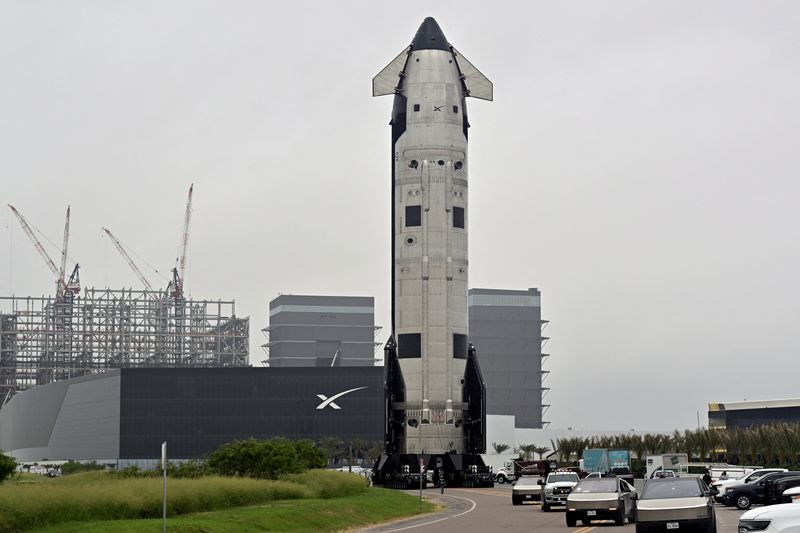
- SpaceX Financials: Ahead of its IPO, SpaceX's financials reveal a mere 15.4% revenue growth to $4.7 billion in Q1, alongside a GAAP operating loss of $1.9 billion, indicating a lack of profitability despite a potential valuation of $2 trillion.
- Valuation Risks: If SpaceX goes public at a $2 trillion valuation, it would imply a price-to-sales ratio exceeding 100, starkly contrasting with the S&P 500 median of 3, suggesting overly optimistic market expectations and potential bubble risks.
- Market Reaction Expectations: The SpaceX IPO could lead to volatility in AI stocks; if it underperforms, it may trigger sell-offs in other AI stocks, reminiscent of the 1999 dot-com bubble, prompting investors to remain vigilant about market sentiment shifts.
Trade with 70% Backtested Accuracy
Stop guessing "Should I Buy TSLA?" and start using high-conviction signals backed by rigorous historical data.
Sign up today to access powerful investing tools and make smarter, data-driven decisions.
Analyst Views on TSLA
Wall Street analysts forecast TSLA stock price to fall
30 Analyst Rating
12 Buy
11 Hold
7 Sell
Hold
Current: 417.850

Low
25.28
Averages
401.93
High
600.00
Current: 417.850
Low
25.28
Averages
401.93
High
600.00
About TSLA
Tesla, Inc. designs, develops, manufactures, sells and leases high-performance fully electric vehicles and energy generation and storage systems, and offers services related to its products. Its segments include automotive, and energy generation and storage. The automotive segment includes the design, development, manufacturing, sales and leasing of high-performance fully electric vehicles, and sales of automotive regulatory credits. It also includes sales of used vehicles, non-warranty maintenance services and collisions, part sales, paid supercharging, insurance services revenue and retail merchandise sales. The energy generation and storage segment include the design, manufacture, installation, sales and leasing of solar energy generation and energy storage products and related services and sales of solar energy systems incentives. Its consumer vehicles include the Model 3, Y, S, X and Cybertruck. Its lithium-ion battery energy storage products include Powerwall and Megapack.
About the author

Emily J. Thompson
Emily J. Thompson, a Chartered Financial Analyst (CFA) with 12 years in investment research, graduated with honors from the Wharton School. Specializing in industrial and technology stocks, she provides in-depth analysis for Intellectia’s earnings and market brief reports.

Analysis of SpaceX's IPO Prospects and Financial Status

- Revenue Growth and Losses: In 2025, SpaceX's revenue increased by 33% to $18.67 billion, but in Q1 2026, it only grew 15% year-over-year to $4.69 billion, indicating a slowdown that could affect investor confidence.
- Starlink Business Performance: The Starlink satellite business accounted for 61% of revenue in 2025 and saw a 57% year-over-year increase in Q1 2026, although average revenue per user dropped from $81 to $66, suggesting pressure on profitability.
- AI and Space Segment Losses: In 2026, SpaceX's AI and space segments reported losses of $6.36 billion and $657 million respectively, while Starlink generated a profit of $4.42 billion, indicating a concerning overall financial situation that may impact future investment decisions.
- IPO Valuation and Market Reaction: SpaceX aims to raise $75 billion with a valuation of up to $2 trillion, translating to a staggering 107 times sales multiple, yet concerns over its profitability model could lead to stock volatility, urging investors to proceed with caution.
See More

Stock Market Rebounds on Iran Deal Hopes


- Market Rebound: The stock market experienced solid weekly gains driven by optimism surrounding the Iran deal, indicating investor confidence in future economic recovery, which may attract more capital inflows into the market.
- Tesla Buy Point Approaching: Tesla's stock is nearing a buy point, suggesting investor interest in its growth potential, which could lead to a short-term price increase and enhance overall market vitality.
- Strong AI Stock Performance: ASML and several AI-related stocks are performing well, reflecting ongoing market enthusiasm for technology stocks, potentially prompting more investors to focus on and invest in the tech sector.
- Weekend Negotiations Ongoing: Talks regarding the Iran deal continued over the weekend, and if a consensus is reached, it could further boost market sentiment and drive stock performance in related sectors, particularly energy and technology.
See More

Tesla's Robotaxi Rollout Faces Challenges
- Technical Challenges: Tesla's robotaxi rollout has faced navigation issues in Austin, Texas, resulting in two low-speed crashes, highlighting early technological growing pains; however, the company is pursuing a market opportunity potentially worth over $1 trillion.
- Market Potential: Analysts estimate that by 2029, robotaxis could represent 90% of Tesla's enterprise value, as the global autonomous ride-hailing market is projected to grow to $10 trillion, indicating that Tesla's long-term growth potential is no longer solely tied to car sales.
- Data Advantage: With over 8 million vehicles delivered, half equipped with Full Self-Driving hardware, Tesla possesses one of the world's largest real-world driving datasets, providing a significant advantage for training autonomous AI systems, despite the execution risks involved.
- Long-Term Valuation: If Tesla captures just 10% to 20% of the $1 trillion market estimate, it could add an additional $100 billion to $200 billion to the company's valuation, further solidifying its leadership position in the future mobility market.
See More

Tesla Robotaxi Rollout Faces Challenges
- Navigation Issues: Tesla's robotaxis have struggled with basic navigation in Austin, Texas, requiring remote operator intervention and resulting in two low-speed crashes, highlighting the technology's immaturity and potentially shaking investor confidence.
- Massive Market Potential: Analyst Dan Ives estimates that Tesla's AI and autonomous driving opportunity could exceed $1 trillion, indicating that if successful, Tesla's long-term valuation could significantly surpass traditional automotive sales.
- Data Advantage: Tesla has delivered over 8 million vehicles globally, with about half equipped with Full Self-Driving hardware, providing the company with one of the largest real-world driving datasets, crucial for training autonomous AI systems.
- Significant Execution Risks: Despite the enormous potential in autonomous driving, the zero tolerance for errors in these systems means that any technical flaws could lead to regulatory and legal issues, necessitating close investor attention to the ongoing development of its robotaxi rollout.
See More

SpaceX Faces Valuation and Market Challenges Ahead of IPO

- Market Size Projection: SpaceX claims an addressable market of $28.5 trillion, primarily in enterprise applications, yet this figure is nearly equal to the U.S. GDP of $32.4 trillion, raising concerns about the sustainability of such a high valuation given its current financials.
- Poor Financial Performance: In 2025, SpaceX reported revenues of $18.7 billion, but its GAAP operating loss widened to $2.6 billion following its merger with xAI, indicating significant challenges in profitability that investors must carefully consider.
- Investor Focus: While SpaceX's ambitious vision attracts substantial investor interest, its current financial metrics do not justify its market value, prompting investors to be wary of potential misrepresentation stemming from inflated market size claims.
- Technology and Mission: SpaceX aims to enable multi-planetary life through technologies like reusable rockets and Starlink satellite internet; if these goals are achieved, its valuation may become justified, but its current market performance remains to be seen.
See More
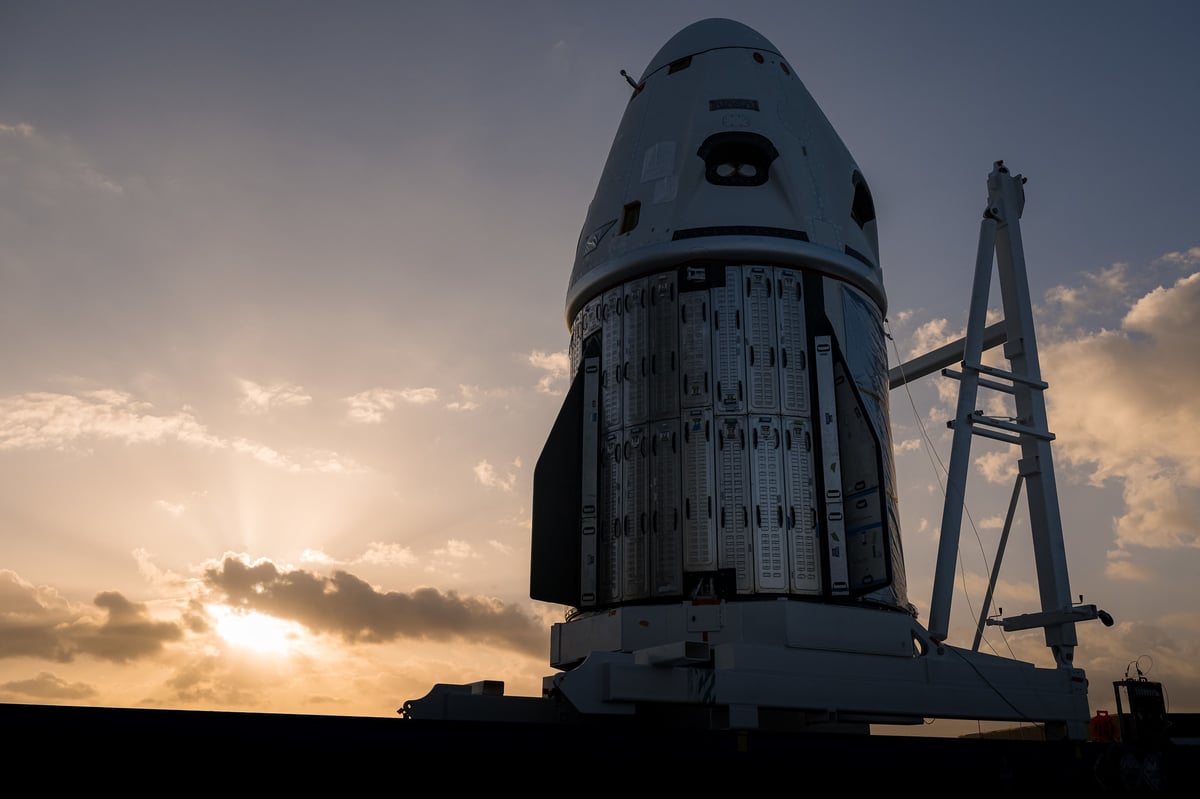
SpaceX Set to Go Public with $2 Trillion Valuation Target
- IPO Outlook: SpaceX is set to go public soon, targeting a valuation of $2 trillion, despite reporting only $18.7 billion in revenue for 2025 and a GAAP operating loss of $2.6 billion last year, indicating a fragile current financial state.
- Market Potential: The company claims an addressable market of $28.5 trillion, nearly equivalent to the U.S. GDP, primarily in AI enterprise applications, although the actual significance of this figure is questionable, urging investors to approach it with caution.
- Technological Innovation: Breakthroughs in reusable rocket technology and Starlink satellite internet have garnered significant investor interest, yet the company's revenue accounts for less than 0.1% of its addressable market, highlighting the substantial uncertainty surrounding its future potential.
- Investor Caution: While SpaceX's ambitious mission attracts investors, its inflated addressable market figures may mislead them, emphasizing the need to focus on actual performance rather than market size to avoid repeating the mistakes of other startups.
See More
Analysis of SpaceX's IPO Prospects and Financial Status
- Revenue Growth and Losses: In 2025, SpaceX's revenue increased by 33% to $18.67 billion, but in Q1 2026, it only grew 15% year-over-year to $4.69 billion, indicating a slowdown that could affect investor confidence.
- Starlink Business Performance: The Starlink satellite business accounted for 61% of revenue in 2025 and saw a 57% year-over-year increase in Q1 2026, although average revenue per user dropped from $81 to $66, suggesting pressure on profitability.
- AI and Space Segment Losses: In 2026, SpaceX's AI and space segments reported losses of $6.36 billion and $657 million respectively, while Starlink generated a profit of $4.42 billion, indicating a concerning overall financial situation that may impact future investment decisions.
- IPO Valuation and Market Reaction: SpaceX aims to raise $75 billion with a valuation of up to $2 trillion, translating to a staggering 107 times sales multiple, yet concerns over its profitability model could lead to stock volatility, urging investors to proceed with caution.
See More
Stock Market Rebounds on Iran Deal Hopes
- Market Rebound: The stock market experienced solid weekly gains driven by optimism surrounding the Iran deal, indicating investor confidence in future economic recovery, which may attract more capital inflows into the market.
- Tesla Buy Point Approaching: Tesla's stock is nearing a buy point, suggesting investor interest in its growth potential, which could lead to a short-term price increase and enhance overall market vitality.
- Strong AI Stock Performance: ASML and several AI-related stocks are performing well, reflecting ongoing market enthusiasm for technology stocks, potentially prompting more investors to focus on and invest in the tech sector.
- Weekend Negotiations Ongoing: Talks regarding the Iran deal continued over the weekend, and if a consensus is reached, it could further boost market sentiment and drive stock performance in related sectors, particularly energy and technology.
See More
Tesla's Robotaxi Rollout Faces Challenges
- Technical Challenges: Tesla's robotaxi rollout has faced navigation issues in Austin, Texas, resulting in two low-speed crashes, highlighting early technological growing pains; however, the company is pursuing a market opportunity potentially worth over $1 trillion.
- Market Potential: Analysts estimate that by 2029, robotaxis could represent 90% of Tesla's enterprise value, as the global autonomous ride-hailing market is projected to grow to $10 trillion, indicating that Tesla's long-term growth potential is no longer solely tied to car sales.
- Data Advantage: With over 8 million vehicles delivered, half equipped with Full Self-Driving hardware, Tesla possesses one of the world's largest real-world driving datasets, providing a significant advantage for training autonomous AI systems, despite the execution risks involved.
- Long-Term Valuation: If Tesla captures just 10% to 20% of the $1 trillion market estimate, it could add an additional $100 billion to $200 billion to the company's valuation, further solidifying its leadership position in the future mobility market.
See More
Tesla Robotaxi Rollout Faces Challenges
- Navigation Issues: Tesla's robotaxis have struggled with basic navigation in Austin, Texas, requiring remote operator intervention and resulting in two low-speed crashes, highlighting the technology's immaturity and potentially shaking investor confidence.
- Massive Market Potential: Analyst Dan Ives estimates that Tesla's AI and autonomous driving opportunity could exceed $1 trillion, indicating that if successful, Tesla's long-term valuation could significantly surpass traditional automotive sales.
- Data Advantage: Tesla has delivered over 8 million vehicles globally, with about half equipped with Full Self-Driving hardware, providing the company with one of the largest real-world driving datasets, crucial for training autonomous AI systems.
- Significant Execution Risks: Despite the enormous potential in autonomous driving, the zero tolerance for errors in these systems means that any technical flaws could lead to regulatory and legal issues, necessitating close investor attention to the ongoing development of its robotaxi rollout.
See More
SpaceX Faces Valuation and Market Challenges Ahead of IPO
- Market Size Projection: SpaceX claims an addressable market of $28.5 trillion, primarily in enterprise applications, yet this figure is nearly equal to the U.S. GDP of $32.4 trillion, raising concerns about the sustainability of such a high valuation given its current financials.
- Poor Financial Performance: In 2025, SpaceX reported revenues of $18.7 billion, but its GAAP operating loss widened to $2.6 billion following its merger with xAI, indicating significant challenges in profitability that investors must carefully consider.
- Investor Focus: While SpaceX's ambitious vision attracts substantial investor interest, its current financial metrics do not justify its market value, prompting investors to be wary of potential misrepresentation stemming from inflated market size claims.
- Technology and Mission: SpaceX aims to enable multi-planetary life through technologies like reusable rockets and Starlink satellite internet; if these goals are achieved, its valuation may become justified, but its current market performance remains to be seen.
See More
SpaceX Set to Go Public with $2 Trillion Valuation Target
- IPO Outlook: SpaceX is set to go public soon, targeting a valuation of $2 trillion, despite reporting only $18.7 billion in revenue for 2025 and a GAAP operating loss of $2.6 billion last year, indicating a fragile current financial state.
- Market Potential: The company claims an addressable market of $28.5 trillion, nearly equivalent to the U.S. GDP, primarily in AI enterprise applications, although the actual significance of this figure is questionable, urging investors to approach it with caution.
- Technological Innovation: Breakthroughs in reusable rocket technology and Starlink satellite internet have garnered significant investor interest, yet the company's revenue accounts for less than 0.1% of its addressable market, highlighting the substantial uncertainty surrounding its future potential.
- Investor Caution: While SpaceX's ambitious mission attracts investors, its inflated addressable market figures may mislead them, emphasizing the need to focus on actual performance rather than market size to avoid repeating the mistakes of other startups.
See More