SpaceX Approaches $2 Trillion IPO Valuation
Written by Emily J. Thompson, Senior Investment Analyst
Updated: May 18 2026
0mins


Source: Fool
- Valuation Surge: SpaceX's valuation reached $800 billion in 2025, soared to $1.25 trillion after merging with xAI in 2026, and recently hit $1.5 trillion on Forge Global, with IPO expectations between $1.75 trillion and $2 trillion, indicating strong growth potential in the aerospace market.
- Revenue Expectations: Analysts estimate SpaceX's revenue last year ranged from $15 billion to $18 billion, and while specific figures remain undisclosed, the IPO valuation implies a price-to-sales ratio exceeding 100, reflecting high market expectations for future growth.
- Technological Innovation: SpaceX significantly reduces launch costs through reusable rockets and has evolved Starlink into a global broadband network, while also positioning itself as an orbital AI infrastructure provider, with a total addressable market estimated at around $28 trillion, primarily in enterprise AI.
- Market Risks: Although SpaceX's IPO may price shares at a premium, its future valuation faces multiple risks, including the need for Starlink user growth, Starship launch frequency, and the commercialization of its AI business, where any execution delays or shifts in market sentiment could lead to significant valuation volatility.
Trade with 70% Backtested Accuracy
Stop guessing "Should I Buy TSLA?" and start using high-conviction signals backed by rigorous historical data.
Sign up today to access powerful investing tools and make smarter, data-driven decisions.
Analyst Views on TSLA
Wall Street analysts forecast TSLA stock price to rise
30 Analyst Rating
12 Buy
11 Hold
7 Sell
Hold
Current: 381.610

Low
25.28
Averages
401.93
High
600.00
Current: 381.610
Low
25.28
Averages
401.93
High
600.00
About TSLA
Tesla, Inc. designs, develops, manufactures, sells and leases high-performance fully electric vehicles and energy generation and storage systems, and offers services related to its products. Its segments include automotive, and energy generation and storage. The automotive segment includes the design, development, manufacturing, sales and leasing of high-performance fully electric vehicles, and sales of automotive regulatory credits. It also includes sales of used vehicles, non-warranty maintenance services and collisions, part sales, paid supercharging, insurance services revenue and retail merchandise sales. The energy generation and storage segment include the design, manufacture, installation, sales and leasing of solar energy generation and energy storage products and related services and sales of solar energy systems incentives. Its consumer vehicles include the Model 3, Y, S, X and Cybertruck. Its lithium-ion battery energy storage products include Powerwall and Megapack.
About the author

Emily J. Thompson
Emily J. Thompson, a Chartered Financial Analyst (CFA) with 12 years in investment research, graduated with honors from the Wharton School. Specializing in industrial and technology stocks, she provides in-depth analysis for Intellectia’s earnings and market brief reports.

Baron ETF Emerges as Leader Among SpaceX ETFs

- ETF Performance: The Baron First Principles ETF leads among SpaceX ETFs with a 31.2% allocation to SpaceX as of June 17, significantly surpassing its second-largest holding, indicating strong performance in the space investment sector.
- Historical Investment Background: Founder Ron Baron has participated in 27 funding rounds for SpaceX since 2017, initially investing when the company was valued at just $22 billion, demonstrating his long-term confidence and strategic positioning in the company.
- Acquisition Speculation: Ongoing speculation about SpaceX potentially acquiring Tesla is relevant, as Tesla accounts for nearly 12% of the Baron ETF's holdings, creating investor anticipation for the fund's future performance.
- High Fee Structure: While the Baron ETF offers high exposure to SpaceX, its 1% annual fee is relatively high, which may impact net returns for investors, especially compared to other lower-fee ETFs.
See More

Slate Auto Set to Launch Affordable Electric Pickup Under $25K

- Unique Market Positioning: Slate Auto is set to launch the only electric pickup in the U.S. market priced under $25,000, with initial deliveries expected in late 2026, addressing strong demand for affordable EVs.
- Innovative Product Design: The 'Blank Slate' model features a two-seat pickup that can be converted into a five-seat SUV by owners, starting at $29,950 for the SUV version, with online customization options enhancing user experience.
- Strong Reservation Numbers: The company has secured over 160,000 refundable $50 reservations, indicating substantial latent demand for the low-priced electric pickup, further solidifying its market outlook.
- Robust Funding Support: Slate Auto raised $650 million in its recent Series C round, bringing total funding to approximately $1.4 billion, providing ample financial runway for production stages, with expectations of positive cash flow and earnings by 2027.
See More
Intel's Stock Soars 528% Amid Strategic Shifts


- Government Investment Boost: The U.S. government's $8.9 billion investment in Intel, which secured about a 10% stake, has attracted investor attention and suggests that the company's chances of success may increase with government backing.
- Growing Client Agreements: Intel has secured agreements with Alphabet to manufacture 3 million custom Tensor Processing Units for its AI cloud infrastructure, and is collaborating with SpaceX and Tesla on the $55 billion Terafab project, indicating strong market demand for its services.
- Sales Performance Exceeds Expectations: Intel's first-quarter sales reached $13.6 billion, surpassing the consensus estimate of $12.4 billion, with non-GAAP earnings per share at $0.01, indicating a robust recovery in its semiconductor manufacturing business and new growth avenues.
- Valuation Risks: Despite positive performance, Intel's price-to-earnings ratio exceeds 900, significantly higher than the tech average of 37, and its foundry business reported a $2.4 billion operating loss, suggesting that the current stock price may be driven by market sentiment rather than actual financial improvements.
See More
Intel's Stock Soars Amid Concerns Over Future Profitability
- Stock Surge: Intel's stock has surged 528% over the past year and 259% year-to-date, primarily driven by an $8.9 billion government investment and new chip agreements, although these factors have yet to significantly boost sales and earnings.
- Sales Growth: In Q1, Intel reported sales of $13.6 billion, exceeding the consensus estimate of $12.4 billion, with its foundry business sales rising 16% to $5.4 billion, indicating a potential recovery in its semiconductor manufacturing segment.
- Valuation Risks: Despite the positive sales figures, Intel's price-to-earnings ratio exceeds 900, significantly higher than the average of 37 for tech stocks, suggesting that its stock may be overvalued and investors should proceed with caution.
- Profitability Challenges: Intel's foundry business reported an operating loss of $2.4 billion in Q1 2026, highlighting that despite rising sales, profitability remains a significant challenge, necessitating close monitoring of its future earnings potential.
See More
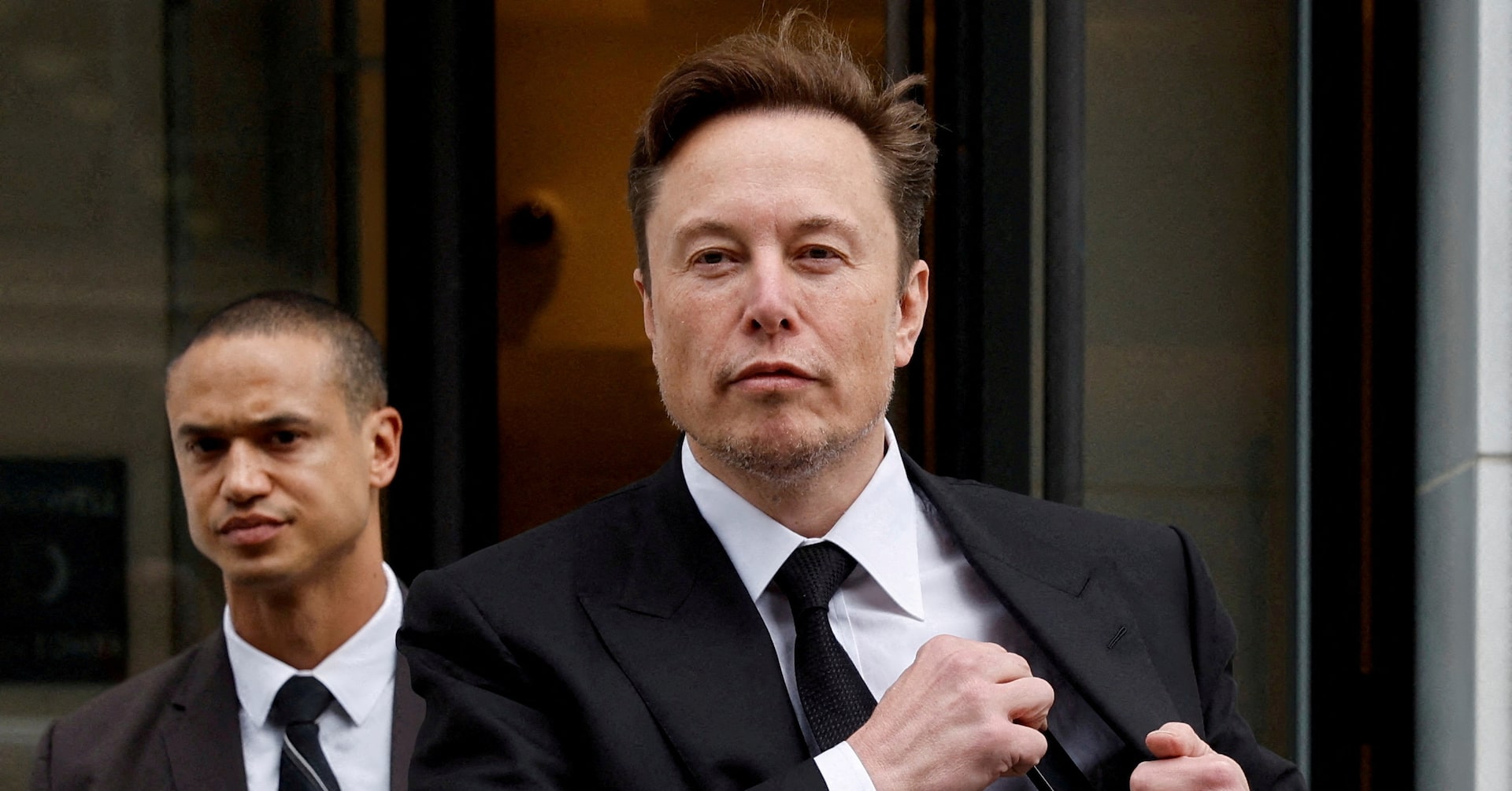
Chinese Automakers Enter Canadian Market Amid U.S. Ambitions

- Market Entry Strategy: China's largest EV maker BYD plans to open six dealerships in Canada, despite the country allowing only 49,000 car imports annually, indicating its focus on the North American market.
- Sales Outlook Analysis: Although the Canadian market is limited, with only 1.9 million cars sold last year, Chinese automakers view it as a stepping stone to the U.S. market, especially given current restrictions on Chinese vehicles in the U.S.
- Competitive Landscape Shift: Tesla imported over 44,000 Chinese-made cars into Canada in 2023, intensifying market competition and prompting Chinese brands to accelerate their market entry plans.
- Long-term Strategic Planning: Chery is conducting market tests and plans to launch sales in the fourth quarter, demonstrating confidence and readiness for the future U.S. market despite facing multiple challenges.
See More

Uber's Strong Q1 Earnings Report

- Significant Revenue Growth: Uber reported a total revenue of $13.2 billion in Q1, reflecting a 10% year-over-year increase after excluding foreign currency impacts, with mobility contributing 56% and delivery 33%, showcasing strong performance in core operations.
- Gross Bookings Surge: The company's gross bookings rose 25% year-over-year to $53.7 billion, driven by 25% growth in mobility and 28% in delivery, indicating sustained user demand that propelled overall performance.
- Investment in Autonomous Driving: Uber launched its Autonomous Solutions, aiming to collaborate with partners to develop and commercialize fleets, which could significantly reduce costs despite facing implementation challenges, highlighting the company's long-term strategic focus.
- Stock Price Volatility Impact: Although Uber's stock surged 8.5% post-earnings report, it has declined 14.7% over the past year, contrasting sharply with the S&P 500's 26.7% return, prompting investors to consider the company's long-term growth potential amidst current challenges.
See More
Baron ETF Emerges as Leader Among SpaceX ETFs
- ETF Performance: The Baron First Principles ETF leads among SpaceX ETFs with a 31.2% allocation to SpaceX as of June 17, significantly surpassing its second-largest holding, indicating strong performance in the space investment sector.
- Historical Investment Background: Founder Ron Baron has participated in 27 funding rounds for SpaceX since 2017, initially investing when the company was valued at just $22 billion, demonstrating his long-term confidence and strategic positioning in the company.
- Acquisition Speculation: Ongoing speculation about SpaceX potentially acquiring Tesla is relevant, as Tesla accounts for nearly 12% of the Baron ETF's holdings, creating investor anticipation for the fund's future performance.
- High Fee Structure: While the Baron ETF offers high exposure to SpaceX, its 1% annual fee is relatively high, which may impact net returns for investors, especially compared to other lower-fee ETFs.
See More
Slate Auto Set to Launch Affordable Electric Pickup Under $25K
- Unique Market Positioning: Slate Auto is set to launch the only electric pickup in the U.S. market priced under $25,000, with initial deliveries expected in late 2026, addressing strong demand for affordable EVs.
- Innovative Product Design: The 'Blank Slate' model features a two-seat pickup that can be converted into a five-seat SUV by owners, starting at $29,950 for the SUV version, with online customization options enhancing user experience.
- Strong Reservation Numbers: The company has secured over 160,000 refundable $50 reservations, indicating substantial latent demand for the low-priced electric pickup, further solidifying its market outlook.
- Robust Funding Support: Slate Auto raised $650 million in its recent Series C round, bringing total funding to approximately $1.4 billion, providing ample financial runway for production stages, with expectations of positive cash flow and earnings by 2027.
See More
Intel's Stock Soars 528% Amid Strategic Shifts
- Government Investment Boost: The U.S. government's $8.9 billion investment in Intel, which secured about a 10% stake, has attracted investor attention and suggests that the company's chances of success may increase with government backing.
- Growing Client Agreements: Intel has secured agreements with Alphabet to manufacture 3 million custom Tensor Processing Units for its AI cloud infrastructure, and is collaborating with SpaceX and Tesla on the $55 billion Terafab project, indicating strong market demand for its services.
- Sales Performance Exceeds Expectations: Intel's first-quarter sales reached $13.6 billion, surpassing the consensus estimate of $12.4 billion, with non-GAAP earnings per share at $0.01, indicating a robust recovery in its semiconductor manufacturing business and new growth avenues.
- Valuation Risks: Despite positive performance, Intel's price-to-earnings ratio exceeds 900, significantly higher than the tech average of 37, and its foundry business reported a $2.4 billion operating loss, suggesting that the current stock price may be driven by market sentiment rather than actual financial improvements.
See More
Intel's Stock Soars Amid Concerns Over Future Profitability
- Stock Surge: Intel's stock has surged 528% over the past year and 259% year-to-date, primarily driven by an $8.9 billion government investment and new chip agreements, although these factors have yet to significantly boost sales and earnings.
- Sales Growth: In Q1, Intel reported sales of $13.6 billion, exceeding the consensus estimate of $12.4 billion, with its foundry business sales rising 16% to $5.4 billion, indicating a potential recovery in its semiconductor manufacturing segment.
- Valuation Risks: Despite the positive sales figures, Intel's price-to-earnings ratio exceeds 900, significantly higher than the average of 37 for tech stocks, suggesting that its stock may be overvalued and investors should proceed with caution.
- Profitability Challenges: Intel's foundry business reported an operating loss of $2.4 billion in Q1 2026, highlighting that despite rising sales, profitability remains a significant challenge, necessitating close monitoring of its future earnings potential.
See More
Chinese Automakers Enter Canadian Market Amid U.S. Ambitions
- Market Entry Strategy: China's largest EV maker BYD plans to open six dealerships in Canada, despite the country allowing only 49,000 car imports annually, indicating its focus on the North American market.
- Sales Outlook Analysis: Although the Canadian market is limited, with only 1.9 million cars sold last year, Chinese automakers view it as a stepping stone to the U.S. market, especially given current restrictions on Chinese vehicles in the U.S.
- Competitive Landscape Shift: Tesla imported over 44,000 Chinese-made cars into Canada in 2023, intensifying market competition and prompting Chinese brands to accelerate their market entry plans.
- Long-term Strategic Planning: Chery is conducting market tests and plans to launch sales in the fourth quarter, demonstrating confidence and readiness for the future U.S. market despite facing multiple challenges.
See More
Uber's Strong Q1 Earnings Report
- Significant Revenue Growth: Uber reported a total revenue of $13.2 billion in Q1, reflecting a 10% year-over-year increase after excluding foreign currency impacts, with mobility contributing 56% and delivery 33%, showcasing strong performance in core operations.
- Gross Bookings Surge: The company's gross bookings rose 25% year-over-year to $53.7 billion, driven by 25% growth in mobility and 28% in delivery, indicating sustained user demand that propelled overall performance.
- Investment in Autonomous Driving: Uber launched its Autonomous Solutions, aiming to collaborate with partners to develop and commercialize fleets, which could significantly reduce costs despite facing implementation challenges, highlighting the company's long-term strategic focus.
- Stock Price Volatility Impact: Although Uber's stock surged 8.5% post-earnings report, it has declined 14.7% over the past year, contrasting sharply with the S&P 500's 26.7% return, prompting investors to consider the company's long-term growth potential amidst current challenges.
See More