

S&P Dow Jones Proposes Changes to Index Methodology


S&P Dow Jones Indices (SPGI) conducted a consultation with market participants on potential changes to the S&P U.S. Indices Methodology and Dow Jones U.S. Total Stock Market Indices Methodology related to MegaCap companies. As part of proposed changes, the company proposed, "Initial public offerings should be traded on an eligible exchange for at least 12 months before being considered for addition to an index. Spin-offs or in-specie distributions from existing constituents are not required to have 12 months of trading prior to their inclusion in the S&P Composite 1500. Companies that migrate from an ineligible exchange, emerge from bankruptcy, are newly designated to be domiciled in the U.S. for index purposes by S&P Dow Jones Indices, or convert from an ineligible share or organizational type to an eligible type do not need to trade on an eligible U.S. exchange for 12 months before being considered for addition." Space stocks including Intuitive Machines (LUNR) and Rocket Lab (RKLB) were trading lower in after-hours following the news, as the proposal would deny SpaceX (SPCX) early inclusion.
Trade with 70% Backtested Accuracy
Analyst Views on RKLB

About RKLB
About the author

SpaceX IPO Triggers Rocket Lab Stock Decline
- Impact of SpaceX IPO: SpaceX's successful IPO has made it the largest in history with a market cap of $2.1 trillion, causing a 32% drop in Rocket Lab's stock as investor focus shifts away from other space economy stocks.
- Rocket Lab Revenue Growth: Despite the stock decline, Rocket Lab reported $680 million in revenue over the past 12 months, reflecting a remarkable 1,000% growth over the last five years, indicating strong potential in the space launch market.
- Neutron Rocket Development: Rocket Lab is developing a larger Neutron rocket, expected to debut later this year, which should significantly boost revenue generation and attract more commercial clients to its launch services, enhancing its market position.
- Investor Strategy Advice: Given the high P/S ratios of both SpaceX and Rocket Lab, analysts recommend that investors exercise caution and consider seeking alternative investment opportunities to mitigate high risks.
Three Growth Stocks Worth Investing In Now


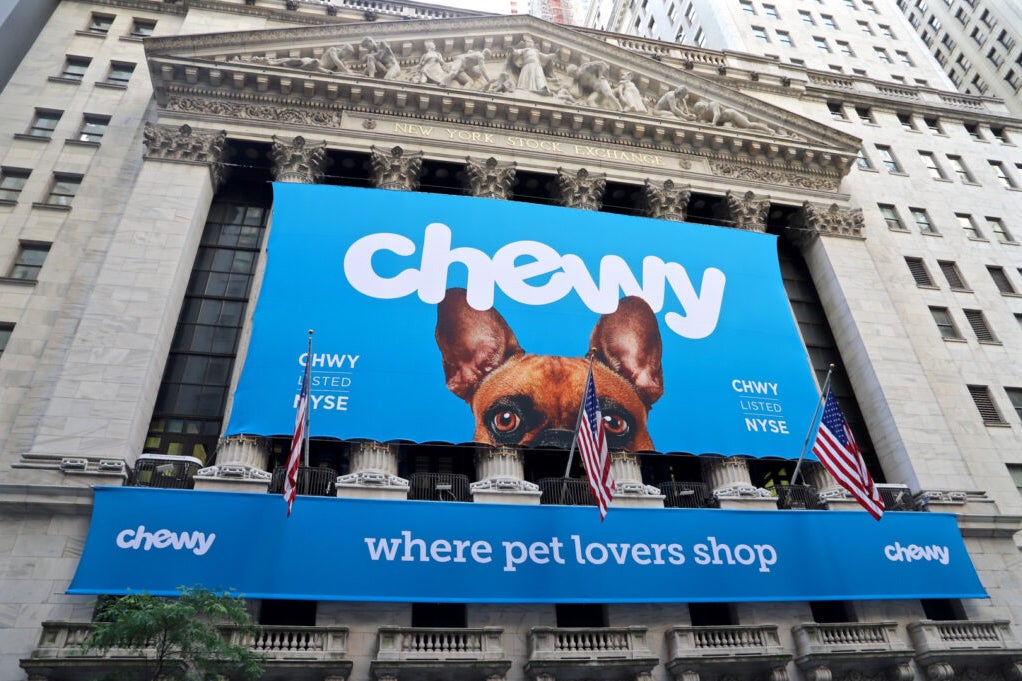
- Chewy Financial Performance: Chewy's revenue increased by 7.7% year-over-year, with earnings per share rising from $0.15 to $0.23, surpassing analyst expectations; despite lowering its full-year revenue guidance to $13.4 billion to $13.55 billion, this still represents a 7% growth over last year, showcasing the company's resilience in challenging times.
- DraftKings Market Competition: DraftKings reported a 17% year-over-year revenue growth to $1.65 billion last quarter, and despite facing new competitors, its brand strength and partnerships with sports teams help maintain its market leadership, with plans to launch a proprietary exchange and super app to enhance its position.
- Rocket Lab Growth Potential: Rocket Lab's shares have fallen nearly 30% from last month's peak, yet its focus on small and medium rocket launches positions it well within the $370 billion space industry, particularly as medium launches are expected to account for over half of future market demand.
- Industry Outlook Analysis: Despite high market valuations, there are still growth stocks worth considering; the performances of Chewy, DraftKings, and Rocket Lab indicate that investors can find potential growth opportunities in volatile markets, especially in technology and consumer goods sectors.

SpaceX Achieves Historic $75 Billion IPO, Valued at $2.1 Trillion


- Historic IPO: SpaceX went public on June 11 at $135 per share, opening at $150 and closing at $160.95, marking a 19% gain and a market capitalization of $2.1 trillion, making it the sixth-largest company in the U.S., achieving the largest IPO in history, surpassing Saudi Aramco's 2019 record.
- Capital Utilization Plan: The $75 billion raised will be allocated to Starship production, Starlink constellation expansion, Terafab manufacturing, and orbital infrastructure development, driving the growth of the commercial space economy and enhancing SpaceX's competitiveness in the global market.
- Alphabet's Windfall: Alphabet's $900 million investment in SpaceX in 2015 is now valued at approximately $122 billion, significantly exceeding its annual net income, highlighting the extraordinary asset appreciation following SpaceX's public listing, further solidifying Alphabet's leadership in search and cloud computing.
- Rocket Lab's Market Opportunity: As a key player in the small satellite launch market, Rocket Lab is developing its Neutron rocket and has signed contracts worth nearly $1 billion, benefiting from SpaceX's IPO which is expected to attract more institutional capital into space infrastructure, enhancing its market position.

SpaceX's Record IPO Creates Opportunities for Suppliers and Partners
- Alphabet's Hidden Gains: Alphabet's 6.11% stake in SpaceX is now valued at approximately $122 billion, showcasing an extraordinary unrealized gain following SpaceX's IPO, which solidifies its dominance in search, cloud, and AI markets.
- Rocket Lab's Market Opportunity: As a key player in the small satellite launch market that SpaceX cannot serve, Rocket Lab is developing its Neutron medium-lift rocket and has signed contracts worth nearly $1 billion, positioning it to benefit directly from the industry attention and capital influx following SpaceX's IPO.
- Kratos' Infrastructure Demand: Kratos Defense secured a $446.8 million contract to build ground architecture for the U.S. military's next-generation missile warning constellation, and with increased launch demands from SpaceX's IPO, its commercial software-defined satellite ground solutions are set to capture a larger market share.
- Intuitive Machines' Lunar Economy: Intuitive Machines has a backlog of $1.055 billion as of Q1 2026, and as SpaceX's Starship advances lunar missions, its role in the lunar economy will expand, driving further commercial growth.

Four Stocks to Avoid Right Now


- Market Warning Signs: The stocks mentioned in the video showed poor performance on June 17, 2026, indicating potential downside risks that investors should be cautious about.
- Investor Attention: The video advises investors to pay attention to warning signs associated with these stocks to avoid significant losses, highlighting the importance of market volatility in investment decisions.
- Short-term Risk Assessment: The analysis suggests that the current market environment may lead to greater downside pressure on these stocks in the short term, prompting investors to reconsider their portfolios.
- Subscription and Offers: The video encourages viewers to subscribe to the channel and click on the special offer link, indicating the content creator's intention to provide more information to help investors make informed decisions.
Commercial Space Economy Approaches Trillion-Dollar Scale


- Market Size Growth: The global space economy approached $613 billion in 2024 and is projected to exceed $1 trillion by the early 2030s, indicating strong investment appeal and market potential.
- Increased Investment Opportunities: The landmark public listing of a marquee private launch company in 2026 has provided investors with broad access to the orbital economy for the first time, marking a maturation and increased investability of the space sector.
- Diversified Demand: Investor interest is expanding across the entire value chain, including launch services, satellites, broadband constellations, and national security space, reflecting the broad applications and growth potential of the space economy.
- Index Recognition: The inclusion of smaller commercial space companies in major benchmarks like the Russell 3000 signifies the sector's transition from speculative novelty to a recognized market category, attracting more capital inflow.
SpaceX IPO Triggers Rocket Lab Stock Decline
- Impact of SpaceX IPO: SpaceX's successful IPO has made it the largest in history with a market cap of $2.1 trillion, causing a 32% drop in Rocket Lab's stock as investor focus shifts away from other space economy stocks.
- Rocket Lab Revenue Growth: Despite the stock decline, Rocket Lab reported $680 million in revenue over the past 12 months, reflecting a remarkable 1,000% growth over the last five years, indicating strong potential in the space launch market.
- Neutron Rocket Development: Rocket Lab is developing a larger Neutron rocket, expected to debut later this year, which should significantly boost revenue generation and attract more commercial clients to its launch services, enhancing its market position.
- Investor Strategy Advice: Given the high P/S ratios of both SpaceX and Rocket Lab, analysts recommend that investors exercise caution and consider seeking alternative investment opportunities to mitigate high risks.
Three Growth Stocks Worth Investing In Now
- Chewy Financial Performance: Chewy's revenue increased by 7.7% year-over-year, with earnings per share rising from $0.15 to $0.23, surpassing analyst expectations; despite lowering its full-year revenue guidance to $13.4 billion to $13.55 billion, this still represents a 7% growth over last year, showcasing the company's resilience in challenging times.
- DraftKings Market Competition: DraftKings reported a 17% year-over-year revenue growth to $1.65 billion last quarter, and despite facing new competitors, its brand strength and partnerships with sports teams help maintain its market leadership, with plans to launch a proprietary exchange and super app to enhance its position.
- Rocket Lab Growth Potential: Rocket Lab's shares have fallen nearly 30% from last month's peak, yet its focus on small and medium rocket launches positions it well within the $370 billion space industry, particularly as medium launches are expected to account for over half of future market demand.
- Industry Outlook Analysis: Despite high market valuations, there are still growth stocks worth considering; the performances of Chewy, DraftKings, and Rocket Lab indicate that investors can find potential growth opportunities in volatile markets, especially in technology and consumer goods sectors.
SpaceX Achieves Historic $75 Billion IPO, Valued at $2.1 Trillion
- Historic IPO: SpaceX went public on June 11 at $135 per share, opening at $150 and closing at $160.95, marking a 19% gain and a market capitalization of $2.1 trillion, making it the sixth-largest company in the U.S., achieving the largest IPO in history, surpassing Saudi Aramco's 2019 record.
- Capital Utilization Plan: The $75 billion raised will be allocated to Starship production, Starlink constellation expansion, Terafab manufacturing, and orbital infrastructure development, driving the growth of the commercial space economy and enhancing SpaceX's competitiveness in the global market.
- Alphabet's Windfall: Alphabet's $900 million investment in SpaceX in 2015 is now valued at approximately $122 billion, significantly exceeding its annual net income, highlighting the extraordinary asset appreciation following SpaceX's public listing, further solidifying Alphabet's leadership in search and cloud computing.
- Rocket Lab's Market Opportunity: As a key player in the small satellite launch market, Rocket Lab is developing its Neutron rocket and has signed contracts worth nearly $1 billion, benefiting from SpaceX's IPO which is expected to attract more institutional capital into space infrastructure, enhancing its market position.
SpaceX's Record IPO Creates Opportunities for Suppliers and Partners
- Alphabet's Hidden Gains: Alphabet's 6.11% stake in SpaceX is now valued at approximately $122 billion, showcasing an extraordinary unrealized gain following SpaceX's IPO, which solidifies its dominance in search, cloud, and AI markets.
- Rocket Lab's Market Opportunity: As a key player in the small satellite launch market that SpaceX cannot serve, Rocket Lab is developing its Neutron medium-lift rocket and has signed contracts worth nearly $1 billion, positioning it to benefit directly from the industry attention and capital influx following SpaceX's IPO.
- Kratos' Infrastructure Demand: Kratos Defense secured a $446.8 million contract to build ground architecture for the U.S. military's next-generation missile warning constellation, and with increased launch demands from SpaceX's IPO, its commercial software-defined satellite ground solutions are set to capture a larger market share.
- Intuitive Machines' Lunar Economy: Intuitive Machines has a backlog of $1.055 billion as of Q1 2026, and as SpaceX's Starship advances lunar missions, its role in the lunar economy will expand, driving further commercial growth.
Four Stocks to Avoid Right Now
- Market Warning Signs: The stocks mentioned in the video showed poor performance on June 17, 2026, indicating potential downside risks that investors should be cautious about.
- Investor Attention: The video advises investors to pay attention to warning signs associated with these stocks to avoid significant losses, highlighting the importance of market volatility in investment decisions.
- Short-term Risk Assessment: The analysis suggests that the current market environment may lead to greater downside pressure on these stocks in the short term, prompting investors to reconsider their portfolios.
- Subscription and Offers: The video encourages viewers to subscribe to the channel and click on the special offer link, indicating the content creator's intention to provide more information to help investors make informed decisions.
Commercial Space Economy Approaches Trillion-Dollar Scale
- Market Size Growth: The global space economy approached $613 billion in 2024 and is projected to exceed $1 trillion by the early 2030s, indicating strong investment appeal and market potential.
- Increased Investment Opportunities: The landmark public listing of a marquee private launch company in 2026 has provided investors with broad access to the orbital economy for the first time, marking a maturation and increased investability of the space sector.
- Diversified Demand: Investor interest is expanding across the entire value chain, including launch services, satellites, broadband constellations, and national security space, reflecting the broad applications and growth potential of the space economy.
- Index Recognition: The inclusion of smaller commercial space companies in major benchmarks like the Russell 3000 signifies the sector's transition from speculative novelty to a recognized market category, attracting more capital inflow.




