S&P Dow Jones Indices Reveals Updates to the S&P/TSX Composite Index
Merger Announcement: Pan American Silver Corp and MAG Silver Corp have agreed to a Plan of Arrangement for their merger, where MAG shareholders will receive either US$20.54 in cash or 0.755 shares of Pan American Silver per share held.
Financial Details: The total consideration for MAG Silver shareholders will consist of US$500 million in cash and the remainder in shares of Pan American Silver.
Index Changes: Following the merger agreement, MAG Silver will be removed from the S&P/TSX Composite Index before trading opens on September 4, 2025, while Pan American Silver's shares outstanding will increase to 421,926,547.
S&P Dow Jones Indices Overview: S&P Dow Jones Indices is a leading provider of index-based data and research, managing over 1,000,000 indices globally, including well-known benchmarks like the S&P 500 and Dow Jones Industrial Average.
Trade with 70% Backtested Accuracy
Analyst Views on PAAS

About PAAS
About the author


Pan American Silver Unveils $1.9B Expansion Plan for La Colorada Mine

- Expansion Overview: Pan American Silver has unveiled a preliminary economic assessment for its La Colorada mine, outlining a $1.9 billion expansion plan that aims to transform the site into one of the world's largest silver operations, reflecting the company's strong confidence in the future silver market.
- Production Capacity Increase: The new processing plant, with a capacity of 15,000 metric tons per day, will operate alongside the existing vein mine, projecting an average silver production of 15.8 million ounces annually during the first five years of full operation starting in 2034, further solidifying the company's leadership in the silver market.
- Financial Forecast: The initial capital for the project is forecasted at $1.9 billion, with an after-tax net present value of $2.6 billion and an internal rate of return of 17%, showcasing significant cost optimization and investment return potential compared to the 2023 version which estimated costs at approximately $2.8 billion with a $2.2 billion NPV.
- Long-term Strategic Importance: With an expected mine life of 37 years and processing around 154.6 million metric tons of mineral resources, La Colorada is projected to account for over 25% of the company's silver output by 2026, enhancing the company's competitive edge and sustainability.

Pan American Silver Releases Revised PEA for La Colorada Project
- Economic Assessment: The Revised PEA for La Colorada anticipates an average annual silver production of 19.1 million ounces from 2034 to 2038, significantly enhancing the company's competitive position in the global silver market and positioning La Colorada as one of the largest and lowest-cost silver mines worldwide.
- Capital Investment and Returns: The project requires an initial capital expenditure of $1.9 billion, with an expected after-tax net present value of $2.6 billion and an internal rate of return of 17% based on long-term metal price assumptions, indicating strong investment return potential.
- Production Expansion Plans: The La Colorada mine will continue operations while a new 15,000 tpd processing plant is constructed, expected to achieve higher average annual production of silver, zinc, and lead post-project completion, further solidifying the company's market position.
- Resource Potential and Exploration: The Revised PEA indicates ongoing exploration at La Colorada may further expand high-grade silver resources, enhancing the project's long-term economic viability and potential for increased production rates.

Portfolio Adjustments to Navigate Market Volatility


- Portfolio Rebalancing: Amid recent market volatility, Inside Edge Capital executed three portfolio adjustments, reallocating 2% to the short-term Treasury ETF (BIL) and 5% to the inverse Nasdaq ETF (PSQ) to mitigate potential downside risks.
- Gold Holdings Reduction: Despite heightened tensions in the Middle East typically driving gold demand, Inside Edge Capital has cut its positions in Anglogold Ashanti PLC and Agnico Eagle Mines Ltd within its Strategic Income & Growth portfolio, reflecting a cautious outlook on gold due to rising real interest rates and a strengthening dollar.
- Emerging Markets Exposure Cut: In response to increasing global risk aversion, Inside Edge Capital has reduced its investments in emerging markets, notably cutting its position in Kinross Gold Corp within its more aggressive Tactical Alpha Growth portfolio, indicating diminished confidence in these markets.
- Market Liquidity Shifts: As U.S. interest rates rise and the dollar strengthens, demand for liquidity in emerging markets has decreased, leading to a flow of funds back to the U.S., with Inside Edge Capital suggesting a potential reassessment of investments related to artificial intelligence in the future.

Analysis of SIL's 52-Week High and Low Points
- Price Range Analysis: SIL's 52-week low is $33.11 per share, while the high is $119.24, with the last trade at $79.94, indicating significant price volatility and varying market perceptions of the stock.
- Technical Analysis Tool: Comparing the latest share price to the 200-day moving average serves as a useful technical analysis technique, aiding investors in assessing price trends and potential buy or sell opportunities.
- ETF Trading Mechanism: Exchange-traded funds (ETFs) trade like stocks, where investors buy and sell 'units' that can be created or destroyed based on investor demand, impacting liquidity and market performance.
- Inflows and Outflows Monitoring: Weekly monitoring of changes in ETF shares outstanding helps identify those experiencing notable inflows (new units created) or outflows (old units destroyed), which can significantly affect the performance of the underlying stocks held within the ETFs.
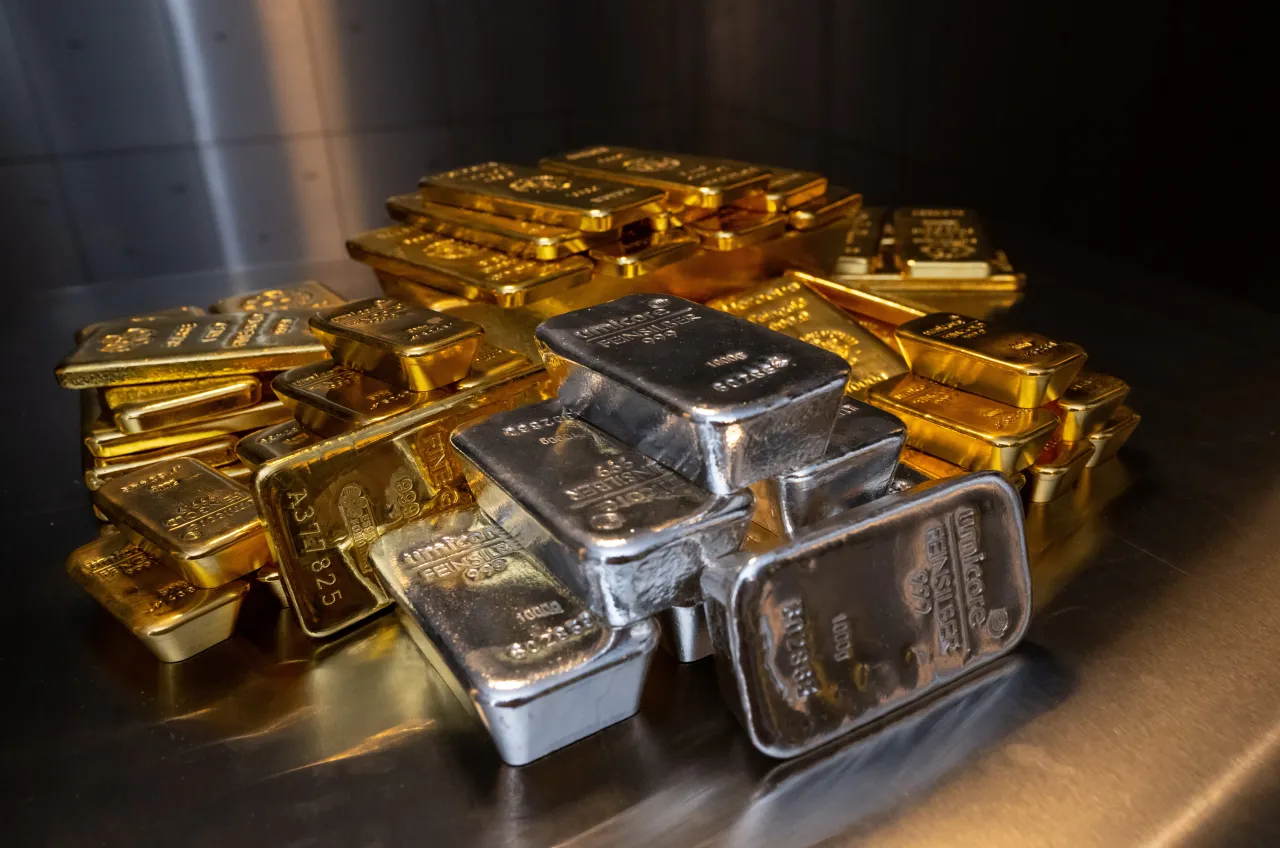
Gold and Silver Prices May Not Reach New Highs Until 2027

- Silver Price Plunge: Silver futures for May 2026 deliveries dropped nearly 13% to $67.7, reflecting market concerns over future demand, which could push prices back toward $40, undermining investor confidence.
- Gold Price Decline: Spot gold prices fell below the 100-day moving average for the first time, dropping to around $4,562, marking a 20% decline from the January 2026 peak, indicating a waning investment appeal for gold.
- Fed's Hawkish Signals: Hawkish comments from Fed Chair Jerome Powell intensified market pressure, as a stronger dollar made gold more expensive for global buyers, further suppressing demand for the metal.
- Mining Stocks Drop: Shares of silver miners like Pan American Silver Corp. and Hecla Mining fell over 11%, while gold miners Newmont Corp. and Barrick Gold saw approximately 9% declines, reflecting the market's bearish sentiment towards precious metals.

Sprott Silver ETF Underperforms Amid Market


- ETF Performance: The Sprott Silver Miners & Physical Silver ETF is down approximately 1.5% in Monday afternoon trading, indicating a weak performance that could undermine investor confidence.
- Weak Stock Components: Among the ETF's weakest performers are First Majestic Silver, which fell about 3.4%, and Pan American Silver, down approximately 2.5%, reflecting the overall weakness in silver mining stocks.
- Market Impact: The decline in the ETF may prompt investors to reassess their investment strategies regarding silver mining stocks, potentially affecting the stock prices and market performance of related companies.
- Investor Sentiment: Given the current market conditions, the performance of the Sprott Silver ETF may lead to a cautious attitude among investors towards precious metal investments, which could influence future capital inflows.
Pan American Silver Unveils $1.9B Expansion Plan for La Colorada Mine
- Expansion Overview: Pan American Silver has unveiled a preliminary economic assessment for its La Colorada mine, outlining a $1.9 billion expansion plan that aims to transform the site into one of the world's largest silver operations, reflecting the company's strong confidence in the future silver market.
- Production Capacity Increase: The new processing plant, with a capacity of 15,000 metric tons per day, will operate alongside the existing vein mine, projecting an average silver production of 15.8 million ounces annually during the first five years of full operation starting in 2034, further solidifying the company's leadership in the silver market.
- Financial Forecast: The initial capital for the project is forecasted at $1.9 billion, with an after-tax net present value of $2.6 billion and an internal rate of return of 17%, showcasing significant cost optimization and investment return potential compared to the 2023 version which estimated costs at approximately $2.8 billion with a $2.2 billion NPV.
- Long-term Strategic Importance: With an expected mine life of 37 years and processing around 154.6 million metric tons of mineral resources, La Colorada is projected to account for over 25% of the company's silver output by 2026, enhancing the company's competitive edge and sustainability.
Pan American Silver Releases Revised PEA for La Colorada Project
- Economic Assessment: The Revised PEA for La Colorada anticipates an average annual silver production of 19.1 million ounces from 2034 to 2038, significantly enhancing the company's competitive position in the global silver market and positioning La Colorada as one of the largest and lowest-cost silver mines worldwide.
- Capital Investment and Returns: The project requires an initial capital expenditure of $1.9 billion, with an expected after-tax net present value of $2.6 billion and an internal rate of return of 17% based on long-term metal price assumptions, indicating strong investment return potential.
- Production Expansion Plans: The La Colorada mine will continue operations while a new 15,000 tpd processing plant is constructed, expected to achieve higher average annual production of silver, zinc, and lead post-project completion, further solidifying the company's market position.
- Resource Potential and Exploration: The Revised PEA indicates ongoing exploration at La Colorada may further expand high-grade silver resources, enhancing the project's long-term economic viability and potential for increased production rates.
Portfolio Adjustments to Navigate Market Volatility
- Portfolio Rebalancing: Amid recent market volatility, Inside Edge Capital executed three portfolio adjustments, reallocating 2% to the short-term Treasury ETF (BIL) and 5% to the inverse Nasdaq ETF (PSQ) to mitigate potential downside risks.
- Gold Holdings Reduction: Despite heightened tensions in the Middle East typically driving gold demand, Inside Edge Capital has cut its positions in Anglogold Ashanti PLC and Agnico Eagle Mines Ltd within its Strategic Income & Growth portfolio, reflecting a cautious outlook on gold due to rising real interest rates and a strengthening dollar.
- Emerging Markets Exposure Cut: In response to increasing global risk aversion, Inside Edge Capital has reduced its investments in emerging markets, notably cutting its position in Kinross Gold Corp within its more aggressive Tactical Alpha Growth portfolio, indicating diminished confidence in these markets.
- Market Liquidity Shifts: As U.S. interest rates rise and the dollar strengthens, demand for liquidity in emerging markets has decreased, leading to a flow of funds back to the U.S., with Inside Edge Capital suggesting a potential reassessment of investments related to artificial intelligence in the future.
Analysis of SIL's 52-Week High and Low Points
- Price Range Analysis: SIL's 52-week low is $33.11 per share, while the high is $119.24, with the last trade at $79.94, indicating significant price volatility and varying market perceptions of the stock.
- Technical Analysis Tool: Comparing the latest share price to the 200-day moving average serves as a useful technical analysis technique, aiding investors in assessing price trends and potential buy or sell opportunities.
- ETF Trading Mechanism: Exchange-traded funds (ETFs) trade like stocks, where investors buy and sell 'units' that can be created or destroyed based on investor demand, impacting liquidity and market performance.
- Inflows and Outflows Monitoring: Weekly monitoring of changes in ETF shares outstanding helps identify those experiencing notable inflows (new units created) or outflows (old units destroyed), which can significantly affect the performance of the underlying stocks held within the ETFs.
Gold and Silver Prices May Not Reach New Highs Until 2027
- Silver Price Plunge: Silver futures for May 2026 deliveries dropped nearly 13% to $67.7, reflecting market concerns over future demand, which could push prices back toward $40, undermining investor confidence.
- Gold Price Decline: Spot gold prices fell below the 100-day moving average for the first time, dropping to around $4,562, marking a 20% decline from the January 2026 peak, indicating a waning investment appeal for gold.
- Fed's Hawkish Signals: Hawkish comments from Fed Chair Jerome Powell intensified market pressure, as a stronger dollar made gold more expensive for global buyers, further suppressing demand for the metal.
- Mining Stocks Drop: Shares of silver miners like Pan American Silver Corp. and Hecla Mining fell over 11%, while gold miners Newmont Corp. and Barrick Gold saw approximately 9% declines, reflecting the market's bearish sentiment towards precious metals.
Sprott Silver ETF Underperforms Amid Market
- ETF Performance: The Sprott Silver Miners & Physical Silver ETF is down approximately 1.5% in Monday afternoon trading, indicating a weak performance that could undermine investor confidence.
- Weak Stock Components: Among the ETF's weakest performers are First Majestic Silver, which fell about 3.4%, and Pan American Silver, down approximately 2.5%, reflecting the overall weakness in silver mining stocks.
- Market Impact: The decline in the ETF may prompt investors to reassess their investment strategies regarding silver mining stocks, potentially affecting the stock prices and market performance of related companies.
- Investor Sentiment: Given the current market conditions, the performance of the Sprott Silver ETF may lead to a cautious attitude among investors towards precious metal investments, which could influence future capital inflows.