Software Stocks Plunge Amid Market Concerns
Written by Emily J. Thompson, Senior Investment Analyst
Updated: Jan 31 2026
0mins

Source: Fool
- Software Stock Decline: In January 2026, the iShares Expanded Tech-Software Sector ETF fell 16%, with major software companies like Microsoft, Palantir, and ServiceNow experiencing significant price drops, indicating market concerns about the future of the software sector.
- AI Disruption Fears: Investor anxiety over AI tools potentially replacing enterprise software has intensified, leading to decreased confidence in these companies, even as they continue to report solid growth figures and guidance.
- Valuation Pressures: ServiceNow's stock has plummeted 50% from its peak in late 2024, yet it still trades at a P/E ratio of 70, highlighting the valuation bubble in the software sector, while Palantir's price-to-sales ratio stands at 99 and P/E at 353.
- Investment Opportunities: Although short-term market fluctuations are unpredictable, high-quality software stocks like Microsoft, bolstered by its robust Azure cloud computing business, are viewed as attractive investments, currently down 23% from last year's peak.
Trade with 70% Backtested Accuracy
Stop guessing "Should I Buy MSFT?" and start using high-conviction signals backed by rigorous historical data.
Sign up today to access powerful investing tools and make smarter, data-driven decisions.
Analyst Views on MSFT
Wall Street analysts forecast MSFT stock price to rise
34 Analyst Rating
32 Buy
2 Hold
0 Sell
Strong Buy
Current: 419.090

Low
500.00
Averages
631.36
High
678.00
Current: 419.090
Low
500.00
Averages
631.36
High
678.00
About MSFT
Microsoft Corporation is a technology company. The Company develops and supports software, services, devices, and solutions. The Company’s segments include Productivity and Business Processes, Intelligent Cloud, and More Personal Computing. The Productivity and Business Processes segment consists of products and services in its portfolio of productivity, communication, and information services. This segment primarily comprises: Office Commercial, Office Consumer, LinkedIn, and Dynamics business solutions. The Intelligent Cloud segment consists of server products and cloud services, including Azure and other cloud services, SQL Server, Windows Server, Visual Studio, System Center, and related Client Access Licenses (CALs), and Nuance and GitHub; and Enterprise Services, including enterprise support services, industry solutions and Nuance professional services. The More Personal Computing segment primarily comprises Windows, Devices, Gaming, and search and news advertising.
About the author

Emily J. Thompson
Emily J. Thompson, a Chartered Financial Analyst (CFA) with 12 years in investment research, graduated with honors from the Wharton School. Specializing in industrial and technology stocks, she provides in-depth analysis for Intellectia’s earnings and market brief reports.
Gates Foundation Sells Final Microsoft Shares Amid Philanthropic Commitment

- Reason for Sale: The Gates Foundation recently sold its final 7.7 million shares of Microsoft, valued at approximately $3.2 billion, raising investor concerns; however, this decision stems from a philanthropic commitment rather than a bearish outlook on the company.
- Philanthropic Commitment: The foundation aims to spend its entire endowment by 2045, planning to allocate over $200 billion over the next two decades, necessitating the liquidation of its investments to meet this goal.
- Microsoft's Financial Performance: Despite a year-to-date decline of about 13% in Microsoft stock, the company reported an 18% increase in revenue to $82.9 billion in its latest quarterly report, with diluted earnings per share and net income growing even faster at 23%.
- Investment Outlook: Microsoft maintains a strong competitive moat, and its current valuation metrics have become more appealing, leading analysts to suggest that now may be a good time to establish a position, as long-term holding remains a viable strategy.
See More
Executive Trading Activity: Microsoft and CVS Lead Transactions

- Microsoft Executive Sell-off: Microsoft EVP Amy Coleman sold 1,262 shares at $411.34 each between May 18 and 22, totaling $519,242, which represents a 2.7% reduction in her holdings to 46,003 shares, indicating a cautious outlook on the company's future.
- CVS Major Transaction: CVS Director Larry Robbins disposed of 3,372,000 shares valued at $317 million, reducing his indirect holdings by 41.1% while retaining 4.82 million shares, suggesting a potential shift in confidence regarding the company's prospects.
- ServiceNow Shareholder Adjustment: ServiceNow Director Anita Sands sold 16,445 shares at $90.14 each for a total of $1.48 million, trimming her stake by approximately 35.3% to 30,090 shares, reflecting a strategic response to market volatility.
- AMC and Rivian Accumulation: AMC CEO Adam Aron acquired 250,000 shares at $1.38 each, totaling $344,350, increasing his holdings to 2.44 million shares, demonstrating confidence in the company's growth; concurrently, Rivian Director Aidan Gomez purchased 18,000 shares, indicating optimism in the electric vehicle market.
See More

Microsoft Advances Responsible Technology Development

- Responsible Tech Framework: Microsoft's Trusted Technology Group, established in 2025, consolidates all responsible tech initiatives to ensure fairness, transparency, and inclusivity in tech development, thereby enhancing the company's competitive edge in the rapidly evolving AI market.
- Data Diversity Enhancement: Microsoft purchased over 20 million minutes of multimodal data from nonprofit Be My Eyes to improve AI representation of blind individuals, ensuring generated imagery reflects societal diversity and inclusivity.
- AI and Employment: Despite cutting approximately 15,000 jobs in 2025, Lay-Flurrie notes that AI technology is providing opportunities for marginalized workers, particularly those who are neurodiverse and disabled, enhancing their independence and efficiency in the workplace.
- Feedback and Iteration: Lay-Flurrie emphasizes that continuous feedback and rapid iteration are crucial for improving AI technology, with Microsoft optimizing its products by listening to user feedback to ensure sustainability and adaptability of its technology.
See More
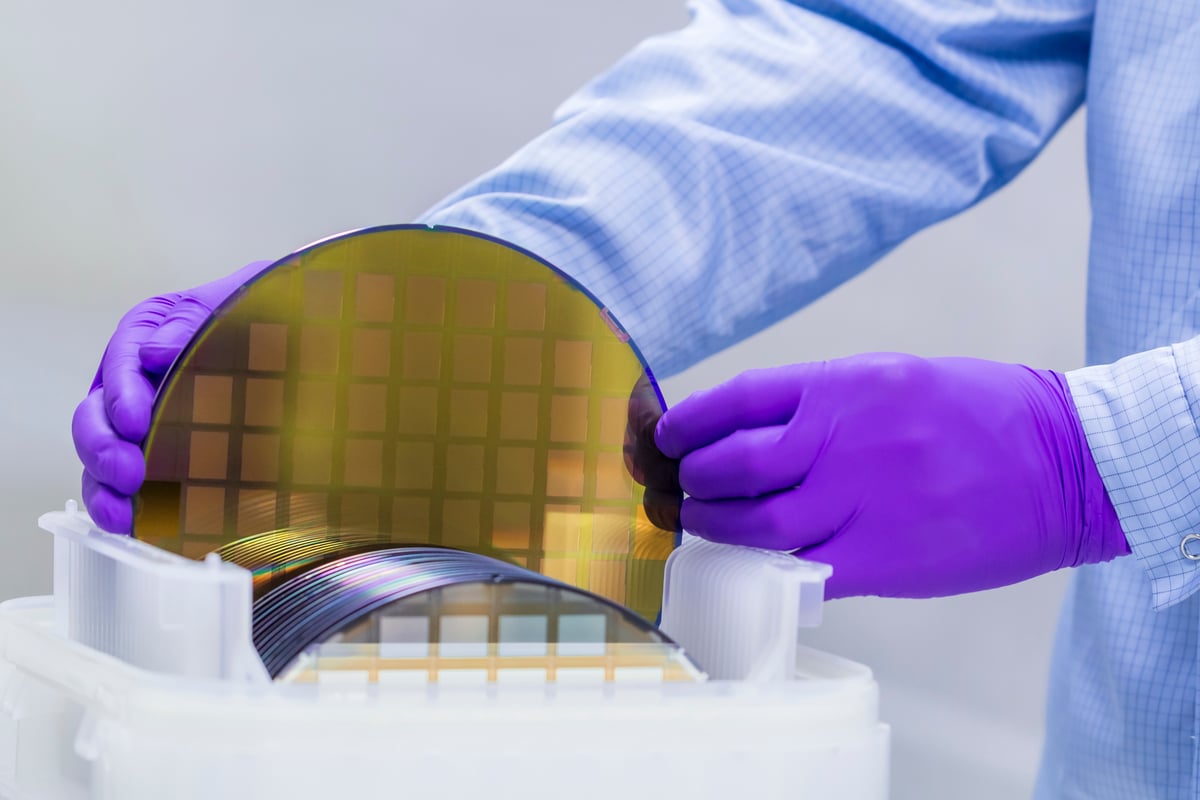
Cerebras IPO Soars 68% on First Day, AI Market Impact


- Impressive IPO Performance: Cerebras' stock surged 68% on its first trading day, reflecting strong investor enthusiasm for AI stocks and potentially setting the stage for future market performance.
- Significant Technological Edge: Cerebras' Wafer Scale Engine 3 (WSE-3) claims to offer 250 times more on-chip memory and 2,625 times more memory bandwidth than Nvidia's B200 package, which could fundamentally alter the landscape of AI processing if widely adopted.
- Major Partnership Agreement: OpenAI has signed a $20 billion multi-year compute capacity agreement with Cerebras, securing up to 750 megawatts of specialized AI infrastructure power and potentially acquiring an 11% equity stake in the company, indicating strong market validation of its technology.
- Market Competition Analysis: Despite Cerebras' promising technology, Nvidia achieved $216 billion in sales over the past year, vastly outpacing Cerebras' $500 million, with Nvidia's non-GAAP net income at $117 billion, underscoring its dominant position in the AI hardware market.
See More

Cerebras IPO Soars 68%, AI Market Competition Intensifies
- Market Dominance: Nvidia commands an impressive 86% of the AI data center revenue market, significantly overshadowing Cerebras' $500 million annual revenue, underscoring its absolute leadership in the industry, even as Cerebras' technological potential garners attention.
- Technological Innovation Potential: Cerebras' new wafer technology claims to be more efficient than Nvidia's, with its Wafer Scale Engine 3 offering 250 times more on-chip memory and 2,625 times more memory bandwidth, potentially reshaping the AI processing landscape, although its long-term impact remains uncertain.
- Investor Enthusiasm: Cerebras' stock soared 68% on its IPO, indicating sustained investor enthusiasm for AI stocks, despite Nvidia's annual sales reaching $216 billion, highlighting its strong profitability and market share advantage.
- Strategic Partnership Opportunity: OpenAI has signed a $20 billion multi-year compute capacity agreement with Cerebras, securing 750 megawatts of AI infrastructure power, showcasing Cerebras' potential influence in the AI sector, even as it faces fierce competition from Nvidia.
See More

Ackman Reduces Alphabet Stake, Increases Microsoft Investment

- Portfolio Shift: Ackman first acquired Alphabet shares in early 2023 and held most until Q1 2026, where he nearly completely divested his $1.9 billion stake, reallocating funds into Microsoft, reflecting his keen sense of market risk-reward dynamics.
- Microsoft Investment Opportunity: Following an over 18% drop in Microsoft's stock due to concerns over slowing cloud growth and surging AI infrastructure spending, Ackman began accumulating Microsoft shares in February 2026, ultimately building a core position of approximately 5.6 million shares, demonstrating confidence in Microsoft's long-term growth potential.
- Market Reaction Analysis: Despite market concerns regarding Microsoft's spending and return on investment speed, Ackman viewed the market's reaction as overly pessimistic, choosing to invest when Microsoft's forward P/E ratios were between 20 and 23, showcasing his value investment strategy.
- Future Outlook: Although Microsoft's stock is down about 23% from its all-time high, analysts have set an average 12-month price target of $560, approximately 34% higher than current trading levels, indicating that Ackman's investment remains attractive and suitable for patient long-term investors.
See More
Gates Foundation Sells Final Microsoft Shares Amid Philanthropic Commitment
- Reason for Sale: The Gates Foundation recently sold its final 7.7 million shares of Microsoft, valued at approximately $3.2 billion, raising investor concerns; however, this decision stems from a philanthropic commitment rather than a bearish outlook on the company.
- Philanthropic Commitment: The foundation aims to spend its entire endowment by 2045, planning to allocate over $200 billion over the next two decades, necessitating the liquidation of its investments to meet this goal.
- Microsoft's Financial Performance: Despite a year-to-date decline of about 13% in Microsoft stock, the company reported an 18% increase in revenue to $82.9 billion in its latest quarterly report, with diluted earnings per share and net income growing even faster at 23%.
- Investment Outlook: Microsoft maintains a strong competitive moat, and its current valuation metrics have become more appealing, leading analysts to suggest that now may be a good time to establish a position, as long-term holding remains a viable strategy.
See More
Executive Trading Activity: Microsoft and CVS Lead Transactions
- Microsoft Executive Sell-off: Microsoft EVP Amy Coleman sold 1,262 shares at $411.34 each between May 18 and 22, totaling $519,242, which represents a 2.7% reduction in her holdings to 46,003 shares, indicating a cautious outlook on the company's future.
- CVS Major Transaction: CVS Director Larry Robbins disposed of 3,372,000 shares valued at $317 million, reducing his indirect holdings by 41.1% while retaining 4.82 million shares, suggesting a potential shift in confidence regarding the company's prospects.
- ServiceNow Shareholder Adjustment: ServiceNow Director Anita Sands sold 16,445 shares at $90.14 each for a total of $1.48 million, trimming her stake by approximately 35.3% to 30,090 shares, reflecting a strategic response to market volatility.
- AMC and Rivian Accumulation: AMC CEO Adam Aron acquired 250,000 shares at $1.38 each, totaling $344,350, increasing his holdings to 2.44 million shares, demonstrating confidence in the company's growth; concurrently, Rivian Director Aidan Gomez purchased 18,000 shares, indicating optimism in the electric vehicle market.
See More
Microsoft Advances Responsible Technology Development
- Responsible Tech Framework: Microsoft's Trusted Technology Group, established in 2025, consolidates all responsible tech initiatives to ensure fairness, transparency, and inclusivity in tech development, thereby enhancing the company's competitive edge in the rapidly evolving AI market.
- Data Diversity Enhancement: Microsoft purchased over 20 million minutes of multimodal data from nonprofit Be My Eyes to improve AI representation of blind individuals, ensuring generated imagery reflects societal diversity and inclusivity.
- AI and Employment: Despite cutting approximately 15,000 jobs in 2025, Lay-Flurrie notes that AI technology is providing opportunities for marginalized workers, particularly those who are neurodiverse and disabled, enhancing their independence and efficiency in the workplace.
- Feedback and Iteration: Lay-Flurrie emphasizes that continuous feedback and rapid iteration are crucial for improving AI technology, with Microsoft optimizing its products by listening to user feedback to ensure sustainability and adaptability of its technology.
See More
Cerebras IPO Soars 68% on First Day, AI Market Impact
- Impressive IPO Performance: Cerebras' stock surged 68% on its first trading day, reflecting strong investor enthusiasm for AI stocks and potentially setting the stage for future market performance.
- Significant Technological Edge: Cerebras' Wafer Scale Engine 3 (WSE-3) claims to offer 250 times more on-chip memory and 2,625 times more memory bandwidth than Nvidia's B200 package, which could fundamentally alter the landscape of AI processing if widely adopted.
- Major Partnership Agreement: OpenAI has signed a $20 billion multi-year compute capacity agreement with Cerebras, securing up to 750 megawatts of specialized AI infrastructure power and potentially acquiring an 11% equity stake in the company, indicating strong market validation of its technology.
- Market Competition Analysis: Despite Cerebras' promising technology, Nvidia achieved $216 billion in sales over the past year, vastly outpacing Cerebras' $500 million, with Nvidia's non-GAAP net income at $117 billion, underscoring its dominant position in the AI hardware market.
See More
Cerebras IPO Soars 68%, AI Market Competition Intensifies
- Market Dominance: Nvidia commands an impressive 86% of the AI data center revenue market, significantly overshadowing Cerebras' $500 million annual revenue, underscoring its absolute leadership in the industry, even as Cerebras' technological potential garners attention.
- Technological Innovation Potential: Cerebras' new wafer technology claims to be more efficient than Nvidia's, with its Wafer Scale Engine 3 offering 250 times more on-chip memory and 2,625 times more memory bandwidth, potentially reshaping the AI processing landscape, although its long-term impact remains uncertain.
- Investor Enthusiasm: Cerebras' stock soared 68% on its IPO, indicating sustained investor enthusiasm for AI stocks, despite Nvidia's annual sales reaching $216 billion, highlighting its strong profitability and market share advantage.
- Strategic Partnership Opportunity: OpenAI has signed a $20 billion multi-year compute capacity agreement with Cerebras, securing 750 megawatts of AI infrastructure power, showcasing Cerebras' potential influence in the AI sector, even as it faces fierce competition from Nvidia.
See More
Ackman Reduces Alphabet Stake, Increases Microsoft Investment
- Portfolio Shift: Ackman first acquired Alphabet shares in early 2023 and held most until Q1 2026, where he nearly completely divested his $1.9 billion stake, reallocating funds into Microsoft, reflecting his keen sense of market risk-reward dynamics.
- Microsoft Investment Opportunity: Following an over 18% drop in Microsoft's stock due to concerns over slowing cloud growth and surging AI infrastructure spending, Ackman began accumulating Microsoft shares in February 2026, ultimately building a core position of approximately 5.6 million shares, demonstrating confidence in Microsoft's long-term growth potential.
- Market Reaction Analysis: Despite market concerns regarding Microsoft's spending and return on investment speed, Ackman viewed the market's reaction as overly pessimistic, choosing to invest when Microsoft's forward P/E ratios were between 20 and 23, showcasing his value investment strategy.
- Future Outlook: Although Microsoft's stock is down about 23% from its all-time high, analysts have set an average 12-month price target of $560, approximately 34% higher than current trading levels, indicating that Ackman's investment remains attractive and suitable for patient long-term investors.
See More