Small-Cap Stocks Are Vanishing. 5 Funds to Play the New Landscape.
Written by Emily J. Thompson, Senior Investment Analyst
Updated: Nov 06 2024
0mins


Source: Barron's
Small-Cap Stocks Underperformance: Small-cap stocks have significantly underperformed large-cap stocks over the past decade, despite the historical expectation of higher returns due to their associated risks. Factors contributing to this trend include the rise of ETFs favoring larger companies and a decline in the number of publicly traded small firms.
Shifts in Market Dynamics: The growth of private tech companies and regulatory changes have led to fewer IPOs for small-cap stocks, while sectors like healthcare are seeing innovation and potential growth. Active management strategies are being advocated to focus on profitable small-cap investments amidst these market shifts.
Trade with 70% Backtested Accuracy
Stop guessing "Should I Buy AAPL?" and start using high-conviction signals backed by rigorous historical data.
Sign up today to access powerful investing tools and make smarter, data-driven decisions.
Analyst Views on AAPL
Wall Street analysts forecast AAPL stock price to fall
27 Analyst Rating
17 Buy
9 Hold
1 Sell
Moderate Buy
Current: 312.660

Low
239.00
Averages
306.89
High
350.00
Current: 312.660
Low
239.00
Averages
306.89
High
350.00
About AAPL
Apple Inc. designs, manufactures and markets smartphones, personal computers, tablets, wearables and accessories, and sells a variety of related services. Its product categories include iPhone, Mac, iPad, Wearables, Home and Accessories. Its services include advertising, AppleCare, cloud services, digital content, and payment services. The Company operates various platforms, including the App Store, that allow customers to discover and download applications and digital content, such as books, music, video, games and podcasts. It also offers digital content through subscription-based services, including Apple Arcade, Apple Fitness+, Apple Music, Apple News+, and Apple TV+. Its wearables include smartwatches, wireless headphones, and spatial computers. Its products include iPhone 16 Pro, iPhone 16, iPhone 15, iPhone 14, iPhone SE, MacBook Air, MacBook Pro, iMac, Mac mini, Mac Studio, Mac Pro, iPad Pro, iPad Air, AirPods, AirPods Pro, AirPods Max, Apple TV, Apple Vision Pro and others.
About the author

Emily J. Thompson
Emily J. Thompson, a Chartered Financial Analyst (CFA) with 12 years in investment research, graduated with honors from the Wharton School. Specializing in industrial and technology stocks, she provides in-depth analysis for Intellectia’s earnings and market brief reports.

Apple's Price Increases May Signal Long-Term Opportunities

- Price Adjustments: Apple has announced price increases for some iPad and MacBook products due to rising memory and storage costs, which may negatively impact demand in the short term but could enhance its market competitiveness in the long run.
- Market Share Strategy: By introducing lower-priced products like the MacBook Neo and iPhone 17e, Apple aims to attract a broader customer base, thereby narrowing the gap with cheaper competitors and increasing its market share.
- Strong Financial Performance: Despite the pressure from rising prices, Apple's stock has risen 15% this year, indicating its robust financial health and market adaptability, potentially drawing more consumers into its ecosystem.
- Cautious Investment Advice: While Apple's long-term investment potential remains, the current price-to-earnings ratio of 38 and economic uncertainties suggest that investors should hold off on buying the stock for now and look for more attractive opportunities in the tech sector.
See More
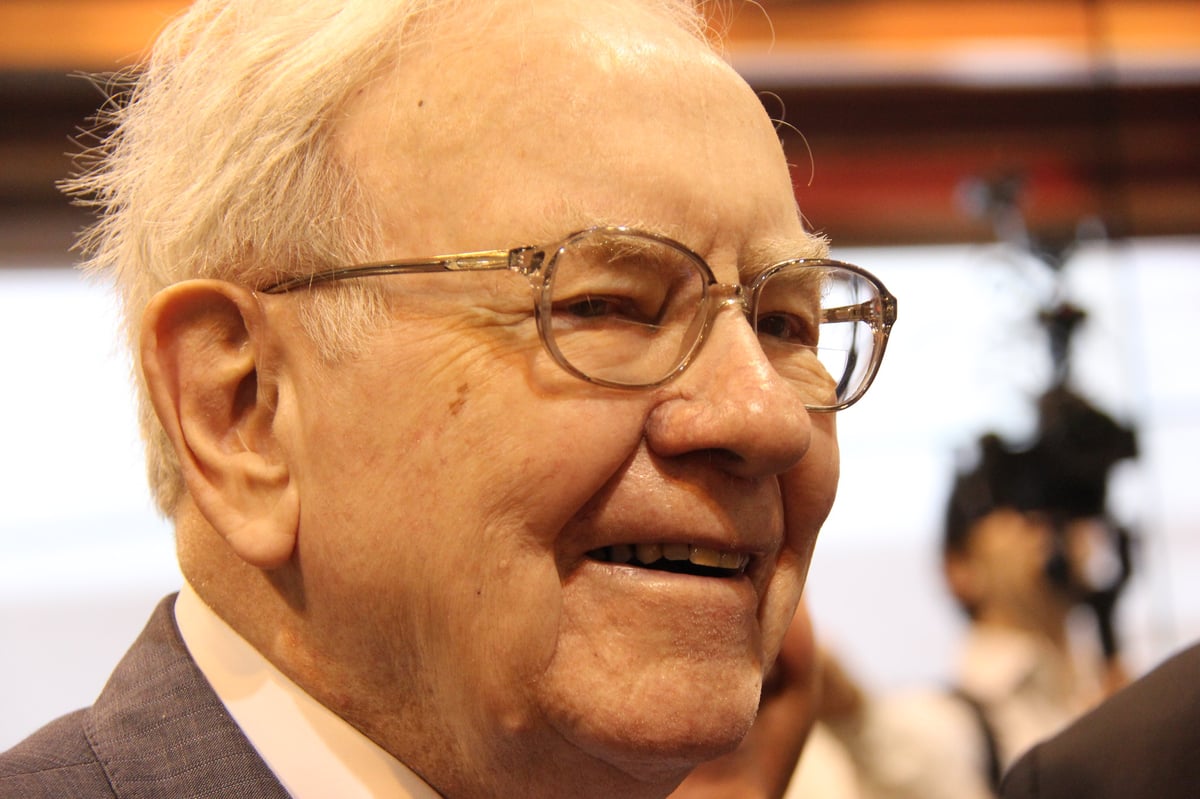
Berkshire Hathaway's New Leadership After Buffett's Retirement

- New Leadership Transition: Following Warren Buffett's retirement on December 31, Greg Abel has taken the helm as CEO of Berkshire Hathaway, marking the first leadership change in over fifty years, and he has swiftly exited 16 positions, demonstrating a decisive management style.
- Increased Investment in Google: Abel has aggressively ramped up Berkshire's investment in Alphabet, more than doubling its stake in Class A shares during the first quarter and opening a position in Class C shares, thereby solidifying Berkshire's investment strategy in the AI sector.
- Apple Remains a Core Asset: Despite Buffett selling 75% of Berkshire's Apple stake prior to his retirement, Abel views Apple as a key long-term growth asset, with the company currently representing 20.5% of Berkshire's investment portfolio, highlighting its potential in high-margin services and AI integration.
- Growth in AI and Cloud Services: Google Cloud's sales growth surged to 63% in the first quarter of 2026, showcasing strong momentum in AI integration and high-margin services, and Abel's investment strategy is expected to further enhance Berkshire's competitiveness in this area.
See More

Buffett's Retirement Marks New Era for Berkshire Hathaway
- Leadership Transition: Following Warren Buffett's retirement on December 31, Greg Abel has swiftly transformed Berkshire Hathaway's investment strategy by exiting 16 positions and aggressively increasing stakes in Alphabet, indicating a strong focus on artificial intelligence that is expected to drive portfolio growth.
- Portfolio Restructuring: Abel has concentrated 30% of Berkshire's $343 billion investment portfolio in two foundational AI stocks, Apple and Alphabet, signaling a strategic pivot towards high-growth technology sectors that could enhance future earnings.
- Growth Potential of Alphabet: Abel more than doubled Berkshire's stake in Alphabet's Class A shares in Q1 and opened a position in Class C shares, alongside a commitment to purchase a $10 billion private placement, reflecting confidence in Alphabet's sustainable competitive advantages and likely strengthening Berkshire's market position.
- Long-term Value of Apple: Despite Buffett selling 75% of Berkshire's Apple stake prior to his retirement, Abel highlighted Apple as a multidecade compounder in his first letter to shareholders, suggesting that its high-margin subscription services and AI integration will further enhance customer loyalty and profitability.
See More
Apple Enters $30 Billion Chip Deal with Broadcom

- Major Partnership Agreement: Apple has entered into a chip deal valued at over $30 billion with Broadcom, where Broadcom will design and produce custom silicon components and advanced wireless connectivity technologies for Apple products, further solidifying their long-standing partnership.
- Commitment to American Manufacturing: The deal stipulates that Broadcom will manufacture over 15 billion chips in the U.S., reflecting Apple's commitment to its American Manufacturing Program (AMP) and promoting domestic manufacturing growth.
- Investment in Modern Facilities: Broadcom will invest $1.5 billion to modernize its manufacturing facilities in Fort Collins, Colorado, which not only enhances production capacity but also drives technological innovation to ensure product quality.
- Strong Market Performance: Apple's iPhone sales have remained robust, with a 47% increase in stock price over the past year, demonstrating its competitive edge in the AI market and the resilience of market demand, thereby strengthening the foundation for its collaboration with Broadcom.
See More

Apple Loses Challenge Against EU Digital Markets Act Designation

- Legal Challenge Fails: Apple lost its challenge in the Luxembourg General Court against the EU Digital Markets Act, which designates its App Store and iOS as gatekeepers, requiring compliance with obligations that promote competition and risking fines of up to 10% of global annual revenue.
- Privacy Protection Concerns: Apple reiterated its criticism of the DMA, arguing that its mandates exceed lawful and proportional limits, potentially eroding decades of privacy and security protections, which could harm its reputation in the European market and expose users to new risks.
- Appeal Possibility: Apple has the option to appeal to the Court of Justice of the European Union on legal matters, although the court clarified that the classification of iMessage does not impose binding legal effects on Apple's status, as it is not listed under DMA obligations.
- Strengthened Competition Regulation: This ruling bolsters the position of EU antitrust regulators, aiming to create more space for rivals and enhance consumer choice in Europe, which may have profound implications for Apple's market strategy and future business models.
See More
Apple Loses EU Court Battle Over Antitrust Rules
- Antitrust Regulation Application: Apple lost its lawsuit in the EU court, failing to block regulators from applying strict Digital Markets Act antitrust rules to its App Store and iPhone operating system, indicating increased compliance pressure on the company.
- Core Platform Service Designation: The EU court confirmed that Apple's five App Stores are classified as a single core platform service, subjecting the company to onerous obligations that will impact its market operations and profitability strategies.
- Interoperability Requirement for Rivals: The court ruled that Apple's iOS operating system is considered an important gateway for businesses, requiring it to allow rivals to interoperate with the system, potentially undermining Apple's monopolistic position in the market.
- Consequences of Legal Challenges: After appealing to the Luxembourg court in 2024, Apple's defeat may lead to adjustments in its business model in the European market, increasing direct competition risks with rivals.
See More
Apple's Price Increases May Signal Long-Term Opportunities
- Price Adjustments: Apple has announced price increases for some iPad and MacBook products due to rising memory and storage costs, which may negatively impact demand in the short term but could enhance its market competitiveness in the long run.
- Market Share Strategy: By introducing lower-priced products like the MacBook Neo and iPhone 17e, Apple aims to attract a broader customer base, thereby narrowing the gap with cheaper competitors and increasing its market share.
- Strong Financial Performance: Despite the pressure from rising prices, Apple's stock has risen 15% this year, indicating its robust financial health and market adaptability, potentially drawing more consumers into its ecosystem.
- Cautious Investment Advice: While Apple's long-term investment potential remains, the current price-to-earnings ratio of 38 and economic uncertainties suggest that investors should hold off on buying the stock for now and look for more attractive opportunities in the tech sector.
See More
Berkshire Hathaway's New Leadership After Buffett's Retirement
- New Leadership Transition: Following Warren Buffett's retirement on December 31, Greg Abel has taken the helm as CEO of Berkshire Hathaway, marking the first leadership change in over fifty years, and he has swiftly exited 16 positions, demonstrating a decisive management style.
- Increased Investment in Google: Abel has aggressively ramped up Berkshire's investment in Alphabet, more than doubling its stake in Class A shares during the first quarter and opening a position in Class C shares, thereby solidifying Berkshire's investment strategy in the AI sector.
- Apple Remains a Core Asset: Despite Buffett selling 75% of Berkshire's Apple stake prior to his retirement, Abel views Apple as a key long-term growth asset, with the company currently representing 20.5% of Berkshire's investment portfolio, highlighting its potential in high-margin services and AI integration.
- Growth in AI and Cloud Services: Google Cloud's sales growth surged to 63% in the first quarter of 2026, showcasing strong momentum in AI integration and high-margin services, and Abel's investment strategy is expected to further enhance Berkshire's competitiveness in this area.
See More
Buffett's Retirement Marks New Era for Berkshire Hathaway
- Leadership Transition: Following Warren Buffett's retirement on December 31, Greg Abel has swiftly transformed Berkshire Hathaway's investment strategy by exiting 16 positions and aggressively increasing stakes in Alphabet, indicating a strong focus on artificial intelligence that is expected to drive portfolio growth.
- Portfolio Restructuring: Abel has concentrated 30% of Berkshire's $343 billion investment portfolio in two foundational AI stocks, Apple and Alphabet, signaling a strategic pivot towards high-growth technology sectors that could enhance future earnings.
- Growth Potential of Alphabet: Abel more than doubled Berkshire's stake in Alphabet's Class A shares in Q1 and opened a position in Class C shares, alongside a commitment to purchase a $10 billion private placement, reflecting confidence in Alphabet's sustainable competitive advantages and likely strengthening Berkshire's market position.
- Long-term Value of Apple: Despite Buffett selling 75% of Berkshire's Apple stake prior to his retirement, Abel highlighted Apple as a multidecade compounder in his first letter to shareholders, suggesting that its high-margin subscription services and AI integration will further enhance customer loyalty and profitability.
See More
Apple Enters $30 Billion Chip Deal with Broadcom
- Major Partnership Agreement: Apple has entered into a chip deal valued at over $30 billion with Broadcom, where Broadcom will design and produce custom silicon components and advanced wireless connectivity technologies for Apple products, further solidifying their long-standing partnership.
- Commitment to American Manufacturing: The deal stipulates that Broadcom will manufacture over 15 billion chips in the U.S., reflecting Apple's commitment to its American Manufacturing Program (AMP) and promoting domestic manufacturing growth.
- Investment in Modern Facilities: Broadcom will invest $1.5 billion to modernize its manufacturing facilities in Fort Collins, Colorado, which not only enhances production capacity but also drives technological innovation to ensure product quality.
- Strong Market Performance: Apple's iPhone sales have remained robust, with a 47% increase in stock price over the past year, demonstrating its competitive edge in the AI market and the resilience of market demand, thereby strengthening the foundation for its collaboration with Broadcom.
See More
Apple Loses Challenge Against EU Digital Markets Act Designation
- Legal Challenge Fails: Apple lost its challenge in the Luxembourg General Court against the EU Digital Markets Act, which designates its App Store and iOS as gatekeepers, requiring compliance with obligations that promote competition and risking fines of up to 10% of global annual revenue.
- Privacy Protection Concerns: Apple reiterated its criticism of the DMA, arguing that its mandates exceed lawful and proportional limits, potentially eroding decades of privacy and security protections, which could harm its reputation in the European market and expose users to new risks.
- Appeal Possibility: Apple has the option to appeal to the Court of Justice of the European Union on legal matters, although the court clarified that the classification of iMessage does not impose binding legal effects on Apple's status, as it is not listed under DMA obligations.
- Strengthened Competition Regulation: This ruling bolsters the position of EU antitrust regulators, aiming to create more space for rivals and enhance consumer choice in Europe, which may have profound implications for Apple's market strategy and future business models.
See More
Apple Loses EU Court Battle Over Antitrust Rules
- Antitrust Regulation Application: Apple lost its lawsuit in the EU court, failing to block regulators from applying strict Digital Markets Act antitrust rules to its App Store and iPhone operating system, indicating increased compliance pressure on the company.
- Core Platform Service Designation: The EU court confirmed that Apple's five App Stores are classified as a single core platform service, subjecting the company to onerous obligations that will impact its market operations and profitability strategies.
- Interoperability Requirement for Rivals: The court ruled that Apple's iOS operating system is considered an important gateway for businesses, requiring it to allow rivals to interoperate with the system, potentially undermining Apple's monopolistic position in the market.
- Consequences of Legal Challenges: After appealing to the Luxembourg court in 2024, Apple's defeat may lead to adjustments in its business model in the European market, increasing direct competition risks with rivals.
See More