Significant ETF Withdrawals for SOXL and OSCG
Written by Emily J. Thompson, Senior Investment Analyst
Updated: Dec 09 2025
0mins


Source: NASDAQ.COM
ETF Outflow Details: The OSCG ETF experienced the largest outflow, losing 20,000 units, which equates to a 40.0% decline in outstanding units compared to the previous week.
Market Impact: The significant outflow from the OSCG ETF highlights potential shifts in investor sentiment and market dynamics.
Video Content: A video segment discusses the outflows of SOXL and OSCG ETFs, providing further insights into the market trends.
Author's Perspective: The opinions expressed in the article are those of the author and do not necessarily represent the views of Nasdaq, Inc.
Trade with 70% Backtested Accuracy
Stop guessing "Should I Buy AMD?" and start using high-conviction signals backed by rigorous historical data.
Sign up today to access powerful investing tools and make smarter, data-driven decisions.
Analyst Views on AMD
Wall Street analysts forecast AMD stock price to fall
33 Analyst Rating
25 Buy
8 Hold
0 Sell
Strong Buy
Current: 540.880

Low
210.00
Averages
289.13
High
377.00
Current: 540.880
Low
210.00
Averages
289.13
High
377.00
About AMD
Advanced Micro Devices, Inc. is a global semiconductor company. The Company is focused on high-performance computing and artificial intelligence (AI). Its segments include Data Center, Client and Gaming, and Embedded. Data Center segment includes AI accelerators, microprocessors (CPUs) for servers, graphics processing units (GPUs), accelerated processing units (APUs), data processing units (DPUs), Field Programmable Gate Arrays (FPGAs), and Adaptive system-on-Chip (SoC) products for data centers. Client and Gaming segment includes CPUs, APUs, chipsets for desktops and notebooks, discrete GPUs, and semi-custom SoC products and development services. Embedded segment includes embedded CPUs, APUs, FPGAs, system on modules (SOMs), and Adaptive SoC products. It markets and sells its products under the AMD trademark. Its products include AMD EPYC, AMD Ryzen, AMD Ryzen PRO, Virtex UltraScale+, among others.
About the author

Emily J. Thompson
Emily J. Thompson, a Chartered Financial Analyst (CFA) with 12 years in investment research, graduated with honors from the Wharton School. Specializing in industrial and technology stocks, she provides in-depth analysis for Intellectia’s earnings and market brief reports.
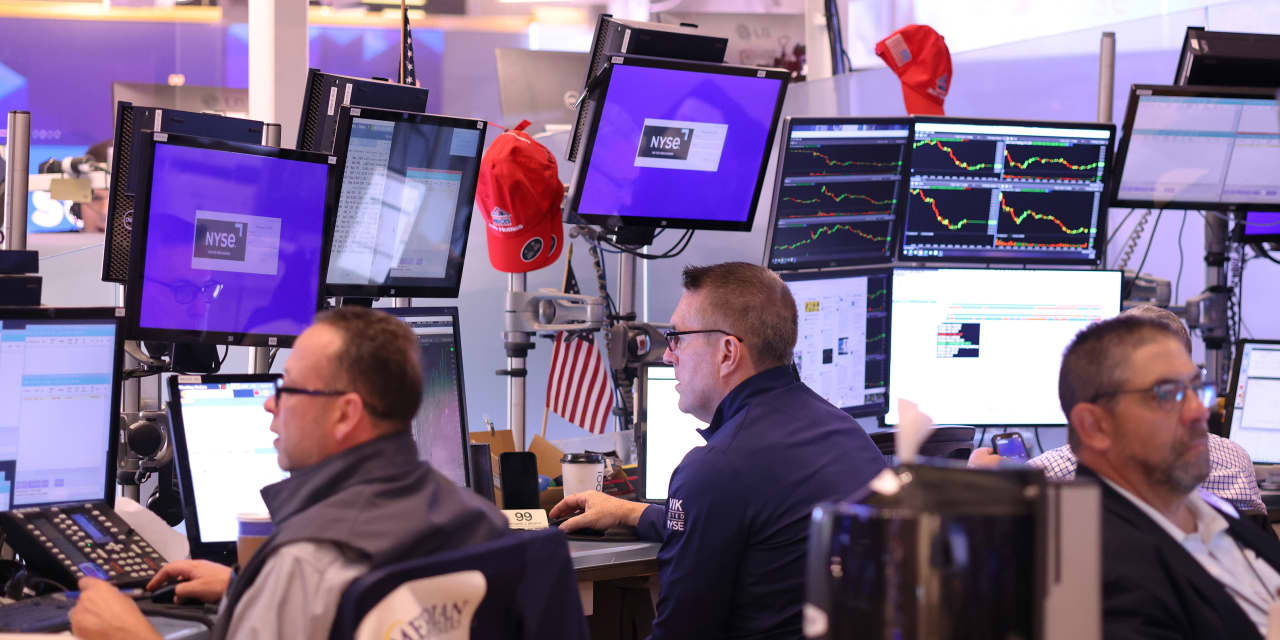
AMD's AI Event Could Boost Stock Price


- Stock Price Upside: AMD's shares have surged 131% in the first half of 2026, and despite a recent 5% drop due to semiconductor sell-offs, the upcoming AI event could reignite investor confidence.
- Helios Platform Demand: At the July 22-23 event, AMD is expected to announce significant customer wins for its Helios server solutions, with Meta set to deploy the platform in the second half of 2026, indicating strong market demand.
- Significant Technical Advantage: The Helios system features 432GB of high-bandwidth memory, surpassing Nvidia's 288GB, positioning AMD favorably in AI infrastructure and potentially attracting more hyperscaler customers.
- Future Growth Expectations: AMD's earnings per share are projected to jump 77% to $7.39 in 2023, and if it reaches $18.30 by 2028, the stock could see a 41% increase, highlighting strong long-term growth potential.
See More

AMD Shares Surge 131% in 2026, Positive Outlook Ahead
- Stock Performance: AMD's shares have surged by 131% in the first half of 2026, although they have recently dropped nearly 5% due to a sell-off in semiconductor stocks, indicating strong market confidence in its future growth despite short-term volatility.
- AI Event Announcement: AMD is set to hold its 'Advancing AI' event on July 22-23, where it is expected to unveil new AI platforms and customer deployment details, which could further boost investor confidence, especially after last year's event showcased the Helios server architecture.
- Strong Customer Demand: The Helios platform has been adopted by Meta, which plans to deploy it in the second half of 2026, and AMD's management noted strong customer demand during the May earnings call, suggesting potential to attract more hyperscaler clients.
- Earnings Expectations: AMD's earnings per share are projected to jump by 77% to $7.39 this year, and if it reaches $18.30 by 2028, trading at 40 times earnings could push its stock price to $732, representing a potential 41% increase, highlighting its long-term growth potential.
See More
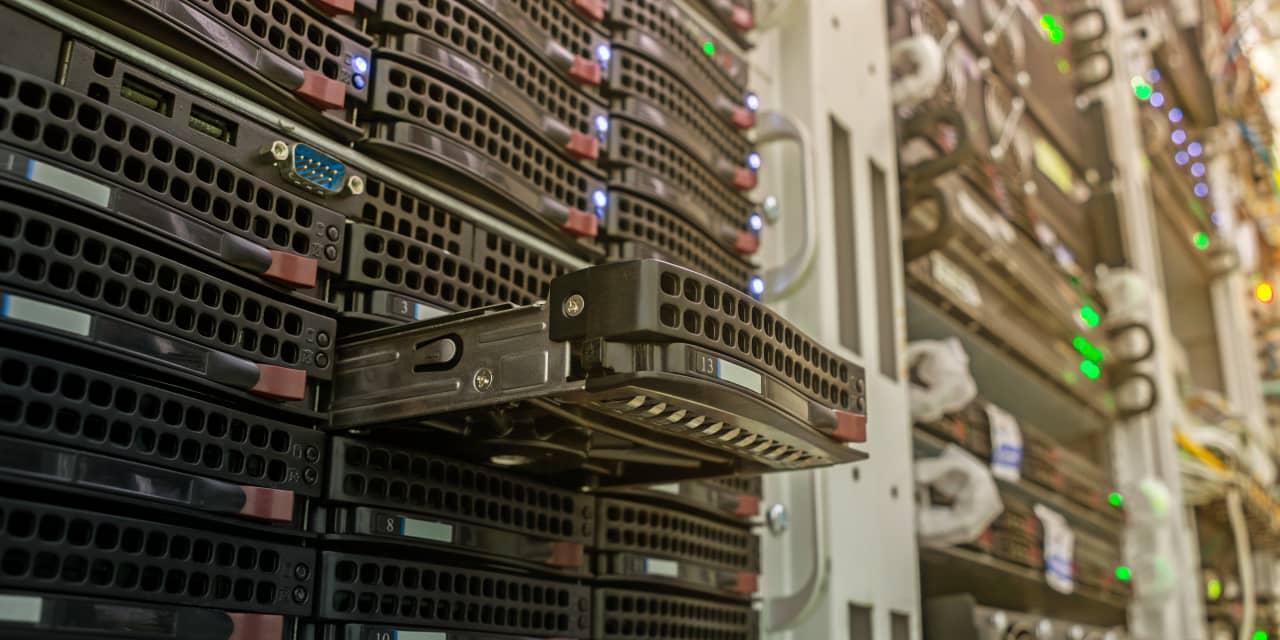
Strong Prospects for AI Infrastructure Market


- Nvidia's Market Leadership: Nvidia has grown to become the world's largest company by market cap, with its GPUs serving as the primary chips for training AI models, and its CUDA software creating a strong competitive moat, positioning it for continued robust growth.
- AMD's Growth Potential: Although AMD lags behind Nvidia in AI model training, its strategic positioning in inference and agentic AI presents significant market opportunities, with inference expected to surpass training, and AMD's chip design being better suited for this demand.
- Micron's Financial Performance: Micron Technology reported a staggering revenue increase from $9.3 billion last year to $41.5 billion in its fiscal third quarter, with gross margins expanding from 37.7% to 84.6%, reflecting strong demand in the high-bandwidth memory market, which is projected to reach $100 billion next year.
- Advantages of Long-term Customer Agreements: Micron's long-term strategic agreements with customers, which include non-cancellable HBM and NAND contracts, are expected to mitigate the typical cyclicality of the memory business, enhancing its competitive position in the market.
See More

Buying Opportunities in AI Stocks Amid Recent Pullback
- Market Pullback Opportunity: Despite the recent pullback in AI stocks, hyperscalers are still planning significant investments in AI data centers, indicating strong ongoing demand for AI infrastructure and potential buying opportunities for investors.
- Nvidia's Market Leadership: As the world's largest company by market cap, Nvidia dominates AI model training with its GPUs and has expanded into inference chips through the acquisition of Groq, positioning itself for continued strong growth and reinforcing its market advantage.
- AMD's Growth Potential: Although trailing Nvidia in AI model training, AMD's focus on inference and agentic AI provides substantial market potential, with expectations to benefit from a $120 billion market over the coming years, enhancing its market share.
- Micron's Strong Performance: Micron Technology reported a revenue surge from $9.3 billion to $41.5 billion in its latest fiscal quarter, with gross margin rising from 37.7% to 84.6%, and anticipates the high-bandwidth memory market to reach $100 billion next year, showcasing its robust competitiveness in the memory market.
See More
Semiconductor Market Dynamics and Outlook Analysis
- Micron's Strong Performance: Micron Technology (MU) reported fiscal Q3 revenue of $41.46 billion, up 345.7% YoY, with a gross margin of 84.6%, and Q4 guidance suggests margins near 86%, indicating robust market demand and profitability; however, the CEO noted that they can only meet 50% to two-thirds of customer demand in the medium term, hinting at potential easing of supply constraints ahead.
- TSMC's Growth Outlook: Taiwan Semiconductor Manufacturing (TSM) has seen its stock rise 43.59% YTD, with the CEO forecasting over 30% revenue growth for full-year 2026, and May monthly revenue reaching NT$416.98 billion (+30.1% YoY), showcasing strong performance in the semiconductor sector, although market expectations for margin expansion remain cautious.
- NVIDIA Facing Challenges: NVIDIA (NVDA) posted Q1 revenue of $81.62 billion, an 85.2% YoY increase, yet its stock has only risen 4.59% YTD and has dropped 12.46% over the past month, reflecting weakened investor confidence and concerns over multiple compression affecting future performance.
- AMD's Partnership Boost: AMD (AMD) shares surged 141.79% to $517.82, driven by a partnership with Meta to deploy up to 6 GW of Instinct GPUs, but a forward P/E of 59 indicates little room for execution missteps, and insider trading trends lean towards net selling, suggesting market uncertainty about future prospects.
See More

AMD Joins Robinhood's Top Stocks Amid Surge in AI Demand

- Surge in AI Demand: AMD has become the ninth most held stock on Robinhood due to its strong performance in the CPU market, with a stock price increase of approximately 154% in 2023, reflecting the positive impact of widespread AI technology adoption on its business.
- Data Center Revenue Surge: AMD's Q1 2026 results show a 57% year-over-year increase in its data center division revenue, nearing $5.7 billion, indicating strong demand for CPUs driven by AI adoption, further solidifying its market position.
- Analyst Optimism: Cantor Fitzgerald analyst C.J. Muse raised AMD's price target by $200 to $700, suggesting a 34% upside potential, with expectations that supply chain constraints will drive total industry revenue to approximately $3 trillion by 2029.
- Cautious Market Sentiment: Despite AMD's benefits from the rise of agentic AI, the current price-to-earnings ratio of 70 indicates a potentially frothy market, leading to recommendations for investors to adopt a dollar-cost averaging strategy to mitigate risks.
See More
AMD's AI Event Could Boost Stock Price
- Stock Price Upside: AMD's shares have surged 131% in the first half of 2026, and despite a recent 5% drop due to semiconductor sell-offs, the upcoming AI event could reignite investor confidence.
- Helios Platform Demand: At the July 22-23 event, AMD is expected to announce significant customer wins for its Helios server solutions, with Meta set to deploy the platform in the second half of 2026, indicating strong market demand.
- Significant Technical Advantage: The Helios system features 432GB of high-bandwidth memory, surpassing Nvidia's 288GB, positioning AMD favorably in AI infrastructure and potentially attracting more hyperscaler customers.
- Future Growth Expectations: AMD's earnings per share are projected to jump 77% to $7.39 in 2023, and if it reaches $18.30 by 2028, the stock could see a 41% increase, highlighting strong long-term growth potential.
See More
AMD Shares Surge 131% in 2026, Positive Outlook Ahead
- Stock Performance: AMD's shares have surged by 131% in the first half of 2026, although they have recently dropped nearly 5% due to a sell-off in semiconductor stocks, indicating strong market confidence in its future growth despite short-term volatility.
- AI Event Announcement: AMD is set to hold its 'Advancing AI' event on July 22-23, where it is expected to unveil new AI platforms and customer deployment details, which could further boost investor confidence, especially after last year's event showcased the Helios server architecture.
- Strong Customer Demand: The Helios platform has been adopted by Meta, which plans to deploy it in the second half of 2026, and AMD's management noted strong customer demand during the May earnings call, suggesting potential to attract more hyperscaler clients.
- Earnings Expectations: AMD's earnings per share are projected to jump by 77% to $7.39 this year, and if it reaches $18.30 by 2028, trading at 40 times earnings could push its stock price to $732, representing a potential 41% increase, highlighting its long-term growth potential.
See More
Strong Prospects for AI Infrastructure Market
- Nvidia's Market Leadership: Nvidia has grown to become the world's largest company by market cap, with its GPUs serving as the primary chips for training AI models, and its CUDA software creating a strong competitive moat, positioning it for continued robust growth.
- AMD's Growth Potential: Although AMD lags behind Nvidia in AI model training, its strategic positioning in inference and agentic AI presents significant market opportunities, with inference expected to surpass training, and AMD's chip design being better suited for this demand.
- Micron's Financial Performance: Micron Technology reported a staggering revenue increase from $9.3 billion last year to $41.5 billion in its fiscal third quarter, with gross margins expanding from 37.7% to 84.6%, reflecting strong demand in the high-bandwidth memory market, which is projected to reach $100 billion next year.
- Advantages of Long-term Customer Agreements: Micron's long-term strategic agreements with customers, which include non-cancellable HBM and NAND contracts, are expected to mitigate the typical cyclicality of the memory business, enhancing its competitive position in the market.
See More
Buying Opportunities in AI Stocks Amid Recent Pullback
- Market Pullback Opportunity: Despite the recent pullback in AI stocks, hyperscalers are still planning significant investments in AI data centers, indicating strong ongoing demand for AI infrastructure and potential buying opportunities for investors.
- Nvidia's Market Leadership: As the world's largest company by market cap, Nvidia dominates AI model training with its GPUs and has expanded into inference chips through the acquisition of Groq, positioning itself for continued strong growth and reinforcing its market advantage.
- AMD's Growth Potential: Although trailing Nvidia in AI model training, AMD's focus on inference and agentic AI provides substantial market potential, with expectations to benefit from a $120 billion market over the coming years, enhancing its market share.
- Micron's Strong Performance: Micron Technology reported a revenue surge from $9.3 billion to $41.5 billion in its latest fiscal quarter, with gross margin rising from 37.7% to 84.6%, and anticipates the high-bandwidth memory market to reach $100 billion next year, showcasing its robust competitiveness in the memory market.
See More
Semiconductor Market Dynamics and Outlook Analysis
- Micron's Strong Performance: Micron Technology (MU) reported fiscal Q3 revenue of $41.46 billion, up 345.7% YoY, with a gross margin of 84.6%, and Q4 guidance suggests margins near 86%, indicating robust market demand and profitability; however, the CEO noted that they can only meet 50% to two-thirds of customer demand in the medium term, hinting at potential easing of supply constraints ahead.
- TSMC's Growth Outlook: Taiwan Semiconductor Manufacturing (TSM) has seen its stock rise 43.59% YTD, with the CEO forecasting over 30% revenue growth for full-year 2026, and May monthly revenue reaching NT$416.98 billion (+30.1% YoY), showcasing strong performance in the semiconductor sector, although market expectations for margin expansion remain cautious.
- NVIDIA Facing Challenges: NVIDIA (NVDA) posted Q1 revenue of $81.62 billion, an 85.2% YoY increase, yet its stock has only risen 4.59% YTD and has dropped 12.46% over the past month, reflecting weakened investor confidence and concerns over multiple compression affecting future performance.
- AMD's Partnership Boost: AMD (AMD) shares surged 141.79% to $517.82, driven by a partnership with Meta to deploy up to 6 GW of Instinct GPUs, but a forward P/E of 59 indicates little room for execution missteps, and insider trading trends lean towards net selling, suggesting market uncertainty about future prospects.
See More
AMD Joins Robinhood's Top Stocks Amid Surge in AI Demand
- Surge in AI Demand: AMD has become the ninth most held stock on Robinhood due to its strong performance in the CPU market, with a stock price increase of approximately 154% in 2023, reflecting the positive impact of widespread AI technology adoption on its business.
- Data Center Revenue Surge: AMD's Q1 2026 results show a 57% year-over-year increase in its data center division revenue, nearing $5.7 billion, indicating strong demand for CPUs driven by AI adoption, further solidifying its market position.
- Analyst Optimism: Cantor Fitzgerald analyst C.J. Muse raised AMD's price target by $200 to $700, suggesting a 34% upside potential, with expectations that supply chain constraints will drive total industry revenue to approximately $3 trillion by 2029.
- Cautious Market Sentiment: Despite AMD's benefits from the rise of agentic AI, the current price-to-earnings ratio of 70 indicates a potentially frothy market, leading to recommendations for investors to adopt a dollar-cost averaging strategy to mitigate risks.
See More