Shift in American Comfort Food Consumption Trends
Written by Emily J. Thompson, Senior Investment Analyst
Updated: Mar 22 2026
0mins
Source: Yahoo Finance
- Restaurant Closures: Denny's plans to close over 150 locations, reflecting a decline in consumer preference for traditional comfort foods, particularly influenced by health trends and diet drugs, which weaken its market competitiveness.
- Sales Decline: Cracker Barrel reported a 7.2% drop in comparable-store sales in its most recent quarter, indicating a shift in consumer preference towards healthier, locally sourced, and easy-to-prepare meals, impacting its profitability.
- MCL Restaurant Shrinkage: MCL Restaurant & Bakery, after years of declining sales, is set to close several locations in March, reducing its footprint to just seven, highlighting its ongoing contraction in the market.
- Industry Outlook: According to Black Box Intelligence, 9% of full-service restaurants are at risk of closure by 2026, primarily due to rising costs and declining customer counts, raising concerns about the overall health of the restaurant industry.
Trade with 70% Backtested Accuracy
Stop guessing "Should I Buy CBRL?" and start using high-conviction signals backed by rigorous historical data.
Sign up today to access powerful investing tools and make smarter, data-driven decisions.
Analyst Views on CBRL
Wall Street analysts forecast CBRL stock price to fall
8 Analyst Rating
1 Buy
4 Hold
3 Sell
Hold
Current: 33.310

Low
20.00
Averages
28.86
High
45.00
Current: 33.310
Low
20.00
Averages
28.86
High
45.00
About CBRL
Cracker Barrel Old Country Store, Inc. is engaged in the operation and development of the Cracker Barrel Old Country Store concept (Cracker Barrel). It operates approximately 660 company-owned Cracker Barrel Old Country Store locations in 43 states and 68 Maple Street Biscuit Company stores in 10 states. The Company’s format of its stores consists of a trademarked rustic old country-store design offering a full-service restaurant menu that features home-style country food and a wide variety of decorative and functional items such as rocking chairs, holiday and seasonal gifts, toys, apparel, cookware and foods. Its breakfast items include juices, eggs, pancakes, meats, grits, and a variety of biscuit specialties, such as gravy and biscuits and country ham and biscuits. Its Lunch and dinner items include fried and grilled chicken, chicken and dumplings, meatloaf, country fried steak, pork chops, fish, country fried shrimp, steak, vegetable plates, sandwiches and salads.
About the author

Emily J. Thompson
Emily J. Thompson, a Chartered Financial Analyst (CFA) with 12 years in investment research, graduated with honors from the Wharton School. Specializing in industrial and technology stocks, she provides in-depth analysis for Intellectia’s earnings and market brief reports.

US CPI Surge Affects Restaurant Stocks


- CPI Impact: The April Consumer Price Index (CPI) rose 3.8% year-over-year, intensifying consumer income pressure and leading to weaker sales in the restaurant sector, particularly for Applebee's and Domino's, highlighting the direct impact of high inflation on dining expenditures.
- Rising Oil Prices: Brent crude oil prices have surged to around $107, with national gas prices exceeding $4.50 per gallon, up over 50% since late February, squeezing household budgets and posing greater challenges for the restaurant industry.
- Sales Fluctuations: Despite a 2.3% year-over-year decline in overall industry traffic, McDonald's reported a 3.7% sales increase, indicating a shift in consumer choices amid high inflation and intensifying competition between fast food and sit-down dining.
- Kura Sushi Volatility: Kura Sushi's stock has experienced 39 moves greater than 5% in the past year; although today's drop of 5.3% suggests market significance, it does not fundamentally alter perceptions of the business.
See More

Cracker Barrel Dividend and Options Analysis
- Dividend Yield Expectation: Cracker Barrel Old Country Store Inc's latest dividend suggests an annualized yield of 3.3%, based on historical dividend data and profitability volatility analysis, indicating the company's potential for stable earnings.
- Volatility Indicator: The trailing twelve-month volatility for Cracker Barrel is calculated at 55% based on the last 250 trading days' closing prices, highlighting the need for investors to carefully assess the risk-reward balance in options trading given this high volatility.
- Options Trading Dynamics: On Monday, the put volume among S&P 500 components reached 3.09 million contracts, while call volume stood at 5.51 million, resulting in a put-call ratio of 0.56, indicating a market preference for call options, which may reflect investor confidence in future price increases.
- Options Strategy Recommendation: Given the current market volatility and stock price levels, investors should weigh the potential rewards against the risks of giving up upside when considering selling covered calls at the $42.50 strike for January 2027.
See More
Beef Prices Hit All-Time Highs Amid Supply Constraints

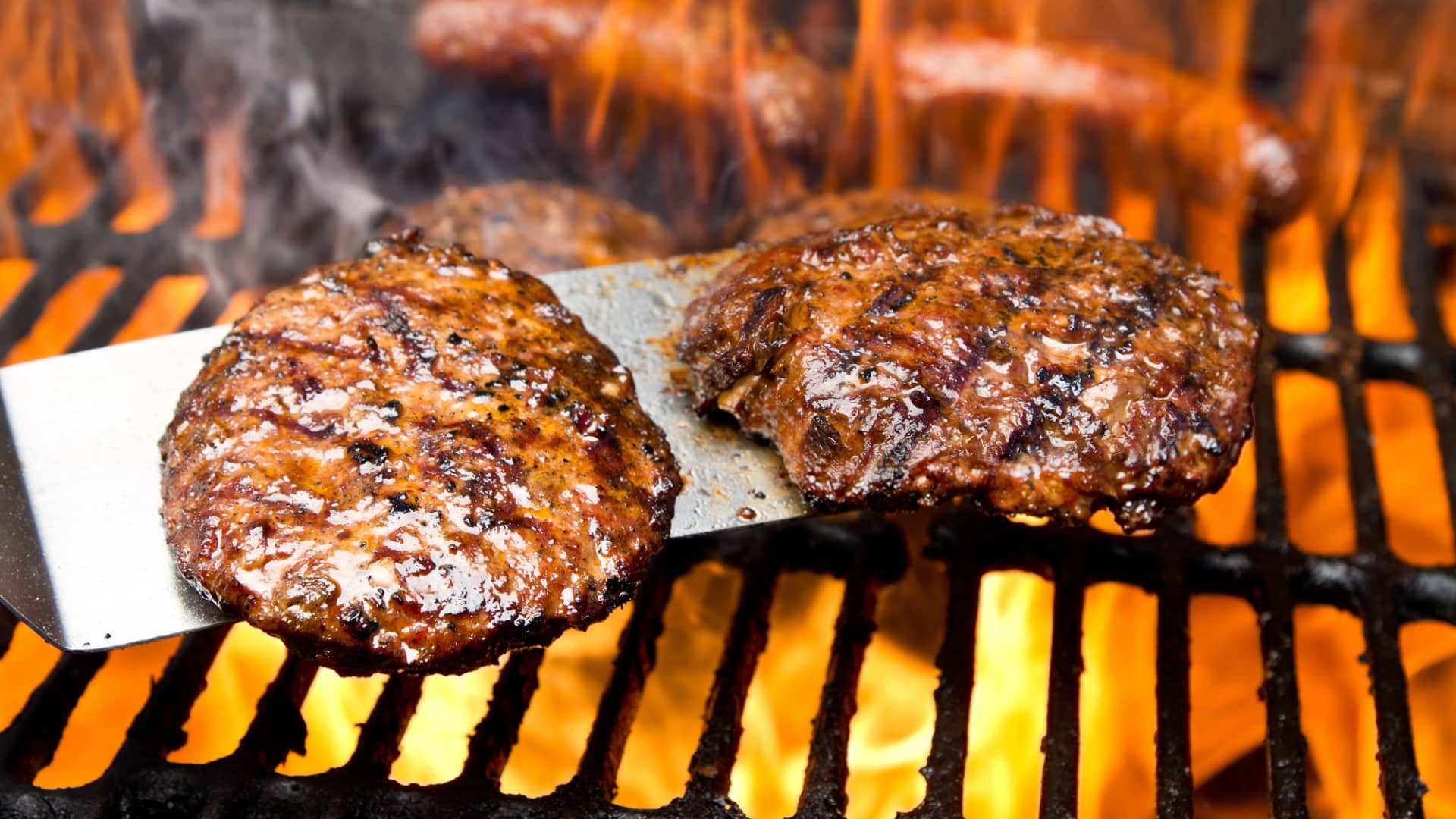
- Futures Price Surge: On Tuesday, live cattle futures at the CME Group settled at $2.51 per pound, marking the highest price on record since the 1960s, driven by rising ranching costs and herd reductions, with prices increasing over 25% in the past year.
- Slaughter Volume Decline: Barclays estimates that cattle slaughter is expected to fall to 2.2 million head in March, down from 2.5 million a year earlier, resulting in a 300,000-pound drop in beef production to 1.9 million pounds, exacerbating supply constraints in the market.
- Retail Price Increase: The Bureau of Labor Statistics reported that the average retail price of ground beef for hamburgers reached approximately $6.70 per pound in March, reflecting a 12% increase from the same month last year, leading to higher costs for consumers planning summer barbecues.
- Financial Strain on Farmers: A survey by the American Farm Bureau Federation revealed that nearly 60% of U.S. farmers reported worsening financial conditions, with many unable to afford the necessary fertilizer for their fields, highlighting the broader impact of rising agricultural production costs on farmers.
See More
Beef Prices Hit Record Highs, Pressuring Consumers Ahead of Summer
- Beef Price Surge: Live cattle futures reached $2.51 per pound on Tuesday, marking the highest price since the 1960s according to FactSet, driven by rising ranching costs and herd reductions, indicating a significant supply constraint.
- Slaughter Volume Decline: Cattle slaughter is expected to drop to 2.2 million head in March from 2.5 million a year earlier, with Barclays estimating a 300,000-pound decrease in beef production to 1.9 million pounds, exacerbating supply-demand imbalances in the market.
- Retail Price Increase: The Bureau of Labor Statistics reported that the retail price of ground beef for hamburgers rose to approximately $6.70 per pound in March, a 12% increase from the previous year, directly impacting consumer plans for summer barbecues.
- Financial Strain on Farmers: A survey by the American Farm Bureau Federation revealed that nearly 60% of U.S. farmers reported worsening financial conditions, with many unable to afford the necessary fertilizers, highlighting the broader inflationary pressures affecting agricultural production.
See More
Three Potential Stocks and Two to Sell

- Cracker Barrel Performance Decline: Cracker Barrel (CBRL) has experienced weak same-store sales trends over the past two years, indicating limited opportunities for new restaurant openings in its core markets, leading to a 33.1% decline in earnings per share over the last six years despite revenue growth, highlighting significantly reduced profitability of incremental sales.
- Ruger Growth Stagnation: Ruger (RGR) has seen stagnant sales over the past five years, signaling an urgent need for new growth strategies, with a low free cash flow margin of 6.8% over the last two years constraining its ability to self-fund growth or return capital to shareholders, reflecting inefficacy in management's investment decisions.
- Vitesse Energy's Attractiveness: Vitesse Energy (VTS), trading at $18.11, owns non-operated stakes in oil and gas wells in North Dakota and Montana's Williston Basin, boasting a respectable 10.3% annualized sales growth over the last four years and a best-in-class gross margin of 79.8%, indicating strong unit economics.
- Strong Market Performance: Vitesse Energy's robust free cash flow allows flexibility to invest in growth initiatives or return capital to shareholders, with a valuation ratio of 53.3x forward P/E, showcasing its potential in the market.
See More
Shift in American Comfort Food Consumption Trends
- Restaurant Closures: Denny's plans to close over 150 locations, reflecting a decline in consumer preference for traditional comfort foods, particularly influenced by health trends and diet drugs, which weaken its market competitiveness.
- Sales Decline: Cracker Barrel reported a 7.2% drop in comparable-store sales in its most recent quarter, indicating a shift in consumer preference towards healthier, locally sourced, and easy-to-prepare meals, impacting its profitability.
- MCL Restaurant Shrinkage: MCL Restaurant & Bakery, after years of declining sales, is set to close several locations in March, reducing its footprint to just seven, highlighting its ongoing contraction in the market.
- Industry Outlook: According to Black Box Intelligence, 9% of full-service restaurants are at risk of closure by 2026, primarily due to rising costs and declining customer counts, raising concerns about the overall health of the restaurant industry.
See More
US CPI Surge Affects Restaurant Stocks
- CPI Impact: The April Consumer Price Index (CPI) rose 3.8% year-over-year, intensifying consumer income pressure and leading to weaker sales in the restaurant sector, particularly for Applebee's and Domino's, highlighting the direct impact of high inflation on dining expenditures.
- Rising Oil Prices: Brent crude oil prices have surged to around $107, with national gas prices exceeding $4.50 per gallon, up over 50% since late February, squeezing household budgets and posing greater challenges for the restaurant industry.
- Sales Fluctuations: Despite a 2.3% year-over-year decline in overall industry traffic, McDonald's reported a 3.7% sales increase, indicating a shift in consumer choices amid high inflation and intensifying competition between fast food and sit-down dining.
- Kura Sushi Volatility: Kura Sushi's stock has experienced 39 moves greater than 5% in the past year; although today's drop of 5.3% suggests market significance, it does not fundamentally alter perceptions of the business.
See More
Cracker Barrel Dividend and Options Analysis
- Dividend Yield Expectation: Cracker Barrel Old Country Store Inc's latest dividend suggests an annualized yield of 3.3%, based on historical dividend data and profitability volatility analysis, indicating the company's potential for stable earnings.
- Volatility Indicator: The trailing twelve-month volatility for Cracker Barrel is calculated at 55% based on the last 250 trading days' closing prices, highlighting the need for investors to carefully assess the risk-reward balance in options trading given this high volatility.
- Options Trading Dynamics: On Monday, the put volume among S&P 500 components reached 3.09 million contracts, while call volume stood at 5.51 million, resulting in a put-call ratio of 0.56, indicating a market preference for call options, which may reflect investor confidence in future price increases.
- Options Strategy Recommendation: Given the current market volatility and stock price levels, investors should weigh the potential rewards against the risks of giving up upside when considering selling covered calls at the $42.50 strike for January 2027.
See More
Beef Prices Hit All-Time Highs Amid Supply Constraints
- Futures Price Surge: On Tuesday, live cattle futures at the CME Group settled at $2.51 per pound, marking the highest price on record since the 1960s, driven by rising ranching costs and herd reductions, with prices increasing over 25% in the past year.
- Slaughter Volume Decline: Barclays estimates that cattle slaughter is expected to fall to 2.2 million head in March, down from 2.5 million a year earlier, resulting in a 300,000-pound drop in beef production to 1.9 million pounds, exacerbating supply constraints in the market.
- Retail Price Increase: The Bureau of Labor Statistics reported that the average retail price of ground beef for hamburgers reached approximately $6.70 per pound in March, reflecting a 12% increase from the same month last year, leading to higher costs for consumers planning summer barbecues.
- Financial Strain on Farmers: A survey by the American Farm Bureau Federation revealed that nearly 60% of U.S. farmers reported worsening financial conditions, with many unable to afford the necessary fertilizer for their fields, highlighting the broader impact of rising agricultural production costs on farmers.
See More
Beef Prices Hit Record Highs, Pressuring Consumers Ahead of Summer
- Beef Price Surge: Live cattle futures reached $2.51 per pound on Tuesday, marking the highest price since the 1960s according to FactSet, driven by rising ranching costs and herd reductions, indicating a significant supply constraint.
- Slaughter Volume Decline: Cattle slaughter is expected to drop to 2.2 million head in March from 2.5 million a year earlier, with Barclays estimating a 300,000-pound decrease in beef production to 1.9 million pounds, exacerbating supply-demand imbalances in the market.
- Retail Price Increase: The Bureau of Labor Statistics reported that the retail price of ground beef for hamburgers rose to approximately $6.70 per pound in March, a 12% increase from the previous year, directly impacting consumer plans for summer barbecues.
- Financial Strain on Farmers: A survey by the American Farm Bureau Federation revealed that nearly 60% of U.S. farmers reported worsening financial conditions, with many unable to afford the necessary fertilizers, highlighting the broader inflationary pressures affecting agricultural production.
See More
Three Potential Stocks and Two to Sell
- Cracker Barrel Performance Decline: Cracker Barrel (CBRL) has experienced weak same-store sales trends over the past two years, indicating limited opportunities for new restaurant openings in its core markets, leading to a 33.1% decline in earnings per share over the last six years despite revenue growth, highlighting significantly reduced profitability of incremental sales.
- Ruger Growth Stagnation: Ruger (RGR) has seen stagnant sales over the past five years, signaling an urgent need for new growth strategies, with a low free cash flow margin of 6.8% over the last two years constraining its ability to self-fund growth or return capital to shareholders, reflecting inefficacy in management's investment decisions.
- Vitesse Energy's Attractiveness: Vitesse Energy (VTS), trading at $18.11, owns non-operated stakes in oil and gas wells in North Dakota and Montana's Williston Basin, boasting a respectable 10.3% annualized sales growth over the last four years and a best-in-class gross margin of 79.8%, indicating strong unit economics.
- Strong Market Performance: Vitesse Energy's robust free cash flow allows flexibility to invest in growth initiatives or return capital to shareholders, with a valuation ratio of 53.3x forward P/E, showcasing its potential in the market.
See More
Shift in American Comfort Food Consumption Trends
- Restaurant Closures: Denny's plans to close over 150 locations, reflecting a decline in consumer preference for traditional comfort foods, particularly influenced by health trends and diet drugs, which weaken its market competitiveness.
- Sales Decline: Cracker Barrel reported a 7.2% drop in comparable-store sales in its most recent quarter, indicating a shift in consumer preference towards healthier, locally sourced, and easy-to-prepare meals, impacting its profitability.
- MCL Restaurant Shrinkage: MCL Restaurant & Bakery, after years of declining sales, is set to close several locations in March, reducing its footprint to just seven, highlighting its ongoing contraction in the market.
- Industry Outlook: According to Black Box Intelligence, 9% of full-service restaurants are at risk of closure by 2026, primarily due to rising costs and declining customer counts, raising concerns about the overall health of the restaurant industry.
See More