

Sen. Mark Kelly Calls for AI Regulations to Protect Families
Written by Emily J. Thompson, Senior Investment Analyst
Updated: Mar 01 2026
0mins

Source: Benzinga
- AI Regulation Advocacy: Senator Mark Kelly emphasized that artificial intelligence is rapidly transforming the workforce and called for practical regulations to protect families while fostering innovation, highlighting the need for a balance between technological advancement and social responsibility.
- Escalating Trade Tensions: Following the U.S. Supreme Court's ruling against President Trump's emergency tariff authority, trade tensions between Washington and Taipei have intensified, with Trump doubling down on criticism of Taiwan's semiconductor dominance, potentially leading to the swift implementation of new tariffs that could disrupt economic relations.
- Taiwan's Response Strategy: In light of the Supreme Court's decision, Taiwan is quickly moving to preserve recently negotiated trade benefits with the United States, demonstrating its determination to seek stability in an uncertain trade environment and maintain its economic ties.
- Wayve's Successful Funding: British robotaxi startup Wayve announced it has raised $1.5 billion in fresh funding to bolster its global operations, with backing from Microsoft and Nvidia pushing its valuation to $8.6 billion, reflecting strong market confidence in autonomous driving technology.
Trade with 70% Backtested Accuracy
Stop guessing "Should I Buy AAPL?" and start using high-conviction signals backed by rigorous historical data.
Sign up today to access powerful investing tools and make smarter, data-driven decisions.
Analyst Views on AAPL
Wall Street analysts forecast AAPL stock price to rise
27 Analyst Rating
17 Buy
9 Hold
1 Sell
Moderate Buy
Current: 295.950

Low
239.00
Averages
306.89
High
350.00
Current: 295.950
Low
239.00
Averages
306.89
High
350.00
About AAPL
Apple Inc. designs, manufactures and markets smartphones, personal computers, tablets, wearables and accessories, and sells a variety of related services. Its product categories include iPhone, Mac, iPad, Wearables, Home and Accessories. Its services include advertising, AppleCare, cloud services, digital content, and payment services. The Company operates various platforms, including the App Store, that allow customers to discover and download applications and digital content, such as books, music, video, games and podcasts. It also offers digital content through subscription-based services, including Apple Arcade, Apple Fitness+, Apple Music, Apple News+, and Apple TV+. Its wearables include smartwatches, wireless headphones, and spatial computers. Its products include iPhone 16 Pro, iPhone 16, iPhone 15, iPhone 14, iPhone SE, MacBook Air, MacBook Pro, iMac, Mac mini, Mac Studio, Mac Pro, iPad Pro, iPad Air, AirPods, AirPods Pro, AirPods Max, Apple TV, Apple Vision Pro and others.
About the author

Emily J. Thompson
Emily J. Thompson, a Chartered Financial Analyst (CFA) with 12 years in investment research, graduated with honors from the Wharton School. Specializing in industrial and technology stocks, she provides in-depth analysis for Intellectia’s earnings and market brief reports.

Apple's AI Features Boost Device Popularity

- AI Feature Enhancement: Apple unveiled a more powerful Siri AI at its latest Worldwide Developers Conference, enhancing user experience by enabling quicker access to information, which could further drive product demand and strengthen its high-margin services ecosystem.
- New Foldable iPhone: Rumors suggest that Apple may launch a brand-new foldable iPhone later this year, which, if true, would directly compete with other successful foldable devices in the market, potentially helping Apple gain greater market share in the smartphone sector.
- Shareholder Return Program: Although Apple's dividend yield is only 0.4%, it has increased its dividends by 89.5% over the past decade, while generating $129.17 billion in free cash flow over the trailing 12 months, showcasing its strong capital return capabilities.
- Long-Term Investment Value: Despite facing antitrust lawsuits and tariff challenges, Apple continues to demonstrate robust market performance, and with its innovative capabilities and a user base of over two billion devices, it is expected to keep attracting new customers and driving profit growth.
See More

Intel and AMD Intensify Competition Amid AI Demand


- Intel's Stock Surge: Intel's stock has surged approximately 520% over the past year, driven by its foundry turnaround and soaring demand for server processors, indicating a significant recovery potential in market competition.
- AMD's Data Center Revenue Growth: AMD's data center revenue jumped 57% year-over-year to $5.8 billion in the first quarter, fueled by strong performance from EPYC processors and Instinct AI chips, highlighting its strengthening market position in AI.
- Profitability Comparison: Despite Intel's rapid stock increase, its forward price-to-earnings ratio exceeds 120, while AMD's is around 73, indicating AMD's advantages in profitability and growth rate, potentially making it a more attractive investment choice.
- Market Outlook Analysis: As AI demand continues to grow, both Intel and AMD are vying for market share; while Intel shows strong turnaround momentum, AMD's higher profits and cash flow may position it more favorably in future competition.
See More

AMD vs Intel: Competitive Landscape Analysis
- Intel's Recovery Momentum: Under CEO Lip-Bu Tan, Intel has exceeded revenue expectations for six consecutive quarters, with Q1 revenue rising 7% year-over-year to $13.6 billion, and its data center and AI segment growing 22% to $5.1 billion, indicating a strengthening competitive position in the AI era.
- Foundry Business Challenges: Despite Intel's foundry business generating $5.4 billion in revenue this quarter, it still faced a $2.4 billion operating loss, with external customers contributing only $174 million, highlighting the need for improved customer acquisition to achieve profitability in a competitive market.
- AMD's Strong Growth Trajectory: AMD's data center segment achieved a record $5.8 billion in revenue in Q1, up 57% year-over-year, while total revenue increased 38% to $10.3 billion, with adjusted earnings per share rising 43% to $1.37, showcasing its robust performance in the AI accelerator market and solidifying its market position.
- Investment Value Comparison: Although Intel's stock has surged over 500% in the past year, its forward P/E ratio exceeds 120, while AMD's is around 73, suggesting that investors may prefer AMD for its faster growth and higher profits, despite both companies facing risks from market volatility.
See More
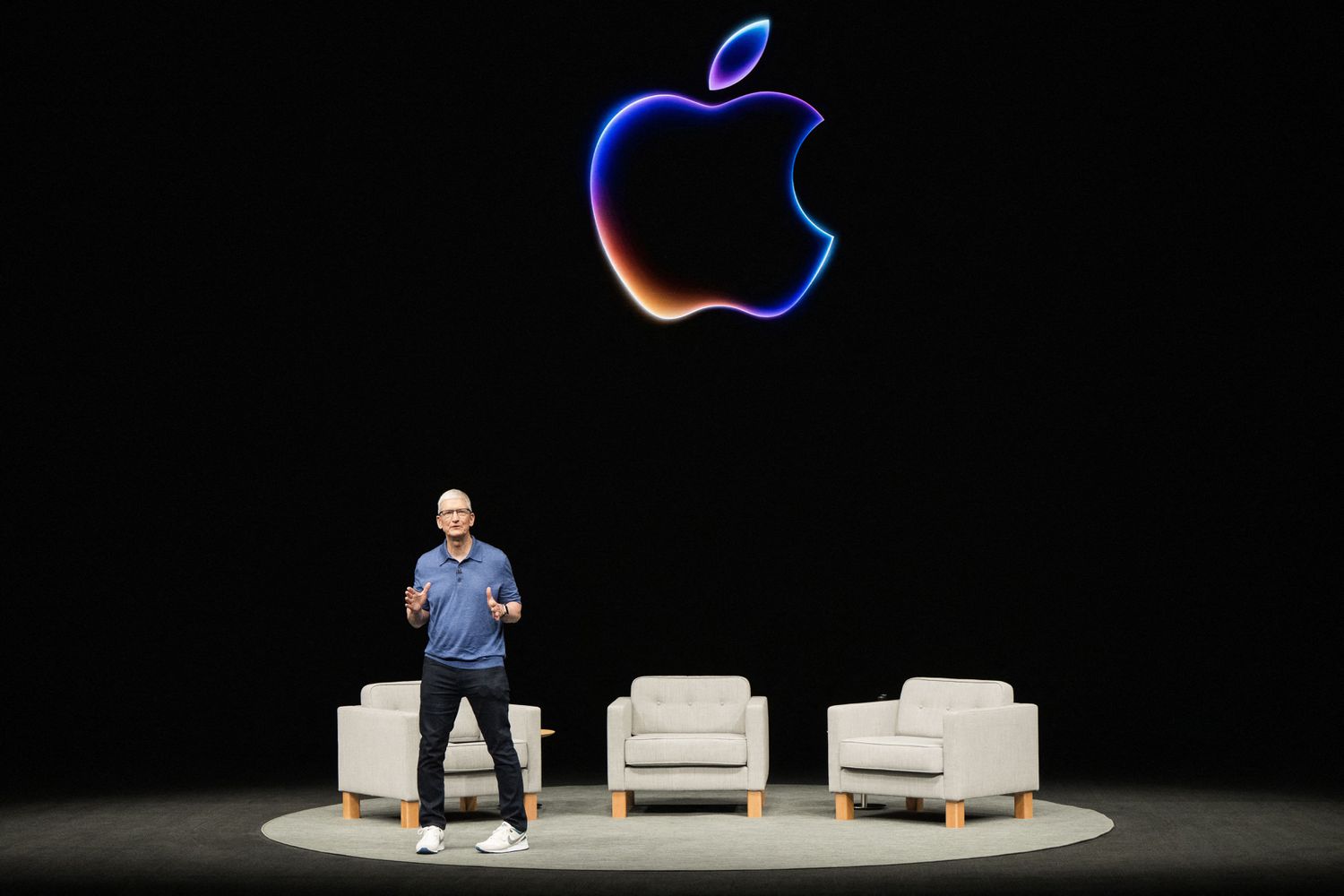
Apple Faces Rising Memory Costs Challenge

- Surging Memory Prices: The demand from AI data centers has led to a 100% increase in memory prices over the past year, putting significant cost pressure on major clients like Apple, with CEO Tim Cook stating that price increases are unavoidable, impacting the company's profitability.
- Rising Product Costs: Research firm TechInsights estimates that the memory and storage costs for a top-tier iPhone could rise from about $50 last year to $200 this year, a fourfold increase that will directly affect Apple's gross margin, which fell to 38.7% in Q2 2026.
- Market Response: Despite achieving a record revenue of $111.2 billion in Q2 2026, up 17% year-over-year, management anticipates greater financial pressure from rising memory costs, particularly as smartphone sales are expected to decline this year.
- Pricing Strategy Adjustment: Apple may respond to rising costs by increasing the starting price of the new iPhone Pro to $1,299, which could face challenges in a shrinking market, but the company's strong brand and ecosystem may provide it with significant pricing power.
See More

Apple CEO Acknowledges Price Increases Inevitable Amid Chip Shortages
- Cost Pressure Intensifies: Apple CEO Tim Cook stated that rising prices of memory and storage chips, which have doubled, are increasing the company's product costs, leading to a decline in the product segment's gross margin to 38.7%, despite overall March-quarter results setting records, indicating unprecedented cost pressures.
- Price Increases Inevitable: Cook acknowledged in an interview that, despite efforts to mitigate the impact of rising costs on consumers, price adjustments have become unavoidable due to the ongoing surge in memory prices, which could affect consumer purchasing decisions.
- Strong Market Demand: Despite facing cost challenges, Apple achieved a record revenue of $111.2 billion in the second quarter of fiscal 2026, a 17% year-over-year increase, with iPhone revenue rising 22% to about $57 billion, demonstrating strong brand demand and market resilience.
- Uncertain Future Outlook: With new memory factories not expected to ramp up until 2027 at the earliest, Cook warned that memory costs will continue to impact the business in the coming quarters, potentially forcing Apple to raise prices in an already competitive smartphone market, which could affect sales.
See More
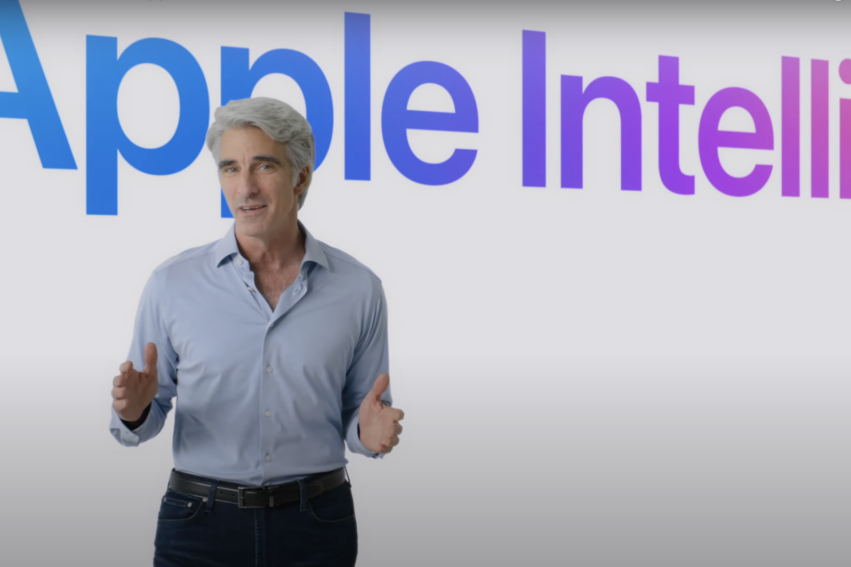
Apple Watch Older Models Excluded from watchOS 27 Update
- Device Support Reduction: Apple has announced that several older Apple Watch models, including Series 6, 7, 8, and the second-generation Apple Watch SE, will not receive the watchOS 27 update, which may impact user experience despite continued security updates.
- Performance Considerations: Marketing manager Cait Dooley explained that new features in watchOS 27, such as Siri AI enhancements and a new tap gesture, require stronger processing capabilities, limiting support to Series 9 and newer models, reflecting Apple's stringent performance standards.
- Smart Assistant Optimization: One of the main goals of watchOS 27 is to enhance the Apple Watch's role as a companion to Apple Intelligence, aiming for a more powerful and consistent Siri experience, which will further increase user reliance on the Apple ecosystem.
- Update Release Schedule: Currently, watchOS 27 is available as a developer beta, with a public beta set to roll out in July and a general release planned for this fall, introducing new features like Siri AI and Workout Buddy to enhance user intelligence and usability experience.
See More
Apple's AI Features Boost Device Popularity
- AI Feature Enhancement: Apple unveiled a more powerful Siri AI at its latest Worldwide Developers Conference, enhancing user experience by enabling quicker access to information, which could further drive product demand and strengthen its high-margin services ecosystem.
- New Foldable iPhone: Rumors suggest that Apple may launch a brand-new foldable iPhone later this year, which, if true, would directly compete with other successful foldable devices in the market, potentially helping Apple gain greater market share in the smartphone sector.
- Shareholder Return Program: Although Apple's dividend yield is only 0.4%, it has increased its dividends by 89.5% over the past decade, while generating $129.17 billion in free cash flow over the trailing 12 months, showcasing its strong capital return capabilities.
- Long-Term Investment Value: Despite facing antitrust lawsuits and tariff challenges, Apple continues to demonstrate robust market performance, and with its innovative capabilities and a user base of over two billion devices, it is expected to keep attracting new customers and driving profit growth.
See More
Intel and AMD Intensify Competition Amid AI Demand
- Intel's Stock Surge: Intel's stock has surged approximately 520% over the past year, driven by its foundry turnaround and soaring demand for server processors, indicating a significant recovery potential in market competition.
- AMD's Data Center Revenue Growth: AMD's data center revenue jumped 57% year-over-year to $5.8 billion in the first quarter, fueled by strong performance from EPYC processors and Instinct AI chips, highlighting its strengthening market position in AI.
- Profitability Comparison: Despite Intel's rapid stock increase, its forward price-to-earnings ratio exceeds 120, while AMD's is around 73, indicating AMD's advantages in profitability and growth rate, potentially making it a more attractive investment choice.
- Market Outlook Analysis: As AI demand continues to grow, both Intel and AMD are vying for market share; while Intel shows strong turnaround momentum, AMD's higher profits and cash flow may position it more favorably in future competition.
See More
AMD vs Intel: Competitive Landscape Analysis
- Intel's Recovery Momentum: Under CEO Lip-Bu Tan, Intel has exceeded revenue expectations for six consecutive quarters, with Q1 revenue rising 7% year-over-year to $13.6 billion, and its data center and AI segment growing 22% to $5.1 billion, indicating a strengthening competitive position in the AI era.
- Foundry Business Challenges: Despite Intel's foundry business generating $5.4 billion in revenue this quarter, it still faced a $2.4 billion operating loss, with external customers contributing only $174 million, highlighting the need for improved customer acquisition to achieve profitability in a competitive market.
- AMD's Strong Growth Trajectory: AMD's data center segment achieved a record $5.8 billion in revenue in Q1, up 57% year-over-year, while total revenue increased 38% to $10.3 billion, with adjusted earnings per share rising 43% to $1.37, showcasing its robust performance in the AI accelerator market and solidifying its market position.
- Investment Value Comparison: Although Intel's stock has surged over 500% in the past year, its forward P/E ratio exceeds 120, while AMD's is around 73, suggesting that investors may prefer AMD for its faster growth and higher profits, despite both companies facing risks from market volatility.
See More
Apple Faces Rising Memory Costs Challenge
- Surging Memory Prices: The demand from AI data centers has led to a 100% increase in memory prices over the past year, putting significant cost pressure on major clients like Apple, with CEO Tim Cook stating that price increases are unavoidable, impacting the company's profitability.
- Rising Product Costs: Research firm TechInsights estimates that the memory and storage costs for a top-tier iPhone could rise from about $50 last year to $200 this year, a fourfold increase that will directly affect Apple's gross margin, which fell to 38.7% in Q2 2026.
- Market Response: Despite achieving a record revenue of $111.2 billion in Q2 2026, up 17% year-over-year, management anticipates greater financial pressure from rising memory costs, particularly as smartphone sales are expected to decline this year.
- Pricing Strategy Adjustment: Apple may respond to rising costs by increasing the starting price of the new iPhone Pro to $1,299, which could face challenges in a shrinking market, but the company's strong brand and ecosystem may provide it with significant pricing power.
See More
Apple CEO Acknowledges Price Increases Inevitable Amid Chip Shortages
- Cost Pressure Intensifies: Apple CEO Tim Cook stated that rising prices of memory and storage chips, which have doubled, are increasing the company's product costs, leading to a decline in the product segment's gross margin to 38.7%, despite overall March-quarter results setting records, indicating unprecedented cost pressures.
- Price Increases Inevitable: Cook acknowledged in an interview that, despite efforts to mitigate the impact of rising costs on consumers, price adjustments have become unavoidable due to the ongoing surge in memory prices, which could affect consumer purchasing decisions.
- Strong Market Demand: Despite facing cost challenges, Apple achieved a record revenue of $111.2 billion in the second quarter of fiscal 2026, a 17% year-over-year increase, with iPhone revenue rising 22% to about $57 billion, demonstrating strong brand demand and market resilience.
- Uncertain Future Outlook: With new memory factories not expected to ramp up until 2027 at the earliest, Cook warned that memory costs will continue to impact the business in the coming quarters, potentially forcing Apple to raise prices in an already competitive smartphone market, which could affect sales.
See More
Apple Watch Older Models Excluded from watchOS 27 Update
- Device Support Reduction: Apple has announced that several older Apple Watch models, including Series 6, 7, 8, and the second-generation Apple Watch SE, will not receive the watchOS 27 update, which may impact user experience despite continued security updates.
- Performance Considerations: Marketing manager Cait Dooley explained that new features in watchOS 27, such as Siri AI enhancements and a new tap gesture, require stronger processing capabilities, limiting support to Series 9 and newer models, reflecting Apple's stringent performance standards.
- Smart Assistant Optimization: One of the main goals of watchOS 27 is to enhance the Apple Watch's role as a companion to Apple Intelligence, aiming for a more powerful and consistent Siri experience, which will further increase user reliance on the Apple ecosystem.
- Update Release Schedule: Currently, watchOS 27 is available as a developer beta, with a public beta set to roll out in July and a general release planned for this fall, introducing new features like Siri AI and Workout Buddy to enhance user intelligence and usability experience.
See More




