Semiconductor Rally Signals Market Risks
Written by Emily J. Thompson, Senior Investment Analyst
Updated: 6 days ago
0mins

Should l Buy INTC?
Source: CNBC
- Market Rally Warning: Jim Cramer cautions that the blistering rally in semiconductor and AI-related stocks may signal risks for the broader market, particularly after the Philadelphia Semiconductor Index surged over 47% during an 18-day winning streak before pulling back on Monday.
- Historical Comparison: Despite Monday's dip, the index is up 37% in April, and if it ends at current levels, it would mark the second-best month in its history, trailing only February 2000, highlighting extreme market volatility.
- Technical Indicator Alert: Analysts at Goldman Sachs noted that the index is trading about 50% above its 200-day moving average, the highest level since 2000, indicating potential adjustment risks in the market.
- Investment Strategy Adjustment: Cramer advises investors to adopt a more cautious approach by avoiding stocks that have already surged significantly and suggests considering long-term attractive stocks like Arm Holdings during market pullbacks.
Trade with 70% Backtested Accuracy
Stop guessing "Should I Buy INTC?" and start using high-conviction signals backed by rigorous historical data.
Sign up today to access powerful investing tools and make smarter, data-driven decisions.
Analyst Views on INTC
Wall Street analysts forecast INTC stock price to fall
29 Analyst Rating
5 Buy
19 Hold
5 Sell
Hold
Current: 99.620

Low
20.00
Averages
39.30
High
52.00
Current: 99.620
Low
20.00
Averages
39.30
High
52.00
About INTC
Intel Corporation is a global designer and manufacturer of semiconductor products. The Company's segments include Intel Products, Intel Foundry, and All Other. Its Intel Products comprise Client Computing Group (CCG) and Data Center and AI (DCAI). CCG delivers platforms and processors that power PCs and edge devices, enabling enhanced performance, connectivity and user experience for consumer and commercial markets with capabilities that also support retail, industrial robotics and AI ecosystems at the edge. DCAI delivers workload-optimized solutions based upon its x86 architecture for data centers, including CPUs, AI accelerators, NICs, IPUs and custom ASICs, enabling performance and scalability for cloud, enterprise, telecommunication and HPC environments. The Intel Foundry segment comprises technology development, manufacturing and foundry services, developing new semiconductor process technologies and advanced packaging technologies. All Other segments include Mobileye and Other.
About the author

Emily J. Thompson
Emily J. Thompson, a Chartered Financial Analyst (CFA) with 12 years in investment research, graduated with honors from the Wharton School. Specializing in industrial and technology stocks, she provides in-depth analysis for Intellectia’s earnings and market brief reports.

Intel's Q1 2026 Results Indicate Recovery

- Significant Revenue Growth: Intel's Q1 2026 revenue reached $13.6 billion, reflecting a 7.2% year-over-year increase and exceeding the company's prior outlook by $1.4 billion, indicating signs of recovery in the market.
- Margin Improvement: Although the net margin remains negative, the gross margin increased to 41%, up 1.8 percentage points year-over-year, demonstrating progress in cost control and product pricing strategies.
- AI Business Surge: The data-centric artificial intelligence segment saw a 22% year-over-year revenue growth, while the foundry segment grew 20% sequentially, aligning with Intel's strategic pivot towards becoming a semiconductor foundry, enhancing its competitive position.
- Major Contract Signing: Intel signed a multibillion-dollar contract with Amazon for custom AI chip production and is in talks with Google, which not only boosted its stock price by over 3% but also laid a solid foundation for future growth.
See More
Intel Appoints New Executive to Drive AI Growth
- Executive Appointment: Intel has appointed Alex Katouzian as executive vice president and general manager of Client Computing & Physical AI, marking the company's second key hire from rival Qualcomm, aimed at strengthening its leadership in physical AI systems.
- Business Integration: Katouzian will align Intel's client computing business with emerging physical AI systems that encompass robotics, autonomous machines, and other AI devices, which is expected to enhance the company's competitiveness in future growth areas.
- Leadership Recognition: Intel's CEO Tan stated that Katouzian is the right leader to help reimagine client computing beyond traditional PCs, indicating the company's commitment to future technological advancements.
- Technology Leadership Change: Additionally, Pushkar Ranade has been officially appointed as chief technology officer while continuing as chief of staff to the CEO, ensuring alignment of technology strategy with the company's overall objectives.
See More
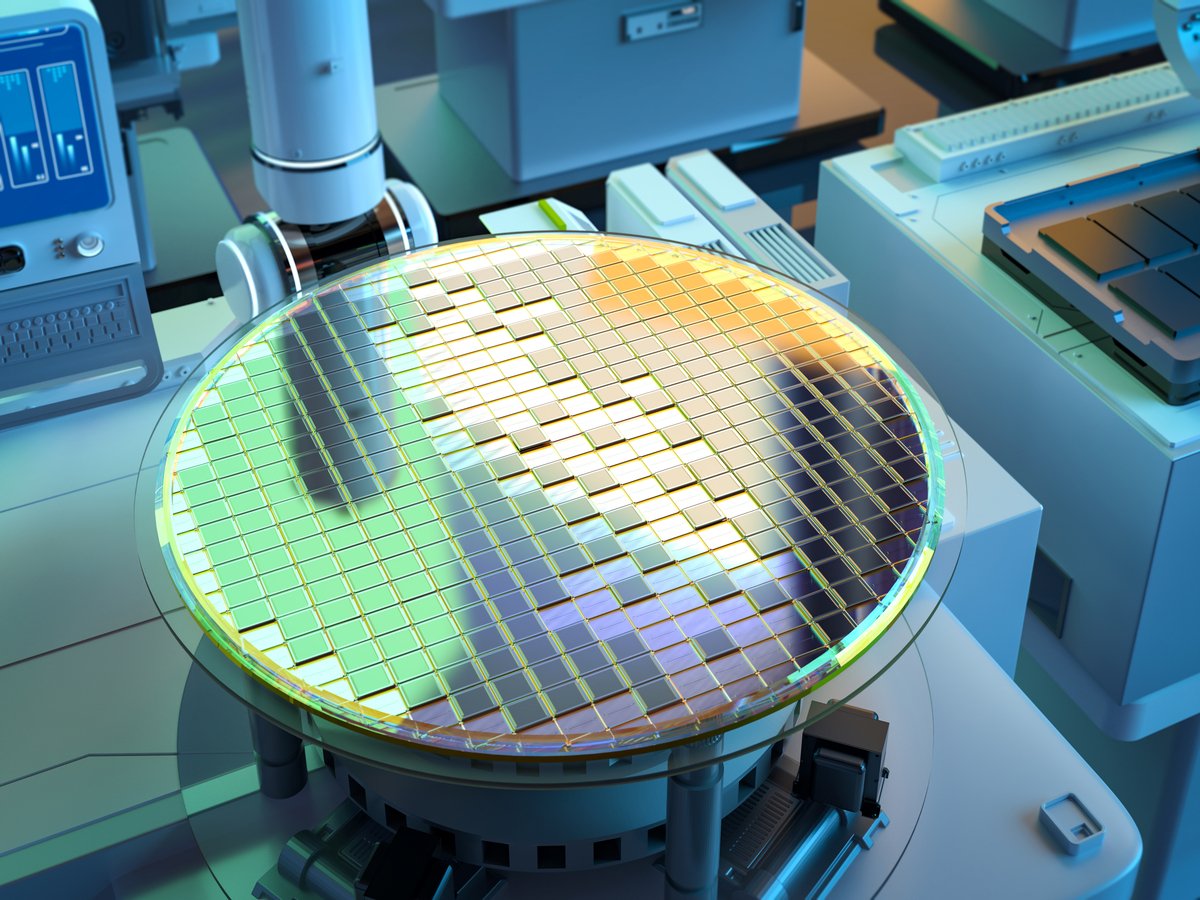
iShares Semiconductor ETF Surges 40% Amid AI Demand

- Favorable Industry Trends: The iShares Semiconductor ETF surged 40% last month due to cooling tensions in the Middle East, new data center deals, and a strong earnings report from Intel, highlighting robust demand for semiconductors driven by Agentic AI's CPU needs.
- Earnings Reports Drive Growth: Strong earnings from industry leaders like TSMC, NXP Semiconductor, and Intel, which saw its earnings double, indicate a significant uptick in chip demand as hyperscalers require more capacity for AI applications, showcasing the sector's resilience.
- Increased Capital Expenditure: Major hyperscalers raised their capital expenditure forecasts at the end of the month, signaling ongoing semiconductor demand growth, with Meta specifically increasing its capex due to rising component prices, further underscoring the market's bullish outlook.
- Valuation and Growth Potential: While the SOXX ETF trades at a high price-to-earnings ratio of 52.3, indicating expensive valuations, key components like Micron and Nvidia continue to deliver strong growth, suggesting that the ETF has potential for further gains amid the current AI momentum.
See More

Semiconductor Sector Experiences Strong Growth Amid AI Boom
- Cloud Infrastructure Spending Surge: With the skyrocketing demand for cloud computing capacity, Meta Platforms secured a $21 billion deal with CoreWeave, indicating that AI-driven cloud infrastructure spending continues to rise, thereby boosting semiconductor demand.
- Chip Demand Surge: Intel's latest earnings report revealed a significant increase in CPU demand driven by the rise of Agentic AI, revitalizing the entire semiconductor industry, particularly as the iShares Semiconductor ETF surged 40% last month.
- Capital Expenditure Increases: At the end of the month, three of the four major hyperscalers reported raising their annual capital expenditure forecasts, signaling that semiconductor demand will continue to rise, especially against the backdrop of increasing component prices.
- Elevated Valuation Levels: Although the SOXX ETF trades at a high price-to-earnings ratio of 52.3, indicating elevated valuations for semiconductor stocks, major components like Micron and Nvidia are still delivering strong growth, suggesting that ongoing enthusiasm for AI may drive further stock price increases.
See More
Intel Appoints New Executives to Drive Innovation
- Leadership Changes: Intel has appointed Alex Katouzian as executive vice president and general manager of the Client Computing and Physical AI Group, aiming to align the company's client computing business with emerging physical AI systems, thereby fostering innovation in robotics and autonomous machines.
- Strengthening Technology Strategy: Pushkar Ranade has been appointed as chief technology officer, tasked with advancing the company's technology strategy and leading critical technology projects, particularly in emerging areas like quantum computing and neuromorphic computing, ensuring alignment between technology development and business priorities.
- Innovation Drive: Katouzian stated that Intel is laying the groundwork for AI-driven transformation, planning to lead in AI PCs and edge computing, thus accelerating the future development of physical AI systems, showcasing the company's ambition in technological innovation.
- Executive Reporting Structure: Both Katouzian and Ranade will report directly to CEO Lip-Bu Tan, ensuring a high degree of alignment between the company's technology and business strategies to drive overall business growth and market competitiveness.
See More

Intel's Q1 Performance Shows Signs of Recovery
- Revenue Growth: Intel's revenue for Q1 2026 reached $13.6 billion, marking a 7.2% year-over-year increase and exceeding the prior outlook by $1.4 billion, indicating a gradual recovery after previous declines.
- Margin Improvement: Although the net margin remains negative, the gross margin increased to 41%, up 1.8 percentage points year-over-year and 6.5 points above expectations, reflecting progress in cost management and pricing strategies.
- Strong AI Segment: The data-centric AI segment saw a 22% revenue growth, serving as a key driver for overall revenue increase, showcasing Intel's strengthening competitiveness in emerging technology sectors.
- Strategic Transformation: Intel signed a multibillion-dollar contract with Amazon to produce custom AI chips and is planning a $100 billion investment to build more chip factories in the U.S., indicating that its strategic pivot towards semiconductor foundry services is being realized.
See More
Intel's Q1 2026 Results Indicate Recovery
- Significant Revenue Growth: Intel's Q1 2026 revenue reached $13.6 billion, reflecting a 7.2% year-over-year increase and exceeding the company's prior outlook by $1.4 billion, indicating signs of recovery in the market.
- Margin Improvement: Although the net margin remains negative, the gross margin increased to 41%, up 1.8 percentage points year-over-year, demonstrating progress in cost control and product pricing strategies.
- AI Business Surge: The data-centric artificial intelligence segment saw a 22% year-over-year revenue growth, while the foundry segment grew 20% sequentially, aligning with Intel's strategic pivot towards becoming a semiconductor foundry, enhancing its competitive position.
- Major Contract Signing: Intel signed a multibillion-dollar contract with Amazon for custom AI chip production and is in talks with Google, which not only boosted its stock price by over 3% but also laid a solid foundation for future growth.
See More
Intel Appoints New Executive to Drive AI Growth
- Executive Appointment: Intel has appointed Alex Katouzian as executive vice president and general manager of Client Computing & Physical AI, marking the company's second key hire from rival Qualcomm, aimed at strengthening its leadership in physical AI systems.
- Business Integration: Katouzian will align Intel's client computing business with emerging physical AI systems that encompass robotics, autonomous machines, and other AI devices, which is expected to enhance the company's competitiveness in future growth areas.
- Leadership Recognition: Intel's CEO Tan stated that Katouzian is the right leader to help reimagine client computing beyond traditional PCs, indicating the company's commitment to future technological advancements.
- Technology Leadership Change: Additionally, Pushkar Ranade has been officially appointed as chief technology officer while continuing as chief of staff to the CEO, ensuring alignment of technology strategy with the company's overall objectives.
See More
iShares Semiconductor ETF Surges 40% Amid AI Demand
- Favorable Industry Trends: The iShares Semiconductor ETF surged 40% last month due to cooling tensions in the Middle East, new data center deals, and a strong earnings report from Intel, highlighting robust demand for semiconductors driven by Agentic AI's CPU needs.
- Earnings Reports Drive Growth: Strong earnings from industry leaders like TSMC, NXP Semiconductor, and Intel, which saw its earnings double, indicate a significant uptick in chip demand as hyperscalers require more capacity for AI applications, showcasing the sector's resilience.
- Increased Capital Expenditure: Major hyperscalers raised their capital expenditure forecasts at the end of the month, signaling ongoing semiconductor demand growth, with Meta specifically increasing its capex due to rising component prices, further underscoring the market's bullish outlook.
- Valuation and Growth Potential: While the SOXX ETF trades at a high price-to-earnings ratio of 52.3, indicating expensive valuations, key components like Micron and Nvidia continue to deliver strong growth, suggesting that the ETF has potential for further gains amid the current AI momentum.
See More
Semiconductor Sector Experiences Strong Growth Amid AI Boom
- Cloud Infrastructure Spending Surge: With the skyrocketing demand for cloud computing capacity, Meta Platforms secured a $21 billion deal with CoreWeave, indicating that AI-driven cloud infrastructure spending continues to rise, thereby boosting semiconductor demand.
- Chip Demand Surge: Intel's latest earnings report revealed a significant increase in CPU demand driven by the rise of Agentic AI, revitalizing the entire semiconductor industry, particularly as the iShares Semiconductor ETF surged 40% last month.
- Capital Expenditure Increases: At the end of the month, three of the four major hyperscalers reported raising their annual capital expenditure forecasts, signaling that semiconductor demand will continue to rise, especially against the backdrop of increasing component prices.
- Elevated Valuation Levels: Although the SOXX ETF trades at a high price-to-earnings ratio of 52.3, indicating elevated valuations for semiconductor stocks, major components like Micron and Nvidia are still delivering strong growth, suggesting that ongoing enthusiasm for AI may drive further stock price increases.
See More
Intel Appoints New Executives to Drive Innovation
- Leadership Changes: Intel has appointed Alex Katouzian as executive vice president and general manager of the Client Computing and Physical AI Group, aiming to align the company's client computing business with emerging physical AI systems, thereby fostering innovation in robotics and autonomous machines.
- Strengthening Technology Strategy: Pushkar Ranade has been appointed as chief technology officer, tasked with advancing the company's technology strategy and leading critical technology projects, particularly in emerging areas like quantum computing and neuromorphic computing, ensuring alignment between technology development and business priorities.
- Innovation Drive: Katouzian stated that Intel is laying the groundwork for AI-driven transformation, planning to lead in AI PCs and edge computing, thus accelerating the future development of physical AI systems, showcasing the company's ambition in technological innovation.
- Executive Reporting Structure: Both Katouzian and Ranade will report directly to CEO Lip-Bu Tan, ensuring a high degree of alignment between the company's technology and business strategies to drive overall business growth and market competitiveness.
See More
Intel's Q1 Performance Shows Signs of Recovery
- Revenue Growth: Intel's revenue for Q1 2026 reached $13.6 billion, marking a 7.2% year-over-year increase and exceeding the prior outlook by $1.4 billion, indicating a gradual recovery after previous declines.
- Margin Improvement: Although the net margin remains negative, the gross margin increased to 41%, up 1.8 percentage points year-over-year and 6.5 points above expectations, reflecting progress in cost management and pricing strategies.
- Strong AI Segment: The data-centric AI segment saw a 22% revenue growth, serving as a key driver for overall revenue increase, showcasing Intel's strengthening competitiveness in emerging technology sectors.
- Strategic Transformation: Intel signed a multibillion-dollar contract with Amazon to produce custom AI chips and is planning a $100 billion investment to build more chip factories in the U.S., indicating that its strategic pivot towards semiconductor foundry services is being realized.
See More