Salesforce's Annual Revenue Hits $1.2 Billion Amid Stock Decline
Written by Emily J. Thompson, Senior Investment Analyst
Updated: 1 hour ago
0mins
Source: NASDAQ.COM
- Annual Revenue Growth: Salesforce's Agentforce platform achieved an annual recurring revenue of $1.2 billion in Q1 FY2027, reflecting a remarkable 205% year-over-year increase, showcasing the company's strong growth potential in the AI sector despite a 37% decline in overall stock price.
- Poor Stock Performance: As of now, Salesforce's stock is trading near its 52-week low, down approximately 37% year-to-date, making it one of the worst-performing large-cap software stocks, indicating market concerns about its future growth prospects.
- AI Business Outlook: Despite a slowdown in overall revenue growth, Salesforce's AI business is rapidly expanding, with Agentforce's revenue growing by 50% in Q1 FY2026, suggesting that AI could be a key driver for the company's future growth.
- Management's Forecast: Management expects revenue growth to reaccelerate in the second half of FY2027, and if this goal is achieved, it could alleviate market pessimism regarding the company's future performance, especially in light of the rapid growth of its AI products.
Trade with 70% Backtested Accuracy
Stop guessing "Should I Buy CRM?" and start using high-conviction signals backed by rigorous historical data.
Sign up today to access powerful investing tools and make smarter, data-driven decisions.
Analyst Views on CRM
Wall Street analysts forecast CRM stock price to rise
39 Analyst Rating
29 Buy
9 Hold
1 Sell
Moderate Buy
Current: 170.920

Low
223.00
Averages
326.40
High
405.00
Current: 170.920
Low
223.00
Averages
326.40
High
405.00
About CRM
Salesforce, Inc. is a customer relationship management (CRM) technology company. Its artificial intelligence (AI) powered Agentforce 360 Platform offers sales, service, marketing, commerce, collaboration, data management, integration, analytics, and information technology (IT) service solutions. It enables customers to build and deploy digital labor for employees and customers, leveraging autonomous AI agents across business functions. Its service offerings include Agentforce Sales, Agentforce Service, Agentforce 360 Platform, Slack and Others. The Agentforce Sales provides sales capabilities and tools built for organizations across prospecting, sales engagement, team collaboration, sales analytics and AI, sales programs, sales performance, partner management, and revenue and orders. The Agentforce Service provides field service solutions that enable companies to connect service agents, dispatchers and mobile employees through platform to schedule, dispatch and manage jobs.
About the author

Emily J. Thompson
Emily J. Thompson, a Chartered Financial Analyst (CFA) with 12 years in investment research, graduated with honors from the Wharton School. Specializing in industrial and technology stocks, she provides in-depth analysis for Intellectia’s earnings and market brief reports.

Adobe, Salesforce, and Trade Desk Stocks Hit Seven-Year Low Amid AI Concerns

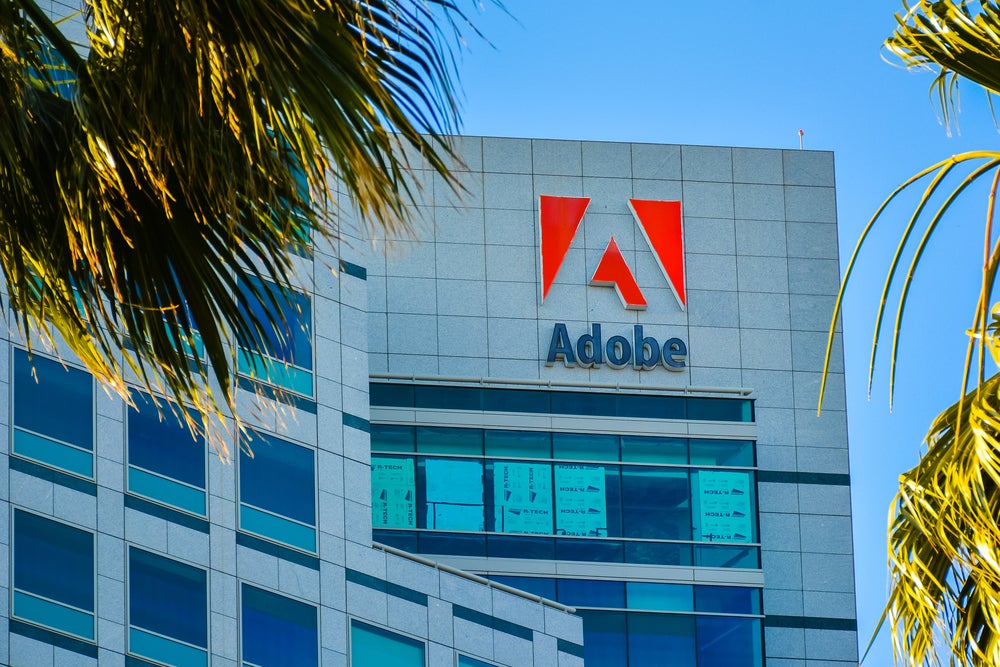
- Adobe's Strong Earnings: Despite reporting a record Q1 revenue of $6.62 billion, a 13% year-over-year increase, Adobe's stock fell to a seven-year low of $218.1, reflecting investor concerns about generative AI potentially undermining the value of software subscriptions.
- Salesforce's Challenges: Salesforce shares dropped to a three-year low of $163.31 as AI-driven automation and workforce reductions impacted its long-standing revenue model, with the company undergoing restructuring to adapt to market changes.
- Trade Desk's Slowing Growth: The Trade Desk's stock fell to a six-year low of $18.37, erasing nearly 74% of its market value over the past year, primarily due to slowing business momentum and significant executive turnover raising investor concerns.
- Shifting Market Sentiment: While Adobe and Salesforce stocks plummeted, retail investor sentiment around Adobe shifted from 'bullish' to 'extremely bullish', indicating a complex view of the company's future potential amidst broader market challenges.
See More
Adobe, Salesforce, and Trade Desk Shares Hit Seven-Year Low Amid AI Concerns
- Adobe Stock Decline: Despite reporting a Q1 revenue of $6.62 billion, a 13% year-over-year increase, Adobe's stock fell to a seven-year low of $218.1, reflecting investor concerns about the long-term value of traditional software companies in the face of generative AI competition.
- Salesforce Challenges: Salesforce shares dropped to a three-year low of $163.31 as AI-driven automation and workforce reductions impacted its long-standing revenue model, with ongoing restructuring efforts further unsettling the market.
- Trade Desk Underperformance: The Trade Desk's stock fell to a six-year low of $18.37, erasing nearly 74% of its market value over the past year due to slowing growth and significant executive turnover, with Q2 revenue outlook missing analyst expectations.
- Shifting Market Sentiment: While Adobe and Salesforce stocks experienced significant declines, retail sentiment on Stocktwits for Adobe shifted from 'bullish' to 'extremely bullish', indicating some investors still have confidence in its future prospects.
See More
Salesforce's AI Business Shows Significant Growth Amid Stock Decline

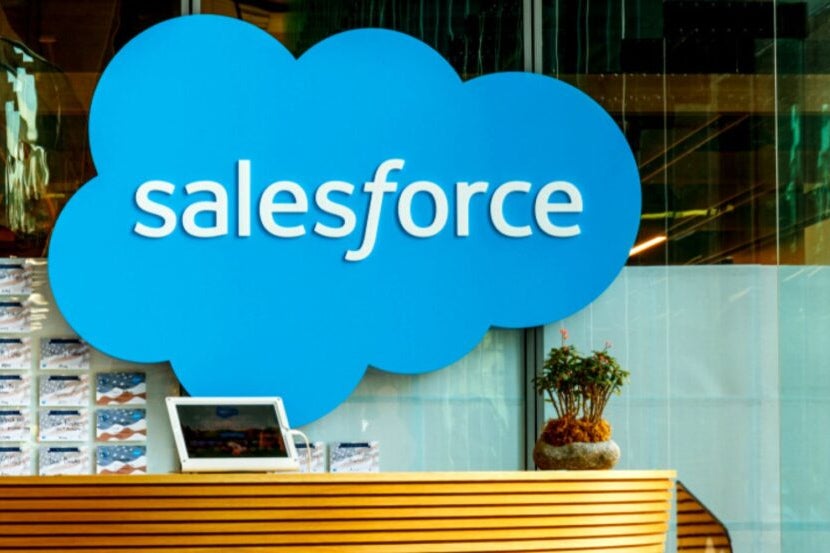
- Stock Decline: Salesforce shares are trading near a 52-week low, down about 37% year-to-date, making it one of the worst-performing large-cap software stocks of 2026, reflecting market concerns about its future growth.
- AI Business Growth: The company's Agentforce platform achieved an annual recurring revenue of $1.2 billion in Q1 FY2027, marking a 205% year-over-year increase, indicating strong growth potential in the AI sector despite overall revenue growth slowing.
- Market Pressure: Oracle's recent report revealed a negative free cash flow of $23.7 billion, putting pressure on the entire software sector and causing Salesforce's stock to drop, raising doubts about the future of the SaaS model.
- Management Outlook: Despite challenges, Salesforce's management expects organic revenue growth to reaccelerate in the second half of FY2027, which, if realized, could alleviate market pessimism regarding the company's future.
See More
Salesforce's Annual Revenue Hits $1.2 Billion Amid Stock Decline
- Annual Revenue Growth: Salesforce's Agentforce platform achieved an annual recurring revenue of $1.2 billion in Q1 FY2027, reflecting a remarkable 205% year-over-year increase, showcasing the company's strong growth potential in the AI sector despite a 37% decline in overall stock price.
- Poor Stock Performance: As of now, Salesforce's stock is trading near its 52-week low, down approximately 37% year-to-date, making it one of the worst-performing large-cap software stocks, indicating market concerns about its future growth prospects.
- AI Business Outlook: Despite a slowdown in overall revenue growth, Salesforce's AI business is rapidly expanding, with Agentforce's revenue growing by 50% in Q1 FY2026, suggesting that AI could be a key driver for the company's future growth.
- Management's Forecast: Management expects revenue growth to reaccelerate in the second half of FY2027, and if this goal is achieved, it could alleviate market pessimism regarding the company's future performance, especially in light of the rapid growth of its AI products.
See More

US Stocks Surge as Geopolitical Risks Ease


- Market Rebound: The S&P 500 rose 1.75%, the Dow Jones increased by 1.86%, and the Nasdaq 100 surged 3.29% as President Trump canceled military strikes on Iran, indicating a positive market response to easing geopolitical tensions.
- Chip Stocks Lead Gains: AI-related stocks drove chipmakers like Sandisk up over 14% and KLA Corp up over 13%, reflecting ongoing confidence in AI spending, which may further boost growth in the tech sector.
- Airline Stocks Benefit: With WTI crude oil prices falling more than 2%, airline stocks such as Alaska Air Group rose over 11%, and United Airlines and American Airlines increased over 9%, suggesting that lower fuel costs will enhance profitability prospects for these companies.
- Software Stocks Under Pressure: Oracle's stock fell over 8% due to higher-than-expected capital expenditures projected at $70 billion, exceeding market expectations by $20-25 billion, indicating concerns in the software sector that could impact overall tech stock performance.
See More

Oracle's AI Investment Plan Raises Shareholder Concerns


- Earnings Beat: Oracle's fiscal Q1 2026 results exceeded expectations, with revenue and net income growth; however, shareholders are concerned about the company's plan to raise funds for AI development, putting pressure on the stock price.
- Surge in Contracted Revenues: The company's remaining performance obligation (RPO) soared 363% year-over-year to $638 billion, primarily driven by large-scale AI contracts, indicating strong future demand potential.
- Accelerated Compute Delivery: Oracle delivered over 1.2 gigawatts of compute capacity in fiscal 2026, with Q1 FY 2027 delivery approaching 1 gigawatt, reflecting a rapidly growing demand for AI infrastructure and solidifying Oracle's market position.
- Capital Raising Plans: Oracle plans to raise approximately $40 billion in debt and equity in FY 2027, including a previously announced $20 billion at-the-market equity issuance, which may negatively impact shareholder confidence.
See More
Adobe, Salesforce, and Trade Desk Stocks Hit Seven-Year Low Amid AI Concerns
- Adobe's Strong Earnings: Despite reporting a record Q1 revenue of $6.62 billion, a 13% year-over-year increase, Adobe's stock fell to a seven-year low of $218.1, reflecting investor concerns about generative AI potentially undermining the value of software subscriptions.
- Salesforce's Challenges: Salesforce shares dropped to a three-year low of $163.31 as AI-driven automation and workforce reductions impacted its long-standing revenue model, with the company undergoing restructuring to adapt to market changes.
- Trade Desk's Slowing Growth: The Trade Desk's stock fell to a six-year low of $18.37, erasing nearly 74% of its market value over the past year, primarily due to slowing business momentum and significant executive turnover raising investor concerns.
- Shifting Market Sentiment: While Adobe and Salesforce stocks plummeted, retail investor sentiment around Adobe shifted from 'bullish' to 'extremely bullish', indicating a complex view of the company's future potential amidst broader market challenges.
See More
Adobe, Salesforce, and Trade Desk Shares Hit Seven-Year Low Amid AI Concerns
- Adobe Stock Decline: Despite reporting a Q1 revenue of $6.62 billion, a 13% year-over-year increase, Adobe's stock fell to a seven-year low of $218.1, reflecting investor concerns about the long-term value of traditional software companies in the face of generative AI competition.
- Salesforce Challenges: Salesforce shares dropped to a three-year low of $163.31 as AI-driven automation and workforce reductions impacted its long-standing revenue model, with ongoing restructuring efforts further unsettling the market.
- Trade Desk Underperformance: The Trade Desk's stock fell to a six-year low of $18.37, erasing nearly 74% of its market value over the past year due to slowing growth and significant executive turnover, with Q2 revenue outlook missing analyst expectations.
- Shifting Market Sentiment: While Adobe and Salesforce stocks experienced significant declines, retail sentiment on Stocktwits for Adobe shifted from 'bullish' to 'extremely bullish', indicating some investors still have confidence in its future prospects.
See More
Salesforce's AI Business Shows Significant Growth Amid Stock Decline
- Stock Decline: Salesforce shares are trading near a 52-week low, down about 37% year-to-date, making it one of the worst-performing large-cap software stocks of 2026, reflecting market concerns about its future growth.
- AI Business Growth: The company's Agentforce platform achieved an annual recurring revenue of $1.2 billion in Q1 FY2027, marking a 205% year-over-year increase, indicating strong growth potential in the AI sector despite overall revenue growth slowing.
- Market Pressure: Oracle's recent report revealed a negative free cash flow of $23.7 billion, putting pressure on the entire software sector and causing Salesforce's stock to drop, raising doubts about the future of the SaaS model.
- Management Outlook: Despite challenges, Salesforce's management expects organic revenue growth to reaccelerate in the second half of FY2027, which, if realized, could alleviate market pessimism regarding the company's future.
See More
Salesforce's Annual Revenue Hits $1.2 Billion Amid Stock Decline
- Annual Revenue Growth: Salesforce's Agentforce platform achieved an annual recurring revenue of $1.2 billion in Q1 FY2027, reflecting a remarkable 205% year-over-year increase, showcasing the company's strong growth potential in the AI sector despite a 37% decline in overall stock price.
- Poor Stock Performance: As of now, Salesforce's stock is trading near its 52-week low, down approximately 37% year-to-date, making it one of the worst-performing large-cap software stocks, indicating market concerns about its future growth prospects.
- AI Business Outlook: Despite a slowdown in overall revenue growth, Salesforce's AI business is rapidly expanding, with Agentforce's revenue growing by 50% in Q1 FY2026, suggesting that AI could be a key driver for the company's future growth.
- Management's Forecast: Management expects revenue growth to reaccelerate in the second half of FY2027, and if this goal is achieved, it could alleviate market pessimism regarding the company's future performance, especially in light of the rapid growth of its AI products.
See More
US Stocks Surge as Geopolitical Risks Ease
- Market Rebound: The S&P 500 rose 1.75%, the Dow Jones increased by 1.86%, and the Nasdaq 100 surged 3.29% as President Trump canceled military strikes on Iran, indicating a positive market response to easing geopolitical tensions.
- Chip Stocks Lead Gains: AI-related stocks drove chipmakers like Sandisk up over 14% and KLA Corp up over 13%, reflecting ongoing confidence in AI spending, which may further boost growth in the tech sector.
- Airline Stocks Benefit: With WTI crude oil prices falling more than 2%, airline stocks such as Alaska Air Group rose over 11%, and United Airlines and American Airlines increased over 9%, suggesting that lower fuel costs will enhance profitability prospects for these companies.
- Software Stocks Under Pressure: Oracle's stock fell over 8% due to higher-than-expected capital expenditures projected at $70 billion, exceeding market expectations by $20-25 billion, indicating concerns in the software sector that could impact overall tech stock performance.
See More
Oracle's AI Investment Plan Raises Shareholder Concerns
- Earnings Beat: Oracle's fiscal Q1 2026 results exceeded expectations, with revenue and net income growth; however, shareholders are concerned about the company's plan to raise funds for AI development, putting pressure on the stock price.
- Surge in Contracted Revenues: The company's remaining performance obligation (RPO) soared 363% year-over-year to $638 billion, primarily driven by large-scale AI contracts, indicating strong future demand potential.
- Accelerated Compute Delivery: Oracle delivered over 1.2 gigawatts of compute capacity in fiscal 2026, with Q1 FY 2027 delivery approaching 1 gigawatt, reflecting a rapidly growing demand for AI infrastructure and solidifying Oracle's market position.
- Capital Raising Plans: Oracle plans to raise approximately $40 billion in debt and equity in FY 2027, including a previously announced $20 billion at-the-market equity issuance, which may negatively impact shareholder confidence.
See More