Robinhood Shares Drop 8% on Revenue Miss


Robinhood shares falter on a revenue miss despite optimistic analyst coverage, while miner Canaan sees stock struggles amid strong earnings. Elsewhere, institutional giants like Goldman Sachs and Franklin Templeton adjust their strategies in the evolving digital asset landscape. Stay up on the crypto news that matters with "Crypto Currents," daily from The Fly. Join us at 2 PM ET for your essential briefing on the fast-moving world of cryptocurrency on FlyCast radio.ROBINHOOD SHARES DIP ON REVENUE MISS WHILE BERNSTEIN SEES UPSIDE:Shares of Robinhoodfell approximately 8% in after-hours trading Tuesday following a fourth-quarter revenue miss. The trading platform reported record net revenues of $1.28B, which fell short of Wall Street's $1.34B expectation. The shortfall was driven largely by a 38% year-over-year decline in crypto transaction revenue to $221M, as trading volumes on the core app dropped 52%. Despite the immediate sell-off, analysts at Bernstein maintained an Outperform rating with a $160 price target, characterizing the weakness as temporary "crypto jitters." The analysts highlighted that Robinhood's prediction markets reached new records and noted the company's planned expansion into tokenization. Separately,that Robinhood general manager Johann Kerbrat criticized the traditional T+1 stock settlement cycle as an "antiquated relic," advocating for instant settlement and confirming the company's push toward 24/7 trading via its new Ethereum Layer 2 blockchain.CANAAN STOCK SINKS DESPITE STRONG Q4 EARNINGS:Mining manufacturer Canaansaw it's shares drop roughly 7% on Tuesday, even. Revenue surged 121% year-over-year to $196.3M, driven by a 60% increase in computing power sales and a 98.5% jump in mining revenue. The company now holds a record 1,750 bitcoinin its treasury. However, the stock price slid to 56c, exacerbating fears regarding a potential Nasdaq delisting. The exchange has warned Canaan that it must raise its share price above $1 by July 13 to remain compliant with minimum bid rules.INSTITUTIONAL ADOPTION SHIFTS WITH GOLDMAN SACHS AND FRANKLIN TEMPLETON:Major financial institutions are recalibrating their approach to digital assets., Goldman Sachsreduced its bitcoin ETF holdings by 40% in the Q4. Conversely, asset managers continue to deepen their blockchain integration., executives from Franklin Templetonand SWIFT stated at a recent conference that the future of banking is "24/7 and natively on-chain," with Franklin Templeton focusing on tokenizing money market funds to reduce operational costs. In Europe, Ripple. Furthermore,to bitcoin and etherETFs from BlackRockand WisdomTreefor its clients, marking a pivot from its previous restrictive stance.LEGISLATIVE STALEMATES AND MACROECONOMIC DATA:Regulatory discussions in Washington remain intense following a high-profile White House meeting regarding stablecoin yields and market structure., sources from both banking and crypto sectors termed the session "productive," though no compromise was reached by the end. While the, industry executives expressed varying views on the path forward. Ripple chief legal officer Stuart Alderotythat "compromise is in the air" and urged lawmakers to seize the momentum to deliver a win for consumers. However, BitGo CEO Mike Belshe took a firmer stance,that both sides must stop "re-litigating GENIUS" and instead focus on passing "CLARITY" to ensure market structure is not delayed by stablecoin debates. On the macro front, the U.S. added a stronger-than-expected 130,000 jobs in January, sending the unemployment rate down to 4.3%. Following the data, bitcoin pared earlier losses to trade modestly higher.PRICE ACTION:As of time of writing, bitcoin was trading at $66,317.99, while ether was trading at $1,926.60,.
Trade with 70% Backtested Accuracy
Analyst Views on HOOD

About HOOD
About the author


Morgan Stanley Leads SpaceX IPO Talks for Retail Investors

- IPO Leadership Contest: Morgan Stanley's E*Trade is in discussions with SpaceX to take the lead role for smaller U.S. investors in its IPO, showcasing its strong influence in the retail investment market.
- Competitor Dynamics: Although Robinhood and SoFi are also vying for a small retail role, SpaceX is considering excluding them, indicating Morgan Stanley's advantageous position in this deal.
- Joint Sales Negotiations: Robinhood and SoFi remain in talks with SpaceX to potentially handle some sales, reflecting ongoing interest in small investor participation in the IPO.
- Fidelity's Involvement: Mutual fund Fidelity is also exploring whether it can distribute some SpaceX shares on its trading platform, further enhancing opportunities for small investors in the IPO.
NFL Requests Ban on Manipulable Betting Contracts


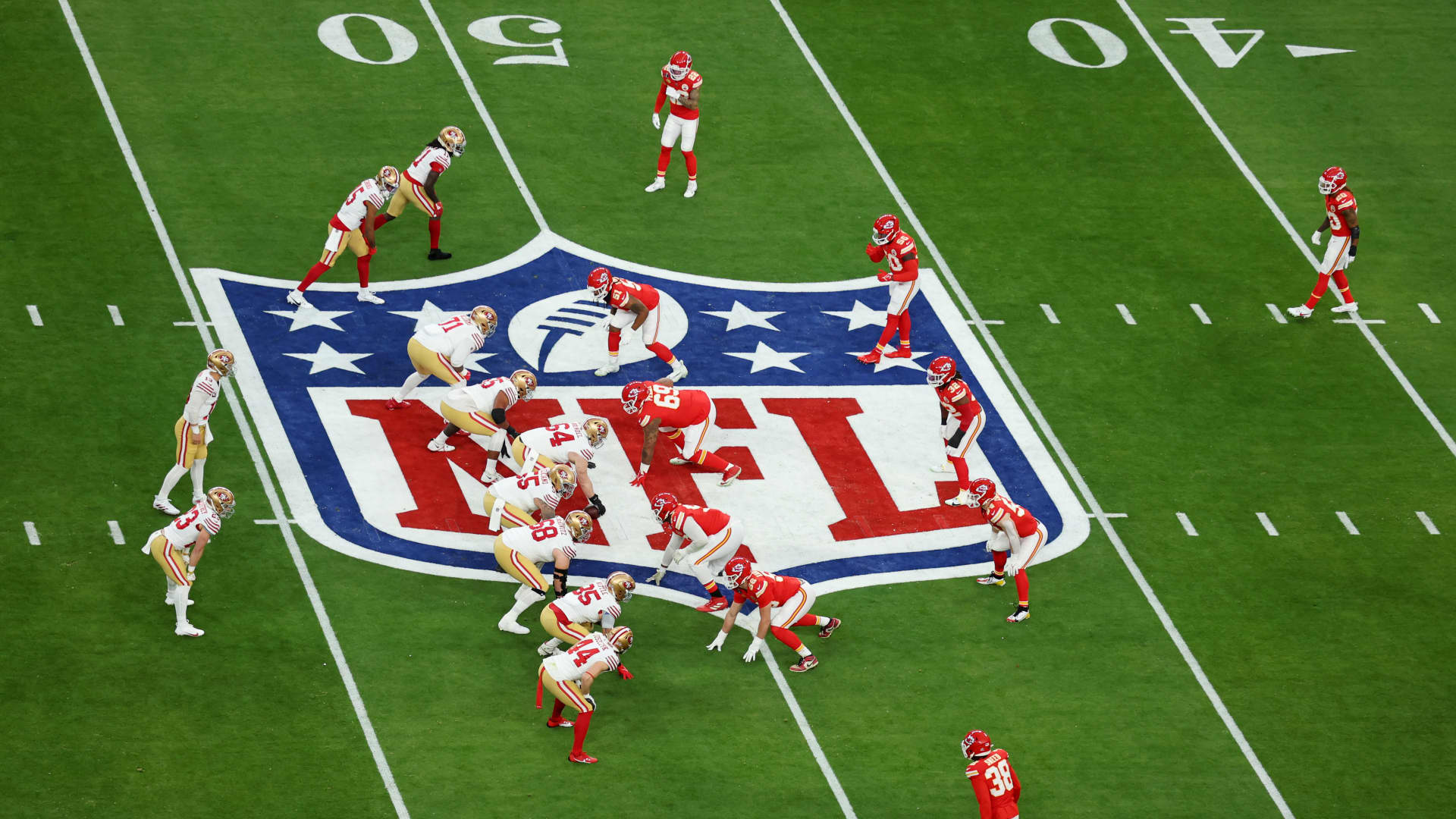
- Market Regulation: The NFL has sent a letter to prediction market operators requesting the removal of what it deems 'objectionable bets' from their platforms to safeguard the integrity of the games and the interests of participants.
- Manipulability Concerns: The letter outlines examples of event contracts that could be easily manipulated by a single individual, such as whether a kicker will miss a field goal, highlighting the NFL's vigilance regarding these types of wagers.
- Market Participant Dynamics: While the NFL remains cautious about prediction markets, platforms like Kalshi and Polymarket have rapidly emerged in this burgeoning industry, attracting interest from traditional sports betting companies like FanDuel and DraftKings.
- Regulatory Call: NFL executives have stated that the current lack of effective regulation in sports prediction markets necessitates continued engagement with the CFTC to establish essential regulatory frameworks that protect game integrity.
ROBINHOOD RISES 0.1%, SOFI INCREASES 0.3%

- Market Performance: Robinhood's stock has seen a slight increase of 0.1%, while SoFi's stock has risen by 0.3%.
- Investment Trends: The performance of these stocks reflects ongoing trends in the fintech sector, indicating investor interest.
- Market Sentiment: The modest gains suggest a cautious optimism among investors in the current market environment.
- Future Outlook: Analysts are watching these companies closely for potential growth opportunities and market developments.

ROBINHOOD AND SOFI STOCKS DIP SLIGHTLY FOLLOWING REUTERS REPORT ON E*TRADE DISCUSSING LEAD ROLE IN SPACEX IPO SHARE SALE TO RETAIL INVESTORS
Market Activity: Shares of Robinhood have seen a slight increase following reports that rival E*TRADE is in discussions to acquire SpaceX shares for retail investors.
Investment Trends: The potential acquisition highlights ongoing interest in space-related investments among retail investors, reflecting a growing trend in the market.

EXCLUSIVE - SOURCES REVEAL SPACEX MAY DROP ROBINHOOD AND SOFI FROM IPO AS BROKERAGES BARGAIN FOR A SHARE

SpaceX Considerations: SpaceX is reportedly contemplating cutting ties with Robinhood, a brokerage firm, as it seeks to negotiate for a piece of the market.
Negotiation Insights: Sources indicate that SpaceX is actively engaging in negotiations, highlighting the company's strategic moves in the financial landscape.

E*TRADE Poised to Manage SpaceX IPO Sales for Retail Investors, Sources Indicate
E*TRADE's Role: E*TRADE is reportedly leading efforts to facilitate SpaceX sales for small retail investors.
Market Impact: This initiative aims to provide more opportunities for smaller investors to engage with SpaceX's offerings.
Morgan Stanley Leads SpaceX IPO Talks for Retail Investors
- IPO Leadership Contest: Morgan Stanley's E*Trade is in discussions with SpaceX to take the lead role for smaller U.S. investors in its IPO, showcasing its strong influence in the retail investment market.
- Competitor Dynamics: Although Robinhood and SoFi are also vying for a small retail role, SpaceX is considering excluding them, indicating Morgan Stanley's advantageous position in this deal.
- Joint Sales Negotiations: Robinhood and SoFi remain in talks with SpaceX to potentially handle some sales, reflecting ongoing interest in small investor participation in the IPO.
- Fidelity's Involvement: Mutual fund Fidelity is also exploring whether it can distribute some SpaceX shares on its trading platform, further enhancing opportunities for small investors in the IPO.
NFL Requests Ban on Manipulable Betting Contracts
- Market Regulation: The NFL has sent a letter to prediction market operators requesting the removal of what it deems 'objectionable bets' from their platforms to safeguard the integrity of the games and the interests of participants.
- Manipulability Concerns: The letter outlines examples of event contracts that could be easily manipulated by a single individual, such as whether a kicker will miss a field goal, highlighting the NFL's vigilance regarding these types of wagers.
- Market Participant Dynamics: While the NFL remains cautious about prediction markets, platforms like Kalshi and Polymarket have rapidly emerged in this burgeoning industry, attracting interest from traditional sports betting companies like FanDuel and DraftKings.
- Regulatory Call: NFL executives have stated that the current lack of effective regulation in sports prediction markets necessitates continued engagement with the CFTC to establish essential regulatory frameworks that protect game integrity.
ROBINHOOD RISES 0.1%, SOFI INCREASES 0.3%
- Market Performance: Robinhood's stock has seen a slight increase of 0.1%, while SoFi's stock has risen by 0.3%.
- Investment Trends: The performance of these stocks reflects ongoing trends in the fintech sector, indicating investor interest.
- Market Sentiment: The modest gains suggest a cautious optimism among investors in the current market environment.
- Future Outlook: Analysts are watching these companies closely for potential growth opportunities and market developments.
ROBINHOOD AND SOFI STOCKS DIP SLIGHTLY FOLLOWING REUTERS REPORT ON E*TRADE DISCUSSING LEAD ROLE IN SPACEX IPO SHARE SALE TO RETAIL INVESTORS
Market Activity: Shares of Robinhood have seen a slight increase following reports that rival E*TRADE is in discussions to acquire SpaceX shares for retail investors.
Investment Trends: The potential acquisition highlights ongoing interest in space-related investments among retail investors, reflecting a growing trend in the market.
EXCLUSIVE - SOURCES REVEAL SPACEX MAY DROP ROBINHOOD AND SOFI FROM IPO AS BROKERAGES BARGAIN FOR A SHARE
SpaceX Considerations: SpaceX is reportedly contemplating cutting ties with Robinhood, a brokerage firm, as it seeks to negotiate for a piece of the market.
Negotiation Insights: Sources indicate that SpaceX is actively engaging in negotiations, highlighting the company's strategic moves in the financial landscape.
E*TRADE Poised to Manage SpaceX IPO Sales for Retail Investors, Sources Indicate
E*TRADE's Role: E*TRADE is reportedly leading efforts to facilitate SpaceX sales for small retail investors.
Market Impact: This initiative aims to provide more opportunities for smaller investors to engage with SpaceX's offerings.