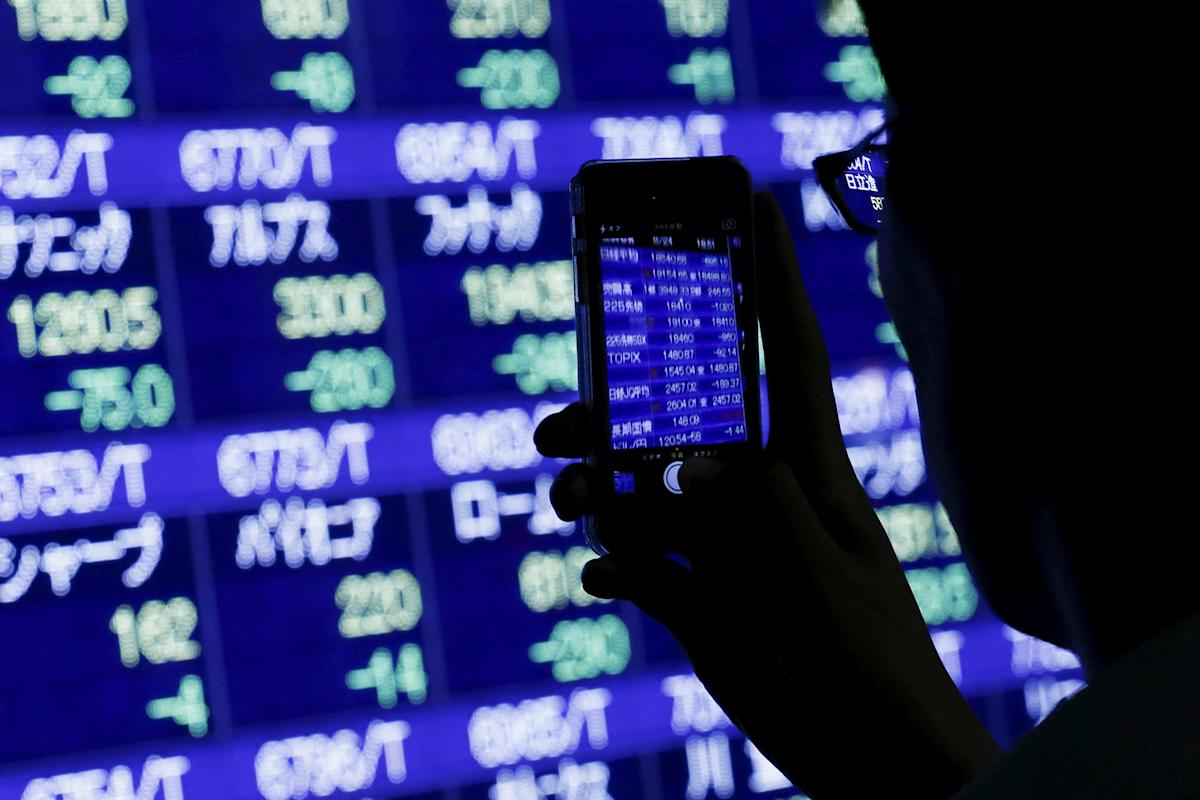
Robinhood Expands Event Contracts Platform to Compete
Written by Emily J. Thompson, Senior Investment Analyst
Updated: 7 hours ago
0mins
Should l Buy HOOD?
Source: NASDAQ.COM
- User Growth Potential: As of the latest quarter, Robinhood boasts 27.4 million funded customers and 4.3 million Gold subscribers, positioning it strongly against competitors like Kalshi and Polymarket, especially as the prediction market grows.
- Event Contract Innovation: Through its subsidiary Robinhood Derivatives, the company offers event contracts that allow users to bet on yes/no outcomes for future events, with contract prices reflecting the probabilities, potentially attracting more users and increasing trading volumes.
- Market Expansion Strategy: Robinhood plans to expand its event contracts platform to cover various sectors including sports, politics, and economic data, which could not only draw larger deposits but also enhance trading spreads and fees, thereby boosting overall revenue.
- Regulatory Risk Consideration: While Robinhood has significant growth potential in the prediction market, tighter regulations could pose challenges to its ambitious plans, potentially impacting its growth prospects in this emerging sector.
Trade with 70% Backtested Accuracy
Stop guessing "Should I Buy HOOD?" and start using high-conviction signals backed by rigorous historical data.
Sign up today to access powerful investing tools and make smarter, data-driven decisions.
Analyst Views on HOOD
Wall Street analysts forecast HOOD stock price to rise
20 Analyst Rating
16 Buy
4 Hold
0 Sell
Strong Buy
Current: 76.280

Low
130.00
Averages
156.24
High
181.00
Current: 76.280
Low
130.00
Averages
156.24
High
181.00
About HOOD
Robinhood Markets, Inc. is creating a financial services platform for everyone, regardless of their wealth, income, or background. It uses technology to provide access to the financial system. Its offerings include Brokerage, Robinhood Crypto, Custody, Robinhood Wallet, Robinhood Gold, and Robinhood Gold Card. Its Brokerage services include investing, options trading, fractional trading, recurring investment, access to investing on margin, fully paid securities lending, cash sweep, instant withdrawals, Robinhood retirement, 24-hour market, joint investing accounts, and event contracts. It also offers a variety of ways for its customers to grow their financial knowledge, including Robinhood Learn, In-App Education, Newsfeeds, Sherwood Snacks, and Crypto Learn and Earn. Its self-clearing system, order routing system, data platform, and other back-end infrastructure deliver the capabilities that allow its customers to focus on investing, saving and spending.
About the author

Emily J. Thompson
Emily J. Thompson, a Chartered Financial Analyst (CFA) with 12 years in investment research, graduated with honors from the Wharton School. Specializing in industrial and technology stocks, she provides in-depth analysis for Intellectia’s earnings and market brief reports.

Crypto Platforms Drive Surge in AI Company Trading

- Surge in Trading Activity: The combined trading activity of crypto platforms Ventuals and PreStocks has more than tripled since the beginning of the year, indicating that retail demand for AI companies is shifting beyond traditional stock markets into a more speculative crypto environment.
- Anthropic Valuation Soars: Anthropic's implied valuation across Ventuals and PreStocks has reached $1.6 trillion, double the valuation from its latest funding round, reflecting strong investor interest and market expectations.
- Diverse Trading Mechanisms: Ventuals allows speculation through perpetual futures with no expiration, while PreStocks mints tokens one-to-one to track real shares, although the legal value of these tokens remains uncertain, necessitating caution from investors.
- Significant Market Signals: As investor interest in Anthropic rises, OpenAI's market popularity declines, suggesting that crypto platforms are redefining private market price discovery, yet the boundaries of legal ownership remain unsettled.
See More

Robinhood Expands into Prediction Markets
- Crypto Revenue Decline: In Q1 2026, Robinhood's crypto transaction revenue fell by 47% year-over-year, highlighting the volatility of the crypto market's impact on short-term traders and prompting the company to seek new revenue sources to maintain profitability.
- Fintech Ecosystem Expansion: To offset revenue pressures, Robinhood is expanding its fintech ecosystem by introducing more card-based banking services, AI-powered portfolio management tools, and wealth management services, enhancing customer retention and market competitiveness.
- Event Contract Innovation: Robinhood offers 'event contracts' through its subsidiary Robinhood Derivatives, allowing users to bet on future event outcomes, which could attract more users and increase trading volumes, thereby boosting overall revenue.
- User Base Growth Potential: With 27.4 million funded customers and 4.3 million Gold subscribers as of the latest quarter, Robinhood is well-positioned to compete with Kalshi and Polymarket, and successfully expanding its prediction market business could provide a new growth engine for the company.
See More

Robinhood Expands Event Contracts Platform to Compete
- User Growth Potential: As of the latest quarter, Robinhood boasts 27.4 million funded customers and 4.3 million Gold subscribers, positioning it strongly against competitors like Kalshi and Polymarket, especially as the prediction market grows.
- Event Contract Innovation: Through its subsidiary Robinhood Derivatives, the company offers event contracts that allow users to bet on yes/no outcomes for future events, with contract prices reflecting the probabilities, potentially attracting more users and increasing trading volumes.
- Market Expansion Strategy: Robinhood plans to expand its event contracts platform to cover various sectors including sports, politics, and economic data, which could not only draw larger deposits but also enhance trading spreads and fees, thereby boosting overall revenue.
- Regulatory Risk Consideration: While Robinhood has significant growth potential in the prediction market, tighter regulations could pose challenges to its ambitious plans, potentially impacting its growth prospects in this emerging sector.
See More

Bank of America's Technological Edge and Growth Potential


- Leadership Transformation: Under CEO Brian Moynihan, Bank of America has successfully navigated the aftermath of the financial crisis by improving asset quality and enhancing its deposit base, which has attracted investors like Warren Buffett, showcasing a strong recovery capability.
- Technological Investment: Over the past decade, Bank of America has invested more than $100 billion in building its technology capabilities, including $13 billion last year alone, demonstrating its commitment to technology as a strategic enabler that provides a significant competitive edge.
- Digital Transformation: Currently, over 70% of sales occur through digital channels, and despite a nearly 50% reduction in consumer segment headcount, the bank has experienced substantial growth in deposits and transactions, indicating that technology has enhanced operational efficiency and driven business growth.
- AI Patent Advantage: With approximately 1,400 AI patents and over 250 AI and machine learning models deployed, Bank of America holds a first-mover advantage in AI, which is expected to further enhance efficiency and solidify its market position in the coming years.
See More

Labour Party Faces Heavy Losses in Local Elections


- Election Setbacks: The Labour Party is experiencing significant losses in local elections, losing key seats and facing pressure from right-wing parties like Reform UK, indicating a decline in voter confidence that could lead to leadership challenges.
- Rising Borrowing Costs: U.K. borrowing costs have reached their highest level since 1998 ahead of the elections, intensifying market pressures on political challenges and potentially impacting future economic policies and investment confidence.
- Calls for Leadership Change: There are growing calls within the Labour Party for a leadership change, with former Shadow Chancellor John McDonnell stating that leadership transition must be on the agenda, reflecting internal dissatisfaction and concerns about the party's future direction.
- International Tensions: The U.S. and Iran have exchanged fire in the Strait of Hormuz, with both sides blaming each other, which could complicate the upcoming meeting between Trump and Xi, further exacerbating global market uncertainties.
See More
Coinbase Reports Q1 Loss Amid Falling Crypto Volumes


- Earnings Miss: Coinbase reported a Q1 loss of $1.49 per share, significantly below analyst expectations of a $0.27 profit, indicating a severe impact from the weak cryptocurrency market on the company's performance.
- Revenue Decline: The Q1 revenue of $1.41 billion fell short of the $1.52 billion forecast, primarily due to declining Bitcoin and other cryptocurrency prices, which led to reduced trading volumes and negatively affected overall revenue.
- Insufficient Trading Revenue: Coinbase's transaction revenue totaled $755.8 million, missing the $805.2 million expected by analysts, reflecting the direct impact of the sluggish crypto market on trading activities and increasing the company's reliance on trading income.
- Strong Stablecoin Business: Coinbase manages over 25% of USDC, the world's largest stablecoin, holding about $19 billion in USDC, while its Layer-2 blockchain Base processed 62% of total global on-chain stablecoin transaction volume, showcasing its robust position in the stablecoin market.
See More
Crypto Platforms Drive Surge in AI Company Trading
- Surge in Trading Activity: The combined trading activity of crypto platforms Ventuals and PreStocks has more than tripled since the beginning of the year, indicating that retail demand for AI companies is shifting beyond traditional stock markets into a more speculative crypto environment.
- Anthropic Valuation Soars: Anthropic's implied valuation across Ventuals and PreStocks has reached $1.6 trillion, double the valuation from its latest funding round, reflecting strong investor interest and market expectations.
- Diverse Trading Mechanisms: Ventuals allows speculation through perpetual futures with no expiration, while PreStocks mints tokens one-to-one to track real shares, although the legal value of these tokens remains uncertain, necessitating caution from investors.
- Significant Market Signals: As investor interest in Anthropic rises, OpenAI's market popularity declines, suggesting that crypto platforms are redefining private market price discovery, yet the boundaries of legal ownership remain unsettled.
See More
Robinhood Expands into Prediction Markets
- Crypto Revenue Decline: In Q1 2026, Robinhood's crypto transaction revenue fell by 47% year-over-year, highlighting the volatility of the crypto market's impact on short-term traders and prompting the company to seek new revenue sources to maintain profitability.
- Fintech Ecosystem Expansion: To offset revenue pressures, Robinhood is expanding its fintech ecosystem by introducing more card-based banking services, AI-powered portfolio management tools, and wealth management services, enhancing customer retention and market competitiveness.
- Event Contract Innovation: Robinhood offers 'event contracts' through its subsidiary Robinhood Derivatives, allowing users to bet on future event outcomes, which could attract more users and increase trading volumes, thereby boosting overall revenue.
- User Base Growth Potential: With 27.4 million funded customers and 4.3 million Gold subscribers as of the latest quarter, Robinhood is well-positioned to compete with Kalshi and Polymarket, and successfully expanding its prediction market business could provide a new growth engine for the company.
See More
Robinhood Expands Event Contracts Platform to Compete
- User Growth Potential: As of the latest quarter, Robinhood boasts 27.4 million funded customers and 4.3 million Gold subscribers, positioning it strongly against competitors like Kalshi and Polymarket, especially as the prediction market grows.
- Event Contract Innovation: Through its subsidiary Robinhood Derivatives, the company offers event contracts that allow users to bet on yes/no outcomes for future events, with contract prices reflecting the probabilities, potentially attracting more users and increasing trading volumes.
- Market Expansion Strategy: Robinhood plans to expand its event contracts platform to cover various sectors including sports, politics, and economic data, which could not only draw larger deposits but also enhance trading spreads and fees, thereby boosting overall revenue.
- Regulatory Risk Consideration: While Robinhood has significant growth potential in the prediction market, tighter regulations could pose challenges to its ambitious plans, potentially impacting its growth prospects in this emerging sector.
See More
Bank of America's Technological Edge and Growth Potential
- Leadership Transformation: Under CEO Brian Moynihan, Bank of America has successfully navigated the aftermath of the financial crisis by improving asset quality and enhancing its deposit base, which has attracted investors like Warren Buffett, showcasing a strong recovery capability.
- Technological Investment: Over the past decade, Bank of America has invested more than $100 billion in building its technology capabilities, including $13 billion last year alone, demonstrating its commitment to technology as a strategic enabler that provides a significant competitive edge.
- Digital Transformation: Currently, over 70% of sales occur through digital channels, and despite a nearly 50% reduction in consumer segment headcount, the bank has experienced substantial growth in deposits and transactions, indicating that technology has enhanced operational efficiency and driven business growth.
- AI Patent Advantage: With approximately 1,400 AI patents and over 250 AI and machine learning models deployed, Bank of America holds a first-mover advantage in AI, which is expected to further enhance efficiency and solidify its market position in the coming years.
See More
Labour Party Faces Heavy Losses in Local Elections
- Election Setbacks: The Labour Party is experiencing significant losses in local elections, losing key seats and facing pressure from right-wing parties like Reform UK, indicating a decline in voter confidence that could lead to leadership challenges.
- Rising Borrowing Costs: U.K. borrowing costs have reached their highest level since 1998 ahead of the elections, intensifying market pressures on political challenges and potentially impacting future economic policies and investment confidence.
- Calls for Leadership Change: There are growing calls within the Labour Party for a leadership change, with former Shadow Chancellor John McDonnell stating that leadership transition must be on the agenda, reflecting internal dissatisfaction and concerns about the party's future direction.
- International Tensions: The U.S. and Iran have exchanged fire in the Strait of Hormuz, with both sides blaming each other, which could complicate the upcoming meeting between Trump and Xi, further exacerbating global market uncertainties.
See More
Coinbase Reports Q1 Loss Amid Falling Crypto Volumes
- Earnings Miss: Coinbase reported a Q1 loss of $1.49 per share, significantly below analyst expectations of a $0.27 profit, indicating a severe impact from the weak cryptocurrency market on the company's performance.
- Revenue Decline: The Q1 revenue of $1.41 billion fell short of the $1.52 billion forecast, primarily due to declining Bitcoin and other cryptocurrency prices, which led to reduced trading volumes and negatively affected overall revenue.
- Insufficient Trading Revenue: Coinbase's transaction revenue totaled $755.8 million, missing the $805.2 million expected by analysts, reflecting the direct impact of the sluggish crypto market on trading activities and increasing the company's reliance on trading income.
- Strong Stablecoin Business: Coinbase manages over 25% of USDC, the world's largest stablecoin, holding about $19 billion in USDC, while its Layer-2 blockchain Base processed 62% of total global on-chain stablecoin transaction volume, showcasing its robust position in the stablecoin market.
See More