Rivian's R2 Electric Vehicle Launch Signals Positive Outlook
Written by Emily J. Thompson, Senior Investment Analyst
Updated: 1 hour ago
0mins
Should l Buy RIVN?
Source: Fool
- R2 Fleet Launch: Rivian is set to deliver its R2 electric vehicle fleet in Q2 2026, starting at $45,000, which is a significant reduction from the $75,000-plus price of its other models, transitioning the brand from luxury to mass market and testing consumer appetite for electric SUVs.
- Significant Delivery Increase: In 2025, Rivian delivered 42,247 vehicles, with projections for 2026 deliveries to reach between 62,000 and 67,000, indicating that the R2 fleet is expected to drive substantial sales growth despite a general slowdown in electric vehicle sales.
- Strengthened Financial Position with Volkswagen: Rivian's partnership with Volkswagen has bolstered its financials, achieving $576 million in gross profit from software and services in 2025, leading to an overall gross profit of $144 million, although the automotive segment still reported a loss of $432 million, significantly down from a $1.2 billion loss in 2024.
- Market Volatility and Execution Risks: As of February 13, Rivian's stock has dropped over 10% year-to-date and remains volatile with a beta of 1.77; despite execution risks due to supply chain issues, CEO Scaringe noted that the company has learned to navigate these challenges, and if the R2 fleet meets expectations, clearer paths lie ahead for Rivian.
Trade with 70% Backtested Accuracy
Stop guessing "Should I Buy RIVN?" and start using high-conviction signals backed by rigorous historical data.
Sign up today to access powerful investing tools and make smarter, data-driven decisions.
Analyst Views on RIVN
Wall Street analysts forecast RIVN stock price to rise
18 Analyst Rating
8 Buy
7 Hold
3 Sell
Moderate Buy
Current: 14.000

Low
10.00
Averages
17.78
High
25.00
Current: 14.000
Low
10.00
Averages
17.78
High
25.00
About RIVN
Rivian Automotive, Inc. is an automotive manufacturer, which is engaged in developing and building category-defining electric vehicles (EVs) and accessories, as well as software and services that address the entire lifecycle of the vehicle. The Company’s R1 platform consists of two vehicles: the R1T, a two-row five-passenger pickup truck, and the R1S, a three-row seven-passenger sport utility vehicle (SUV). In the commercial market, the Company offers a Rivian Commercial Vehicle (RCV) platform. The vehicle on this platform is the Electric Delivery Van (EDV), designed and engineered by Rivian in collaboration with Amazon. The Company also offers FleetOS, its proprietary, end-to-end centralized fleet management subscription platform. It also offers a variety of services, including vehicle repair and maintenance, financing, insurance, software subscriptions and FleetOS solutions. Its value-added services include vehicle electrical architecture and software development services, and more.
About the author

Emily J. Thompson
Emily J. Thompson, a Chartered Financial Analyst (CFA) with 12 years in investment research, graduated with honors from the Wharton School. Specializing in industrial and technology stocks, she provides in-depth analysis for Intellectia’s earnings and market brief reports.
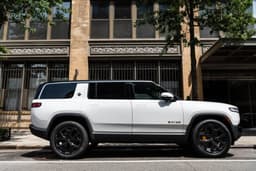
Rivian's R2 Electric Vehicle Launch Signals Positive Outlook

- R2 Fleet Launch: Rivian is set to deliver its R2 electric vehicle fleet in Q2 2026, starting at $45,000, which is a significant reduction from the $75,000-plus price of its other models, transitioning the brand from luxury to mass market and testing consumer appetite for electric SUVs.
- Significant Delivery Increase: In 2025, Rivian delivered 42,247 vehicles, with projections for 2026 deliveries to reach between 62,000 and 67,000, indicating that the R2 fleet is expected to drive substantial sales growth despite a general slowdown in electric vehicle sales.
- Strengthened Financial Position with Volkswagen: Rivian's partnership with Volkswagen has bolstered its financials, achieving $576 million in gross profit from software and services in 2025, leading to an overall gross profit of $144 million, although the automotive segment still reported a loss of $432 million, significantly down from a $1.2 billion loss in 2024.
- Market Volatility and Execution Risks: As of February 13, Rivian's stock has dropped over 10% year-to-date and remains volatile with a beta of 1.77; despite execution risks due to supply chain issues, CEO Scaringe noted that the company has learned to navigate these challenges, and if the R2 fleet meets expectations, clearer paths lie ahead for Rivian.
See More
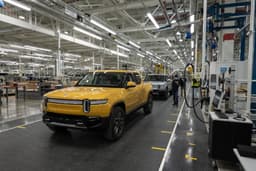
Rivian Stock Pullback Amid Cautious Market Sentiment
- Stock Pullback: Rivian (RIVN) shares slipped over 1% in overnight trading on Monday after a nearly 30% surge to $17.73 on Friday, as investors locked in profits and reassessed concerns regarding 2026 guidance and delayed international plans for the R2 SUV, indicating market uncertainty about future performance.
- Cautious Analyst Ratings: While some Wall Street analysts raised price targets following Rivian's Q4 report, most maintained cautious ratings; Mizuho increased its target from $10 to $11, implying a 38% downside risk, reflecting concerns over broader challenges in the EV market.
- R2 SUV Launch Pressure: Rivian expects to deliver between 62,000 and 67,000 vehicles in 2026, with the R2 accounting for most of the growth, but management indicated that the complexity of the R2 launch will pressure automotive gross profit in the first half of the year, highlighting short-term profitability challenges.
- Optimistic Market Sentiment: Despite challenges, retail investor sentiment on Stocktwits remains 'extremely bullish,' with many users expressing confidence in Rivian's potential success, indicating strong support for American manufacturing and innovation in the market.
See More
Analysis of Current Electric Vehicle Market Trends

- Sales Growth: Global EV sales surged 21% in 2025, with a notable 33% increase in Europe, indicating strong demand that could enhance market share for related companies.
- China's Market Dominance: EV sales in China grew by 19%, with Tesla holding a 4.4% market share, surpassing Nio, which highlights increasing competitive pressure on Nio in a rapidly consolidating market.
- Challenges for Nio: Nio reported a 15% year-over-year increase in vehicle sales in the latest quarter, yet its net losses reached $488.9 million, indicating a precarious position amid market consolidation and a lack of profitability.
- Rivian's Market Opportunity: Rivian ranks sixth in the U.S. market, achieving an 8% revenue growth in 2025, and while still unprofitable, it is approaching profitability faster than Nio, suggesting a stronger competitive position.
See More

Ten Large-Cap Stocks Shine Last Week


- Magna International Surge: Magna International (NYSE:MGA) shares rose 26.81% this week after reporting better-than-expected fourth-quarter results and issuing FY26 adjusted EPS guidance above estimates, indicating strong profitability and market confidence.
- Generac Holdings Jump: Generac Holdings (NYSE:GNRC) saw a 22.25% increase this week, driven by robust fourth-quarter financial results, while Barclays analyst Christine Cho maintained an Equal-Weight rating and raised the price target from $186 to $213, reflecting optimism about future growth.
- BorgWarner's Strong Performance: BorgWarner (NYSE:BWA) shares gained 20.15% this week after reporting better-than-expected fourth-quarter results and announcing a master supply agreement with TurboCell, further solidifying its position in the automotive parts market.
- Smurfit WestRock's Recovery: Smurfit WestRock (NYSE:SW) experienced a 16.81% rise this week after releasing fourth-quarter results, with multiple analysts raising their price forecasts, demonstrating market confidence in its future performance.
See More

Lucid Group's Strategic Outlook for the Next Decade


- New Model Launch Plans: Lucid Group plans to release several new models in the coming years, particularly an electric SUV priced under $50,000, with production expected to start in late 2026 at its newly upgraded factory in Saudi Arabia, aiming to attract a broader consumer base and increase market share.
- Market Competition Pressure: Currently, Lucid's models are priced over $100,000, making them unaffordable for most consumers, while Tesla's Model 3 and Model Y account for 90% of its sales, indicating that Lucid must quickly adjust its strategy to remain competitive in the market.
- Strategic Shift Direction: Lucid's management has indicated a long-term goal of shifting sales focus from hardware to software, planning to supply advanced driving software to other EV manufacturers; however, the current financial constraints raise concerns about the feasibility of this transition, which is seen as crucial for long-term growth.
- Investor Focus: As Lucid gradually implements its strategic shift, investors should closely monitor its investments and developments in the software sector, particularly under the competitive pressure from rivals like Tesla, as the success of this pivot will directly impact its future market performance.
See More
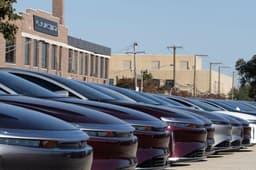
Lucid Plans to Introduce Cheaper Models
- New Model Strategy: Lucid plans to introduce several new models over the next few years, including an SUV with a starting price under $50,000, aimed at attracting a broader consumer base to address its current high pricing issues and enhance market competitiveness.
- Production Timeline: Although Lucid has committed to starting production of the new models by late 2026, given the company's history of missing production milestones, this timeline may extend to 2027, reflecting its tight financial situation.
- Software and AI Development: Lucid's long-term strategy will shift focus towards software and artificial intelligence, aiming to gradually reduce hardware sales, emulating Tesla's successful model, and striving for a business transformation that enhances overall company value over the next decade.
- Market Competition Pressure: With Tesla's Model 3 and Model Y accounting for over 90% of sales, Lucid must accelerate the launch of more competitive models to ensure survival and growth in the EV market, especially in the face of challenges from competitors like Rivian.
See More
Rivian's R2 Electric Vehicle Launch Signals Positive Outlook
- R2 Fleet Launch: Rivian is set to deliver its R2 electric vehicle fleet in Q2 2026, starting at $45,000, which is a significant reduction from the $75,000-plus price of its other models, transitioning the brand from luxury to mass market and testing consumer appetite for electric SUVs.
- Significant Delivery Increase: In 2025, Rivian delivered 42,247 vehicles, with projections for 2026 deliveries to reach between 62,000 and 67,000, indicating that the R2 fleet is expected to drive substantial sales growth despite a general slowdown in electric vehicle sales.
- Strengthened Financial Position with Volkswagen: Rivian's partnership with Volkswagen has bolstered its financials, achieving $576 million in gross profit from software and services in 2025, leading to an overall gross profit of $144 million, although the automotive segment still reported a loss of $432 million, significantly down from a $1.2 billion loss in 2024.
- Market Volatility and Execution Risks: As of February 13, Rivian's stock has dropped over 10% year-to-date and remains volatile with a beta of 1.77; despite execution risks due to supply chain issues, CEO Scaringe noted that the company has learned to navigate these challenges, and if the R2 fleet meets expectations, clearer paths lie ahead for Rivian.
See More
Rivian Stock Pullback Amid Cautious Market Sentiment
- Stock Pullback: Rivian (RIVN) shares slipped over 1% in overnight trading on Monday after a nearly 30% surge to $17.73 on Friday, as investors locked in profits and reassessed concerns regarding 2026 guidance and delayed international plans for the R2 SUV, indicating market uncertainty about future performance.
- Cautious Analyst Ratings: While some Wall Street analysts raised price targets following Rivian's Q4 report, most maintained cautious ratings; Mizuho increased its target from $10 to $11, implying a 38% downside risk, reflecting concerns over broader challenges in the EV market.
- R2 SUV Launch Pressure: Rivian expects to deliver between 62,000 and 67,000 vehicles in 2026, with the R2 accounting for most of the growth, but management indicated that the complexity of the R2 launch will pressure automotive gross profit in the first half of the year, highlighting short-term profitability challenges.
- Optimistic Market Sentiment: Despite challenges, retail investor sentiment on Stocktwits remains 'extremely bullish,' with many users expressing confidence in Rivian's potential success, indicating strong support for American manufacturing and innovation in the market.
See More
Analysis of Current Electric Vehicle Market Trends
- Sales Growth: Global EV sales surged 21% in 2025, with a notable 33% increase in Europe, indicating strong demand that could enhance market share for related companies.
- China's Market Dominance: EV sales in China grew by 19%, with Tesla holding a 4.4% market share, surpassing Nio, which highlights increasing competitive pressure on Nio in a rapidly consolidating market.
- Challenges for Nio: Nio reported a 15% year-over-year increase in vehicle sales in the latest quarter, yet its net losses reached $488.9 million, indicating a precarious position amid market consolidation and a lack of profitability.
- Rivian's Market Opportunity: Rivian ranks sixth in the U.S. market, achieving an 8% revenue growth in 2025, and while still unprofitable, it is approaching profitability faster than Nio, suggesting a stronger competitive position.
See More
Ten Large-Cap Stocks Shine Last Week
- Magna International Surge: Magna International (NYSE:MGA) shares rose 26.81% this week after reporting better-than-expected fourth-quarter results and issuing FY26 adjusted EPS guidance above estimates, indicating strong profitability and market confidence.
- Generac Holdings Jump: Generac Holdings (NYSE:GNRC) saw a 22.25% increase this week, driven by robust fourth-quarter financial results, while Barclays analyst Christine Cho maintained an Equal-Weight rating and raised the price target from $186 to $213, reflecting optimism about future growth.
- BorgWarner's Strong Performance: BorgWarner (NYSE:BWA) shares gained 20.15% this week after reporting better-than-expected fourth-quarter results and announcing a master supply agreement with TurboCell, further solidifying its position in the automotive parts market.
- Smurfit WestRock's Recovery: Smurfit WestRock (NYSE:SW) experienced a 16.81% rise this week after releasing fourth-quarter results, with multiple analysts raising their price forecasts, demonstrating market confidence in its future performance.
See More
Lucid Group's Strategic Outlook for the Next Decade
- New Model Launch Plans: Lucid Group plans to release several new models in the coming years, particularly an electric SUV priced under $50,000, with production expected to start in late 2026 at its newly upgraded factory in Saudi Arabia, aiming to attract a broader consumer base and increase market share.
- Market Competition Pressure: Currently, Lucid's models are priced over $100,000, making them unaffordable for most consumers, while Tesla's Model 3 and Model Y account for 90% of its sales, indicating that Lucid must quickly adjust its strategy to remain competitive in the market.
- Strategic Shift Direction: Lucid's management has indicated a long-term goal of shifting sales focus from hardware to software, planning to supply advanced driving software to other EV manufacturers; however, the current financial constraints raise concerns about the feasibility of this transition, which is seen as crucial for long-term growth.
- Investor Focus: As Lucid gradually implements its strategic shift, investors should closely monitor its investments and developments in the software sector, particularly under the competitive pressure from rivals like Tesla, as the success of this pivot will directly impact its future market performance.
See More
Lucid Plans to Introduce Cheaper Models
- New Model Strategy: Lucid plans to introduce several new models over the next few years, including an SUV with a starting price under $50,000, aimed at attracting a broader consumer base to address its current high pricing issues and enhance market competitiveness.
- Production Timeline: Although Lucid has committed to starting production of the new models by late 2026, given the company's history of missing production milestones, this timeline may extend to 2027, reflecting its tight financial situation.
- Software and AI Development: Lucid's long-term strategy will shift focus towards software and artificial intelligence, aiming to gradually reduce hardware sales, emulating Tesla's successful model, and striving for a business transformation that enhances overall company value over the next decade.
- Market Competition Pressure: With Tesla's Model 3 and Model Y accounting for over 90% of sales, Lucid must accelerate the launch of more competitive models to ensure survival and growth in the EV market, especially in the face of challenges from competitors like Rivian.
See More