Rivian's Future Outlook in the EV Market
Written by Emily J. Thompson, Senior Investment Analyst
Updated: Feb 15 2026
0mins
Should l Buy RIVN?
Source: Fool
- Competitive Edge: Rivian plans to launch its R2 model in 2026, priced under $50,000, which is expected to enable it to compete with Tesla in the mass market, thereby opening new sales channels and increasing market share.
- Market Demand Opportunity: Surveys indicate that nearly 70% of American consumers want their next vehicle priced under $50,000, and Rivian's R2 model will meet this demand, potentially driving significant sales growth.
- AI Technology Strategy: Rivian's recent key announcements in artificial intelligence indicate that the company is positioning its AI platform at the core of its growth strategy, which is expected to enhance its competitiveness in the future EV market.
- Advancements in Autonomous Driving: With the rapid development of AI technologies, Rivian is poised to improve its self-driving capabilities over the next three years, narrowing the gap with Tesla and securing a more advantageous position in the electric vehicle industry.
Trade with 70% Backtested Accuracy
Stop guessing "Should I Buy RIVN?" and start using high-conviction signals backed by rigorous historical data.
Sign up today to access powerful investing tools and make smarter, data-driven decisions.
Analyst Views on RIVN
Wall Street analysts forecast RIVN stock price to rise
18 Analyst Rating
8 Buy
7 Hold
3 Sell
Moderate Buy
Current: 16.060

Low
10.00
Averages
17.78
High
25.00
Current: 16.060
Low
10.00
Averages
17.78
High
25.00
About RIVN
Rivian Automotive, Inc. is an automotive technology company, which is engaged in developing and manufacturing category-defining electric vehicles (EVs) as well as vertically integrated technologies and services. The Company's R1 platform consists of two vehicles: the R1T, a two-row five-passenger pickup truck, and the R1S, a three-row seven-passenger sport utility vehicle (SUV). In the commercial market, the Company offers a Rivian Commercial Vehicle (RCV) platform. The vehicle on this platform is the Electric Delivery Van (EDV), designed and engineered by Rivian in collaboration with Amazon. The Company also offers FleetOS, its proprietary, end-to-end centralized fleet management subscription platform. It also offers a variety of services, including vehicle repair and maintenance, financing, insurance, joint venture, software subscriptions, and vehicle accessories, among others. Its other services include vehicle electrical architecture and software development services, and more.
About the author

Emily J. Thompson
Emily J. Thompson, a Chartered Financial Analyst (CFA) with 12 years in investment research, graduated with honors from the Wharton School. Specializing in industrial and technology stocks, she provides in-depth analysis for Intellectia’s earnings and market brief reports.
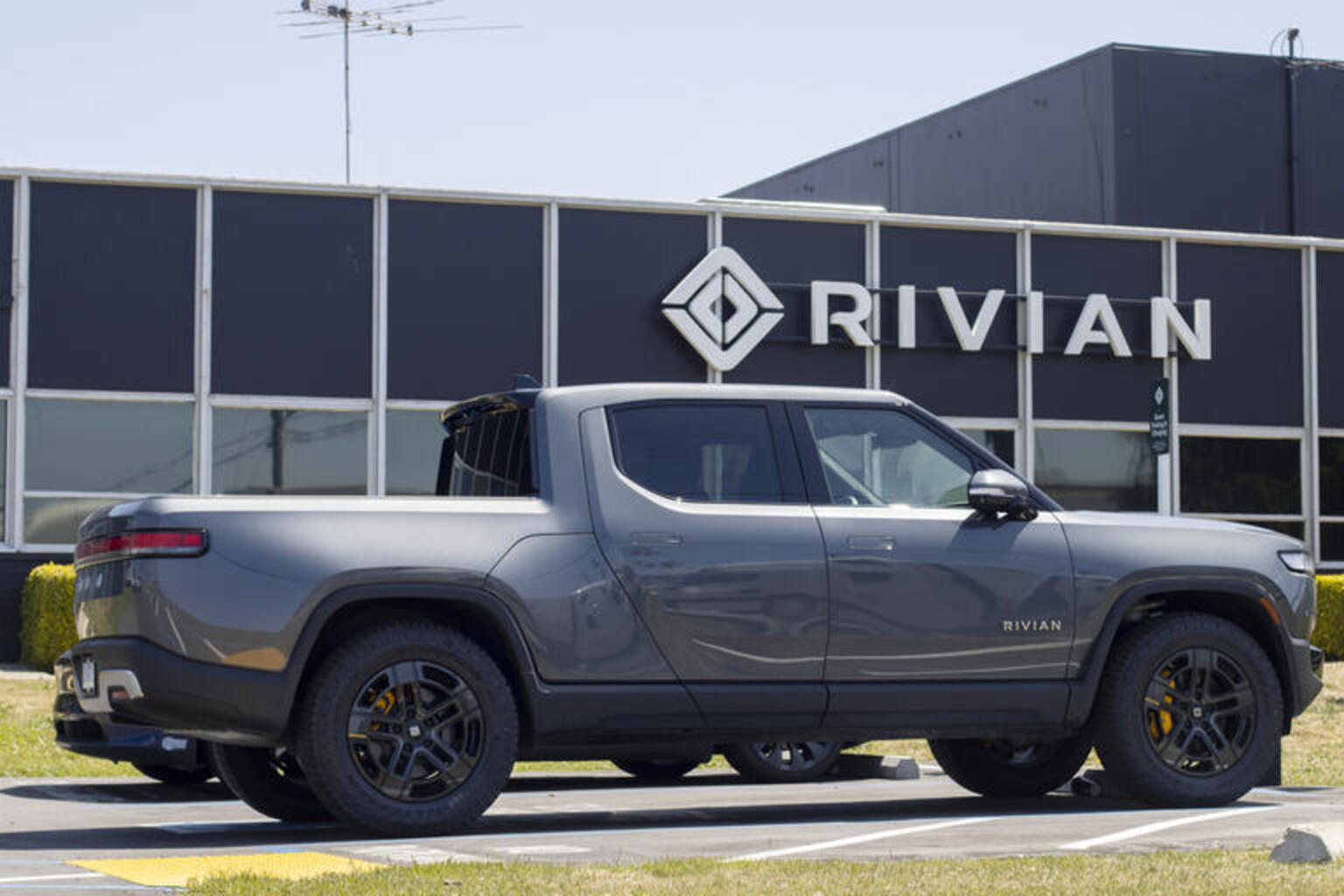
Rivian Q1 Earnings Preview: Delivery Growth and Software Revenue

- Delivery Growth: Rivian delivered 10,400 vehicles in Q1, marking a 20% increase and surpassing market expectations of 9,900 units, indicating strong performance in the EV market that is likely to drive future sales growth.
- Full-Year Delivery Outlook: The company reaffirmed its delivery target of 62,000 to 67,000 units for 2023, suggesting a steady ramp-up in production capacity that is expected to lay the groundwork for sustained growth beyond 2026.
- Strong Software Revenue: Rivian's Q4 software and services revenue more than doubled to $447 million, contributing roughly one-third of total revenue, highlighting its potential for high-margin, recurring income that could differentiate it from competitors like Tesla.
- Investor Focus: Analysts expect Q1 results to have a limited impact on Rivian's stock price, but they will serve as a positive catalyst ahead of the R2 Performance launch in June, with investors keenly watching for updates on software licensing ambitions.
See More
Rivian R2 Launch Sparks Investor Excitement
- New Model Launch: Rivian launched its new R2 model on April 24, 2026, capturing significant investor interest, which is expected to drive future sales growth and increase market share.
- Positive Stock Reaction: Following the R2 launch, Rivian's stock price rose in the afternoon, indicating strong market confidence in the new model, which could further enhance the company's market capitalization.
- Increased Market Expectations: Investor anticipation for the R2 is reflected not only in the rising stock price but may also prompt Rivian to accelerate its production plans to meet growing market demand, thereby strengthening its competitiveness in the electric vehicle sector.
- Strategic Implications: The launch of the R2 signifies Rivian's ongoing innovation in the electric vehicle space, expected to generate new revenue streams and solidify its position in the rapidly evolving electric vehicle market.
See More

FalconX-Linked Address Adds 11.94 Million USDT to HyperLiquid, Boosting Crude Oil Long Position to 202,000 CL Tokens.

Investment in HyperLiquid: A wallet associated with Falcon X has deposited 11.94 million USDC into HyperLiquid, increasing its CL20x long position to 202,000 CL, valued at $21.6 million.
Brent Oil Position: The wallet also holds a small long position in Brent Oil with 20x leverage, alongside 10x short positions in HIMs and RIVN.
See More
Intensifying EV Market Competition: Analyzing BYD and Rivian's Prospects


- Intensified Market Competition: Although BYD became the top-selling EV manufacturer last year, it lost that title in Q1 2024, facing fierce competition in its home market that led to declining sales, highlighting the challenging market environment.
- International Expansion Plans: BYD aims to shift 50% of its car sales overseas by 2030, a significant change from the current 90% domestic sales; if successful, this strategy could greatly enhance the company's revenue and profits, despite tariff risks in the U.S. market.
- Rivian's New Model Launch: Rivian is set to launch the R2 model in Q2, which is priced more competitively and could enhance brand visibility and drive sales growth, particularly in the midsize SUV segment.
- Advancements in Autonomous Driving: Rivian is accelerating its development of level 4 autonomy and has signed a deal with Uber; if successful, this could provide high-margin revenue streams and further strengthen its competitive position in the market.
See More

BYD's International Strategy and Challenges
- International Market Expansion: BYD aims to shift 50% of its car sales to international markets by 2030, a significant change from its current 90% domestic sales, which could substantially boost the company's revenue and profits if successful.
- Technological Innovation and Competition: BYD's advantages in battery technology and vertical integration have led to its success in China, but it faces fierce competition in international markets, particularly with tariff barriers in the U.S. potentially hindering its expansion plans.
- New Model Launch: Rivian plans to launch the R2 model in the second quarter, which is priced more competitively and could enhance brand visibility, potentially increasing its market share in the midsize SUV segment.
- Autonomous Driving Progress: Rivian is accelerating its goal of achieving level 4 autonomy, and through its partnership with Uber, it could tap into the lucrative autonomous taxi market, significantly enhancing its valuation if successful.
See More

Electric Vehicle Market Poised for Growth
- Market Growth Potential: According to Fortune Business Insights, the global electric vehicle market is projected to grow from approximately $892 billion in 2025 to over $2 trillion by 2032, indicating strong growth potential despite some automakers delaying EV plans.
- Autonomous Driving Opportunities: Rivian and Lucid are developing robotaxis, with the autonomous vehicle market expected to reach $41 trillion by 2034, highlighting the strategic importance of high-margin software development for both companies.
- Financial Performance Improvement: Rivian's software and services segment gross profit was $7 million in 2024, projected to rise to $576 million in 2025, demonstrating strong growth and market adaptability in the software sector.
- Partnerships and Investments: Rivian's joint venture with Volkswagen and Uber's $1.2 billion investment enhance its competitive edge in autonomous driving, while Lucid's support from the Saudi Public Investment Fund underscores both companies' strategic positioning in the market.
See More
Rivian Q1 Earnings Preview: Delivery Growth and Software Revenue
- Delivery Growth: Rivian delivered 10,400 vehicles in Q1, marking a 20% increase and surpassing market expectations of 9,900 units, indicating strong performance in the EV market that is likely to drive future sales growth.
- Full-Year Delivery Outlook: The company reaffirmed its delivery target of 62,000 to 67,000 units for 2023, suggesting a steady ramp-up in production capacity that is expected to lay the groundwork for sustained growth beyond 2026.
- Strong Software Revenue: Rivian's Q4 software and services revenue more than doubled to $447 million, contributing roughly one-third of total revenue, highlighting its potential for high-margin, recurring income that could differentiate it from competitors like Tesla.
- Investor Focus: Analysts expect Q1 results to have a limited impact on Rivian's stock price, but they will serve as a positive catalyst ahead of the R2 Performance launch in June, with investors keenly watching for updates on software licensing ambitions.
See More
Rivian R2 Launch Sparks Investor Excitement
- New Model Launch: Rivian launched its new R2 model on April 24, 2026, capturing significant investor interest, which is expected to drive future sales growth and increase market share.
- Positive Stock Reaction: Following the R2 launch, Rivian's stock price rose in the afternoon, indicating strong market confidence in the new model, which could further enhance the company's market capitalization.
- Increased Market Expectations: Investor anticipation for the R2 is reflected not only in the rising stock price but may also prompt Rivian to accelerate its production plans to meet growing market demand, thereby strengthening its competitiveness in the electric vehicle sector.
- Strategic Implications: The launch of the R2 signifies Rivian's ongoing innovation in the electric vehicle space, expected to generate new revenue streams and solidify its position in the rapidly evolving electric vehicle market.
See More
FalconX-Linked Address Adds 11.94 Million USDT to HyperLiquid, Boosting Crude Oil Long Position to 202,000 CL Tokens.
Investment in HyperLiquid: A wallet associated with Falcon X has deposited 11.94 million USDC into HyperLiquid, increasing its CL20x long position to 202,000 CL, valued at $21.6 million.
Brent Oil Position: The wallet also holds a small long position in Brent Oil with 20x leverage, alongside 10x short positions in HIMs and RIVN.
See More
Intensifying EV Market Competition: Analyzing BYD and Rivian's Prospects
- Intensified Market Competition: Although BYD became the top-selling EV manufacturer last year, it lost that title in Q1 2024, facing fierce competition in its home market that led to declining sales, highlighting the challenging market environment.
- International Expansion Plans: BYD aims to shift 50% of its car sales overseas by 2030, a significant change from the current 90% domestic sales; if successful, this strategy could greatly enhance the company's revenue and profits, despite tariff risks in the U.S. market.
- Rivian's New Model Launch: Rivian is set to launch the R2 model in Q2, which is priced more competitively and could enhance brand visibility and drive sales growth, particularly in the midsize SUV segment.
- Advancements in Autonomous Driving: Rivian is accelerating its development of level 4 autonomy and has signed a deal with Uber; if successful, this could provide high-margin revenue streams and further strengthen its competitive position in the market.
See More
BYD's International Strategy and Challenges
- International Market Expansion: BYD aims to shift 50% of its car sales to international markets by 2030, a significant change from its current 90% domestic sales, which could substantially boost the company's revenue and profits if successful.
- Technological Innovation and Competition: BYD's advantages in battery technology and vertical integration have led to its success in China, but it faces fierce competition in international markets, particularly with tariff barriers in the U.S. potentially hindering its expansion plans.
- New Model Launch: Rivian plans to launch the R2 model in the second quarter, which is priced more competitively and could enhance brand visibility, potentially increasing its market share in the midsize SUV segment.
- Autonomous Driving Progress: Rivian is accelerating its goal of achieving level 4 autonomy, and through its partnership with Uber, it could tap into the lucrative autonomous taxi market, significantly enhancing its valuation if successful.
See More
Electric Vehicle Market Poised for Growth
- Market Growth Potential: According to Fortune Business Insights, the global electric vehicle market is projected to grow from approximately $892 billion in 2025 to over $2 trillion by 2032, indicating strong growth potential despite some automakers delaying EV plans.
- Autonomous Driving Opportunities: Rivian and Lucid are developing robotaxis, with the autonomous vehicle market expected to reach $41 trillion by 2034, highlighting the strategic importance of high-margin software development for both companies.
- Financial Performance Improvement: Rivian's software and services segment gross profit was $7 million in 2024, projected to rise to $576 million in 2025, demonstrating strong growth and market adaptability in the software sector.
- Partnerships and Investments: Rivian's joint venture with Volkswagen and Uber's $1.2 billion investment enhance its competitive edge in autonomous driving, while Lucid's support from the Saudi Public Investment Fund underscores both companies' strategic positioning in the market.
See More