

Rivian Wins Right to Directly Sell Vehicles in Washington State
Written by Emily J. Thompson, Senior Investment Analyst
Updated: Mar 29 2026
0mins
Source: seekingalpha
- Direct Sales Victory: Rivian has successfully secured the right to sell electric vehicles directly to consumers in Washington state, marking a significant challenge to traditional dealership laws and potentially introducing more flexible sales models in the EV market.
- Legislative Support: Following Rivian's threat to push the issue to voters via a ballot initiative, dealer organizations dropped their opposition and supported a law allowing direct sales for Rivian and Lucid Motors, paving the way for similar legislative changes in other states.
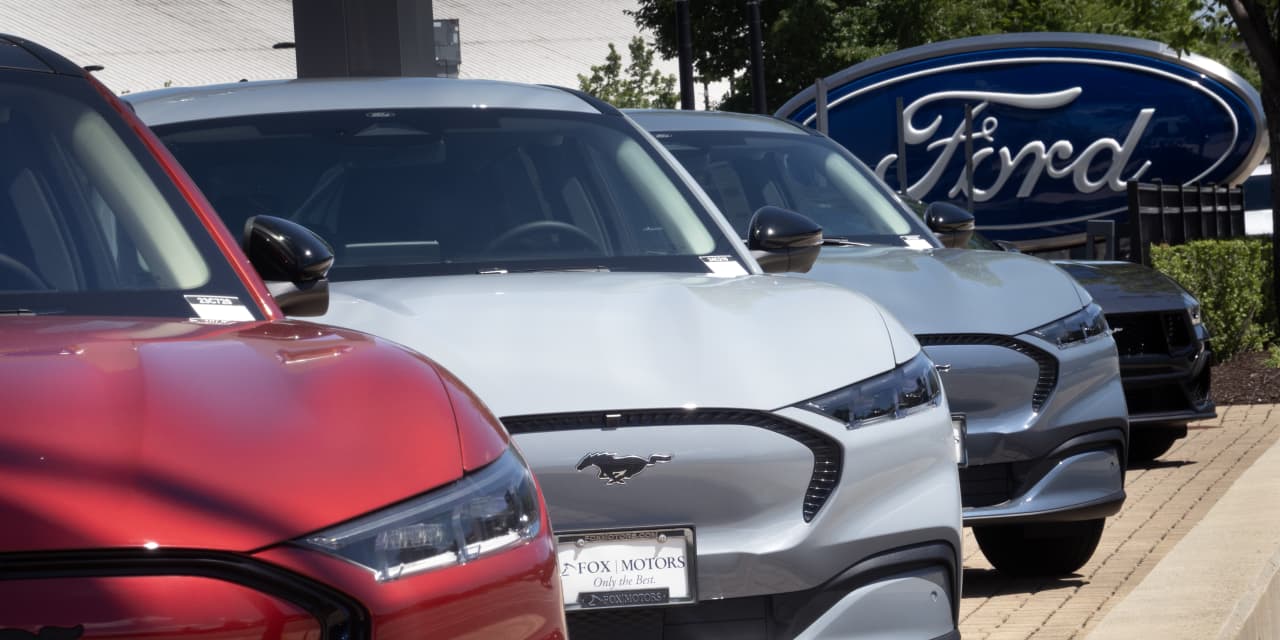
- Competitive Pressure: Traditional automakers such as General Motors, Ford, and Toyota opposed this change, warning it could give emerging EV manufacturers a competitive edge, thereby intensifying market competition and impacting the viability of traditional dealerships.
- Strategic Expansion Plans: Rivian aims to replicate this success in other states, particularly where ballot initiatives are possible, as expanding direct sales could provide a crucial advantage for launching a more affordable SUV and moving towards profitability.
Trade with 70% Backtested Accuracy
Stop guessing "Should I Buy RIVN?" and start using high-conviction signals backed by rigorous historical data.
Sign up today to access powerful investing tools and make smarter, data-driven decisions.
Analyst Views on RIVN
Wall Street analysts forecast RIVN stock price to rise
18 Analyst Rating
8 Buy
7 Hold
3 Sell
Moderate Buy
Current: 17.180

Low
10.00
Averages
17.78
High
25.00
Current: 17.180
Low
10.00
Averages
17.78
High
25.00
About RIVN
Rivian Automotive, Inc. is an automotive technology company, which is engaged in developing and manufacturing category-defining electric vehicles (EVs) as well as vertically integrated technologies and services. The Company's R1 platform consists of two vehicles: the R1T, a two-row five-passenger pickup truck, and the R1S, a three-row seven-passenger sport utility vehicle (SUV). In the commercial market, the Company offers a Rivian Commercial Vehicle (RCV) platform. The vehicle on this platform is the Electric Delivery Van (EDV), designed and engineered by Rivian in collaboration with Amazon. The Company also offers FleetOS, its proprietary, end-to-end centralized fleet management subscription platform. It also offers a variety of services, including vehicle repair and maintenance, financing, insurance, joint venture, software subscriptions, and vehicle accessories, among others. Its other services include vehicle electrical architecture and software development services, and more.
About the author

Emily J. Thompson
Emily J. Thompson, a Chartered Financial Analyst (CFA) with 12 years in investment research, graduated with honors from the Wharton School. Specializing in industrial and technology stocks, she provides in-depth analysis for Intellectia’s earnings and market brief reports.
Rivian Automotive: A Promising AI Stock Amid Valuation Opportunities

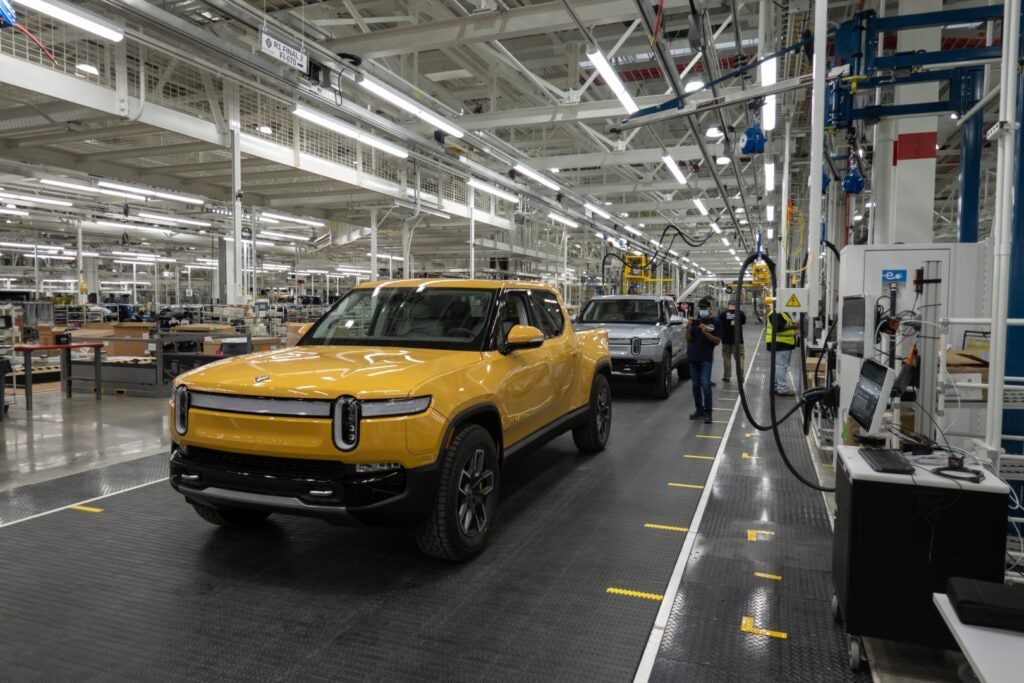
- AI Transformation Potential: Rivian Automotive is viewed as an ideal choice for AI investors in the second half of 2026, despite a 20% decline in stock value since 2026, as the market has yet to fully recognize its value as an AI stock.
- Delayed Market Reaction: At the “AI Day” in December last year, Rivian announced a strategic shift towards technology, planning to produce its own AI chips and heavily invest in self-driving software; although shares have since fallen nearly one-third, analysts expect a 31% sales growth this year.
- New Model Launch: Rivian is set to launch its first affordable R2 SUV priced under $50,000, with sales growth projected to jump to 64% next year, which will drive scaling in production and sales.
- Strategic Partnership Opportunity: Uber has signed an order with Rivian for up to $1.25 billion, planning to purchase up to 50,000 R2 SUVs, demonstrating strong confidence in Rivian's technology; while the order structure remains unclear, it lays a foundation for future revenue growth.
See More

Rivian's AI Transformation Potential
- AI Transformation Strategy: Rivian Automotive is viewed as a top AI stock for the second half of 2026, despite a 20% decline in value since 2026; the company is pivoting towards AI by planning to produce its own AI chips and emphasizing the development of autonomous driving software.
- Sales Growth Expectations: Analysts expect Rivian's sales to grow by approximately 31% this year and jump to 64% next year, primarily driven by the launch of its first affordable vehicle, the R2 SUV, indicating that production and sales growth are beginning to scale.
- Significant Order: Uber Technologies has placed an order for up to 50,000 Rivian R2s worth $1.25 billion, demonstrating strong confidence in Rivian's technology; while the accounting revenue from this order remains unclear, it signifies Rivian's potential in the robotaxi service market.
- Market Valuation: Rivian shares currently trade at just 3.4 times sales, and as its AI pivot gains traction, this valuation is expected to improve, although the Motley Fool analyst team did not include Rivian in their list of top investment stocks.
See More
Investment Comparison Between Rivian and Lucid
- Lucid's Production and Financial Challenges: Lucid achieved a 55% year-over-year production increase and a 68% revenue rise to nearly $1.4 billion in 2025, yet it still faces a GAAP net loss of $12.09 per share, ongoing capital needs, and management uncertainty that cloud its future prospects.
- Lucid's Management Turmoil: The company has seen three CEOs in just four years, with current CEO Silvio Napoli taking over in June and already cutting 18% of the workforce to save $158 million, highlighting instability in management and operations.
- Rivian's Sales and Profitability Improvements: Despite a 14% decline in vehicle production and only an 8% sales increase in 2025, Rivian achieved two quarters of gross profitability driven by its software and services segment, indicating a positive shift in its financial health.
- Rivian's New Model Launch: The new R2 model starts at approximately $58,000, with plans to introduce a more affordable $45,000 base version next year, which is expected to broaden its customer base and enhance market competitiveness.
See More
Automakers' Software Business Poised for High Margins

- Software Growth Potential: Rivian's partnership with Volkswagen is expected to yield up to $5.8 billion in investments, driving the development of a software-defined vehicle architecture that significantly enhances profitability and encourages traditional automakers to explore software opportunities.
- Profitability Boost: Rivian's total revenue reached $1.28 billion in Q1 2026, with the software and services segment growing 49% to $473 million, demonstrating the positive impact of software on overall gross profit, which totaled $181 million, surpassing competitor Lucid Group.
- GM's Strategic Shift: General Motors anticipates $3.1 billion in realized revenue from OnStar and Super Cruise in 2023, with projected gross margins nearing 70%, fundamentally altering its investment appeal in a low-margin industry and supporting future growth.
- Increased Customer Retention: GM plans to provide an eight-year basic OnStar subscription for every new vehicle starting in 2025, with early data showing that 30% of Super Cruise users renewed their subscriptions in 2025, indicating strong customer acceptance and future revenue potential.
See More
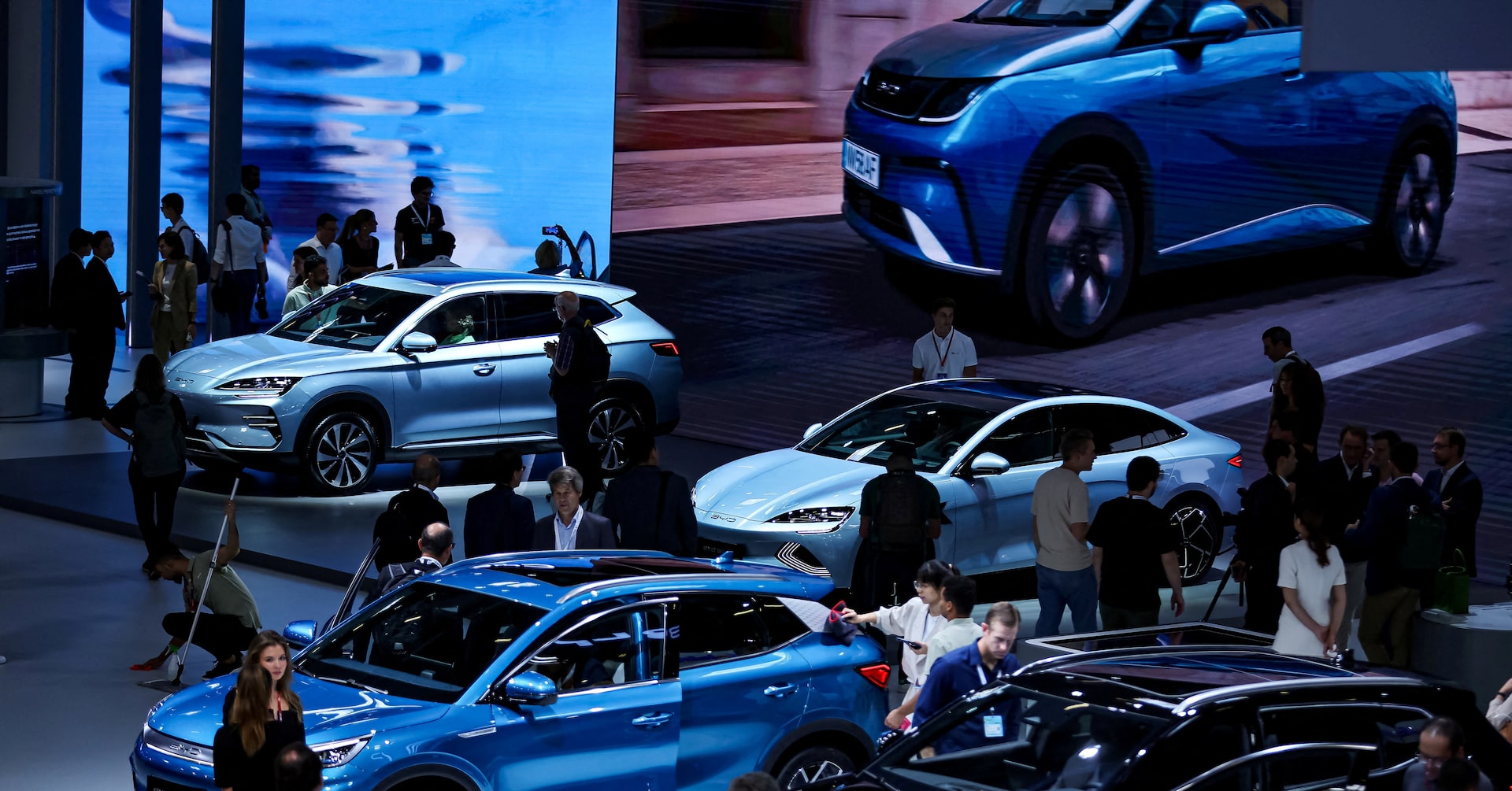
Automotive Software Innovations Boost Profitability
- Rivian and Volkswagen Partnership: Rivian's collaboration with Volkswagen to develop a software-defined vehicle architecture saw initial investments rise from $5 billion to $5.8 billion, expected to enhance Rivian's market competitiveness and profitability upon product launch by late 2024.
- Software Revenue Growth: In Q1, Rivian's software and services revenue reached $473 million, a 49% increase, while automotive revenue was $908 million, down 2% year-over-year; the software segment's gross profit of $181 million indicates significant profitability potential.
- GM's Software Strategy: General Motors anticipates $3.1 billion in realized revenue and $7.5 billion in deferred revenue from OnStar and Super Cruise in 2023, showcasing rapid growth and a potential gross margin of 70%, which could transform the investment landscape of the traditionally low-margin automotive sector.
- Increased Customer Renewal Rates: GM's Super Cruise subscription service saw a 30% renewal rate among users in 2025, indicating growing customer acceptance of software services, which is expected to generate ongoing revenue streams and enhance customer loyalty for the company.
See More
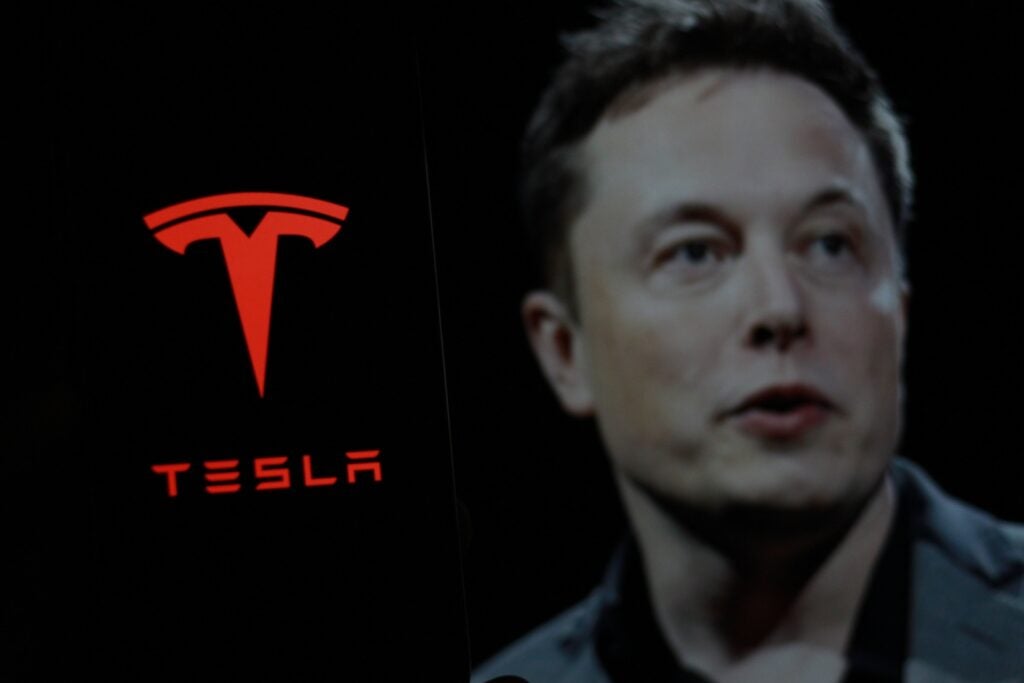
BYD Leads EV Market, Rivian Progresses

- BYD Market Leadership: In 2025, BYD sold 4.6 million battery-electric and plug-in hybrid vehicles, marking a 7.7% increase from the previous year, enhancing its competitive edge globally through vertical integration that boosts production efficiency.
- Rivian Profitability Progress: Rivian achieved its first full-year gross profit in 2025 with revenue of approximately $5.38 billion, and while still facing losses, improvements in manufacturing efficiency and the upcoming R2 SUV launch are expected to drive future growth.
- Tesla Financial Strength: Tesla generated $6.2 billion in free cash flow in 2025, with cash and short-term investments exceeding $44 billion, while maintaining production of over 1.6 million vehicles annually, showcasing significant financial flexibility and diverse growth potential.
- EV Ecosystem Focus: Tesla's strategy extends beyond vehicle sales, investing in energy storage, charging infrastructure, and autonomous driving, creating a robust ecosystem that keeps it ahead of competitors in the evolving EV landscape.
See More
Rivian Automotive: A Promising AI Stock Amid Valuation Opportunities
- AI Transformation Potential: Rivian Automotive is viewed as an ideal choice for AI investors in the second half of 2026, despite a 20% decline in stock value since 2026, as the market has yet to fully recognize its value as an AI stock.
- Delayed Market Reaction: At the “AI Day” in December last year, Rivian announced a strategic shift towards technology, planning to produce its own AI chips and heavily invest in self-driving software; although shares have since fallen nearly one-third, analysts expect a 31% sales growth this year.
- New Model Launch: Rivian is set to launch its first affordable R2 SUV priced under $50,000, with sales growth projected to jump to 64% next year, which will drive scaling in production and sales.
- Strategic Partnership Opportunity: Uber has signed an order with Rivian for up to $1.25 billion, planning to purchase up to 50,000 R2 SUVs, demonstrating strong confidence in Rivian's technology; while the order structure remains unclear, it lays a foundation for future revenue growth.
See More
Rivian's AI Transformation Potential
- AI Transformation Strategy: Rivian Automotive is viewed as a top AI stock for the second half of 2026, despite a 20% decline in value since 2026; the company is pivoting towards AI by planning to produce its own AI chips and emphasizing the development of autonomous driving software.
- Sales Growth Expectations: Analysts expect Rivian's sales to grow by approximately 31% this year and jump to 64% next year, primarily driven by the launch of its first affordable vehicle, the R2 SUV, indicating that production and sales growth are beginning to scale.
- Significant Order: Uber Technologies has placed an order for up to 50,000 Rivian R2s worth $1.25 billion, demonstrating strong confidence in Rivian's technology; while the accounting revenue from this order remains unclear, it signifies Rivian's potential in the robotaxi service market.
- Market Valuation: Rivian shares currently trade at just 3.4 times sales, and as its AI pivot gains traction, this valuation is expected to improve, although the Motley Fool analyst team did not include Rivian in their list of top investment stocks.
See More
Investment Comparison Between Rivian and Lucid
- Lucid's Production and Financial Challenges: Lucid achieved a 55% year-over-year production increase and a 68% revenue rise to nearly $1.4 billion in 2025, yet it still faces a GAAP net loss of $12.09 per share, ongoing capital needs, and management uncertainty that cloud its future prospects.
- Lucid's Management Turmoil: The company has seen three CEOs in just four years, with current CEO Silvio Napoli taking over in June and already cutting 18% of the workforce to save $158 million, highlighting instability in management and operations.
- Rivian's Sales and Profitability Improvements: Despite a 14% decline in vehicle production and only an 8% sales increase in 2025, Rivian achieved two quarters of gross profitability driven by its software and services segment, indicating a positive shift in its financial health.
- Rivian's New Model Launch: The new R2 model starts at approximately $58,000, with plans to introduce a more affordable $45,000 base version next year, which is expected to broaden its customer base and enhance market competitiveness.
See More
Automakers' Software Business Poised for High Margins
- Software Growth Potential: Rivian's partnership with Volkswagen is expected to yield up to $5.8 billion in investments, driving the development of a software-defined vehicle architecture that significantly enhances profitability and encourages traditional automakers to explore software opportunities.
- Profitability Boost: Rivian's total revenue reached $1.28 billion in Q1 2026, with the software and services segment growing 49% to $473 million, demonstrating the positive impact of software on overall gross profit, which totaled $181 million, surpassing competitor Lucid Group.
- GM's Strategic Shift: General Motors anticipates $3.1 billion in realized revenue from OnStar and Super Cruise in 2023, with projected gross margins nearing 70%, fundamentally altering its investment appeal in a low-margin industry and supporting future growth.
- Increased Customer Retention: GM plans to provide an eight-year basic OnStar subscription for every new vehicle starting in 2025, with early data showing that 30% of Super Cruise users renewed their subscriptions in 2025, indicating strong customer acceptance and future revenue potential.
See More
Automotive Software Innovations Boost Profitability
- Rivian and Volkswagen Partnership: Rivian's collaboration with Volkswagen to develop a software-defined vehicle architecture saw initial investments rise from $5 billion to $5.8 billion, expected to enhance Rivian's market competitiveness and profitability upon product launch by late 2024.
- Software Revenue Growth: In Q1, Rivian's software and services revenue reached $473 million, a 49% increase, while automotive revenue was $908 million, down 2% year-over-year; the software segment's gross profit of $181 million indicates significant profitability potential.
- GM's Software Strategy: General Motors anticipates $3.1 billion in realized revenue and $7.5 billion in deferred revenue from OnStar and Super Cruise in 2023, showcasing rapid growth and a potential gross margin of 70%, which could transform the investment landscape of the traditionally low-margin automotive sector.
- Increased Customer Renewal Rates: GM's Super Cruise subscription service saw a 30% renewal rate among users in 2025, indicating growing customer acceptance of software services, which is expected to generate ongoing revenue streams and enhance customer loyalty for the company.
See More
BYD Leads EV Market, Rivian Progresses
- BYD Market Leadership: In 2025, BYD sold 4.6 million battery-electric and plug-in hybrid vehicles, marking a 7.7% increase from the previous year, enhancing its competitive edge globally through vertical integration that boosts production efficiency.
- Rivian Profitability Progress: Rivian achieved its first full-year gross profit in 2025 with revenue of approximately $5.38 billion, and while still facing losses, improvements in manufacturing efficiency and the upcoming R2 SUV launch are expected to drive future growth.
- Tesla Financial Strength: Tesla generated $6.2 billion in free cash flow in 2025, with cash and short-term investments exceeding $44 billion, while maintaining production of over 1.6 million vehicles annually, showcasing significant financial flexibility and diverse growth potential.
- EV Ecosystem Focus: Tesla's strategy extends beyond vehicle sales, investing in energy storage, charging infrastructure, and autonomous driving, creating a robust ecosystem that keeps it ahead of competitors in the evolving EV landscape.
See More





