Rivian Secures $1 Billion Investment from Volkswagen
Written by Emily J. Thompson, Senior Investment Analyst
Updated: 1 hour ago
0mins
Should l Buy RIVN?
Source: Fool
- Capital Injection: Rivian has secured a $1 billion investment from Volkswagen as part of a larger $5.8 billion funding plan, which will support the launch of a more affordable electric truck, enhancing its market competitiveness.
- Technological Collaboration: Volkswagen's successful testing of Rivian's technology not only provides financial backing but also indicates the recognition of Rivian's technology within the industry, further advancing its supplier strategy.
- Market Positioning: Unlike Tesla, Rivian aims to be both a vehicle manufacturer and an industry supplier, which broadens its sales opportunities and enhances the returns on its technology investments through this dual strategy.
- Competitive Landscape: In an increasingly competitive electric vehicle market, Rivian's success hinges not only on financial support but also on the effective execution of its supplier strategy to ensure long-term survival and growth.
Trade with 70% Backtested Accuracy
Stop guessing "Should I Buy RIVN?" and start using high-conviction signals backed by rigorous historical data.
Sign up today to access powerful investing tools and make smarter, data-driven decisions.
Analyst Views on RIVN
Wall Street analysts forecast RIVN stock price to rise
18 Analyst Rating
8 Buy
7 Hold
3 Sell
Moderate Buy
Current: 14.940

Low
10.00
Averages
17.78
High
25.00
Current: 14.940
Low
10.00
Averages
17.78
High
25.00
About RIVN
Rivian Automotive, Inc. is an automotive technology company, which is engaged in developing and manufacturing category-defining electric vehicles (EVs) as well as vertically integrated technologies and services. The Company’s R1 platform consists of two vehicles: the R1T, a two-row five-passenger pickup truck, and the R1S, a three-row seven-passenger sport utility vehicle (SUV). In the commercial market, the Company offers a Rivian Commercial Vehicle (RCV) platform. The vehicle on this platform is the Electric Delivery Van (EDV), designed and engineered by Rivian in collaboration with Amazon. The Company also offers FleetOS, its proprietary, end-to-end centralized fleet management subscription platform. It also offers a variety of services, including vehicle repair and maintenance, financing, insurance, joint venture, software subscriptions, and vehicle accessories, among others. Its other services include vehicle electrical architecture and software development services, and more.
About the author

Emily J. Thompson
Emily J. Thompson, a Chartered Financial Analyst (CFA) with 12 years in investment research, graduated with honors from the Wharton School. Specializing in industrial and technology stocks, she provides in-depth analysis for Intellectia’s earnings and market brief reports.
Rivian Announces Q1 2026 Production and Delivery Figures

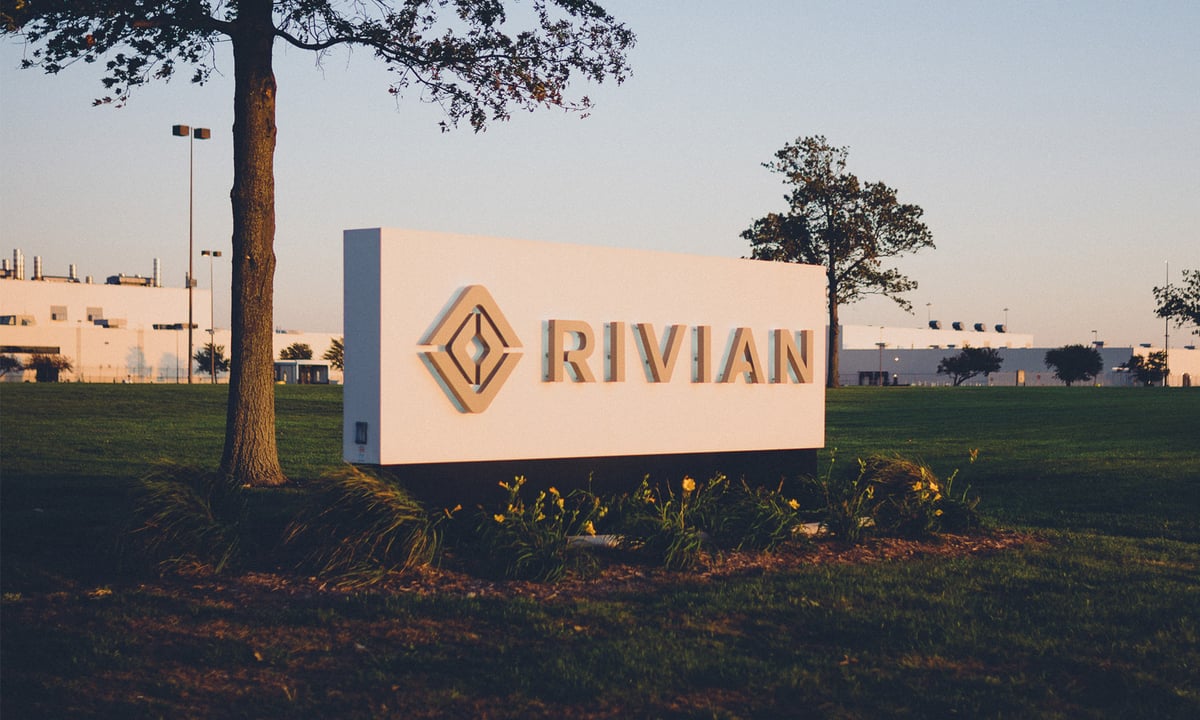
- Production and Delivery Data: Rivian produced 10,236 vehicles and delivered 10,365 in Q1 2026, indicating stability in production capacity and market demand, which enhances investor confidence in the company's operational performance.
- Delivery Guidance Reaffirmed: The company reaffirmed its delivery guidance for 2026, projecting between 62,000 and 67,000 vehicles, reflecting management's confidence in future performance and potentially boosting shareholder expectations for long-term growth.
- Earnings Release Schedule: Rivian plans to release its Q1 2026 financial results after market close on April 30, 2026, and will host an audio webcast at 5:00 PM ET the same day, aiming to enhance transparency and attract investor interest.
- Forward-Looking Statements: The press release includes forward-looking statements regarding future performance expectations, highlighting the company's proactive risk management approach while seeking long-term growth opportunities despite inherent uncertainties.
See More
Rivian Launches Lower-Priced Model to Boost Sales
- New Model Launch: Rivian has recently introduced a lower-priced model, which is expected to significantly boost sales by catering to a broader consumer base and enhancing market competitiveness.
- Pricing Strategy Adjustment: By lowering the model's price, Rivian aims to attract budget-conscious consumers, thereby expanding its market share and increasing brand awareness.
- Sales Expectations Rise: The introduction of the new model is likely to stimulate consumer purchasing desire, with anticipated sales growth in the coming quarters, improving the company's overall financial performance.
- Positive Market Reaction: The market has responded favorably to the new model, with stock prices rising 3.08% on March 29, 2026, reflecting investor confidence in the company's future growth potential.
See More

Rivian's Strategic Partnership with Volkswagen

- Capital Injection: Volkswagen's $1 billion investment in Rivian signifies a successful collaboration at a key development milestone, expected to provide crucial funding for Rivian's electric truck launch, helping it establish a foothold in the competitive EV market.
- Technological Collaboration: This investment not only offers financial support but also indicates Volkswagen's successful testing of Rivian's technology, as Rivian aims to broaden its sales opportunities by becoming an industry supplier, thereby enhancing its market competitiveness.
- Strategic Differentiation: Unlike Tesla, Rivian adopts a dual strategy as both an electric vehicle manufacturer and a technology supplier, a strategy that helps it stand out in an increasingly competitive market and increases the likelihood of long-term success.
- Market Outlook: Facing competition from major automakers and other EV startups, Rivian's partnership with Volkswagen not only secures funding but also gains technological validation, laying a foundation for future market expansion.
See More
Rivian Secures $1 Billion Investment from Volkswagen
- Capital Injection: Rivian has secured a $1 billion investment from Volkswagen as part of a larger $5.8 billion funding plan, which will support the launch of a more affordable electric truck, enhancing its market competitiveness.
- Technological Collaboration: Volkswagen's successful testing of Rivian's technology not only provides financial backing but also indicates the recognition of Rivian's technology within the industry, further advancing its supplier strategy.
- Market Positioning: Unlike Tesla, Rivian aims to be both a vehicle manufacturer and an industry supplier, which broadens its sales opportunities and enhances the returns on its technology investments through this dual strategy.
- Competitive Landscape: In an increasingly competitive electric vehicle market, Rivian's success hinges not only on financial support but also on the effective execution of its supplier strategy to ensure long-term survival and growth.
See More
Rivian Partners with Uber to Drive Autonomous Vehicle Ambitions
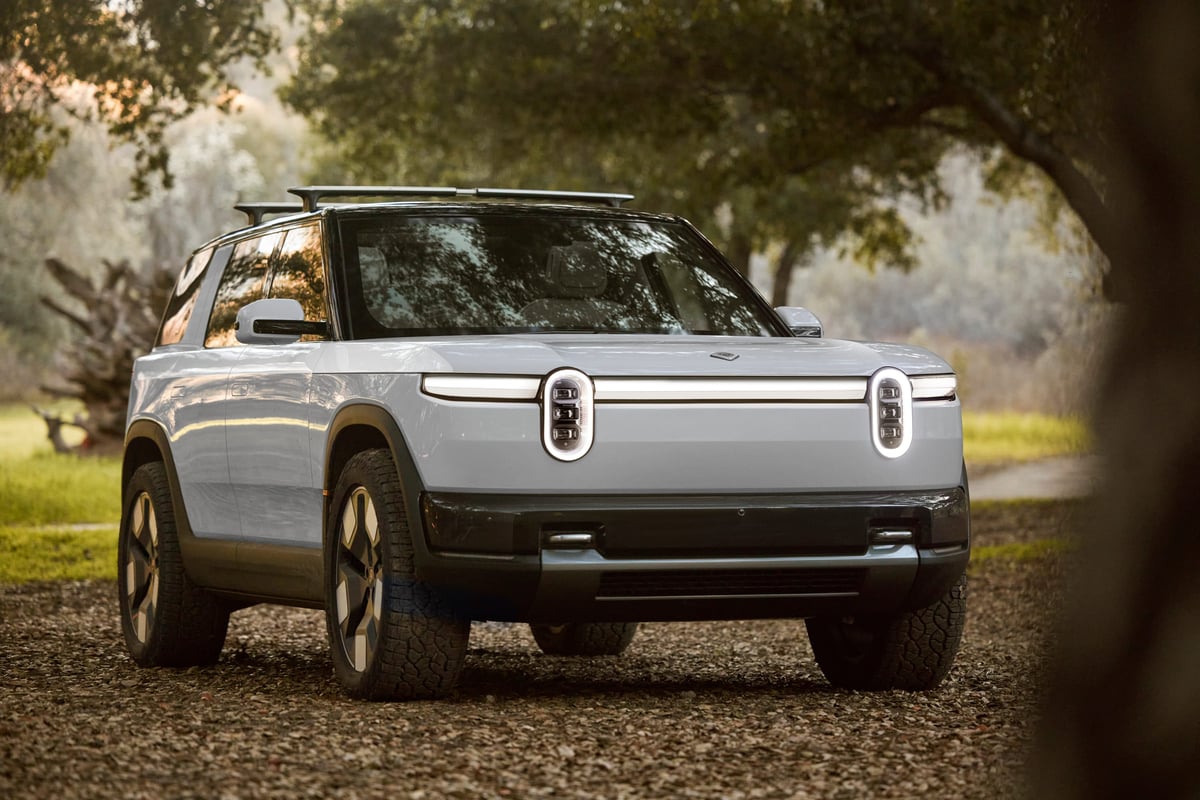
- Strategic Investment: Uber plans to invest up to $1.25 billion in Rivian by 2031, with an initial $300 million to support the development of R2 robotaxis, demonstrating confidence in Rivian's future autonomous technology.
- Market Expansion Plans: By 2028, Rivian expects to deploy around 10,000 R2 robotaxis in San Francisco and Miami, with plans to expand to 25 cities in the U.S., Canada, and Europe by the end of 2031, significantly enhancing market coverage.
- Technological Integration Advantage: Uber's CEO highlighted Rivian's vertical integration in vehicle design, compute platform, and software stack, which provides confidence in achieving ambitious targets, indicating Rivian's competitiveness in the EV market.
- Long-Term Profit Potential: Rivian is transforming into a high-margin software-defined vehicle platform through proprietary hardware and subscription-based software services, which is expected to yield substantial long-term profits, especially after achieving positive gross margins through its partnership with Volkswagen.
See More

Rivian Partners with Uber to Drive Autonomous Vehicle Ambitions
- Strategic Partnership Outlook: Rivian's partnership with Uber involves a commitment of up to $1.25 billion by 2031, with an initial $300 million investment to support the development of Rivian R2 autonomous taxis, aiming to deploy around 10,000 R2s in San Francisco and Miami by 2028, reflecting confidence in Rivian's growth potential.
- Technological Integration Advantage: Uber CEO Dara Khosrowshahi highlighted Rivian's vertical integration in vehicle design, compute platform, and software stack, which not only enhances production efficiency but also leverages consumer vehicle data to improve commercial fleet management complexities, setting ambitious targets for both companies.
- Transition to Software-Defined Platform: Rivian is transforming from a traditional automaker to a high-margin software-defined vehicle platform, leveraging its partnership with Volkswagen to achieve positive gross profits, and plans to enhance revenue streams through subscription services and proprietary hardware, strengthening its market competitiveness.
- Autonomous Technology Opportunity: Rivian plans to launch its third-generation autonomy platform in the R2 model, expected to be one of the most powerful combinations of sensors and inference compute in North American consumer vehicles, marking a significant advancement in the company's autonomous technology, with investors poised to see its potential value soon.
See More
Rivian Announces Q1 2026 Production and Delivery Figures
- Production and Delivery Data: Rivian produced 10,236 vehicles and delivered 10,365 in Q1 2026, indicating stability in production capacity and market demand, which enhances investor confidence in the company's operational performance.
- Delivery Guidance Reaffirmed: The company reaffirmed its delivery guidance for 2026, projecting between 62,000 and 67,000 vehicles, reflecting management's confidence in future performance and potentially boosting shareholder expectations for long-term growth.
- Earnings Release Schedule: Rivian plans to release its Q1 2026 financial results after market close on April 30, 2026, and will host an audio webcast at 5:00 PM ET the same day, aiming to enhance transparency and attract investor interest.
- Forward-Looking Statements: The press release includes forward-looking statements regarding future performance expectations, highlighting the company's proactive risk management approach while seeking long-term growth opportunities despite inherent uncertainties.
See More
Rivian Launches Lower-Priced Model to Boost Sales
- New Model Launch: Rivian has recently introduced a lower-priced model, which is expected to significantly boost sales by catering to a broader consumer base and enhancing market competitiveness.
- Pricing Strategy Adjustment: By lowering the model's price, Rivian aims to attract budget-conscious consumers, thereby expanding its market share and increasing brand awareness.
- Sales Expectations Rise: The introduction of the new model is likely to stimulate consumer purchasing desire, with anticipated sales growth in the coming quarters, improving the company's overall financial performance.
- Positive Market Reaction: The market has responded favorably to the new model, with stock prices rising 3.08% on March 29, 2026, reflecting investor confidence in the company's future growth potential.
See More
Rivian's Strategic Partnership with Volkswagen
- Capital Injection: Volkswagen's $1 billion investment in Rivian signifies a successful collaboration at a key development milestone, expected to provide crucial funding for Rivian's electric truck launch, helping it establish a foothold in the competitive EV market.
- Technological Collaboration: This investment not only offers financial support but also indicates Volkswagen's successful testing of Rivian's technology, as Rivian aims to broaden its sales opportunities by becoming an industry supplier, thereby enhancing its market competitiveness.
- Strategic Differentiation: Unlike Tesla, Rivian adopts a dual strategy as both an electric vehicle manufacturer and a technology supplier, a strategy that helps it stand out in an increasingly competitive market and increases the likelihood of long-term success.
- Market Outlook: Facing competition from major automakers and other EV startups, Rivian's partnership with Volkswagen not only secures funding but also gains technological validation, laying a foundation for future market expansion.
See More
Rivian Secures $1 Billion Investment from Volkswagen
- Capital Injection: Rivian has secured a $1 billion investment from Volkswagen as part of a larger $5.8 billion funding plan, which will support the launch of a more affordable electric truck, enhancing its market competitiveness.
- Technological Collaboration: Volkswagen's successful testing of Rivian's technology not only provides financial backing but also indicates the recognition of Rivian's technology within the industry, further advancing its supplier strategy.
- Market Positioning: Unlike Tesla, Rivian aims to be both a vehicle manufacturer and an industry supplier, which broadens its sales opportunities and enhances the returns on its technology investments through this dual strategy.
- Competitive Landscape: In an increasingly competitive electric vehicle market, Rivian's success hinges not only on financial support but also on the effective execution of its supplier strategy to ensure long-term survival and growth.
See More
Rivian Partners with Uber to Drive Autonomous Vehicle Ambitions
- Strategic Investment: Uber plans to invest up to $1.25 billion in Rivian by 2031, with an initial $300 million to support the development of R2 robotaxis, demonstrating confidence in Rivian's future autonomous technology.
- Market Expansion Plans: By 2028, Rivian expects to deploy around 10,000 R2 robotaxis in San Francisco and Miami, with plans to expand to 25 cities in the U.S., Canada, and Europe by the end of 2031, significantly enhancing market coverage.
- Technological Integration Advantage: Uber's CEO highlighted Rivian's vertical integration in vehicle design, compute platform, and software stack, which provides confidence in achieving ambitious targets, indicating Rivian's competitiveness in the EV market.
- Long-Term Profit Potential: Rivian is transforming into a high-margin software-defined vehicle platform through proprietary hardware and subscription-based software services, which is expected to yield substantial long-term profits, especially after achieving positive gross margins through its partnership with Volkswagen.
See More
Rivian Partners with Uber to Drive Autonomous Vehicle Ambitions
- Strategic Partnership Outlook: Rivian's partnership with Uber involves a commitment of up to $1.25 billion by 2031, with an initial $300 million investment to support the development of Rivian R2 autonomous taxis, aiming to deploy around 10,000 R2s in San Francisco and Miami by 2028, reflecting confidence in Rivian's growth potential.
- Technological Integration Advantage: Uber CEO Dara Khosrowshahi highlighted Rivian's vertical integration in vehicle design, compute platform, and software stack, which not only enhances production efficiency but also leverages consumer vehicle data to improve commercial fleet management complexities, setting ambitious targets for both companies.
- Transition to Software-Defined Platform: Rivian is transforming from a traditional automaker to a high-margin software-defined vehicle platform, leveraging its partnership with Volkswagen to achieve positive gross profits, and plans to enhance revenue streams through subscription services and proprietary hardware, strengthening its market competitiveness.
- Autonomous Technology Opportunity: Rivian plans to launch its third-generation autonomy platform in the R2 model, expected to be one of the most powerful combinations of sensors and inference compute in North American consumer vehicles, marking a significant advancement in the company's autonomous technology, with investors poised to see its potential value soon.
See More