Rivian Automotive Set for 2026 Inflection Point
Written by Emily J. Thompson, Senior Investment Analyst
Updated: Mar 09 2026
0mins
Source: Fool
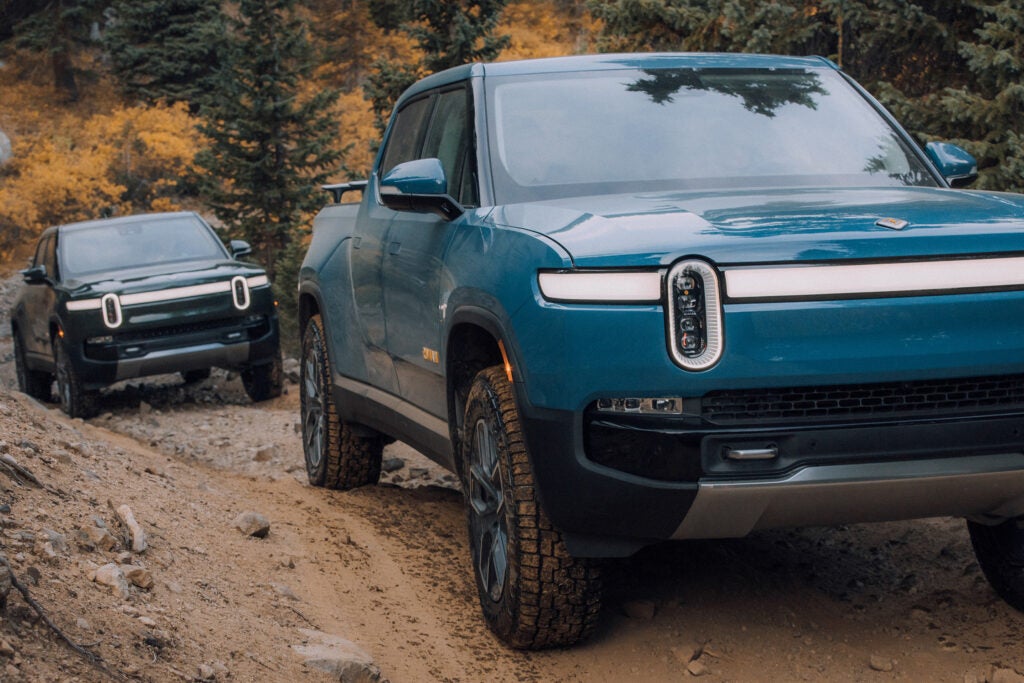
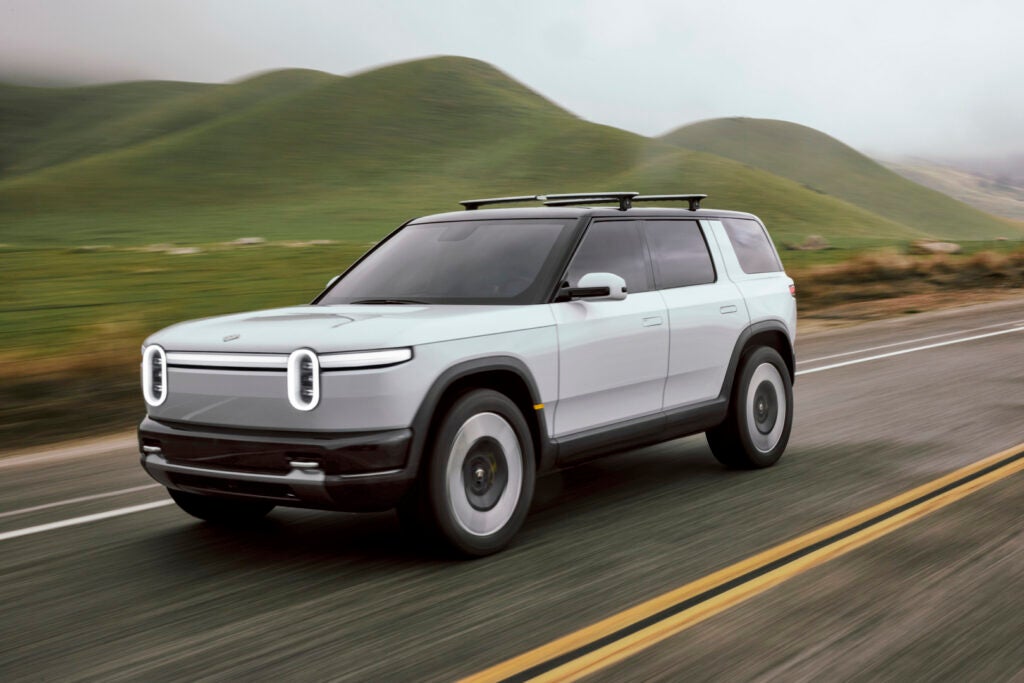
- Delivery Growth Expectations: Rivian anticipates R2 deliveries will range between 62,000 and 67,000 units in 2026, aiming to reverse an 18% delivery decline in 2025, indicating a potential recovery in market competitiveness following the new vehicle launch.
- Market Opportunity: Priced around $45,000, the R2 fills a gap in the market for high-quality EVs under $50,000, especially as Tesla's Model Y dominates with over 350,000 registrations, providing Rivian a chance to capture additional market share.
- Profitability Improvement: Rivian achieved a gross profit of $144 million in 2025, largely due to material cost reductions, and if cost control continues, future profitability could see further enhancement as production ramps up.
- Production Challenges: While the R2 launch is highly anticipated, any issues during the acceleration of production could delay positive profitability impacts, prompting investors to carefully assess risks when determining their investment size.
Trade with 70% Backtested Accuracy
Stop guessing "Should I Buy RIVN?" and start using high-conviction signals backed by rigorous historical data.
Sign up today to access powerful investing tools and make smarter, data-driven decisions.
Analyst Views on RIVN
Wall Street analysts forecast RIVN stock price to rise
18 Analyst Rating
8 Buy
7 Hold
3 Sell
Moderate Buy
Current: 16.520

Low
10.00
Averages
17.78
High
25.00
Current: 16.520
Low
10.00
Averages
17.78
High
25.00
About RIVN
Rivian Automotive, Inc. is an automotive technology company, which is engaged in developing and manufacturing category-defining electric vehicles (EVs) as well as vertically integrated technologies and services. The Company's R1 platform consists of two vehicles: the R1T, a two-row five-passenger pickup truck, and the R1S, a three-row seven-passenger sport utility vehicle (SUV). In the commercial market, the Company offers a Rivian Commercial Vehicle (RCV) platform. The vehicle on this platform is the Electric Delivery Van (EDV), designed and engineered by Rivian in collaboration with Amazon. The Company also offers FleetOS, its proprietary, end-to-end centralized fleet management subscription platform. It also offers a variety of services, including vehicle repair and maintenance, financing, insurance, joint venture, software subscriptions, and vehicle accessories, among others. Its other services include vehicle electrical architecture and software development services, and more.
About the author

Emily J. Thompson
Emily J. Thompson, a Chartered Financial Analyst (CFA) with 12 years in investment research, graduated with honors from the Wharton School. Specializing in industrial and technology stocks, she provides in-depth analysis for Intellectia’s earnings and market brief reports.
Intensifying Competition and New Opportunities in the EV Market

- Increased Market Competition: Rivian's launch of the R2 model enters a market with 20 competing electric SUVs, and with EV sales dropping to 216,000 units in Q4 2025 due to tax policy changes, this stagnation may hinder Rivian's market share growth.
- Growth in Used EV Market: The influx of early EVs into the used market is driving consumer interest in second-hand electric vehicles, potentially leading to prices nearing parity with traditional gas cars, which could further pressure new car sales for Rivian.
- Technological and Profitability Challenges: Rivian aims for full autonomy by 2028, yet faces significant hurdles in technology readiness and market competition, particularly concerning high hardware costs and profitability, which could impact its long-term viability.
- Cautious Investor Sentiment: Despite the launch of new models, analysts express caution regarding Rivian's market outlook, emphasizing the need for the company to establish a profitable business model rather than merely focusing on sales volume.
See More
SpaceX to Aggressively Invest in AI Market Post-IPO

- Massive Market Opportunity: Following its IPO, SpaceX plans to invest in a market valued at $28.5 trillion, with over 90% focused on artificial intelligence, indicating a strategic pivot that could reshape industry dynamics.
- Robust Funding Sources: The company has raised $86.7 billion through its IPO and may pursue a $20 billion bond sale, providing substantial financial backing for its expansion in AI, which is expected to accelerate technology development and market penetration.
- Synergy with xAI: After merging with Elon Musk's xAI, SpaceX will prioritize scaling its data center infrastructure to enhance computing power, driving advancements in autonomous driving systems that will directly impact Tesla's future business model and support its global robotaxi service.
- Potential Impact on Rivian: As the robotaxi market rapidly evolves, Rivian, as an EV manufacturer, stands to benefit from SpaceX's investments, particularly through its partnership with Uber, positioning Rivian as a key supplier and further solidifying its market presence.
See More
SpaceX to Invest Heavily in AI Post-IPO
- Massive Market Potential: Following its IPO, SpaceX plans to invest heavily in AI, targeting a market worth $28.5 trillion, with over 90% tied to AI opportunities, indicating the company's commitment to leading technological advancements in the industry.
- Robust Funding Sources: With $86.7 billion from its IPO and a potential $20 billion bond sale, SpaceX is set to aggressively invest in AI infrastructure in the coming months, which is expected to significantly enhance its competitiveness in the autonomous driving sector.
- Accelerated Tech Integration: The merger between SpaceX and Elon Musk's xAI is anticipated to advance the development of autonomous driving systems, positioning Tesla not just as a car seller but as a player in the global robotaxi market, valued at up to $10 trillion.
- Rivian's Clear Benefits: SpaceX's investments will indirectly boost Rivian's electric vehicle production capabilities, with Uber's partnership providing 50,000 Rivian vehicles for its robotaxi service, suggesting Rivian could become a key supplier in the robotaxi industry in the future.
See More
SpaceX Completes Historic IPO, Attracts Investor Interest


- Strong IPO Performance: SpaceX completed the world's largest IPO at $135 per share, opening at $150 and gaining 23% in its first week of trading, indicating robust market demand and investor confidence.
- Investment Risk Advisory: Despite the strong short-term performance, SpaceX's long-term profitability remains uncertain, particularly as its AI business incurred over $12 billion in capital expenditures last year, leading to a net loss, necessitating cautious risk assessment by investors.
- Technological Innovation Potential: SpaceX is developing reusable rocket technology, aiming to launch the Starship later this year, which could significantly reduce launch costs for clients like NASA while supporting its connectivity and AI businesses, enhancing overall operational efficiency.
- Historical Performance Reference: SpaceX's first-day gain of nearly 20% aligns with the average IPO return from 1990 to 2025, but historical data shows that 8 out of the 10 largest IPOs experienced stock price declines within 12 months, averaging a 12% drop, suggesting investors should prepare for potential volatility.
See More

SpaceX Achieves Historic Largest IPO

- IPO Performance: SpaceX completed its IPO at $135 per share, opening at $150 and gaining 23% in its first week of trading, indicating strong market demand and investor confidence, although this short-term surge may not be sustainable.
- Attractive Technology Potential: Amid the AI boom, SpaceX has drawn investor interest with its rocket launches, satellite connectivity, and AI technology, particularly the development of reusable rockets that could significantly reduce costs for clients like NASA, enhancing long-term profitability.
- High Investment Requirements: To achieve its goals, SpaceX must invest billions annually, with capital expenditures in AI exceeding $12 billion last year, resulting in a net loss, meaning investors must accept the risk of limited profitability.
- Historical Performance Reference: SpaceX's first-day gain of nearly 20% aligns with the average IPO return from 1990 to 2025, but historical data shows that 8 out of the 10 largest IPOs experienced stock price declines in the following 12 months, averaging a 12% drop, indicating potential volatility risks for SpaceX's future stock price.
See More

Rivian R2 Launch and EV Market Dynamics
- Rivian R2 Launch: Rivian has begun selling the R2 electric vehicle, which may attract consumers interested in EVs despite intense market competition; however, its pricing strategy faces pressure from traditional automakers.
- Decline in EV Sales: According to Cox Automotive, EV sales were 216,000 units in Q4 2025, flat compared to three to four years ago, indicating a negative impact on market demand due to the end of tax incentives.
- Growth in Used EV Market: With early adopters' EVs flooding the used market, prices for used EVs could approach those of traditional gas cars within the next five years, creating a new competitive landscape.
- Challenges in Autonomous Driving: Although Rivian aims for full autonomy by 2028, the complexity of the technology and market competition pose significant challenges that could impact profitability and market share.
See More
Intensifying Competition and New Opportunities in the EV Market
- Increased Market Competition: Rivian's launch of the R2 model enters a market with 20 competing electric SUVs, and with EV sales dropping to 216,000 units in Q4 2025 due to tax policy changes, this stagnation may hinder Rivian's market share growth.
- Growth in Used EV Market: The influx of early EVs into the used market is driving consumer interest in second-hand electric vehicles, potentially leading to prices nearing parity with traditional gas cars, which could further pressure new car sales for Rivian.
- Technological and Profitability Challenges: Rivian aims for full autonomy by 2028, yet faces significant hurdles in technology readiness and market competition, particularly concerning high hardware costs and profitability, which could impact its long-term viability.
- Cautious Investor Sentiment: Despite the launch of new models, analysts express caution regarding Rivian's market outlook, emphasizing the need for the company to establish a profitable business model rather than merely focusing on sales volume.
See More
SpaceX to Aggressively Invest in AI Market Post-IPO
- Massive Market Opportunity: Following its IPO, SpaceX plans to invest in a market valued at $28.5 trillion, with over 90% focused on artificial intelligence, indicating a strategic pivot that could reshape industry dynamics.
- Robust Funding Sources: The company has raised $86.7 billion through its IPO and may pursue a $20 billion bond sale, providing substantial financial backing for its expansion in AI, which is expected to accelerate technology development and market penetration.
- Synergy with xAI: After merging with Elon Musk's xAI, SpaceX will prioritize scaling its data center infrastructure to enhance computing power, driving advancements in autonomous driving systems that will directly impact Tesla's future business model and support its global robotaxi service.
- Potential Impact on Rivian: As the robotaxi market rapidly evolves, Rivian, as an EV manufacturer, stands to benefit from SpaceX's investments, particularly through its partnership with Uber, positioning Rivian as a key supplier and further solidifying its market presence.
See More
SpaceX to Invest Heavily in AI Post-IPO
- Massive Market Potential: Following its IPO, SpaceX plans to invest heavily in AI, targeting a market worth $28.5 trillion, with over 90% tied to AI opportunities, indicating the company's commitment to leading technological advancements in the industry.
- Robust Funding Sources: With $86.7 billion from its IPO and a potential $20 billion bond sale, SpaceX is set to aggressively invest in AI infrastructure in the coming months, which is expected to significantly enhance its competitiveness in the autonomous driving sector.
- Accelerated Tech Integration: The merger between SpaceX and Elon Musk's xAI is anticipated to advance the development of autonomous driving systems, positioning Tesla not just as a car seller but as a player in the global robotaxi market, valued at up to $10 trillion.
- Rivian's Clear Benefits: SpaceX's investments will indirectly boost Rivian's electric vehicle production capabilities, with Uber's partnership providing 50,000 Rivian vehicles for its robotaxi service, suggesting Rivian could become a key supplier in the robotaxi industry in the future.
See More
SpaceX Completes Historic IPO, Attracts Investor Interest
- Strong IPO Performance: SpaceX completed the world's largest IPO at $135 per share, opening at $150 and gaining 23% in its first week of trading, indicating robust market demand and investor confidence.
- Investment Risk Advisory: Despite the strong short-term performance, SpaceX's long-term profitability remains uncertain, particularly as its AI business incurred over $12 billion in capital expenditures last year, leading to a net loss, necessitating cautious risk assessment by investors.
- Technological Innovation Potential: SpaceX is developing reusable rocket technology, aiming to launch the Starship later this year, which could significantly reduce launch costs for clients like NASA while supporting its connectivity and AI businesses, enhancing overall operational efficiency.
- Historical Performance Reference: SpaceX's first-day gain of nearly 20% aligns with the average IPO return from 1990 to 2025, but historical data shows that 8 out of the 10 largest IPOs experienced stock price declines within 12 months, averaging a 12% drop, suggesting investors should prepare for potential volatility.
See More
SpaceX Achieves Historic Largest IPO
- IPO Performance: SpaceX completed its IPO at $135 per share, opening at $150 and gaining 23% in its first week of trading, indicating strong market demand and investor confidence, although this short-term surge may not be sustainable.
- Attractive Technology Potential: Amid the AI boom, SpaceX has drawn investor interest with its rocket launches, satellite connectivity, and AI technology, particularly the development of reusable rockets that could significantly reduce costs for clients like NASA, enhancing long-term profitability.
- High Investment Requirements: To achieve its goals, SpaceX must invest billions annually, with capital expenditures in AI exceeding $12 billion last year, resulting in a net loss, meaning investors must accept the risk of limited profitability.
- Historical Performance Reference: SpaceX's first-day gain of nearly 20% aligns with the average IPO return from 1990 to 2025, but historical data shows that 8 out of the 10 largest IPOs experienced stock price declines in the following 12 months, averaging a 12% drop, indicating potential volatility risks for SpaceX's future stock price.
See More
Rivian R2 Launch and EV Market Dynamics
- Rivian R2 Launch: Rivian has begun selling the R2 electric vehicle, which may attract consumers interested in EVs despite intense market competition; however, its pricing strategy faces pressure from traditional automakers.
- Decline in EV Sales: According to Cox Automotive, EV sales were 216,000 units in Q4 2025, flat compared to three to four years ago, indicating a negative impact on market demand due to the end of tax incentives.
- Growth in Used EV Market: With early adopters' EVs flooding the used market, prices for used EVs could approach those of traditional gas cars within the next five years, creating a new competitive landscape.
- Challenges in Autonomous Driving: Although Rivian aims for full autonomy by 2028, the complexity of the technology and market competition pose significant challenges that could impact profitability and market share.
See More