Reuters Investigation Questions Tesla's Full Self-Driving Safety Claims
Written by Emily J. Thompson, Senior Investment Analyst
Updated: May 28 2026
0mins
A Reuters investigation reports that Tesla's "Full Self-Driving" safety claims rely on flawed methodology and internal concerns about system reliability, including skepticism from former data labelers and engineers regarding its real-world driving performance, Chris Kirkham and Rachael Levy report. Reuters found that the safety claims were based on a flawed comparison that may have overstated performance by roughly a factor of three, because Tesla compared airbag deployment crashes in its vehicles against broader federal tow-truck crash data that already includes less severe incidents and does not align on equivalent severity thresholds.
Trade with 70% Backtested Accuracy
Stop guessing "Should I Buy TSLA?" and start using high-conviction signals backed by rigorous historical data.
Sign up today to access powerful investing tools and make smarter, data-driven decisions.
Analyst Views on TSLA
Wall Street analysts forecast TSLA stock price to fall
30 Analyst Rating
12 Buy
11 Hold
7 Sell
Hold
Current: 411.840

Low
25.28
Averages
401.93
High
600.00
Current: 411.840
Low
25.28
Averages
401.93
High
600.00
About TSLA
Tesla, Inc. designs, develops, manufactures, sells and leases high-performance fully electric vehicles and energy generation and storage systems, and offers services related to its products. Its segments include automotive, and energy generation and storage. The automotive segment includes the design, development, manufacturing, sales and leasing of high-performance fully electric vehicles, and sales of automotive regulatory credits. It also includes sales of used vehicles, non-warranty maintenance services and collisions, part sales, paid supercharging, insurance services revenue and retail merchandise sales. The energy generation and storage segment include the design, manufacture, installation, sales and leasing of solar energy generation and energy storage products and related services and sales of solar energy systems incentives. Its consumer vehicles include the Model 3, Y, S, X and Cybertruck. Its lithium-ion battery energy storage products include Powerwall and Megapack.
About the author

Emily J. Thompson
Emily J. Thompson, a Chartered Financial Analyst (CFA) with 12 years in investment research, graduated with honors from the Wharton School. Specializing in industrial and technology stocks, she provides in-depth analysis for Intellectia’s earnings and market brief reports.
Cantor Maintains Overweight Rating on Tesla Ahead of Q2 Delivery Update

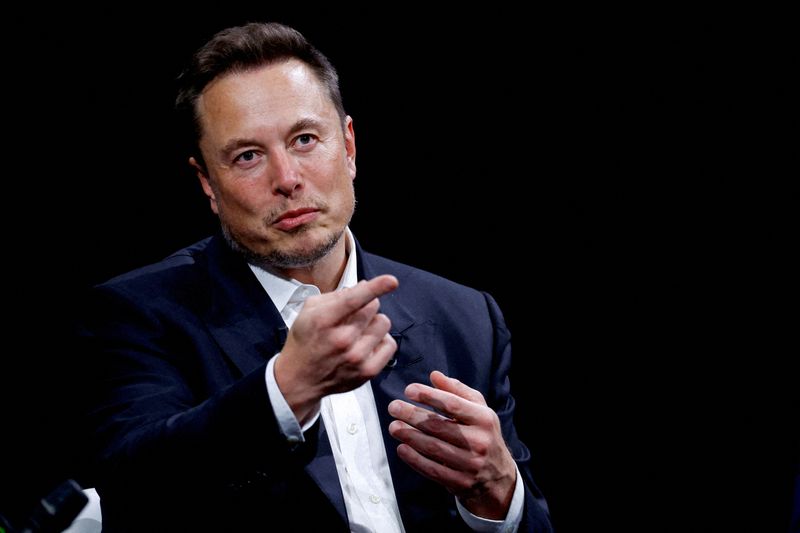
- Delivery Expectations: Cantor projects Tesla's Q2 deliveries at 397,414 vehicles, below the consensus of 408,609, yet maintains confidence in Tesla's transition into AI and robotics, deeming 2026 a 'transformational year'.
- Energy Storage Growth: The firm anticipates Tesla's energy storage deployments to reach 15.7 GWh, surpassing the consensus of 13.9 GWh, which will further solidify Tesla's market position in renewable energy.
- Free Cash Flow Performance: Tesla reported a Q1 free cash flow of $1.44 billion, significantly better than the expected outflow of $1.78 billion, indicating improvements in cash management, although the company expects negative free cash flow for the remainder of the year.
- Robot Production Line Progress: Tesla's first-generation Optimus robot production line in California aims for an annual capacity of 1 million units, while a second-generation line at Gigafactory Texas is being prepared for a long-term target of 10 million units, providing crucial momentum for future growth.
See More
SpaceX Completes IPO, Raising $86 Billion
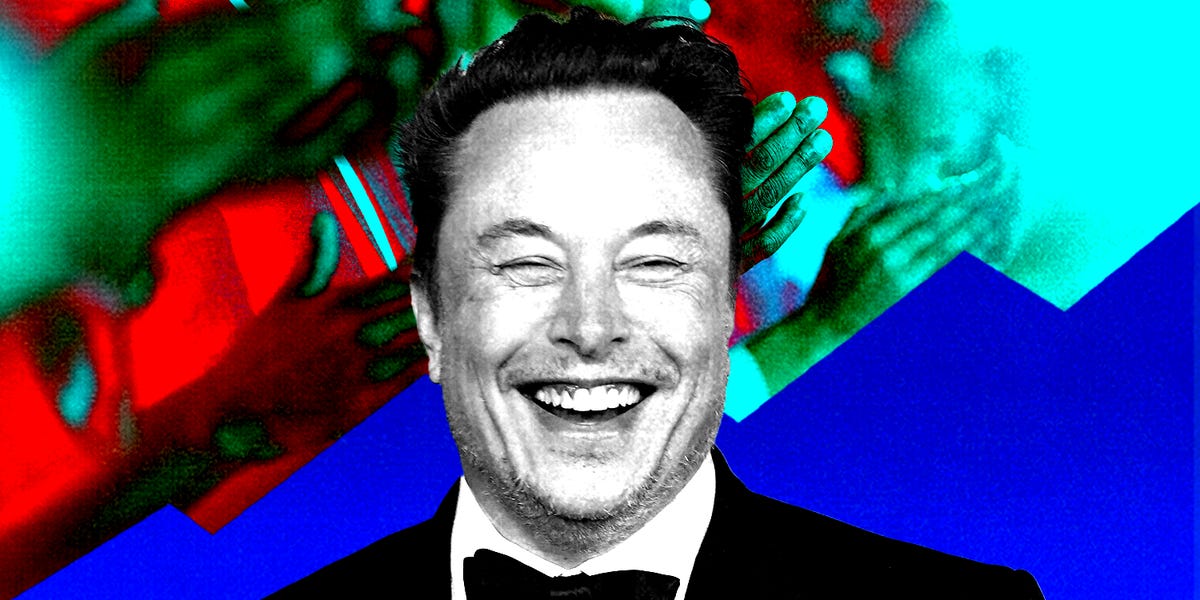
- Massive Fundraising: SpaceX's IPO successfully raised approximately $86 billion, with an additional $25 billion expected from an upcoming bond issuance, bringing its total funding to over $110 billion, significantly enhancing the company's financial strength and market competitiveness.
- Close Collaboration with Tesla: The 370-page IPO prospectus mentions Tesla over 80 times, highlighting their collaboration on various projects, including using Tesla's Megapacks to power data centers and plans to utilize these battery systems in future moon bases, further solidifying Tesla's market positioning.
- Emerging Space Business: While Tesla is still primarily viewed as an electric vehicle manufacturer, its partnership with SpaceX is gradually positioning it as part of the space business, with potential for launching more hardware and software products into the space market, thereby increasing its overall valuation.
- Technological Innovation Driving Growth: The Terafab chip manufacturing initiative and Macrohard AI platform co-developed by SpaceX and Tesla aim to facilitate the deployment of data centers in space, which will not only enhance both companies' technological capabilities in the space sector but also lay the groundwork for future business model innovations.
See More

Tesla's Five-Year Outlook: Challenges Ahead

- Stock Performance Analysis: Since its IPO in 2010, Tesla's shares have risen by 69%, while the S&P 500 has returned 85% over the same period, indicating Tesla's underperformance may undermine investor confidence.
- Revenue Structure Shift: By 2025, Tesla's automotive revenue is projected to reach $69.5 billion, accounting for 73% of total revenue, yet CEO Elon Musk aims to transition the business from one-time sales to a more sustainable revenue model, highlighting the need for strategic transformation.
- Technological Innovation Progress: Tesla is advancing its autonomous driving and robotics technologies, planning to produce 1 million robots annually at its Fremont factory, with Musk suggesting this could elevate the company's market cap to $25 trillion, though the uncertainty of timelines may impact future financial performance.
- Market Expectations and Valuation: With a staggering price-to-earnings ratio of 347, the market holds high hopes for Tesla's profitability, but if the company fails to rapidly commercialize its Robotaxi service and scale Optimus production over the next five years, investor patience may wane, adversely affecting stock performance.
See More

Balanced Investment: Advantages of Equal-Weighted ETFs


- Superior Historical Performance: Over the past 20 years, the Invesco S&P 500 Equal Weight ETF has significantly outperformed the S&P 500 index, demonstrating stronger stability and profitability during market fluctuations, which attracts long-term investors seeking reliable returns.
- Market Concentration Risk: The 'Magnificent Seven' tech giants account for about one-third of the S&P 500's total value, and their recent struggles due to cautious AI spending have led to a decline in the overall index, highlighting the risks associated with concentrated investments.
- Investment Opportunity: Amid the downturn in tech stocks, the Invesco S&P 500 Equal Weight ETF offers investors a more balanced market exposure, particularly appealing to those unsettled by the influence of large tech companies, potentially leading to higher returns in the future.
- Volatility Management: The design of the Equal Weight ETF effectively reduces overall market volatility caused by fluctuations in individual large-cap stocks, allowing investors to pursue returns while better managing risk.
See More

S&P 500 Recent Volatility and Investment Strategies
- Market Volatility Impact: The S&P 500 has recently slipped due to volatility in tech stocks, particularly the influence of the 'Magnificent Seven' companies like Apple and Microsoft, leading to cautious investor sentiment and highlighting potential risks.
- ETF Investment Advantage: The Invesco S&P 500 Equal Weight ETF mitigates the over-concentration of large tech stocks by equally weighting all constituents, historically outperforming the traditional S&P 500 over the past 20 years, demonstrating its stability during market fluctuations.
- Tech Concentration Risk: While mega-cap tech stocks like Nvidia have driven S&P 500 growth in the past two years, their concentration also subjects the index to greater pressure during downturns, prompting investors to consider diversification to reduce risk.
- Investment Recommendations: Although the Invesco S&P 500 Equal Weight ETF may be a safer choice in the current market environment, the 10 stocks recommended by analysts show higher potential returns, urging investors to choose wisely and focus on long-term gains.
See More

US AI Model Restrictions Boost China's Competitive Edge


- Model Release Restrictions: After a two-week export control directive, the U.S. government allowed Anthropic to release its powerful Mythos 5 model, while the Fable 5 model remains off the market, potentially giving Chinese AI companies a competitive edge in the market.
- Rise of Chinese Models: China's Zhipu launched the GLM 5.2 model, which performs comparably to top U.S. labs on certain cyber benchmarks, even surpassing Anthropic's capabilities in some areas, indicating China's rapid advancement in the AI sector.
- Significant Cost Advantage: The GLM 5.2 model is almost equal to Anthropic in corporate market competitiveness but costs only a quarter per token, leading more companies to prefer Chinese AI solutions, thereby impacting U.S. companies' market share.
- Escalating Security Risks: As open-weight models from China become more prevalent, many U.S. companies are shifting to these cheaper alternatives, potentially increasing cybersecurity risks, with industry experts warning that failure to respond promptly could lead to greater security challenges in the future.
See More
Cantor Maintains Overweight Rating on Tesla Ahead of Q2 Delivery Update
- Delivery Expectations: Cantor projects Tesla's Q2 deliveries at 397,414 vehicles, below the consensus of 408,609, yet maintains confidence in Tesla's transition into AI and robotics, deeming 2026 a 'transformational year'.
- Energy Storage Growth: The firm anticipates Tesla's energy storage deployments to reach 15.7 GWh, surpassing the consensus of 13.9 GWh, which will further solidify Tesla's market position in renewable energy.
- Free Cash Flow Performance: Tesla reported a Q1 free cash flow of $1.44 billion, significantly better than the expected outflow of $1.78 billion, indicating improvements in cash management, although the company expects negative free cash flow for the remainder of the year.
- Robot Production Line Progress: Tesla's first-generation Optimus robot production line in California aims for an annual capacity of 1 million units, while a second-generation line at Gigafactory Texas is being prepared for a long-term target of 10 million units, providing crucial momentum for future growth.
See More
SpaceX Completes IPO, Raising $86 Billion
- Massive Fundraising: SpaceX's IPO successfully raised approximately $86 billion, with an additional $25 billion expected from an upcoming bond issuance, bringing its total funding to over $110 billion, significantly enhancing the company's financial strength and market competitiveness.
- Close Collaboration with Tesla: The 370-page IPO prospectus mentions Tesla over 80 times, highlighting their collaboration on various projects, including using Tesla's Megapacks to power data centers and plans to utilize these battery systems in future moon bases, further solidifying Tesla's market positioning.
- Emerging Space Business: While Tesla is still primarily viewed as an electric vehicle manufacturer, its partnership with SpaceX is gradually positioning it as part of the space business, with potential for launching more hardware and software products into the space market, thereby increasing its overall valuation.
- Technological Innovation Driving Growth: The Terafab chip manufacturing initiative and Macrohard AI platform co-developed by SpaceX and Tesla aim to facilitate the deployment of data centers in space, which will not only enhance both companies' technological capabilities in the space sector but also lay the groundwork for future business model innovations.
See More
Tesla's Five-Year Outlook: Challenges Ahead
- Stock Performance Analysis: Since its IPO in 2010, Tesla's shares have risen by 69%, while the S&P 500 has returned 85% over the same period, indicating Tesla's underperformance may undermine investor confidence.
- Revenue Structure Shift: By 2025, Tesla's automotive revenue is projected to reach $69.5 billion, accounting for 73% of total revenue, yet CEO Elon Musk aims to transition the business from one-time sales to a more sustainable revenue model, highlighting the need for strategic transformation.
- Technological Innovation Progress: Tesla is advancing its autonomous driving and robotics technologies, planning to produce 1 million robots annually at its Fremont factory, with Musk suggesting this could elevate the company's market cap to $25 trillion, though the uncertainty of timelines may impact future financial performance.
- Market Expectations and Valuation: With a staggering price-to-earnings ratio of 347, the market holds high hopes for Tesla's profitability, but if the company fails to rapidly commercialize its Robotaxi service and scale Optimus production over the next five years, investor patience may wane, adversely affecting stock performance.
See More
Balanced Investment: Advantages of Equal-Weighted ETFs
- Superior Historical Performance: Over the past 20 years, the Invesco S&P 500 Equal Weight ETF has significantly outperformed the S&P 500 index, demonstrating stronger stability and profitability during market fluctuations, which attracts long-term investors seeking reliable returns.
- Market Concentration Risk: The 'Magnificent Seven' tech giants account for about one-third of the S&P 500's total value, and their recent struggles due to cautious AI spending have led to a decline in the overall index, highlighting the risks associated with concentrated investments.
- Investment Opportunity: Amid the downturn in tech stocks, the Invesco S&P 500 Equal Weight ETF offers investors a more balanced market exposure, particularly appealing to those unsettled by the influence of large tech companies, potentially leading to higher returns in the future.
- Volatility Management: The design of the Equal Weight ETF effectively reduces overall market volatility caused by fluctuations in individual large-cap stocks, allowing investors to pursue returns while better managing risk.
See More
S&P 500 Recent Volatility and Investment Strategies
- Market Volatility Impact: The S&P 500 has recently slipped due to volatility in tech stocks, particularly the influence of the 'Magnificent Seven' companies like Apple and Microsoft, leading to cautious investor sentiment and highlighting potential risks.
- ETF Investment Advantage: The Invesco S&P 500 Equal Weight ETF mitigates the over-concentration of large tech stocks by equally weighting all constituents, historically outperforming the traditional S&P 500 over the past 20 years, demonstrating its stability during market fluctuations.
- Tech Concentration Risk: While mega-cap tech stocks like Nvidia have driven S&P 500 growth in the past two years, their concentration also subjects the index to greater pressure during downturns, prompting investors to consider diversification to reduce risk.
- Investment Recommendations: Although the Invesco S&P 500 Equal Weight ETF may be a safer choice in the current market environment, the 10 stocks recommended by analysts show higher potential returns, urging investors to choose wisely and focus on long-term gains.
See More
US AI Model Restrictions Boost China's Competitive Edge
- Model Release Restrictions: After a two-week export control directive, the U.S. government allowed Anthropic to release its powerful Mythos 5 model, while the Fable 5 model remains off the market, potentially giving Chinese AI companies a competitive edge in the market.
- Rise of Chinese Models: China's Zhipu launched the GLM 5.2 model, which performs comparably to top U.S. labs on certain cyber benchmarks, even surpassing Anthropic's capabilities in some areas, indicating China's rapid advancement in the AI sector.
- Significant Cost Advantage: The GLM 5.2 model is almost equal to Anthropic in corporate market competitiveness but costs only a quarter per token, leading more companies to prefer Chinese AI solutions, thereby impacting U.S. companies' market share.
- Escalating Security Risks: As open-weight models from China become more prevalent, many U.S. companies are shifting to these cheaper alternatives, potentially increasing cybersecurity risks, with industry experts warning that failure to respond promptly could lead to greater security challenges in the future.
See More