Restaurant Brands International and CPE Complete Joint Venture with $350M Investment
Restaurant Brands International, the parent company of the Burger King brand, and CPE, announced the completion of their previously announced joint venture, marking an important step forward in Burger King China's next phase of growth. Upon closing of the transaction, CPE invested $350M of new primary capital into the joint venture and now owns approximately 83% of the Business, with RBI retaining a 17% minority interest and a seat on the Board of Directors. The partnership combines Burger King's globally iconic brand and products with CPE's deep local market expertise, creating a strong foundation to accelerate growth and enhance the guest experience across China. A wholly owned affiliate of Burger King China has also entered into a 20-year master development agreement, granting it exclusive rights to develop the Burger King brand in China. Together, CPE and RBI aim to expand Burger King's restaurant network in China from approximately 1,250 restaurants today to more than 4,000 by 2035, while delivering sustainable same-store sales growth through disciplined execution and continued focus on food quality and brand relevance.
Trade with 70% Backtested Accuracy
Analyst Views on QSR

About QSR
About the author

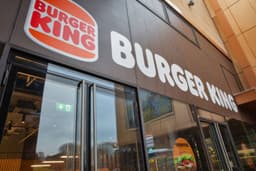
Restaurant Brands International Transfers Control of Burger King China to CPE

- Control Transfer: Restaurant Brands International has finalized a joint venture with Chinese private equity firm CPE, relinquishing control of Burger King China, with CPE investing $350 million to acquire approximately 83% ownership while retaining a 17% minority stake and a board seat, highlighting the company's commitment to the Chinese market.
- Expansion Plans: The partnership aims to increase the number of Burger King restaurants in China from about 1,250 to over 4,000 by 2035, reflecting confidence in the long-term growth potential of the Chinese market.
- Brand and Market Synergy: This collaboration combines Burger King's globally recognized brand with CPE's local market expertise, aiming to enhance the brand's performance in China, particularly after previous underperformance, indicating the necessity for strategic adjustments.
- Future Development Strategy: CEO Josh Kobza emphasized that CPE's involvement will enhance food quality, restaurant execution, and brand relevance, thereby laying the groundwork for establishing a high-quality, sustainable business for Burger King in China.
CPE Invests $350 Million to Expand Burger King China
- Investment Scale: CPE has injected $350 million of primary capital into the joint venture for Burger King China, aiming to expand the restaurant count from approximately 1,250 today to over 4,000 by 2035, reflecting strong confidence and long-term commitment to the Chinese market.
- Market Strategy: In this joint venture, CPE owns about 83% of the business while Restaurant Brands International (RBI) retains a 17% minority stake and a board seat, combining Burger King's global brand power with CPE's local market expertise to accelerate growth and enhance customer experience.
- Development Agreement: A wholly owned affiliate of Burger King China has entered into a 20-year master development agreement, granting exclusive rights to develop the Burger King brand in China, laying a solid foundation for future expansion and ensuring sustained brand growth.
- Sustainable Growth Goals: RBI CEO Josh Kobza stated that Burger King China's strategy will focus on food quality, restaurant execution, and brand relevance, with expectations for sustainable same-store sales growth, further solidifying its position in the global market.
CPE Invests $350 Million to Expand Burger King China
- Significant Investment: CPE has injected $350 million into the joint venture for Burger King China, aiming to increase the restaurant count from 1,250 to over 4,000 by 2035, reflecting strong confidence and commitment to the Chinese market.
- Market Share Enhancement: With CPE owning approximately 83% of the joint venture and RBI retaining a 17% minority stake and a board seat, the partnership is expected to accelerate Burger King's market penetration and brand influence in China by leveraging both parties' strengths.
- Long-Term Development Strategy: Burger King China has entered into a 20-year master development agreement with CPE, granting exclusive rights for brand development in China, aiming for sustainable same-store sales growth through a continued focus on food quality and brand relevance.
- Global Growth Potential: RBI CEO Josh Kobza stated that China represents a crucial growth market for Burger King globally, and with CPE as a partner, the brand is well-positioned to build a high-quality, sustainable business, further advancing its global expansion strategy.

CPE Invests $350 Million to Expand Burger King China
- Significant Investment: CPE has injected $350 million of primary capital into the joint venture for Burger King China, aiming to expand the restaurant count from approximately 1,250 today to over 4,000 by 2035, reflecting strong confidence and commitment to the Chinese market.
- Deepened Strategic Partnership: With CPE owning about 83% of Burger King China and RBI retaining a 17% minority stake along with a board seat, this collaboration combines Burger King's global brand power with CPE's local market expertise to drive business growth.
- Long-Term Development Agreement: A wholly owned affiliate of Burger King China has signed a 20-year master development agreement, granting exclusive rights to develop the Burger King brand in China, further solidifying its market position and enhancing brand sustainability.
- Optimistic Growth Outlook: RBI CEO Josh Kobza stated that China represents a crucial market for Burger King's global growth, and with CPE's strategic focus, they expect to achieve sustainable same-store sales growth through improved food quality and brand relevance.
Investment Opportunities in Franchise QSRs


- Franchise Model Benefits: Quick-service restaurants (QSRs) leverage the franchise model to earn royalties on sales, significantly reducing operational risks and capital requirements, which has led to nearly $8 billion in annual shareholder returns, enhancing their investment appeal.
- McDonald's Global Performance: McDonald's has outpaced U.S. same-store sales with around 60% of its revenue generated overseas, effectively offsetting ongoing weakness in the U.S. market, showcasing the success of its international strategy.
- Yum! Brands Diversification: Yum! Brands' Taco Bell achieved 7% same-store sales growth in the latest quarter with a strong 23.9% restaurant-level margin in the U.S., while Pizza Hut is under strategic review, indicating robust performance across its brand portfolio.
- Wingstop's Growth Potential: Despite a 5.6% decline in same-store sales in 2025, Wingstop's streamlined operations focused on chicken wings and over 70% digital sales indicate significant expansion potential in a mature market, with a long-term goal of 10,000 global locations.
Why Buffett Would Favor Chipotle Mexican Grill


- Economic Moat: Chipotle has established a strong economic moat in the competitive restaurant industry, with 40 million rewards members by mid-2024, indicating widespread brand recognition and strong consumer preference.
- Customer Value Proposition: By offering high-quality meals made with fresh ingredients at attractive prices, Chipotle successfully attracts consumers looking to upgrade from fast food, continuously innovating its menu to cater to changing preferences.
- Financial Strength: As of Q3 2025, Chipotle operates 3,916 company-owned stores, generating $3 billion in revenue for the quarter, allowing significant investments in marketing and technology, enhancing its competitive edge.
- Operational Efficiency: Chipotle typically maintains a restaurant-level operating margin above 20%, with an average quarterly net income margin of 15.3% over the past five years, and no debt, ensuring robust financial performance in the industry.
Restaurant Brands International Transfers Control of Burger King China to CPE
- Control Transfer: Restaurant Brands International has finalized a joint venture with Chinese private equity firm CPE, relinquishing control of Burger King China, with CPE investing $350 million to acquire approximately 83% ownership while retaining a 17% minority stake and a board seat, highlighting the company's commitment to the Chinese market.
- Expansion Plans: The partnership aims to increase the number of Burger King restaurants in China from about 1,250 to over 4,000 by 2035, reflecting confidence in the long-term growth potential of the Chinese market.
- Brand and Market Synergy: This collaboration combines Burger King's globally recognized brand with CPE's local market expertise, aiming to enhance the brand's performance in China, particularly after previous underperformance, indicating the necessity for strategic adjustments.
- Future Development Strategy: CEO Josh Kobza emphasized that CPE's involvement will enhance food quality, restaurant execution, and brand relevance, thereby laying the groundwork for establishing a high-quality, sustainable business for Burger King in China.
CPE Invests $350 Million to Expand Burger King China
- Investment Scale: CPE has injected $350 million of primary capital into the joint venture for Burger King China, aiming to expand the restaurant count from approximately 1,250 today to over 4,000 by 2035, reflecting strong confidence and long-term commitment to the Chinese market.
- Market Strategy: In this joint venture, CPE owns about 83% of the business while Restaurant Brands International (RBI) retains a 17% minority stake and a board seat, combining Burger King's global brand power with CPE's local market expertise to accelerate growth and enhance customer experience.
- Development Agreement: A wholly owned affiliate of Burger King China has entered into a 20-year master development agreement, granting exclusive rights to develop the Burger King brand in China, laying a solid foundation for future expansion and ensuring sustained brand growth.
- Sustainable Growth Goals: RBI CEO Josh Kobza stated that Burger King China's strategy will focus on food quality, restaurant execution, and brand relevance, with expectations for sustainable same-store sales growth, further solidifying its position in the global market.
CPE Invests $350 Million to Expand Burger King China
- Significant Investment: CPE has injected $350 million into the joint venture for Burger King China, aiming to increase the restaurant count from 1,250 to over 4,000 by 2035, reflecting strong confidence and commitment to the Chinese market.
- Market Share Enhancement: With CPE owning approximately 83% of the joint venture and RBI retaining a 17% minority stake and a board seat, the partnership is expected to accelerate Burger King's market penetration and brand influence in China by leveraging both parties' strengths.
- Long-Term Development Strategy: Burger King China has entered into a 20-year master development agreement with CPE, granting exclusive rights for brand development in China, aiming for sustainable same-store sales growth through a continued focus on food quality and brand relevance.
- Global Growth Potential: RBI CEO Josh Kobza stated that China represents a crucial growth market for Burger King globally, and with CPE as a partner, the brand is well-positioned to build a high-quality, sustainable business, further advancing its global expansion strategy.
CPE Invests $350 Million to Expand Burger King China
- Significant Investment: CPE has injected $350 million of primary capital into the joint venture for Burger King China, aiming to expand the restaurant count from approximately 1,250 today to over 4,000 by 2035, reflecting strong confidence and commitment to the Chinese market.
- Deepened Strategic Partnership: With CPE owning about 83% of Burger King China and RBI retaining a 17% minority stake along with a board seat, this collaboration combines Burger King's global brand power with CPE's local market expertise to drive business growth.
- Long-Term Development Agreement: A wholly owned affiliate of Burger King China has signed a 20-year master development agreement, granting exclusive rights to develop the Burger King brand in China, further solidifying its market position and enhancing brand sustainability.
- Optimistic Growth Outlook: RBI CEO Josh Kobza stated that China represents a crucial market for Burger King's global growth, and with CPE's strategic focus, they expect to achieve sustainable same-store sales growth through improved food quality and brand relevance.
Investment Opportunities in Franchise QSRs
- Franchise Model Benefits: Quick-service restaurants (QSRs) leverage the franchise model to earn royalties on sales, significantly reducing operational risks and capital requirements, which has led to nearly $8 billion in annual shareholder returns, enhancing their investment appeal.
- McDonald's Global Performance: McDonald's has outpaced U.S. same-store sales with around 60% of its revenue generated overseas, effectively offsetting ongoing weakness in the U.S. market, showcasing the success of its international strategy.
- Yum! Brands Diversification: Yum! Brands' Taco Bell achieved 7% same-store sales growth in the latest quarter with a strong 23.9% restaurant-level margin in the U.S., while Pizza Hut is under strategic review, indicating robust performance across its brand portfolio.
- Wingstop's Growth Potential: Despite a 5.6% decline in same-store sales in 2025, Wingstop's streamlined operations focused on chicken wings and over 70% digital sales indicate significant expansion potential in a mature market, with a long-term goal of 10,000 global locations.
Why Buffett Would Favor Chipotle Mexican Grill
- Economic Moat: Chipotle has established a strong economic moat in the competitive restaurant industry, with 40 million rewards members by mid-2024, indicating widespread brand recognition and strong consumer preference.
- Customer Value Proposition: By offering high-quality meals made with fresh ingredients at attractive prices, Chipotle successfully attracts consumers looking to upgrade from fast food, continuously innovating its menu to cater to changing preferences.
- Financial Strength: As of Q3 2025, Chipotle operates 3,916 company-owned stores, generating $3 billion in revenue for the quarter, allowing significant investments in marketing and technology, enhancing its competitive edge.
- Operational Efficiency: Chipotle typically maintains a restaurant-level operating margin above 20%, with an average quarterly net income margin of 15.3% over the past five years, and no debt, ensuring robust financial performance in the industry.