Reliance Jio Platforms Engages with 13 International Investors to Offload 8% of Individual Stakes in IPO, According to Sources
Written by Emily J. Thompson, Senior Investment Analyst
Updated: Mar 25 2026
0mins

Source: moomoo
India's Reliance Jio: The company is in discussions with 13 foreign investors regarding the potential sale of an 8% stake.
Stake Sale Details: The stake being sold pertains to individual stakes in the company, as reported by sources.
Trade with 70% Backtested Accuracy
Stop guessing "Should I Buy KKR?" and start using high-conviction signals backed by rigorous historical data.
Sign up today to access powerful investing tools and make smarter, data-driven decisions.
Analyst Views on KKR
Wall Street analysts forecast KKR stock price to rise
9 Analyst Rating
9 Buy
0 Hold
0 Sell
Strong Buy
Current: 102.020

Low
145.00
Averages
159.67
High
176.00
Current: 102.020
Low
145.00
Averages
159.67
High
176.00
About KKR
KKR & Co. Inc. is a global investment firm that offers alternative asset management as well as capital markets and insurance solutions. The Company’s segments include Asset Management, Insurance and Strategic Holdings. Asset Management segment offers a range of investment management services to investment funds, vehicles and accounts and provides capital markets services to portfolio companies and third parties. Asset Management segment includes five business lines: Private Equity, Real Assets, Credit and Liquid Strategies, Capital Markets and Principal Activities. Insurance segment is operated by Global Atlantic, which is a United States retirement and life insurance company that provides a suite of protection, legacy and savings products and reinsurance solutions to clients across individual and institutional markets. Global Atlantic offers individuals fixed-rate annuities and others. Strategic Holdings segment represents its participation in its core private equity strategy.
About the author

Emily J. Thompson
Emily J. Thompson, a Chartered Financial Analyst (CFA) with 12 years in investment research, graduated with honors from the Wharton School. Specializing in industrial and technology stocks, she provides in-depth analysis for Intellectia’s earnings and market brief reports.

Samsung SDS Shares Surge 21.3% Following KKR's $820 Million Investment
- Investment Agreement: Global private equity firm KKR has agreed to invest 1.22 trillion won (approximately $820 million) in newly issued convertible bonds from Samsung SDS, leading to a 21.3% surge in its stock price on Wednesday, reflecting strong market confidence in its future growth.
- AI Infrastructure Investment: This investment will accelerate Samsung SDS's commitment to AI infrastructure, aiming to meet the surging demand for AI services, thereby solidifying its position as a full-stack AI solutions provider and enhancing its competitiveness in digital transformation.
- Strategic Collaboration Opportunities: Samsung SDS CEO Jun Hee Lee stated that KKR will provide advisory services on mergers and acquisitions, capital allocation, and global expansion, actively exploring various growth opportunities by leveraging KKR's expertise in global capital markets to further strengthen the company's market leadership.
- Optimistic Market Outlook: KKR's investment will primarily come from its Asia Fund IV, with the transaction expected to close in the second quarter, and as demand for digital transformation and AI solutions increases, Samsung SDS's critical role in advancing Korea's digital capabilities and infrastructure will be further reinforced.
See More
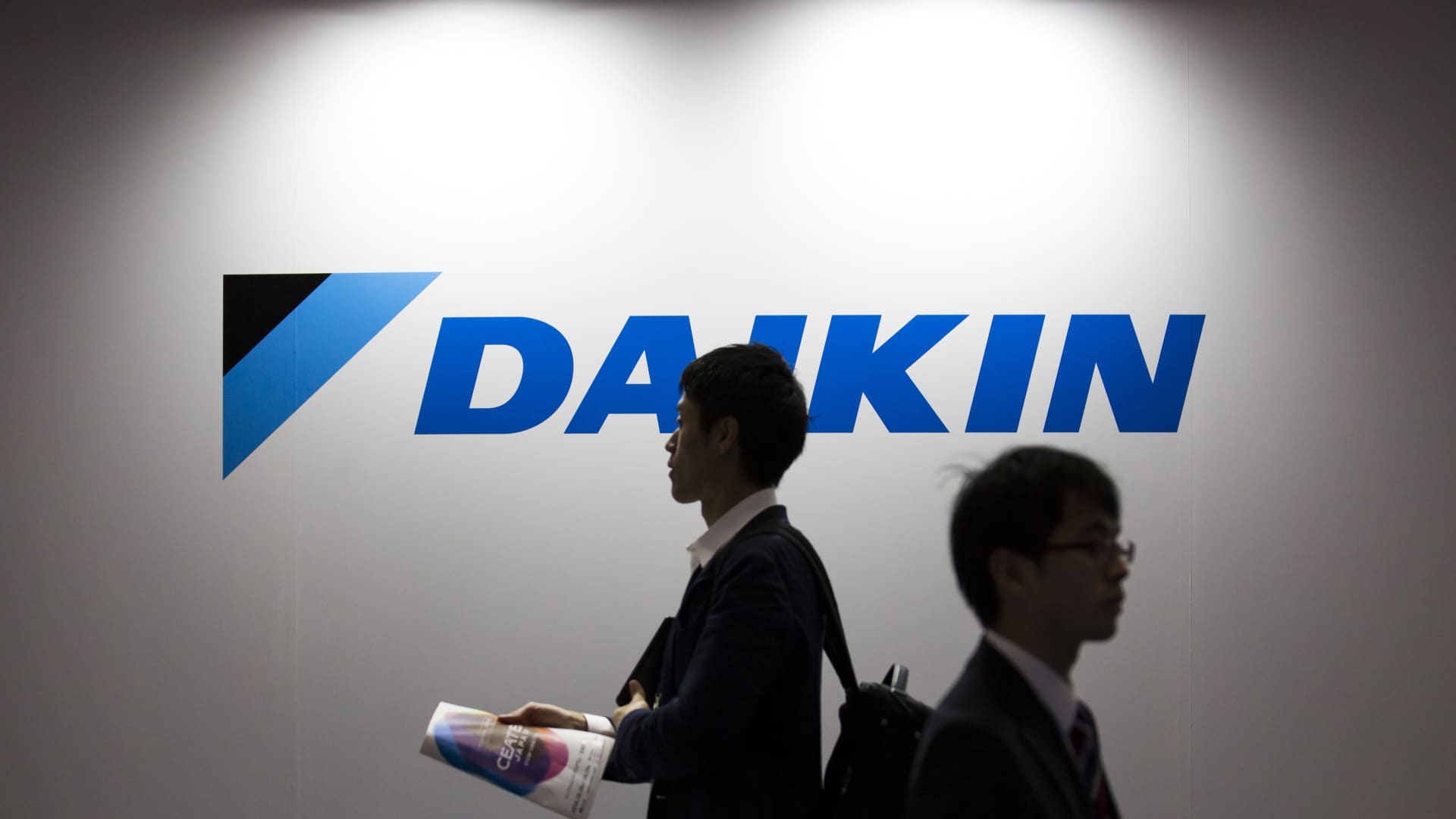
Daikin Industries Shares Surge After Elliott Investment Management's Support
- Significant Stock Surge: Daikin Industries' shares soared by as much as 13.9% on Thursday, later stabilizing at around 11%, primarily driven by activist investor Elliott Investment Management's commitment to collaborate with the company to enhance performance and close the valuation gap with peers.
- Investor Confidence Boost: Elliott's substantial investment reflects a belief that Daikin's market-leading businesses and impressive long-term growth track record are significantly undervalued, which is expected to drive the company to implement concrete measures to improve margins and shareholder returns.
- Management Plan Opportunity: The upcoming medium-term management plan presents a crucial opportunity for Daikin to address the root causes of its undervaluation, with Elliott emphasizing a review of non-core business portfolios to optimize resource allocation and enhance overall competitiveness.
- Growing Market Demand: With the acceleration of data center construction and prolonged heatwaves increasing demand for HVAC systems among households and commercial users, Daikin, as an industry giant, is positioned favorably in a robust market, despite its stock showing little change earlier this year.
See More

Samsung SDS Shares Surge 21.3% Following KKR Investment
- Significant Investment: KKR's agreement to invest 1.22 trillion won (approximately $820 million) in newly issued convertible bonds from Samsung SDS led to a 21.3% surge in the company's shares on Wednesday, reflecting strong market confidence in its growth potential.
- Rising AI Infrastructure Demand: In response to increasing demand for AI services, Samsung SDS plans to utilize this investment to enhance its infrastructure and capabilities, particularly in end-to-end AI transformation services, thereby reinforcing its competitive position in the market.
- Broad Strategic Collaboration: Samsung SDS President and CEO Jun Hee Lee stated that the strategic collaboration with KKR will actively explore various growth opportunities, including M&A, leveraging KKR's expertise in global capital markets to drive business development.
- Enhanced Market Confidence: KKR Partner Chung Ho Park emphasized that the growing demand for digital transformation and AI solutions strongly supports Samsung SDS's market leadership and growth potential in advancing Korea's digital capabilities and infrastructure.
See More

KKR Partners with Samsung SDS for Strategic Growth
- Strategic Partnership: KKR and Samsung SDS have formed a strategic partnership aimed at supporting Samsung SDS's next growth phase, focusing on driving both organic and inorganic growth strategies to enhance long-term value creation.
- Investment Amount: Funds managed by KKR have entered into agreements to acquire KRW 1.22 trillion (approximately $820 million) of newly issued convertible bonds from Samsung SDS, which will be used to strengthen infrastructure and capabilities.
- Advisory Role: KKR will actively serve as an advisor on mergers and acquisitions, capital allocation, and global strategic growth opportunities, working closely with Samsung SDS's management team to expand its role as a full-stack AI solutions provider.
- Market Reaction: Samsung SDS's stock price surged by 17.28% to KRW 177,700, reflecting positive market sentiment regarding the partnership and reinforcing its competitive position in end-to-end AI transformation services.
See More

Asia-Pacific Markets Rise on Falling Oil Prices
- Market Rebound: Asia-Pacific markets opened higher on Wednesday, influenced by overnight gains in U.S. stocks, with South Korea's Kospi index rising 2.95%, indicating a rebound in investor confidence.
- Falling Oil Prices: As of 9:45 p.m. ET, West Texas Intermediate crude fell 0.65% to $90.68 per barrel, while Brent crude dropped 0.34% to $94.47 per barrel, reflecting rising hopes for a diplomatic resolution to the Middle East conflict.
- Strong Tech Stocks: Shares of Samsung SDS surged 20% following news that KKR will purchase $820 million of its convertible bonds, which is expected to strengthen the company's capital structure and drive future growth.
- Chinese Bond Issuance: China's finance ministry announced it will issue 15.5 billion yuan-denominated treasury bonds in Hong Kong on April 22, aimed at enhancing market liquidity and supporting economic recovery.
See More

KKR Invests $820 Million in Samsung SDS for Growth
- Strategic Partnership: KKR has formed a strategic partnership with Samsung SDS, investing KRW 1.22 trillion ($820 million) through managed funds to support Samsung SDS's organic and inorganic growth strategies, thereby enhancing its market position in AI solutions.
- Clear Investment Utilization: Samsung SDS plans to utilize this investment to strengthen its infrastructure and capabilities, particularly in end-to-end AI transformation services, which is expected to significantly enhance its competitiveness in key growth areas.
- Global Market Expansion: KKR will provide active advisory support to Samsung SDS, especially in M&A and capital allocation, helping the company pursue strategic growth opportunities globally, thus driving long-term value creation.
- Industry Leadership: Established in 1985, Samsung SDS is a leading enterprise IT solutions provider with annual revenue of KRW 14 trillion and approximately 26,000 employees, and KKR's investment will further solidify its leadership in the digital transformation and AI solutions market.
See More
Samsung SDS Shares Surge 21.3% Following KKR's $820 Million Investment
- Investment Agreement: Global private equity firm KKR has agreed to invest 1.22 trillion won (approximately $820 million) in newly issued convertible bonds from Samsung SDS, leading to a 21.3% surge in its stock price on Wednesday, reflecting strong market confidence in its future growth.
- AI Infrastructure Investment: This investment will accelerate Samsung SDS's commitment to AI infrastructure, aiming to meet the surging demand for AI services, thereby solidifying its position as a full-stack AI solutions provider and enhancing its competitiveness in digital transformation.
- Strategic Collaboration Opportunities: Samsung SDS CEO Jun Hee Lee stated that KKR will provide advisory services on mergers and acquisitions, capital allocation, and global expansion, actively exploring various growth opportunities by leveraging KKR's expertise in global capital markets to further strengthen the company's market leadership.
- Optimistic Market Outlook: KKR's investment will primarily come from its Asia Fund IV, with the transaction expected to close in the second quarter, and as demand for digital transformation and AI solutions increases, Samsung SDS's critical role in advancing Korea's digital capabilities and infrastructure will be further reinforced.
See More
Daikin Industries Shares Surge After Elliott Investment Management's Support
- Significant Stock Surge: Daikin Industries' shares soared by as much as 13.9% on Thursday, later stabilizing at around 11%, primarily driven by activist investor Elliott Investment Management's commitment to collaborate with the company to enhance performance and close the valuation gap with peers.
- Investor Confidence Boost: Elliott's substantial investment reflects a belief that Daikin's market-leading businesses and impressive long-term growth track record are significantly undervalued, which is expected to drive the company to implement concrete measures to improve margins and shareholder returns.
- Management Plan Opportunity: The upcoming medium-term management plan presents a crucial opportunity for Daikin to address the root causes of its undervaluation, with Elliott emphasizing a review of non-core business portfolios to optimize resource allocation and enhance overall competitiveness.
- Growing Market Demand: With the acceleration of data center construction and prolonged heatwaves increasing demand for HVAC systems among households and commercial users, Daikin, as an industry giant, is positioned favorably in a robust market, despite its stock showing little change earlier this year.
See More
Samsung SDS Shares Surge 21.3% Following KKR Investment
- Significant Investment: KKR's agreement to invest 1.22 trillion won (approximately $820 million) in newly issued convertible bonds from Samsung SDS led to a 21.3% surge in the company's shares on Wednesday, reflecting strong market confidence in its growth potential.
- Rising AI Infrastructure Demand: In response to increasing demand for AI services, Samsung SDS plans to utilize this investment to enhance its infrastructure and capabilities, particularly in end-to-end AI transformation services, thereby reinforcing its competitive position in the market.
- Broad Strategic Collaboration: Samsung SDS President and CEO Jun Hee Lee stated that the strategic collaboration with KKR will actively explore various growth opportunities, including M&A, leveraging KKR's expertise in global capital markets to drive business development.
- Enhanced Market Confidence: KKR Partner Chung Ho Park emphasized that the growing demand for digital transformation and AI solutions strongly supports Samsung SDS's market leadership and growth potential in advancing Korea's digital capabilities and infrastructure.
See More
KKR Partners with Samsung SDS for Strategic Growth
- Strategic Partnership: KKR and Samsung SDS have formed a strategic partnership aimed at supporting Samsung SDS's next growth phase, focusing on driving both organic and inorganic growth strategies to enhance long-term value creation.
- Investment Amount: Funds managed by KKR have entered into agreements to acquire KRW 1.22 trillion (approximately $820 million) of newly issued convertible bonds from Samsung SDS, which will be used to strengthen infrastructure and capabilities.
- Advisory Role: KKR will actively serve as an advisor on mergers and acquisitions, capital allocation, and global strategic growth opportunities, working closely with Samsung SDS's management team to expand its role as a full-stack AI solutions provider.
- Market Reaction: Samsung SDS's stock price surged by 17.28% to KRW 177,700, reflecting positive market sentiment regarding the partnership and reinforcing its competitive position in end-to-end AI transformation services.
See More
Asia-Pacific Markets Rise on Falling Oil Prices
- Market Rebound: Asia-Pacific markets opened higher on Wednesday, influenced by overnight gains in U.S. stocks, with South Korea's Kospi index rising 2.95%, indicating a rebound in investor confidence.
- Falling Oil Prices: As of 9:45 p.m. ET, West Texas Intermediate crude fell 0.65% to $90.68 per barrel, while Brent crude dropped 0.34% to $94.47 per barrel, reflecting rising hopes for a diplomatic resolution to the Middle East conflict.
- Strong Tech Stocks: Shares of Samsung SDS surged 20% following news that KKR will purchase $820 million of its convertible bonds, which is expected to strengthen the company's capital structure and drive future growth.
- Chinese Bond Issuance: China's finance ministry announced it will issue 15.5 billion yuan-denominated treasury bonds in Hong Kong on April 22, aimed at enhancing market liquidity and supporting economic recovery.
See More
KKR Invests $820 Million in Samsung SDS for Growth
- Strategic Partnership: KKR has formed a strategic partnership with Samsung SDS, investing KRW 1.22 trillion ($820 million) through managed funds to support Samsung SDS's organic and inorganic growth strategies, thereby enhancing its market position in AI solutions.
- Clear Investment Utilization: Samsung SDS plans to utilize this investment to strengthen its infrastructure and capabilities, particularly in end-to-end AI transformation services, which is expected to significantly enhance its competitiveness in key growth areas.
- Global Market Expansion: KKR will provide active advisory support to Samsung SDS, especially in M&A and capital allocation, helping the company pursue strategic growth opportunities globally, thus driving long-term value creation.
- Industry Leadership: Established in 1985, Samsung SDS is a leading enterprise IT solutions provider with annual revenue of KRW 14 trillion and approximately 26,000 employees, and KKR's investment will further solidify its leadership in the digital transformation and AI solutions market.
See More