Regeneron Stock Plummets Over 10% After Trial Failure
Written by Emily J. Thompson, Senior Investment Analyst
Updated: 14 hours ago
0mins
Should l Buy REGN?
Source: PRnewswire
- Trial Results Disappoint: Regeneron's Phase 3 melanoma trial of fianlimab plus Libtayo failed to meet its primary endpoint, causing the stock to open down over 10% on May 16, 2026, significantly impacting investor confidence and market perception.
- Executives' Optimism: Despite the trial failure, Regeneron executives expressed optimism during healthcare conferences in November and December 2025, suggesting that delays in the LAG-3 study indicated good performance of test arms, reflecting management's confidence in future prospects.
- Investor Legal Rights: Following the sharp stock decline, Regeneron shareholders are encouraged to submit their information to discuss their legal rights, highlighting concerns over the company's transparency and information disclosure practices in the market.
- Potential Misleading Statements Investigation: The investigation focuses on whether Regeneron made materially false or misleading statements regarding the potential and progress of its Phase 3 melanoma trial, aiming to protect investors' interests and pursue potential compensation for losses.
Trade with 70% Backtested Accuracy
Stop guessing "Should I Buy REGN?" and start using high-conviction signals backed by rigorous historical data.
Sign up today to access powerful investing tools and make smarter, data-driven decisions.
Analyst Views on REGN
Wall Street analysts forecast REGN stock price to rise
22 Analyst Rating
16 Buy
6 Hold
0 Sell
Moderate Buy
Current: 698.250

Low
637.00
Averages
808.50
High
1057
Current: 698.250
Low
637.00
Averages
808.50
High
1057
About REGN
Regeneron Pharmaceuticals, Inc. is a fully integrated biotechnology company. The Company invents, develops, manufactures, and commercializes medicines for people with serious diseases. Its products and product candidates in development are designed to help patients with eye diseases, allergic and inflammatory diseases, cancer, cardiovascular and metabolic diseases, neurological diseases, hematologic conditions, infectious diseases, and rare diseases. The Company is accelerating drug development using its proprietary technologies, such as VelociSuite, which produces optimized fully human antibodies and new classes of bispecific antibodies. VelociSuite consists of VelocImmune, VelociGene, VelociMouse, VelociMab, Veloci-Bi, VelociT, VelociHum, and other related technologies. Its marketed products include EYLEA (aflibercept); Dupixent (dupilumab); Libtayo (cemiplimab); Ordspono (odronextamab); Kevzara (sarilumab); Itepekimab; Lynozyfic, and others.
About the author

Emily J. Thompson
Emily J. Thompson, a Chartered Financial Analyst (CFA) with 12 years in investment research, graduated with honors from the Wharton School. Specializing in industrial and technology stocks, she provides in-depth analysis for Intellectia’s earnings and market brief reports.

Regeneron's Drug Trial Failure Leads to Stock Plunge

- Trial Results Disappoint: Regeneron's Phase 3 melanoma trial of fianlimab plus Libtayo failed to meet its primary endpoint, resulting in a more than 10% drop in stock price on May 16, 2026, causing significant losses for investors.
- Investor Confidence Shaken: Although Regeneron executives expressed optimism about a delay in the LAG-3 study during healthcare conferences in late 2025, the trial failure has clearly undermined market confidence in the company's future potential.
- Legal Investigation Launched: Following the trial failure, Regeneron is facing a legal investigation from investors, who are encouraged to submit their information to discuss their legal rights, highlighting concerns over the company's transparency and information disclosure.
- Market Reaction Intense: The stock plunge not only reflects investor worries about Regeneron's future prospects but may also impact its reputation and financing capabilities in the biopharmaceutical industry, further intensifying market pressures on the company.
See More
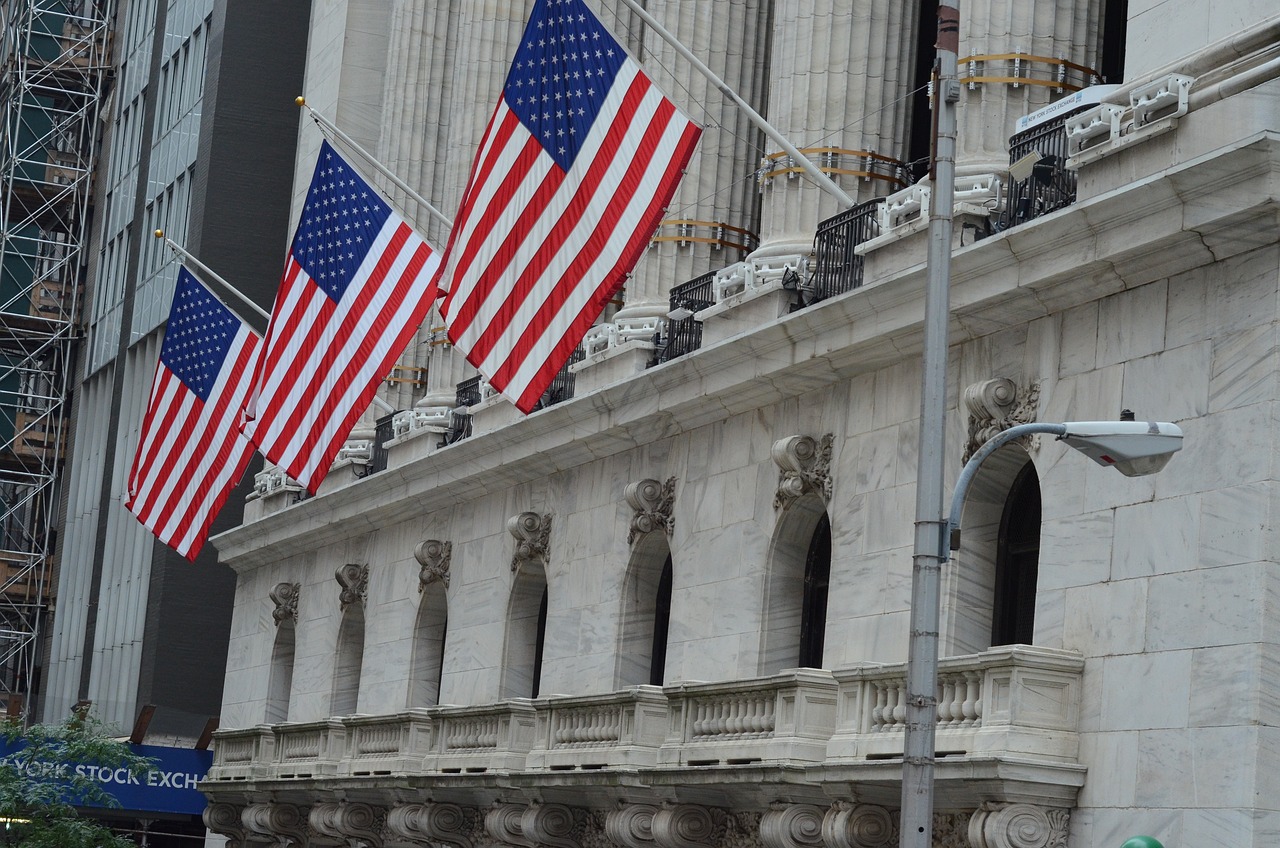
Mixed US Stock Close as Oil Prices Volatile Amid Geopolitical Tensions


- Mixed Market Performance: The S&P 500 index fell by 0.07%, while the Dow Jones Industrial Average rose by 0.32%, and the Nasdaq 100 index decreased by 0.45%, indicating a divergence in market performance amid oil price volatility and geopolitical tensions.
- Oil Price Volatility: Crude oil prices surged to a three-week high on Monday due to Iran's comments on US demands being 'excessive and unrealistic', but prices fell sharply later when President Trump canceled a planned strike on Iran, highlighting the direct impact of geopolitical events on the market.
- Supportive Economic Data: The May NAHB housing market index rose by 3 to 37, exceeding expectations, which indicates resilience in the housing market and may provide some support for stocks.
- Weak Chinese Economic Indicators: China's April industrial production rose by 4.1% year-on-year, below the expected 6.0%, with retail sales and new home prices also underperforming, reflecting potential risks to global growth prospects.
See More

Regeneron Stock Plummets Over 10% After Trial Failure
- Trial Results Disappoint: Regeneron's Phase 3 melanoma trial of fianlimab plus Libtayo failed to meet its primary endpoint, causing the stock to open down over 10% on May 16, 2026, significantly impacting investor confidence and market perception.
- Executives' Optimism: Despite the trial failure, Regeneron executives expressed optimism during healthcare conferences in November and December 2025, suggesting that delays in the LAG-3 study indicated good performance of test arms, reflecting management's confidence in future prospects.
- Investor Legal Rights: Following the sharp stock decline, Regeneron shareholders are encouraged to submit their information to discuss their legal rights, highlighting concerns over the company's transparency and information disclosure practices in the market.
- Potential Misleading Statements Investigation: The investigation focuses on whether Regeneron made materially false or misleading statements regarding the potential and progress of its Phase 3 melanoma trial, aiming to protect investors' interests and pursue potential compensation for losses.
See More
NextEra's Acquisition of Dominion Drives Stock Surge
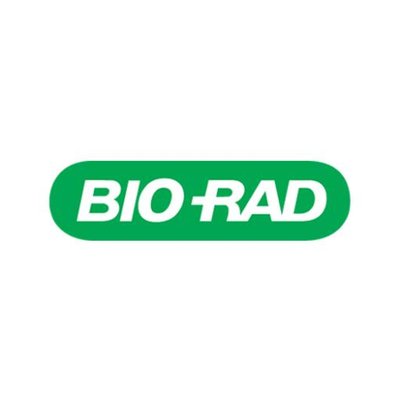

- Acquisition Impact: NextEra Energy's announcement of an all-stock acquisition of Dominion Energy led to a more than 9% surge in Dominion's shares, positioning the combined entity as the world's largest regulated electric utility, significantly enhancing market presence.
- Cruise Industry Recovery: Viking Holdings' stock rose nearly 2% after Wells Fargo upgraded its rating to overweight, with 2027 advanced bookings up 31% from the previous year, indicating strong demand despite concerns over the U.S.-Iran conflict.
- Stock Buyback Plan: Cognizant Technology Solutions saw its shares increase by nearly 7% after doubling its stock repurchase target to approximately $2 billion for this year, which is expected to boost investor confidence and enhance shareholder value.
- Medical Device Investment: Boston Scientific's shares rose over 3% as it announced a $2 billion accelerated stock repurchase plan and a $1.5 billion investment in MiRus, allowing it to re-enter the transcatheter aortic valve replacement market, demonstrating strategic expansion in the medical field.
See More
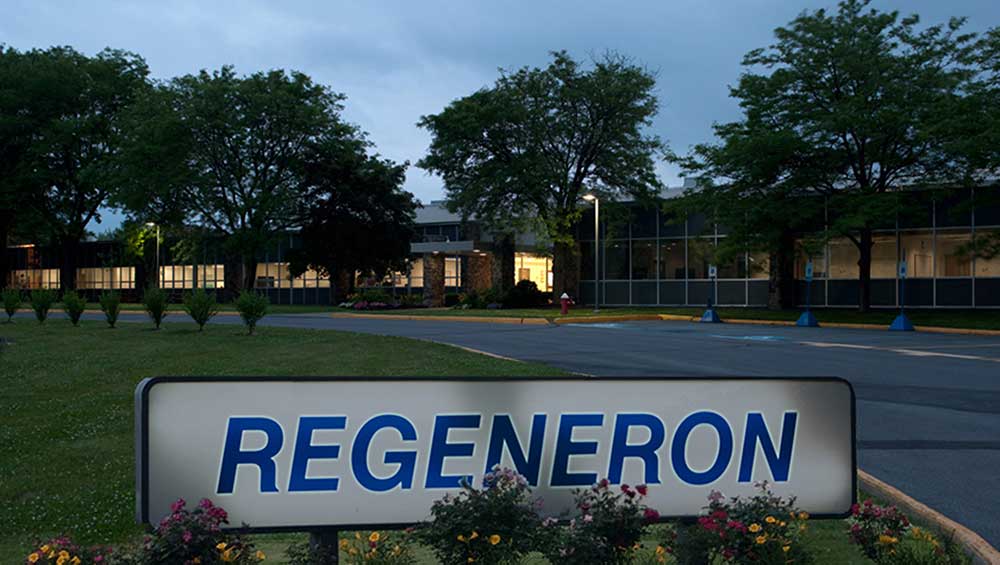
Regeneron Stock Plummets After Melanoma Treatment Fails Phase 3 Trial

- Clinical Trial Failure: Regeneron's experimental melanoma treatment failed to meet expectations in Phase 3 testing, leading to a significant stock price drop on Monday, severely undermining market confidence in its future product pipeline.
- Severe Market Reaction: The stock plummeted over 20%, reflecting investor concerns about the company's research capabilities, which could impact future financing and partnership opportunities, further weakening its market position.
- Significant Financial Impact: This failure may lead to downward revisions in revenue expectations for the coming quarters, particularly threatening its market share in melanoma treatment and affecting overall financial health.
- Strategic Reevaluation Needed: In light of the R&D setback, Regeneron may need to reassess its product pipeline and research strategies to restore investor confidence and ensure long-term sustainable growth.
See More

Market Valuation Hits 20-Year High Amid Inflation Fears

- Market Valuation Surge: The Schiller PE metric indicates that after a week of significant gains, the market is now at its highest valuation since the dot-com crash, reflecting investor concerns about future economic prospects.
- Treasury Yields Spike: The 30-year Treasury yield hit its highest level in nearly 20 years at 5.12%, while the 10-year note finished at 4.60%, indicating heightened inflation fears that may compel the Federal Reserve to raise rates in the near future.
- Small-Cap Stocks Hit Hard: The Russell 2000 index fell 2.44% to close at 2,793 on Friday, highlighting the vulnerability of small-cap stocks amid market volatility, which may lead investors to reassess their risk appetite.
- Commodity Market Turmoil: Gold and silver prices dropped 2.26% and 8.61% respectively, reflecting investor fears of potential rate hikes that diminished the appeal of safe-haven assets, further exacerbating market uncertainty.
See More
Regeneron's Drug Trial Failure Leads to Stock Plunge
- Trial Results Disappoint: Regeneron's Phase 3 melanoma trial of fianlimab plus Libtayo failed to meet its primary endpoint, resulting in a more than 10% drop in stock price on May 16, 2026, causing significant losses for investors.
- Investor Confidence Shaken: Although Regeneron executives expressed optimism about a delay in the LAG-3 study during healthcare conferences in late 2025, the trial failure has clearly undermined market confidence in the company's future potential.
- Legal Investigation Launched: Following the trial failure, Regeneron is facing a legal investigation from investors, who are encouraged to submit their information to discuss their legal rights, highlighting concerns over the company's transparency and information disclosure.
- Market Reaction Intense: The stock plunge not only reflects investor worries about Regeneron's future prospects but may also impact its reputation and financing capabilities in the biopharmaceutical industry, further intensifying market pressures on the company.
See More
Mixed US Stock Close as Oil Prices Volatile Amid Geopolitical Tensions
- Mixed Market Performance: The S&P 500 index fell by 0.07%, while the Dow Jones Industrial Average rose by 0.32%, and the Nasdaq 100 index decreased by 0.45%, indicating a divergence in market performance amid oil price volatility and geopolitical tensions.
- Oil Price Volatility: Crude oil prices surged to a three-week high on Monday due to Iran's comments on US demands being 'excessive and unrealistic', but prices fell sharply later when President Trump canceled a planned strike on Iran, highlighting the direct impact of geopolitical events on the market.
- Supportive Economic Data: The May NAHB housing market index rose by 3 to 37, exceeding expectations, which indicates resilience in the housing market and may provide some support for stocks.
- Weak Chinese Economic Indicators: China's April industrial production rose by 4.1% year-on-year, below the expected 6.0%, with retail sales and new home prices also underperforming, reflecting potential risks to global growth prospects.
See More
Regeneron Stock Plummets Over 10% After Trial Failure
- Trial Results Disappoint: Regeneron's Phase 3 melanoma trial of fianlimab plus Libtayo failed to meet its primary endpoint, causing the stock to open down over 10% on May 16, 2026, significantly impacting investor confidence and market perception.
- Executives' Optimism: Despite the trial failure, Regeneron executives expressed optimism during healthcare conferences in November and December 2025, suggesting that delays in the LAG-3 study indicated good performance of test arms, reflecting management's confidence in future prospects.
- Investor Legal Rights: Following the sharp stock decline, Regeneron shareholders are encouraged to submit their information to discuss their legal rights, highlighting concerns over the company's transparency and information disclosure practices in the market.
- Potential Misleading Statements Investigation: The investigation focuses on whether Regeneron made materially false or misleading statements regarding the potential and progress of its Phase 3 melanoma trial, aiming to protect investors' interests and pursue potential compensation for losses.
See More
NextEra's Acquisition of Dominion Drives Stock Surge
- Acquisition Impact: NextEra Energy's announcement of an all-stock acquisition of Dominion Energy led to a more than 9% surge in Dominion's shares, positioning the combined entity as the world's largest regulated electric utility, significantly enhancing market presence.
- Cruise Industry Recovery: Viking Holdings' stock rose nearly 2% after Wells Fargo upgraded its rating to overweight, with 2027 advanced bookings up 31% from the previous year, indicating strong demand despite concerns over the U.S.-Iran conflict.
- Stock Buyback Plan: Cognizant Technology Solutions saw its shares increase by nearly 7% after doubling its stock repurchase target to approximately $2 billion for this year, which is expected to boost investor confidence and enhance shareholder value.
- Medical Device Investment: Boston Scientific's shares rose over 3% as it announced a $2 billion accelerated stock repurchase plan and a $1.5 billion investment in MiRus, allowing it to re-enter the transcatheter aortic valve replacement market, demonstrating strategic expansion in the medical field.
See More
Regeneron Stock Plummets After Melanoma Treatment Fails Phase 3 Trial
- Clinical Trial Failure: Regeneron's experimental melanoma treatment failed to meet expectations in Phase 3 testing, leading to a significant stock price drop on Monday, severely undermining market confidence in its future product pipeline.
- Severe Market Reaction: The stock plummeted over 20%, reflecting investor concerns about the company's research capabilities, which could impact future financing and partnership opportunities, further weakening its market position.
- Significant Financial Impact: This failure may lead to downward revisions in revenue expectations for the coming quarters, particularly threatening its market share in melanoma treatment and affecting overall financial health.
- Strategic Reevaluation Needed: In light of the R&D setback, Regeneron may need to reassess its product pipeline and research strategies to restore investor confidence and ensure long-term sustainable growth.
See More
Market Valuation Hits 20-Year High Amid Inflation Fears
- Market Valuation Surge: The Schiller PE metric indicates that after a week of significant gains, the market is now at its highest valuation since the dot-com crash, reflecting investor concerns about future economic prospects.
- Treasury Yields Spike: The 30-year Treasury yield hit its highest level in nearly 20 years at 5.12%, while the 10-year note finished at 4.60%, indicating heightened inflation fears that may compel the Federal Reserve to raise rates in the near future.
- Small-Cap Stocks Hit Hard: The Russell 2000 index fell 2.44% to close at 2,793 on Friday, highlighting the vulnerability of small-cap stocks amid market volatility, which may lead investors to reassess their risk appetite.
- Commodity Market Turmoil: Gold and silver prices dropped 2.26% and 8.61% respectively, reflecting investor fears of potential rate hikes that diminished the appeal of safe-haven assets, further exacerbating market uncertainty.
See More