RBC Downgrades NOV to Sector Perform Amid Inflationary Pressures
Written by Emily J. Thompson, Senior Investment Analyst
Updated: 2 days ago
0mins
Should l Buy NOV?
Source: seekingalpha
- Rating Downgrade Impact: RBC Capital downgraded NOV from Outperform to Sector Perform with a $21 price target, indicating that 15%-20% of the company's revenues from the Middle East are facing inflationary pressures from rising transportation costs, which may be difficult to pass on to customers in real time.
- Cash Flow Forecast: The analyst expects NOV to convert approximately 37% of its EBITDA into free cash flow in 2025, compared to an average of 47% among peers like SLB, Halliburton, and Baker Hughes, suggesting NOV's cash flow generation capability is relatively weak, with the stock currently trading at a 5% free cash flow yield, in line with peers.
- Market Outlook: Despite the significant abatement of working capital tailwinds, the analyst noted that NOV is expected to see improvements in offshore activity beginning in H2 2026, which will drive increased rig aftermarket revenue, alongside continued progress on its Brazil flexible pipe project and improvements in Middle East drilling and completion activities.
- Competitor Dynamics: RBC also downgraded Canadian pure-play provider Trican Well Service to Sector Perform with a C$7.50 price target, citing that the Canadian fracturing market appears well-supplied, leading to softer pricing; despite Trican enhancing its cash-generating capability through the 2025 Iron Horse acquisition, free cash flow in 2026 is expected to be 7% lower than in 2025.
Trade with 70% Backtested Accuracy
Stop guessing "Should I Buy NOV?" and start using high-conviction signals backed by rigorous historical data.
Sign up today to access powerful investing tools and make smarter, data-driven decisions.
Analyst Views on NOV
Wall Street analysts forecast NOV stock price to rise
11 Analyst Rating
5 Buy
5 Hold
1 Sell
Moderate Buy
Current: 19.020

Low
16.00
Averages
19.18
High
23.00
Current: 19.020
Low
16.00
Averages
19.18
High
23.00
About NOV
NOV Inc. is an independent provider of equipment and technology to the upstream oil and gas industry. The Company's proprietary technology portfolio supports the industry’s drilling, completion, and production needs. It operates under two segments: Energy Products and Services, and Energy Equipment. The Company’s Energy Products and Services segment primarily designs, manufactures, rents, and sells products and equipment used in drilling, intervention, completion, and production activities. Its products include drill bits, downhole tools, premium drill pipe, drilling fluids, managed pressure drilling, integral and weld-on connectors for conductor strings and surface casing, completion tools, and artificial lift systems. Its Energy Equipment segment manufactures and supports the capital equipment and integrated systems needed for oil and gas exploration and production, both onshore and offshore, as well as for other marine-based, industrial and renewable energy markets.
About the author

Emily J. Thompson
Emily J. Thompson, a Chartered Financial Analyst (CFA) with 12 years in investment research, graduated with honors from the Wharton School. Specializing in industrial and technology stocks, she provides in-depth analysis for Intellectia’s earnings and market brief reports.

NOV Expects First Quarter Results to Decline
- Earnings Guidance Downgrade: NOV now expects first-quarter revenue to decline to $2.05 billion, down from previous guidance of $2.25 billion, primarily due to operational disruptions caused by ongoing Middle East conflicts, with an estimated revenue loss of $54 million.
- Adjusted EBITDA Impact: The company anticipates adjusted EBITDA of $177 million, significantly lower than the prior expectation of $200 million to $225 million, highlighting the substantial impact of safety and logistical challenges on profitability.
- Historical Performance Comparison: Compared to the first quarter of 2025, which recorded revenue of $2.103 billion and adjusted EBITDA of $252 million, the current expectations indicate a marked decline, reflecting a deteriorating market environment.
- Market Reaction: In pre-market trading on the New York Stock Exchange, NOV's stock fell by 0.47% to $19.01, indicating investor concerns regarding the company's lowered earnings outlook.
See More

RBC Downgrades NOV to Sector Perform Amid Inflationary Pressures
- Rating Downgrade Impact: RBC Capital downgraded NOV from Outperform to Sector Perform with a $21 price target, indicating that 15%-20% of the company's revenues from the Middle East are facing inflationary pressures from rising transportation costs, which may be difficult to pass on to customers in real time.
- Cash Flow Forecast: The analyst expects NOV to convert approximately 37% of its EBITDA into free cash flow in 2025, compared to an average of 47% among peers like SLB, Halliburton, and Baker Hughes, suggesting NOV's cash flow generation capability is relatively weak, with the stock currently trading at a 5% free cash flow yield, in line with peers.
- Market Outlook: Despite the significant abatement of working capital tailwinds, the analyst noted that NOV is expected to see improvements in offshore activity beginning in H2 2026, which will drive increased rig aftermarket revenue, alongside continued progress on its Brazil flexible pipe project and improvements in Middle East drilling and completion activities.
- Competitor Dynamics: RBC also downgraded Canadian pure-play provider Trican Well Service to Sector Perform with a C$7.50 price target, citing that the Canadian fracturing market appears well-supplied, leading to softer pricing; despite Trican enhancing its cash-generating capability through the 2025 Iron Horse acquisition, free cash flow in 2026 is expected to be 7% lower than in 2025.
See More
Impact of Trump's Tariffs One Year Later

- Widespread Tariff Impact: Trump's tariff policies have placed significant economic pressure on U.S. businesses over the past year, with approximately 80% to 85% of costs absorbed by companies, leading to reduced profits and increased consumer prices, thereby exacerbating overall economic uncertainty.
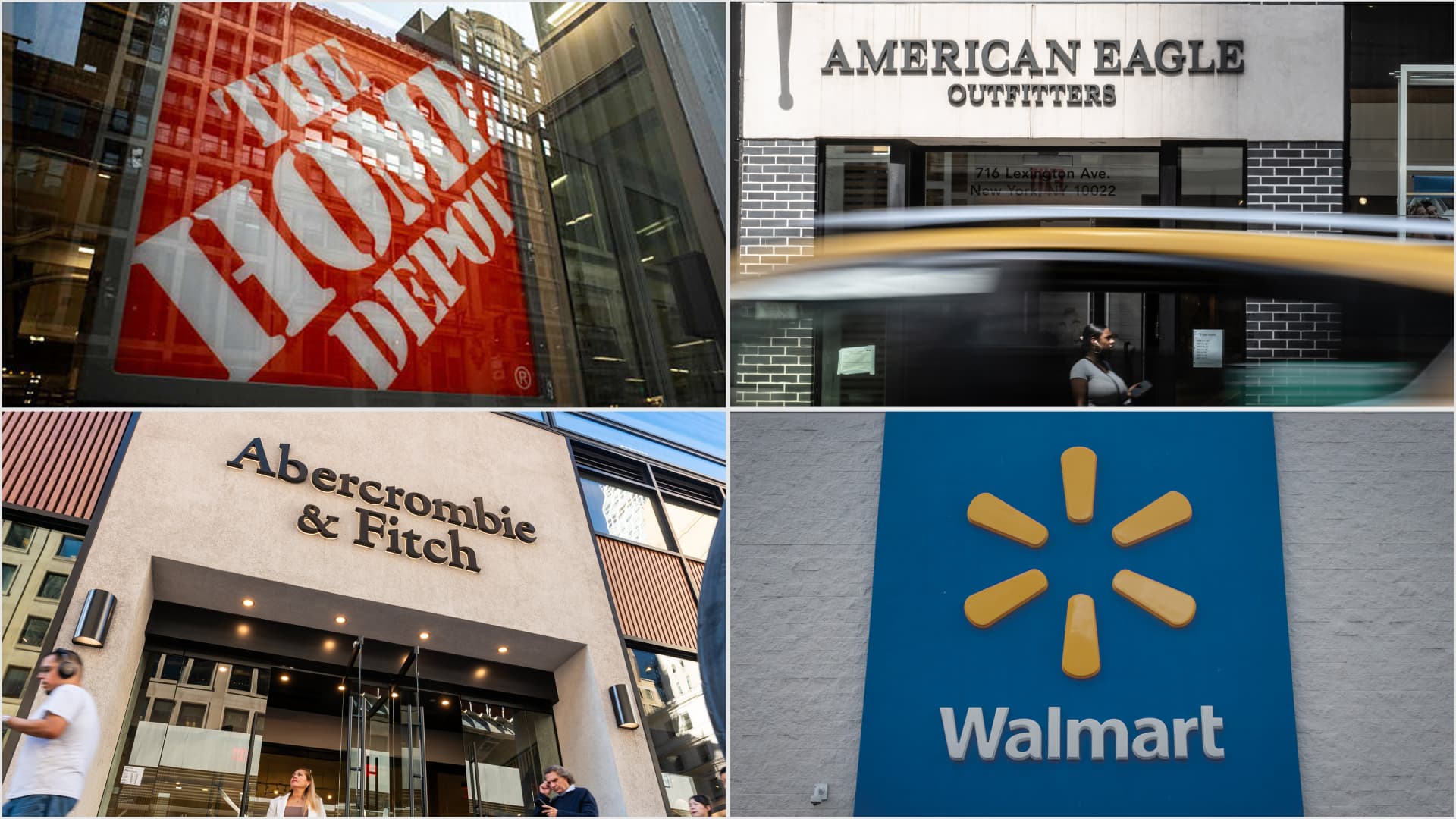
- Retail Sector Adaptation: While large retailers like Walmart have emerged relatively unscathed, smaller businesses have been severely impacted, with Home Depot aiming to limit purchases from any single country to 10% to reduce dependency and enhance supply chain flexibility.
- Automotive Industry Cost Surge: Automakers such as General Motors and Toyota are facing tariff impacts estimated at up to $9.5 billion, and although the Trump administration has taken steps to alleviate overlapping tariffs, overall costs remain significant, forcing companies to reassess their supply chain strategies.
- Pharmaceutical Sector Stability: Pharmaceutical companies have secured three-year tariff exemptions through pricing agreements with Trump, although new tariffs impose 100% on companies that do not reach agreements, the overall industry is still striving to increase investments in U.S. manufacturing.
See More

Iran War Triggers Heavy Selling in European Equity Markets
- Market Sell-Off Pressure: The outbreak of the Iran war has led to significant selling pressure across European equity markets in March, with the UK's FTSE 100 down 5%, while Germany's DAX and France's CAC 40 both fell by 7%, reflecting investor concerns over a second energy price shock in four years.
- Swiss Market Performance: The Swiss Market Index dropped 7.5% in March, hitting a low of approximately 13% down on March 20 before recovering some losses as the conflict evolved, with analysts suggesting that the Swiss equity market is well-positioned for a potential sentiment rebound.
- UBS Analyst Insights: UBS analysts highlighted that Swiss equities, trading at around 16x forward earnings with a 3.2% dividend yield, are now more appealing compared to Swiss franc bonds offering zero interest, prompting an upgrade of Swiss equities to
See More
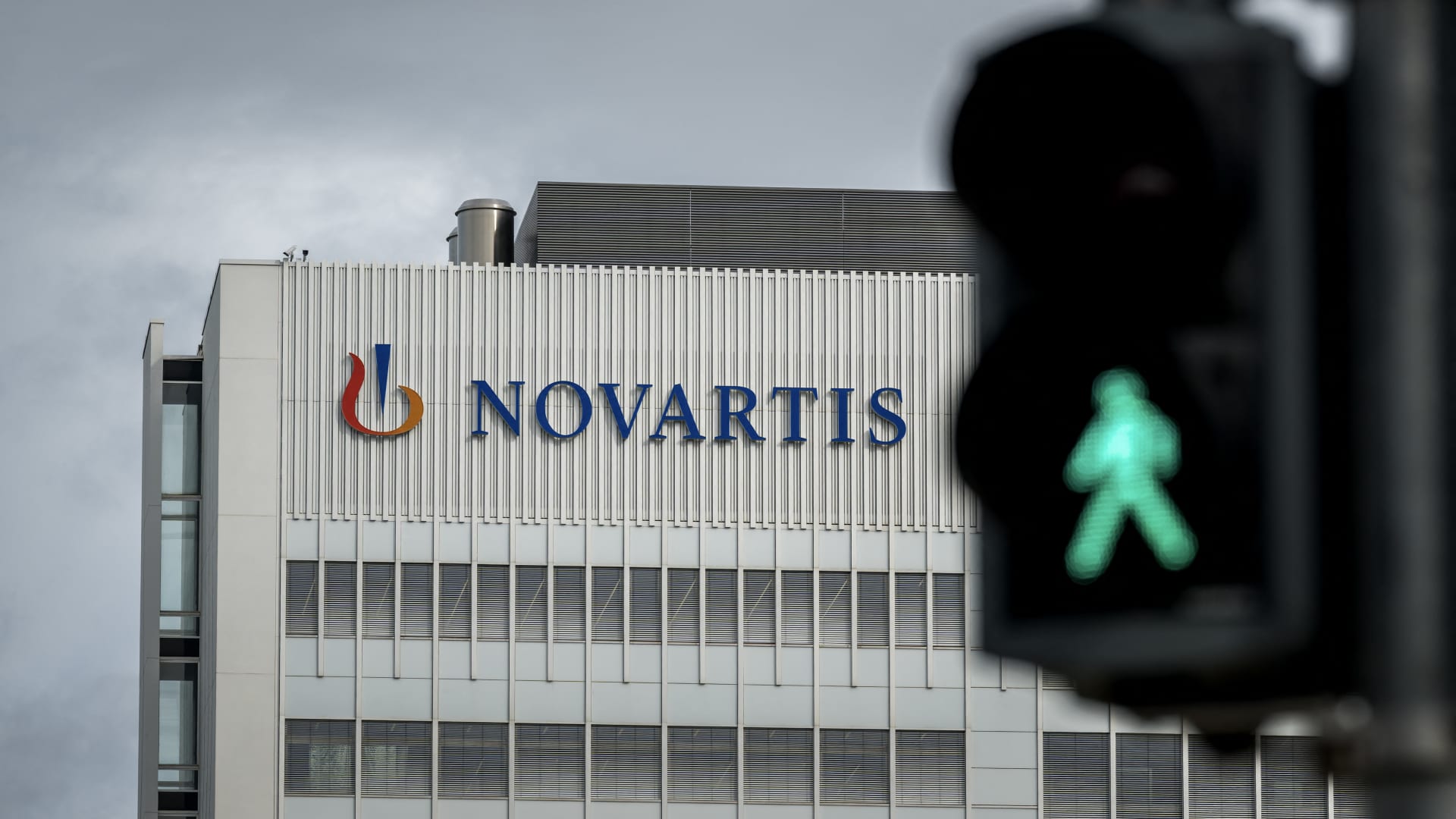
Novartis Plans $2 Billion Acquisition of Excellergy for Allergy Treatment

- Acquisition Strategy: Novartis is planning to acquire U.S.-based biotech Excellergy for up to $2 billion, aiming to enhance its allergy drug portfolio by introducing the early-stage candidate Exl-111, which is expected to outperform existing market treatments in speed and efficacy.
- Patent Expiration Response: This acquisition represents Novartis' latest bolt-on deal to counteract looming patent expirations, particularly as its best-selling drugs face generic competition, which is anticipated to positively impact future revenue streams.
- Recent Transaction Activity: Prior to the Excellergy deal, Novartis announced the acquisition of Pikavation Therapeutics for up to $3 billion to secure rights to an experimental breast cancer drug, highlighting its strategic focus on oncology.
- Market Reaction: While Novartis shares traded sideways in morning trading in Zurich, they have increased by 33% over the past year, reflecting market confidence in its acquisition strategy and future growth potential.
See More

NOV Inc. Invests $200M to Double Subsea Pipe Capacity in Brazil
- Capacity Expansion Plan: NOV Inc. announced a $200M investment to roughly double the capacity of its subsea flexible pipe manufacturing facility in Açu, Brazil, over the next three years to support anticipated long-term demand growth.
- Market Demand Forecast: The company indicated that its current manufacturing capacity is operating at or near full utilization, with a backlog extending into 2028, highlighting the potential for increased offshore development activity.
- Industry Trend Analysis: NOV President and CEO Jose Bayardo emphasized that without the additional capacity planned to come online by late 2029, the industry's current capacity will likely be insufficient to meet demand into the 2030s.
- Customer Support: An executive from Brazilian customer Petrobras stated that as the world's largest consumer of subsea flexible pipe, they support NOV's investment in Brazil, which enhances local manufacturing capabilities.
See More
NOV Expects First Quarter Results to Decline
- Earnings Guidance Downgrade: NOV now expects first-quarter revenue to decline to $2.05 billion, down from previous guidance of $2.25 billion, primarily due to operational disruptions caused by ongoing Middle East conflicts, with an estimated revenue loss of $54 million.
- Adjusted EBITDA Impact: The company anticipates adjusted EBITDA of $177 million, significantly lower than the prior expectation of $200 million to $225 million, highlighting the substantial impact of safety and logistical challenges on profitability.
- Historical Performance Comparison: Compared to the first quarter of 2025, which recorded revenue of $2.103 billion and adjusted EBITDA of $252 million, the current expectations indicate a marked decline, reflecting a deteriorating market environment.
- Market Reaction: In pre-market trading on the New York Stock Exchange, NOV's stock fell by 0.47% to $19.01, indicating investor concerns regarding the company's lowered earnings outlook.
See More
RBC Downgrades NOV to Sector Perform Amid Inflationary Pressures
- Rating Downgrade Impact: RBC Capital downgraded NOV from Outperform to Sector Perform with a $21 price target, indicating that 15%-20% of the company's revenues from the Middle East are facing inflationary pressures from rising transportation costs, which may be difficult to pass on to customers in real time.
- Cash Flow Forecast: The analyst expects NOV to convert approximately 37% of its EBITDA into free cash flow in 2025, compared to an average of 47% among peers like SLB, Halliburton, and Baker Hughes, suggesting NOV's cash flow generation capability is relatively weak, with the stock currently trading at a 5% free cash flow yield, in line with peers.
- Market Outlook: Despite the significant abatement of working capital tailwinds, the analyst noted that NOV is expected to see improvements in offshore activity beginning in H2 2026, which will drive increased rig aftermarket revenue, alongside continued progress on its Brazil flexible pipe project and improvements in Middle East drilling and completion activities.
- Competitor Dynamics: RBC also downgraded Canadian pure-play provider Trican Well Service to Sector Perform with a C$7.50 price target, citing that the Canadian fracturing market appears well-supplied, leading to softer pricing; despite Trican enhancing its cash-generating capability through the 2025 Iron Horse acquisition, free cash flow in 2026 is expected to be 7% lower than in 2025.
See More
Impact of Trump's Tariffs One Year Later
- Widespread Tariff Impact: Trump's tariff policies have placed significant economic pressure on U.S. businesses over the past year, with approximately 80% to 85% of costs absorbed by companies, leading to reduced profits and increased consumer prices, thereby exacerbating overall economic uncertainty.
- Retail Sector Adaptation: While large retailers like Walmart have emerged relatively unscathed, smaller businesses have been severely impacted, with Home Depot aiming to limit purchases from any single country to 10% to reduce dependency and enhance supply chain flexibility.
- Automotive Industry Cost Surge: Automakers such as General Motors and Toyota are facing tariff impacts estimated at up to $9.5 billion, and although the Trump administration has taken steps to alleviate overlapping tariffs, overall costs remain significant, forcing companies to reassess their supply chain strategies.
- Pharmaceutical Sector Stability: Pharmaceutical companies have secured three-year tariff exemptions through pricing agreements with Trump, although new tariffs impose 100% on companies that do not reach agreements, the overall industry is still striving to increase investments in U.S. manufacturing.
See More
Iran War Triggers Heavy Selling in European Equity Markets
- Market Sell-Off Pressure: The outbreak of the Iran war has led to significant selling pressure across European equity markets in March, with the UK's FTSE 100 down 5%, while Germany's DAX and France's CAC 40 both fell by 7%, reflecting investor concerns over a second energy price shock in four years.
- Swiss Market Performance: The Swiss Market Index dropped 7.5% in March, hitting a low of approximately 13% down on March 20 before recovering some losses as the conflict evolved, with analysts suggesting that the Swiss equity market is well-positioned for a potential sentiment rebound.
- UBS Analyst Insights: UBS analysts highlighted that Swiss equities, trading at around 16x forward earnings with a 3.2% dividend yield, are now more appealing compared to Swiss franc bonds offering zero interest, prompting an upgrade of Swiss equities to
See More
Novartis Plans $2 Billion Acquisition of Excellergy for Allergy Treatment
- Acquisition Strategy: Novartis is planning to acquire U.S.-based biotech Excellergy for up to $2 billion, aiming to enhance its allergy drug portfolio by introducing the early-stage candidate Exl-111, which is expected to outperform existing market treatments in speed and efficacy.
- Patent Expiration Response: This acquisition represents Novartis' latest bolt-on deal to counteract looming patent expirations, particularly as its best-selling drugs face generic competition, which is anticipated to positively impact future revenue streams.
- Recent Transaction Activity: Prior to the Excellergy deal, Novartis announced the acquisition of Pikavation Therapeutics for up to $3 billion to secure rights to an experimental breast cancer drug, highlighting its strategic focus on oncology.
- Market Reaction: While Novartis shares traded sideways in morning trading in Zurich, they have increased by 33% over the past year, reflecting market confidence in its acquisition strategy and future growth potential.
See More
NOV Inc. Invests $200M to Double Subsea Pipe Capacity in Brazil
- Capacity Expansion Plan: NOV Inc. announced a $200M investment to roughly double the capacity of its subsea flexible pipe manufacturing facility in Açu, Brazil, over the next three years to support anticipated long-term demand growth.
- Market Demand Forecast: The company indicated that its current manufacturing capacity is operating at or near full utilization, with a backlog extending into 2028, highlighting the potential for increased offshore development activity.
- Industry Trend Analysis: NOV President and CEO Jose Bayardo emphasized that without the additional capacity planned to come online by late 2029, the industry's current capacity will likely be insufficient to meet demand into the 2030s.
- Customer Support: An executive from Brazilian customer Petrobras stated that as the world's largest consumer of subsea flexible pipe, they support NOV's investment in Brazil, which enhances local manufacturing capabilities.
See More