Rapid Growth of Space Economy and Investment Opportunities
- Market Expansion: According to Novaspace's report, the global space economy reached $626 billion in 2025 and is projected to grow to $1 trillion by 2034 at a 12% compound annual growth rate, indicating significant investment potential and market opportunities.
- Rocket Lab's Growth: Rocket Lab completed 21 launches in 2025, setting a record with seven launches in the fourth quarter, while its revenue per launch increased from $7.8 million to $8.5 million, demonstrating strong performance and profitability in the small launch market.
- AST SpaceMobile's Global Coverage: AST SpaceMobile aims to increase its satellite count to between 45 and 60 by year-end, with each satellite costing up to $23 million; however, the company has $2.8 billion in cash reserves, ensuring its capability to expand global broadband services.
- Lockheed Martin's Defense Business: Lockheed Martin's space segment generated $13 billion in sales last year, a 4% year-over-year increase, and secured contracts worth up to $1 billion for tracking satellites, reflecting strong demand and market position in defense and space infrastructure.
Trade with 70% Backtested Accuracy
Analyst Views on RKLB

About RKLB
About the author


Rocket Lab's OSI Acquisition and Long-Term Growth Potential
- Rapid Acquisition Progress: Rocket Lab is swiftly advancing its acquisition of OSI, which is expected to enhance its market competitiveness through vertical integration, significantly boosting revenue and margins by 2027.
- Defense Sector Exposure: This acquisition will increase Rocket Lab's exposure in the defense sector, potentially providing new revenue streams and further solidifying its position in the aerospace industry.
- New Rocket Development: The development of Rocket Lab's Neutron rocket will integrate with OSI's technology, potentially accelerating the launch of new products to meet growing market demand and enhance customer satisfaction.
- Valuation Risks: Despite the compelling growth outlook, the current elevated valuation creates a razor-thin margin for error, necessitating careful risk-reward assessment by investors.

Rocket Lab's OSI Acquisition and Its Long-Term Growth Implications
- Acquisition Progress: Rocket Lab is rapidly advancing its acquisition of OSI, which is expected to enhance operational efficiency through vertical integration, significantly expanding revenue and margins by 2027.
- Defense Sector Exposure: This acquisition will increase Rocket Lab's exposure in the defense sector, anticipated to provide new revenue streams and strengthen its position in a highly competitive market.
- New Rocket Development: The development of Rocket Lab's Neutron rocket is expected to further drive revenue growth, potentially capturing substantial market share by 2027 and enhancing overall profitability.
- Valuation Risks: Despite the compelling growth prospects, the current elevated valuation creates a razor-thin margin for error, meaning any market fluctuations could significantly impact the stock price.

Rapid Growth of Space Economy and Investment Opportunities

- Market Expansion: According to Novaspace's report, the global space economy reached $626 billion in 2025 and is projected to grow to $1 trillion by 2034 at a 12% compound annual growth rate, indicating significant investment potential and market opportunities.
- Rocket Lab's Growth: Rocket Lab completed 21 launches in 2025, setting a record with seven launches in the fourth quarter, while its revenue per launch increased from $7.8 million to $8.5 million, demonstrating strong performance and profitability in the small launch market.
- AST SpaceMobile's Global Coverage: AST SpaceMobile aims to increase its satellite count to between 45 and 60 by year-end, with each satellite costing up to $23 million; however, the company has $2.8 billion in cash reserves, ensuring its capability to expand global broadband services.
- Lockheed Martin's Defense Business: Lockheed Martin's space segment generated $13 billion in sales last year, a 4% year-over-year increase, and secured contracts worth up to $1 billion for tracking satellites, reflecting strong demand and market position in defense and space infrastructure.
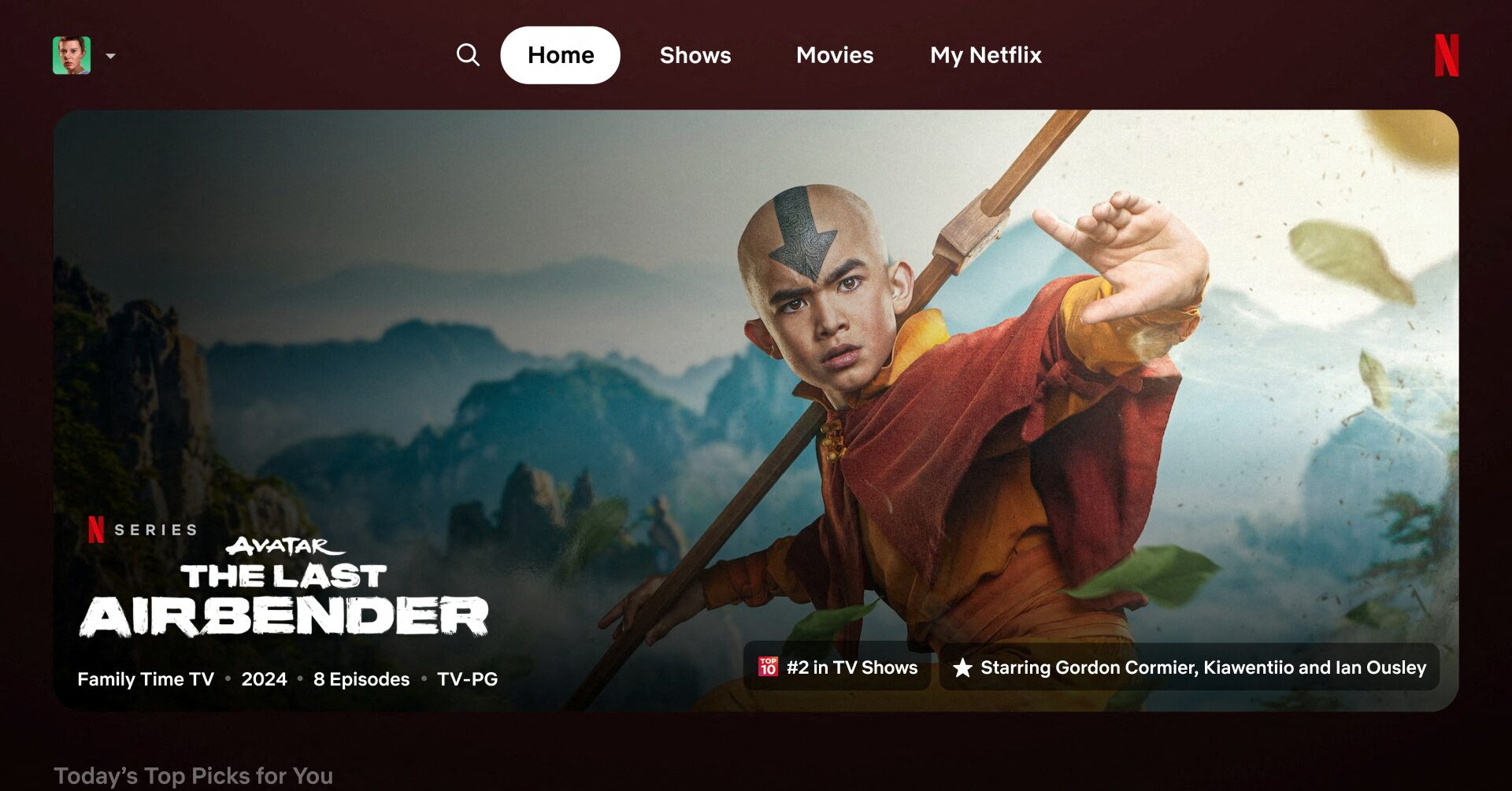
Netflix Abandons Warner Bros. Acquisition as Paramount Steps In

- Acquisition Dynamics: Netflix's initial plan to acquire Warner Bros. Discovery for $27.75 per share was thwarted by Paramount's higher bid of $31 per share, indicating increased market competition, and Netflix shareholders should feel relieved as they avoided taking on significant debt.
- Transaction Uncertainty: While Paramount's offer is more attractive, the complexity and regulatory hurdles surrounding the deal remain, especially considering Paramount's smaller size may face fewer regulatory challenges, adding uncertainty to the transaction's success.
- Financial Flexibility: By not acquiring Warner Bros., Netflix retains greater financial flexibility, avoiding the heavy debt burden that could have deteriorated its financial health, thus providing more options for future investments and expansions.
- Changing Competitive Landscape: The merger of Paramount and Warner Bros. could create a new competitor, and while Netflix still holds an advantage in content acquisition, the future market competition will intensify, necessitating continued innovation from Netflix to maintain its market leadership.
Paramount's Acquisition of Warner Bros. Discovery: Key Developments
- Acquisition Price Increase: Paramount Skydance is set to acquire Warner Bros. Discovery at $31 per share, which is a significant increase from Netflix's previous offer of $27.75, indicating a reassessment of Warner's asset value and potentially enhancing Paramount's competitive position in the market.
- Increased Uncertainty: While Paramount's higher bid suggests confidence, the deal still faces regulatory scrutiny, particularly given Paramount's smaller market share, which may influence the future competitive landscape and the deal's likelihood of closing.
- Cash Flow Assurance: The acquisition includes a daily ticking fee of $0.25 per share and a $7 billion regulatory termination fee, adding complexity to the transaction but also providing cash flow assurances that enhance the deal's attractiveness to investors.
- Changing Competitive Landscape: The merger between Paramount and Warner Bros. could create a new formidable competitor in the market, which may lead to increased debt for Warner Bros. but also prompt Netflix and others to adjust their content acquisition strategies and market approaches.

MarketBeat Weekly Recap – March 2 to March 6

Market Volatility: Rising oil prices and negative job reports have led to a decline in major stock indexes, causing uncertainty among investors, although U.S. stocks have shown resilience overall.
Upcoming Economic Indicators: Investors are anticipating three different readings on inflation, including the Consumer Price Index (CPI) and Producer Price Index (PPI), which are expected to influence market movements.
Company Earnings Reports: Several companies, including AmpX and IONQ, reported strong earnings, while others like Amazon and Wendy's faced challenges, impacting their stock performance and investor sentiment.
Investment Strategies: Analysts are highlighting the importance of cash-rich stocks and defensive utilities, as well as the potential for opportunities in the AI sector, amidst ongoing market fluctuations and uncertainties.
Rocket Lab's OSI Acquisition and Long-Term Growth Potential
- Rapid Acquisition Progress: Rocket Lab is swiftly advancing its acquisition of OSI, which is expected to enhance its market competitiveness through vertical integration, significantly boosting revenue and margins by 2027.
- Defense Sector Exposure: This acquisition will increase Rocket Lab's exposure in the defense sector, potentially providing new revenue streams and further solidifying its position in the aerospace industry.
- New Rocket Development: The development of Rocket Lab's Neutron rocket will integrate with OSI's technology, potentially accelerating the launch of new products to meet growing market demand and enhance customer satisfaction.
- Valuation Risks: Despite the compelling growth outlook, the current elevated valuation creates a razor-thin margin for error, necessitating careful risk-reward assessment by investors.
Rocket Lab's OSI Acquisition and Its Long-Term Growth Implications
- Acquisition Progress: Rocket Lab is rapidly advancing its acquisition of OSI, which is expected to enhance operational efficiency through vertical integration, significantly expanding revenue and margins by 2027.
- Defense Sector Exposure: This acquisition will increase Rocket Lab's exposure in the defense sector, anticipated to provide new revenue streams and strengthen its position in a highly competitive market.
- New Rocket Development: The development of Rocket Lab's Neutron rocket is expected to further drive revenue growth, potentially capturing substantial market share by 2027 and enhancing overall profitability.
- Valuation Risks: Despite the compelling growth prospects, the current elevated valuation creates a razor-thin margin for error, meaning any market fluctuations could significantly impact the stock price.
Rapid Growth of Space Economy and Investment Opportunities
- Market Expansion: According to Novaspace's report, the global space economy reached $626 billion in 2025 and is projected to grow to $1 trillion by 2034 at a 12% compound annual growth rate, indicating significant investment potential and market opportunities.
- Rocket Lab's Growth: Rocket Lab completed 21 launches in 2025, setting a record with seven launches in the fourth quarter, while its revenue per launch increased from $7.8 million to $8.5 million, demonstrating strong performance and profitability in the small launch market.
- AST SpaceMobile's Global Coverage: AST SpaceMobile aims to increase its satellite count to between 45 and 60 by year-end, with each satellite costing up to $23 million; however, the company has $2.8 billion in cash reserves, ensuring its capability to expand global broadband services.
- Lockheed Martin's Defense Business: Lockheed Martin's space segment generated $13 billion in sales last year, a 4% year-over-year increase, and secured contracts worth up to $1 billion for tracking satellites, reflecting strong demand and market position in defense and space infrastructure.
Netflix Abandons Warner Bros. Acquisition as Paramount Steps In
- Acquisition Dynamics: Netflix's initial plan to acquire Warner Bros. Discovery for $27.75 per share was thwarted by Paramount's higher bid of $31 per share, indicating increased market competition, and Netflix shareholders should feel relieved as they avoided taking on significant debt.
- Transaction Uncertainty: While Paramount's offer is more attractive, the complexity and regulatory hurdles surrounding the deal remain, especially considering Paramount's smaller size may face fewer regulatory challenges, adding uncertainty to the transaction's success.
- Financial Flexibility: By not acquiring Warner Bros., Netflix retains greater financial flexibility, avoiding the heavy debt burden that could have deteriorated its financial health, thus providing more options for future investments and expansions.
- Changing Competitive Landscape: The merger of Paramount and Warner Bros. could create a new competitor, and while Netflix still holds an advantage in content acquisition, the future market competition will intensify, necessitating continued innovation from Netflix to maintain its market leadership.
Paramount's Acquisition of Warner Bros. Discovery: Key Developments
- Acquisition Price Increase: Paramount Skydance is set to acquire Warner Bros. Discovery at $31 per share, which is a significant increase from Netflix's previous offer of $27.75, indicating a reassessment of Warner's asset value and potentially enhancing Paramount's competitive position in the market.
- Increased Uncertainty: While Paramount's higher bid suggests confidence, the deal still faces regulatory scrutiny, particularly given Paramount's smaller market share, which may influence the future competitive landscape and the deal's likelihood of closing.
- Cash Flow Assurance: The acquisition includes a daily ticking fee of $0.25 per share and a $7 billion regulatory termination fee, adding complexity to the transaction but also providing cash flow assurances that enhance the deal's attractiveness to investors.
- Changing Competitive Landscape: The merger between Paramount and Warner Bros. could create a new formidable competitor in the market, which may lead to increased debt for Warner Bros. but also prompt Netflix and others to adjust their content acquisition strategies and market approaches.
MarketBeat Weekly Recap – March 2 to March 6
Market Volatility: Rising oil prices and negative job reports have led to a decline in major stock indexes, causing uncertainty among investors, although U.S. stocks have shown resilience overall.
Upcoming Economic Indicators: Investors are anticipating three different readings on inflation, including the Consumer Price Index (CPI) and Producer Price Index (PPI), which are expected to influence market movements.
Company Earnings Reports: Several companies, including AmpX and IONQ, reported strong earnings, while others like Amazon and Wendy's faced challenges, impacting their stock performance and investor sentiment.
Investment Strategies: Analysts are highlighting the importance of cash-rich stocks and defensive utilities, as well as the potential for opportunities in the AI sector, amidst ongoing market fluctuations and uncertainties.