

Qualcomm Forms 6G Coalition with Industry Partners


Qualcomm (QCOM) announced a new strategic coalition with industry partners to accelerate the development and global deployment of 6G. Revealed at MWC Barcelona 2026, the collaboration establishes a milestone-driven roadmap focused on delivering 6G commercial systems starting from 2029 onwards. Global partners supporting this coalition include Airtel, Amazon (AMZN), Asus, BT Group, Cisco (CSCO), Dell (DELL), e&, Ericsson (ERIC), FPT Corporation, Fujitsu/1finity, Google (GOOGL), HP (HP), HPE (HPE), Humain, KDDI, KT, Lenovo, LG Electronics, LG Uplus, Meta (META), Microsoft (MSFT), Motorola, NEC Corporation, Nokia (NOK), NTT Docomo, Reliance Jio, Samsung Electronics, Sharp, SK Telecom, Snap (SNAP), Stellantis (STLA), Swisscom, Tejas Networks, Telstra, TIM Group, T-Mobile (TMUS), Viettel Group, VNG, and YTL.
Trade with 70% Backtested Accuracy
Analyst Views on QCOM

About QCOM
About the author


Dow Jones Hits All-Time High Amid Mixed Market Performance


- Dow Jones High: The Dow Jones Industrial Average surged 1.49% to reach a new all-time high, demonstrating market resilience driven by strong performance in managed healthcare stocks, despite overall market pressures.
- Tech Sector Decline: Broadcom's stock plummeted over 14% due to disappointing AI revenue forecasts, leading to a broader decline in chipmakers, while CrowdStrike fell more than 8% despite beating Q1 earnings expectations, reflecting market caution towards tech stocks.
- Mixed Economic Data: Initial jobless claims rose to 225,000, a 3.75-month high, indicating a weaker labor market, while Q1 nonfarm productivity was revised down to 0.3%, below expectations, potentially impacting future economic growth outlooks.
- Oil Price Impact: WTI crude oil prices fell over 3% amid a ceasefire agreement between Israel and Lebanon, which lowered inflation expectations and provided support for both stock and bond markets, improving investor sentiment.

Mixed US Stock Market with Tech Stocks Under Pressure

- Tech Stock Decline: Broadcom (AVGO) shares plummeted over 15% after its AI revenue forecast fell short, marking it as the largest decliner in the Nasdaq 100, which reflects growing concerns about the tech sector and may dampen investor confidence.
- Weak Employment Data: Initial jobless claims in the US rose by 13,000 to 225,000, reaching a 3.75-month high, indicating a weakening labor market that could lead to downward revisions in growth expectations.
- Healthcare Stocks Strong: UnitedHealth Group (UNH) surged over 6%, leading gains in the S&P 500, after Bank of America upgraded its rating from neutral to buy with a price target of $450, showcasing resilience in the healthcare sector.
- International Market Volatility: European markets showed mixed results, with Eurozone April retail sales falling 0.4% month-over-month, worse than the expected 0.3%, indicating weak consumer spending that could pressure future economic growth.
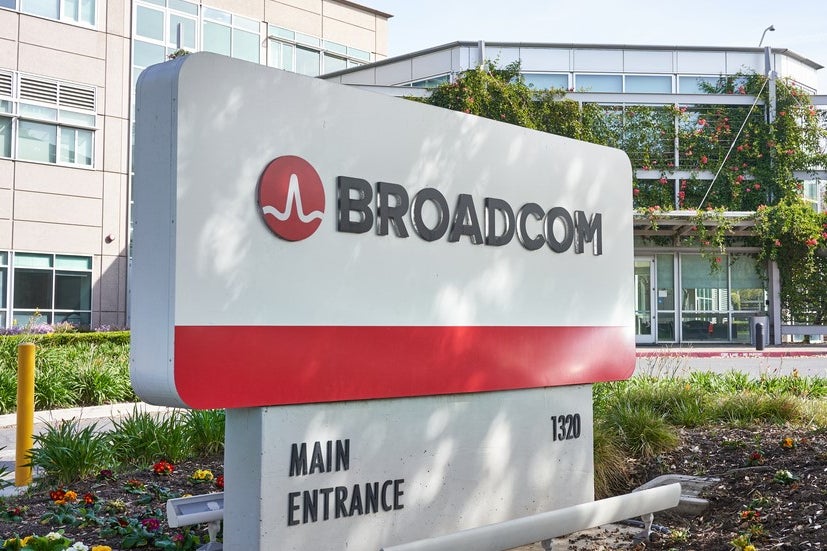
Tech Stocks Retreat, Broadcom Falls 15.1%

- Broadcom Earnings Miss: Broadcom reported weaker-than-expected earnings on Wednesday, leading to a 15.1% drop in premarket trading, which not only undermines investor confidence but also raises concerns about the semiconductor sector's outlook.
- Widespread Chip Market Decline: Following Broadcom's lead, Micron Technology and Marvell Technologies saw declines of 7.1% and 7.5%, respectively, reflecting widespread market anxiety over slowing chip demand, which could impact future investment decisions.
- AI Spending Slowdown: HSBC analysts highlighted a decline in chip prices and a slowdown in AI spending as major concerns, potentially prompting investors to reassess their positions in tech stocks and affecting overall market performance.
- Normal Market Adjustment: Truist Wealth's Chief Market Strategist Keith Lerner noted that a sell-off is typical after strong rallies, and while fundamentals remain solid, the market may face some short-term adjustment pressure following significant gains.

Nvidia Unveils RTX Spark Superchip for PC Market Expansion


- Product Launch: Nvidia unveiled the RTX Spark superchip at the Computex trade show in Taipei, which combines a 20-core Arm processor with a Blackwell graphics chip and supports up to 128GB of unified memory, marking a direct entry into the PC market that poses a threat to Intel, AMD, and Qualcomm.
- Market Reaction: The announcement of RTX Spark led to declines in shares of Intel, AMD, and Qualcomm, while Nvidia's stock rose, indicating market attention and potential impact, although Nvidia's financial stakes in the PC market remain relatively small.
- Competitive Landscape Shift: The RTX Spark aims to transform user experience by running AI agents directly on devices, challenging a market long dominated by Intel and AMD, despite Nvidia's previous unsuccessful attempts in the PC sector over a decade ago.
- Industry Impact Assessment: Intel's PC chip business accounted for over half of its first-quarter revenue, and facing Nvidia's challenge may intensify market pressures, while AMD and Qualcomm must reassess their strategies to counter Nvidia's strong entry.

Nvidia Launches RTX Spark Superchip to Compete in PC Market
- New Superchip Launch: Nvidia unveiled the RTX Spark superchip at the Computex trade show in Taipei, integrating a 20-core Arm processor with a Blackwell graphics chip, marking its direct competition with Intel, AMD, and Qualcomm in the PC market.
- Market Reaction: The announcement of RTX Spark led to declines in the stock prices of Intel, AMD, and Qualcomm, while Nvidia's shares rose, indicating strong market interest and perceived threat from Nvidia's entry into the PC sector.
- Financial Impact: Despite Nvidia's total revenue of $81.6 billion in Q1 2027, with $75.2 billion from data center products, the potential revenue from the PC market remains relatively small, suggesting limited immediate impact on its overall financial health.
- Changing Competitive Landscape: Nvidia's entry could reshape the competitive dynamics of the PC chip market, particularly posing the greatest threat to Intel, whose client computing group accounts for 56% of its total revenue, while Nvidia's strong brand and AI capabilities may attract consumer attention.

US Stock Indices Decline Amid Tensions and Economic Data


- Market Retreat: On Wednesday, the S&P 500 index fell by 0.74%, the Dow Jones Industrial Average dropped by 1.21%, and the Nasdaq 100 index decreased by 0.29%, indicating market vulnerability amid escalating US-Iran tensions that negatively impacted investor sentiment.
- Oil Price Surge: WTI crude oil prices rose over 2% to a 1.5-week high following the US interception of Iranian missiles and drones, heightening concerns about Middle Eastern stability and potentially affecting global supply chains and inflation expectations.
- Strong Employment Data: The US May ADP employment change increased by 122,000, surpassing expectations of 120,000, signaling signs of economic recovery that could support the stock market, although overall market performance remains influenced by other factors.
- Divergent Tech Stock Performance: While Marvell Technology rose over 3%, software and cybersecurity stocks faced significant declines, with Datadog and IBM dropping more than 6%, reflecting a lack of confidence in the tech sector despite some positive developments.
Dow Jones Hits All-Time High Amid Mixed Market Performance
- Dow Jones High: The Dow Jones Industrial Average surged 1.49% to reach a new all-time high, demonstrating market resilience driven by strong performance in managed healthcare stocks, despite overall market pressures.
- Tech Sector Decline: Broadcom's stock plummeted over 14% due to disappointing AI revenue forecasts, leading to a broader decline in chipmakers, while CrowdStrike fell more than 8% despite beating Q1 earnings expectations, reflecting market caution towards tech stocks.
- Mixed Economic Data: Initial jobless claims rose to 225,000, a 3.75-month high, indicating a weaker labor market, while Q1 nonfarm productivity was revised down to 0.3%, below expectations, potentially impacting future economic growth outlooks.
- Oil Price Impact: WTI crude oil prices fell over 3% amid a ceasefire agreement between Israel and Lebanon, which lowered inflation expectations and provided support for both stock and bond markets, improving investor sentiment.
Mixed US Stock Market with Tech Stocks Under Pressure
- Tech Stock Decline: Broadcom (AVGO) shares plummeted over 15% after its AI revenue forecast fell short, marking it as the largest decliner in the Nasdaq 100, which reflects growing concerns about the tech sector and may dampen investor confidence.
- Weak Employment Data: Initial jobless claims in the US rose by 13,000 to 225,000, reaching a 3.75-month high, indicating a weakening labor market that could lead to downward revisions in growth expectations.
- Healthcare Stocks Strong: UnitedHealth Group (UNH) surged over 6%, leading gains in the S&P 500, after Bank of America upgraded its rating from neutral to buy with a price target of $450, showcasing resilience in the healthcare sector.
- International Market Volatility: European markets showed mixed results, with Eurozone April retail sales falling 0.4% month-over-month, worse than the expected 0.3%, indicating weak consumer spending that could pressure future economic growth.
Tech Stocks Retreat, Broadcom Falls 15.1%
- Broadcom Earnings Miss: Broadcom reported weaker-than-expected earnings on Wednesday, leading to a 15.1% drop in premarket trading, which not only undermines investor confidence but also raises concerns about the semiconductor sector's outlook.
- Widespread Chip Market Decline: Following Broadcom's lead, Micron Technology and Marvell Technologies saw declines of 7.1% and 7.5%, respectively, reflecting widespread market anxiety over slowing chip demand, which could impact future investment decisions.
- AI Spending Slowdown: HSBC analysts highlighted a decline in chip prices and a slowdown in AI spending as major concerns, potentially prompting investors to reassess their positions in tech stocks and affecting overall market performance.
- Normal Market Adjustment: Truist Wealth's Chief Market Strategist Keith Lerner noted that a sell-off is typical after strong rallies, and while fundamentals remain solid, the market may face some short-term adjustment pressure following significant gains.
Nvidia Unveils RTX Spark Superchip for PC Market Expansion
- Product Launch: Nvidia unveiled the RTX Spark superchip at the Computex trade show in Taipei, which combines a 20-core Arm processor with a Blackwell graphics chip and supports up to 128GB of unified memory, marking a direct entry into the PC market that poses a threat to Intel, AMD, and Qualcomm.
- Market Reaction: The announcement of RTX Spark led to declines in shares of Intel, AMD, and Qualcomm, while Nvidia's stock rose, indicating market attention and potential impact, although Nvidia's financial stakes in the PC market remain relatively small.
- Competitive Landscape Shift: The RTX Spark aims to transform user experience by running AI agents directly on devices, challenging a market long dominated by Intel and AMD, despite Nvidia's previous unsuccessful attempts in the PC sector over a decade ago.
- Industry Impact Assessment: Intel's PC chip business accounted for over half of its first-quarter revenue, and facing Nvidia's challenge may intensify market pressures, while AMD and Qualcomm must reassess their strategies to counter Nvidia's strong entry.
Nvidia Launches RTX Spark Superchip to Compete in PC Market
- New Superchip Launch: Nvidia unveiled the RTX Spark superchip at the Computex trade show in Taipei, integrating a 20-core Arm processor with a Blackwell graphics chip, marking its direct competition with Intel, AMD, and Qualcomm in the PC market.
- Market Reaction: The announcement of RTX Spark led to declines in the stock prices of Intel, AMD, and Qualcomm, while Nvidia's shares rose, indicating strong market interest and perceived threat from Nvidia's entry into the PC sector.
- Financial Impact: Despite Nvidia's total revenue of $81.6 billion in Q1 2027, with $75.2 billion from data center products, the potential revenue from the PC market remains relatively small, suggesting limited immediate impact on its overall financial health.
- Changing Competitive Landscape: Nvidia's entry could reshape the competitive dynamics of the PC chip market, particularly posing the greatest threat to Intel, whose client computing group accounts for 56% of its total revenue, while Nvidia's strong brand and AI capabilities may attract consumer attention.
US Stock Indices Decline Amid Tensions and Economic Data
- Market Retreat: On Wednesday, the S&P 500 index fell by 0.74%, the Dow Jones Industrial Average dropped by 1.21%, and the Nasdaq 100 index decreased by 0.29%, indicating market vulnerability amid escalating US-Iran tensions that negatively impacted investor sentiment.
- Oil Price Surge: WTI crude oil prices rose over 2% to a 1.5-week high following the US interception of Iranian missiles and drones, heightening concerns about Middle Eastern stability and potentially affecting global supply chains and inflation expectations.
- Strong Employment Data: The US May ADP employment change increased by 122,000, surpassing expectations of 120,000, signaling signs of economic recovery that could support the stock market, although overall market performance remains influenced by other factors.
- Divergent Tech Stock Performance: While Marvell Technology rose over 3%, software and cybersecurity stocks faced significant declines, with Datadog and IBM dropping more than 6%, reflecting a lack of confidence in the tech sector despite some positive developments.




