Q1 Revenue Reaches $18.6B, Pre-Tax Profit Drops to $9.4B
Reports Q1 revenue $18.6B vs. $17.6B last year. Reported profit before tax of $9.4B decreased by $0.1B compared with 1Q25. The decrease reflected higher expected credit losses and other credit impairment charges in 1Q26, an adverse impact from notable items and a rise in operating expenses. This was partly offset by revenue growth from strong Wealth fee and other income, as well as higher banking net interest income. Profit after tax of $7.4B was $0.2B lower than in 1Q25. In 1Q26, notable items included a disposal loss on classification to held for sale of $0.3B associated with the planned sale of the business in Malta, and losses of $0.2B from the recycling of foreign currency translation reserves following the completion of the sale of the UK life insurance business. In 1Q25, notable items included $0.1B of fair value losses on American Depositary Receipts received as part of the sale consideration for our business in Argentina. Constant currency profit before tax excluding notable items was $10.1B, broadly stable compared with 1Q25. Revenue growth, driven by a strong performance in Wealth and higher banking NII, was broadly offset by higher ECL and operating expense growth. Annualised return on average tangible equity in 1Q26 was 17.3%, compared with 17.9% in 1Q25. Excluding notable items,annualised RoTE in 1Q26 was 18.7%, a rise of 0.3 percentage points compared with 1Q25. Net interest margin of 1.60% was 1 basis points higher compared with 1Q25. NIM was 4bps lower compared with 4Q25, primarily reflecting the impact of a one-off item in 1Q26. Common equity tier 1 capital ratio of 14.0% decreased by 0.9 percentage points compared with 4Q25, reflecting the impact of the privatisation of Hang Seng Bank, dividends and an increase in risk-weighted assets, partly offset by regulatory profit.
Trade with 70% Backtested Accuracy
Analyst Views on HSBC
About HSBC
About the author

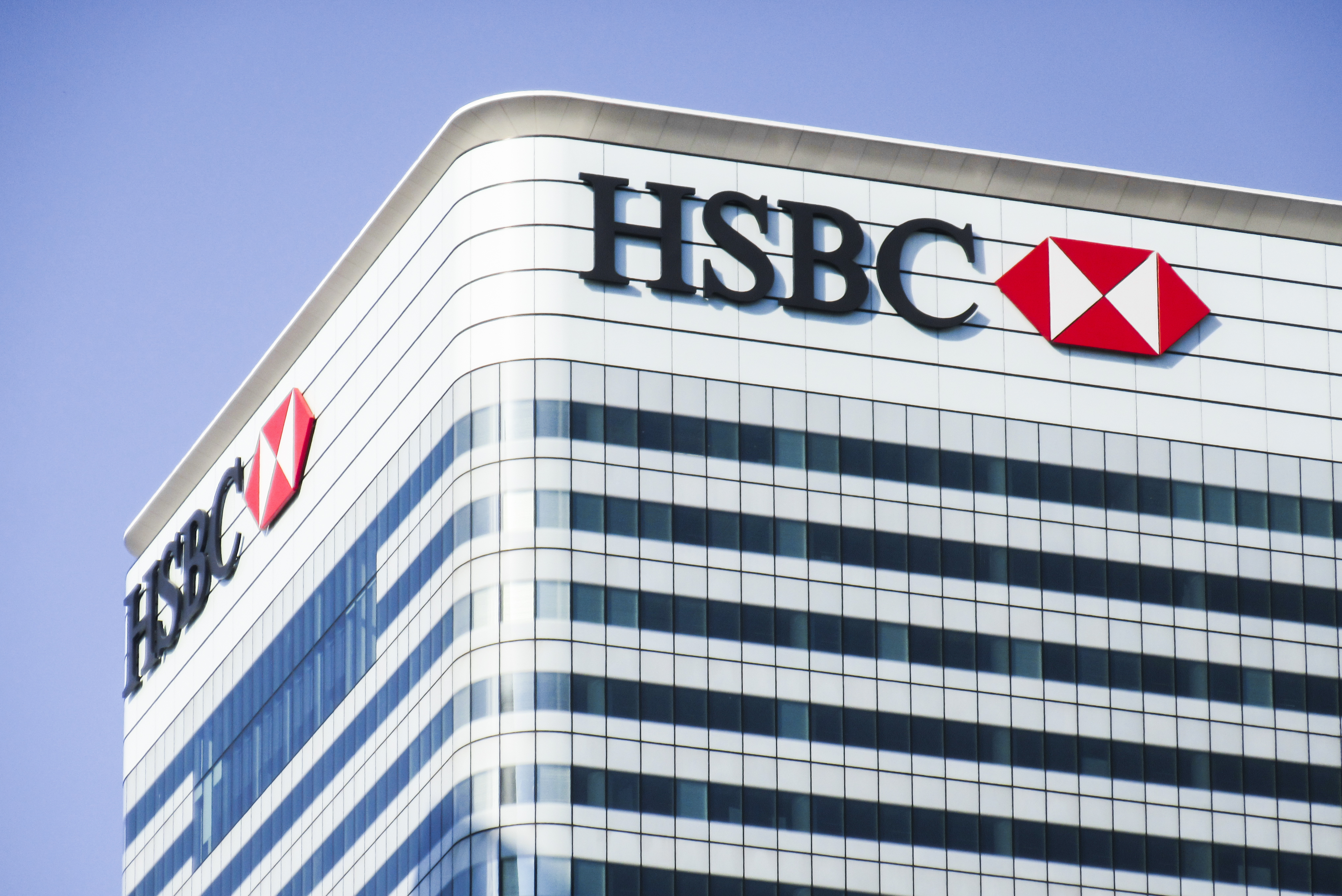
HSBC Completes Review of Lending Procedures Amid Fraud Provision
- Completion of Lending Review: HSBC has 'substantially completed' its review of lending procedures following a $400 million provision related to fraud in its UK operations, indicating a commitment to enhancing risk management and improving future credit decision-making.
- Slight Share Price Increase: HSBC shares rose 0.85% to $89.73 in pre-market trading on Friday, reflecting market optimism regarding the review's outcomes, despite first-quarter profits being adversely affected by higher credit losses.
- Impact of Credit Losses: The bank faced significant credit losses in Q1 due to its exposure to the UK mortgage finance firm Market Financial Solutions, which negatively impacted profitability and highlighted challenges in credit risk management.
- Risk Management Outlook: HSBC views the issue as a one-off rather than systemic and expects to recover some losses, demonstrating confidence in future credit conditions and a commitment to shareholders.

Oklo Stock Rebounds 46.2% After 31% Plunge in Q1 2026


- Stock Rebound: After a 31% drop in Q1 2026, Oklo's shares surged 46.2% in April, erasing previous losses and returning to positive territory for the year, reflecting strong market confidence in its future prospects.
- Strategic Collaboration: Oklo's partnership with Nvidia and Los Alamos National Laboratory aims to develop Aurora fast fission nuclear power plants, leveraging Nvidia's AI technology to accelerate nuclear fuel research, indicating a rising demand for nuclear-powered infrastructure.
- Policy Support: The White House launched the National Initiative for American Space Nuclear Power on April 14, prioritizing space nuclear reactors as a national strategy, which aligns with Oklo's technology and could enhance its market position.
- Market Outlook: Oklo will release its Q1 earnings on May 12; while still in the development stage, management's insights on cash position and regulatory progress will be crucial for determining the stock's momentum following April's rally.
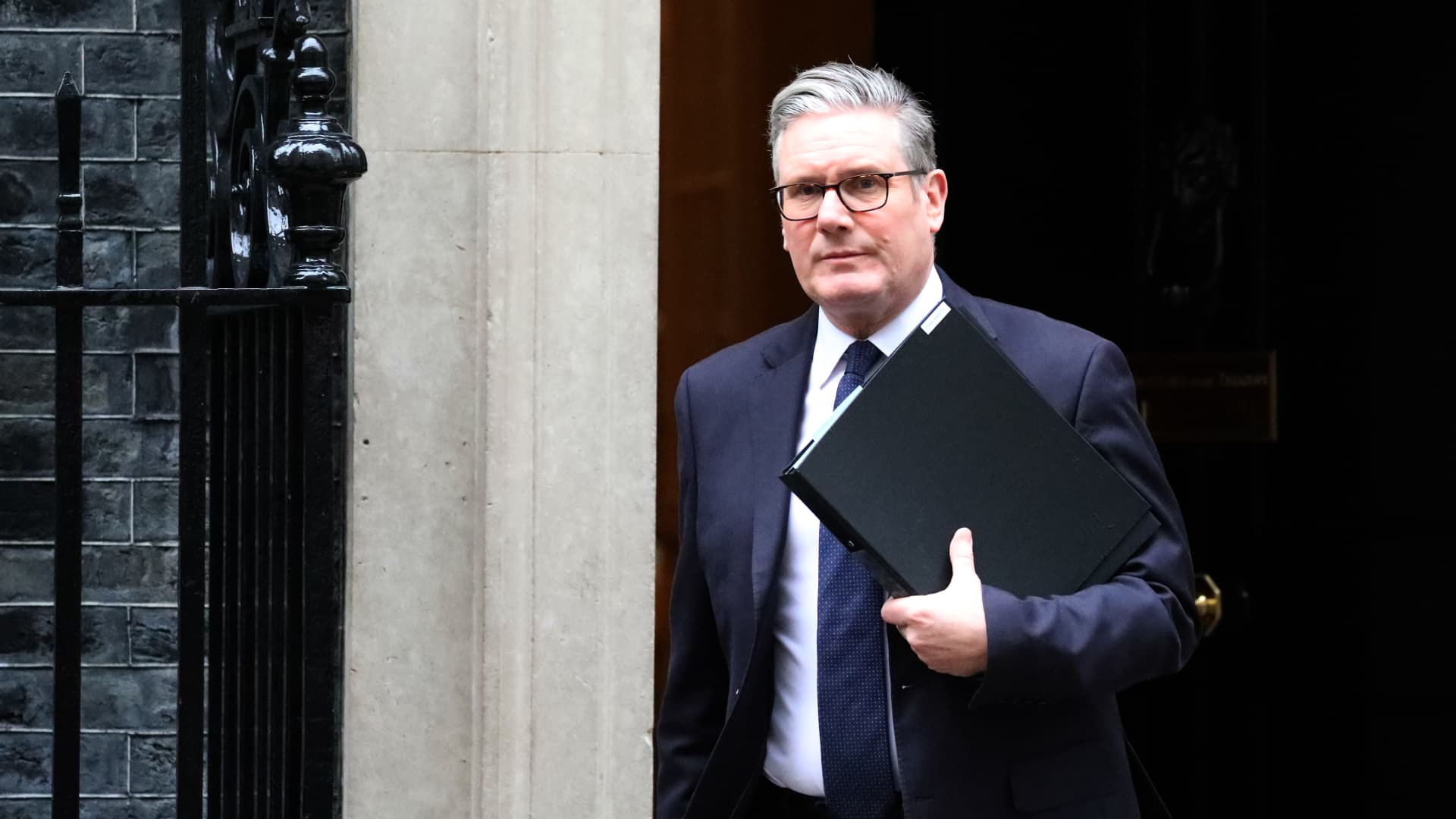
Labour Party Faces Heavy Losses in Local Elections

- Election Setbacks: The Labour Party is experiencing significant losses in local elections, losing key seats and facing pressure from right-wing parties like Reform UK, indicating a decline in voter confidence that could lead to leadership challenges.
- Rising Borrowing Costs: U.K. borrowing costs have reached their highest level since 1998 ahead of the elections, intensifying market pressures on political challenges and potentially impacting future economic policies and investment confidence.
- Calls for Leadership Change: There are growing calls within the Labour Party for a leadership change, with former Shadow Chancellor John McDonnell stating that leadership transition must be on the agenda, reflecting internal dissatisfaction and concerns about the party's future direction.
- International Tensions: The U.S. and Iran have exchanged fire in the Strait of Hormuz, with both sides blaming each other, which could complicate the upcoming meeting between Trump and Xi, further exacerbating global market uncertainties.

Strong Performance of Foreign Financial Stocks
- Strong Buy Ratings: All top ten foreign financial stocks have received Strong Buy designations according to Seeking Alpha's Quant Ratings, with scores ranging from 4.71 to 4.89, indicating robust market confidence that is likely to drive their stock prices higher.
- Diverse Market Capitalization: The market capitalizations of these ten stocks range from approximately $2 billion to over $313 billion, encompassing a variety of financial institutions including diversified banks, insurance companies, and financial exchanges, reflecting the broad appeal of the global financial market.
- Geographic Diversity: The top five stocks include companies from Brazil, the UK, and South Korea, showcasing the geographic diversity of the global financial sector, which may attract attention from investors in different regions and enhance their market competitiveness.
- Quant Rating System: Seeking Alpha's Quant Ratings system evaluates stocks based on critical metrics such as valuation, growth, stock momentum, and profitability, with any score above 3.5 considered bullish, suggesting these financial stocks have strong investment potential in the current market environment.

Iran and US Peace Talks Spark Market Optimism
- Peace Proposal Review: A spokesperson for Iran's foreign ministry announced that Iran is reviewing a U.S. peace proposal, indicating that both nations are nearing an agreement to end the war and address key issues, which could positively impact market sentiment.
- Oil Price Fluctuations: Reports of a potential agreement between the U.S. and Iran led to a sharp decline in crude oil prices on Wednesday, although prices have stabilized since, as traders continue to monitor developments in the Middle East closely.
- Global Stock Market Rally: Global stocks are experiencing a relief rally, with Japan's Nikkei 225 index reopening after a holiday and surpassing 62,000 for the first time, driven by a 16% surge in Softbank shares, reflecting strong investor confidence in tech stocks.
- Corporate Growth Challenges: Anthropic's CEO stated that the company faced an 80-fold increase in revenue and usage in Q1, which has made it difficult to keep up with demand, highlighting the intense market appetite for AI technology despite challenges in computing capacity.
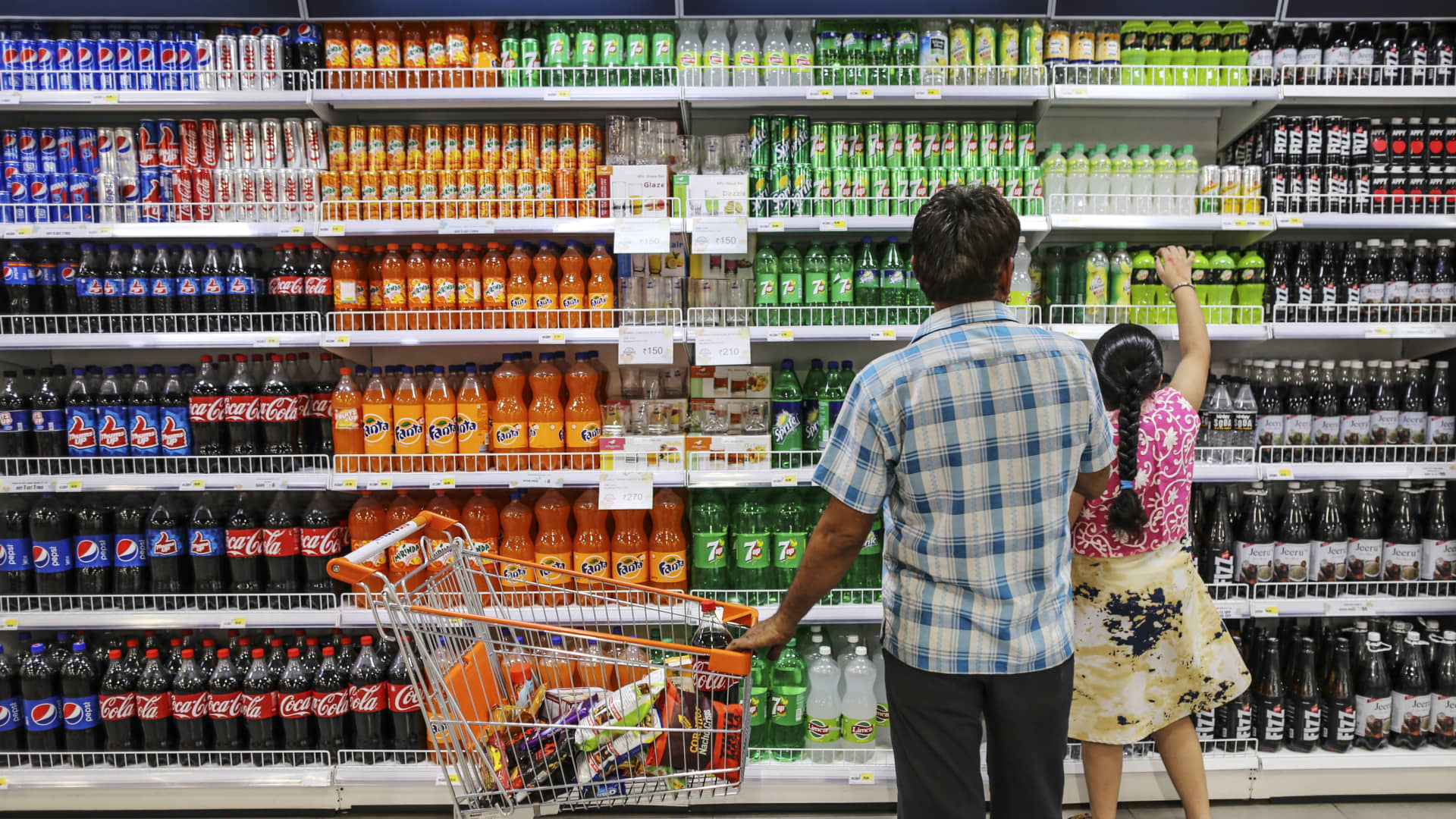
Social Media Influencers Transform India's Food and Beverage Market

- Health Beverage Transformation: PepsiCo reports that over 50% of its beverage portfolio in India consists of low- to no-sugar options, with plans to increase this to 90%, reflecting a significant shift towards healthier consumer preferences in the market.
- Consumer Awareness Rise: Social media influencers are urging consumers to read labels, leading brands like Dabur and Mondelez to reduce sugar content; Dabur has cut sugar by 21% in its juices by 2023 and aims for an additional 20% reduction, highlighting the strong demand for healthier products.
- Rise of D2C Brands: The growth of social media is facilitating the rise of direct-to-consumer brands in India, posing a threat to traditional companies that fail to adapt, as experts indicate this trend will be a crucial lever for future personal care and food brands.
- Strengthened Food Safety Regulations: India's food safety regulator has banned certain beverages from using
HSBC Completes Review of Lending Procedures Amid Fraud Provision
- Completion of Lending Review: HSBC has 'substantially completed' its review of lending procedures following a $400 million provision related to fraud in its UK operations, indicating a commitment to enhancing risk management and improving future credit decision-making.
- Slight Share Price Increase: HSBC shares rose 0.85% to $89.73 in pre-market trading on Friday, reflecting market optimism regarding the review's outcomes, despite first-quarter profits being adversely affected by higher credit losses.
- Impact of Credit Losses: The bank faced significant credit losses in Q1 due to its exposure to the UK mortgage finance firm Market Financial Solutions, which negatively impacted profitability and highlighted challenges in credit risk management.
- Risk Management Outlook: HSBC views the issue as a one-off rather than systemic and expects to recover some losses, demonstrating confidence in future credit conditions and a commitment to shareholders.
Oklo Stock Rebounds 46.2% After 31% Plunge in Q1 2026
- Stock Rebound: After a 31% drop in Q1 2026, Oklo's shares surged 46.2% in April, erasing previous losses and returning to positive territory for the year, reflecting strong market confidence in its future prospects.
- Strategic Collaboration: Oklo's partnership with Nvidia and Los Alamos National Laboratory aims to develop Aurora fast fission nuclear power plants, leveraging Nvidia's AI technology to accelerate nuclear fuel research, indicating a rising demand for nuclear-powered infrastructure.
- Policy Support: The White House launched the National Initiative for American Space Nuclear Power on April 14, prioritizing space nuclear reactors as a national strategy, which aligns with Oklo's technology and could enhance its market position.
- Market Outlook: Oklo will release its Q1 earnings on May 12; while still in the development stage, management's insights on cash position and regulatory progress will be crucial for determining the stock's momentum following April's rally.
Labour Party Faces Heavy Losses in Local Elections
- Election Setbacks: The Labour Party is experiencing significant losses in local elections, losing key seats and facing pressure from right-wing parties like Reform UK, indicating a decline in voter confidence that could lead to leadership challenges.
- Rising Borrowing Costs: U.K. borrowing costs have reached their highest level since 1998 ahead of the elections, intensifying market pressures on political challenges and potentially impacting future economic policies and investment confidence.
- Calls for Leadership Change: There are growing calls within the Labour Party for a leadership change, with former Shadow Chancellor John McDonnell stating that leadership transition must be on the agenda, reflecting internal dissatisfaction and concerns about the party's future direction.
- International Tensions: The U.S. and Iran have exchanged fire in the Strait of Hormuz, with both sides blaming each other, which could complicate the upcoming meeting between Trump and Xi, further exacerbating global market uncertainties.
Strong Performance of Foreign Financial Stocks
- Strong Buy Ratings: All top ten foreign financial stocks have received Strong Buy designations according to Seeking Alpha's Quant Ratings, with scores ranging from 4.71 to 4.89, indicating robust market confidence that is likely to drive their stock prices higher.
- Diverse Market Capitalization: The market capitalizations of these ten stocks range from approximately $2 billion to over $313 billion, encompassing a variety of financial institutions including diversified banks, insurance companies, and financial exchanges, reflecting the broad appeal of the global financial market.
- Geographic Diversity: The top five stocks include companies from Brazil, the UK, and South Korea, showcasing the geographic diversity of the global financial sector, which may attract attention from investors in different regions and enhance their market competitiveness.
- Quant Rating System: Seeking Alpha's Quant Ratings system evaluates stocks based on critical metrics such as valuation, growth, stock momentum, and profitability, with any score above 3.5 considered bullish, suggesting these financial stocks have strong investment potential in the current market environment.
Iran and US Peace Talks Spark Market Optimism
- Peace Proposal Review: A spokesperson for Iran's foreign ministry announced that Iran is reviewing a U.S. peace proposal, indicating that both nations are nearing an agreement to end the war and address key issues, which could positively impact market sentiment.
- Oil Price Fluctuations: Reports of a potential agreement between the U.S. and Iran led to a sharp decline in crude oil prices on Wednesday, although prices have stabilized since, as traders continue to monitor developments in the Middle East closely.
- Global Stock Market Rally: Global stocks are experiencing a relief rally, with Japan's Nikkei 225 index reopening after a holiday and surpassing 62,000 for the first time, driven by a 16% surge in Softbank shares, reflecting strong investor confidence in tech stocks.
- Corporate Growth Challenges: Anthropic's CEO stated that the company faced an 80-fold increase in revenue and usage in Q1, which has made it difficult to keep up with demand, highlighting the intense market appetite for AI technology despite challenges in computing capacity.
Social Media Influencers Transform India's Food and Beverage Market
- Health Beverage Transformation: PepsiCo reports that over 50% of its beverage portfolio in India consists of low- to no-sugar options, with plans to increase this to 90%, reflecting a significant shift towards healthier consumer preferences in the market.
- Consumer Awareness Rise: Social media influencers are urging consumers to read labels, leading brands like Dabur and Mondelez to reduce sugar content; Dabur has cut sugar by 21% in its juices by 2023 and aims for an additional 20% reduction, highlighting the strong demand for healthier products.
- Rise of D2C Brands: The growth of social media is facilitating the rise of direct-to-consumer brands in India, posing a threat to traditional companies that fail to adapt, as experts indicate this trend will be a crucial lever for future personal care and food brands.
- Strengthened Food Safety Regulations: India's food safety regulator has banned certain beverages from using