Producer Prices Rise 0.7%, Inflation Fears Intensify
Written by Emily J. Thompson, Senior Investment Analyst
Updated: Mar 19 2026
0mins
Source: NASDAQ.COM
- Producer Price Increase: In February 2026, the Producer Price Index (PPI) rose 0.7% month-over-month, significantly exceeding the expected 0.3%, indicating that rising wholesale prices may lead to increased consumer prices and heightened inflation concerns.
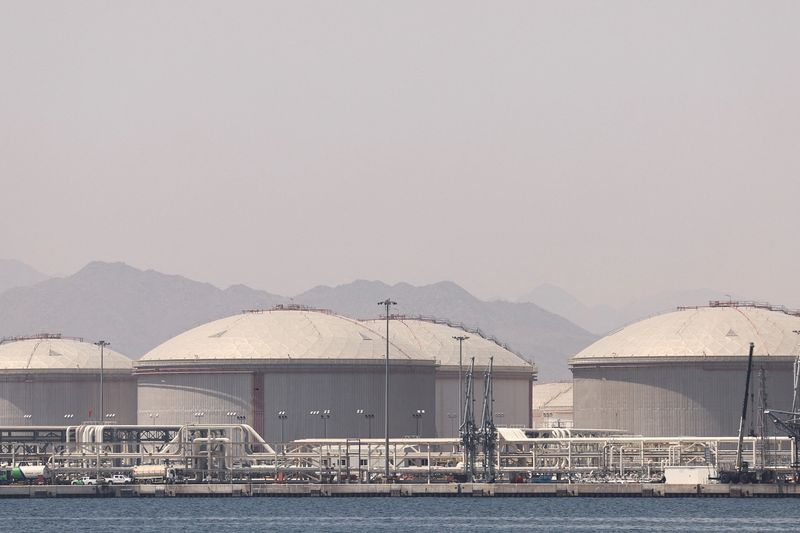
- Impact of Rising Oil Prices: Since the onset of the war in Iran, gas prices have surged approximately 27%, directly increasing transportation costs, which in turn affects retail and industrial product pricing, potentially leading to widespread inflation.
- Inflation-Proof Stocks: In light of escalating inflation, AutoZone and Dollar General are highlighted as attractive inflation-resistant stocks, with AutoZone thriving during economic downturns and Dollar General benefiting from consumers shifting to cheaper products.
- Dollar General's Outlook: Dollar General achieved a 3% comparable sales growth in 2025, and despite a 2026 guidance of 2.2%-2.7% growth, the company's plan to open 460 new stores in 2026 indicates a proactive expansion strategy, positioning it well to capitalize on inflationary pressures.
Trade with 70% Backtested Accuracy
Stop guessing "Should I Buy AZO?" and start using high-conviction signals backed by rigorous historical data.
Sign up today to access powerful investing tools and make smarter, data-driven decisions.
Analyst Views on AZO
Wall Street analysts forecast AZO stock price to rise
19 Analyst Rating
16 Buy
3 Hold
0 Sell
Strong Buy
Current: 3419.360

Low
3550
Averages
4225
High
4800
Current: 3419.360
Low
3550
Averages
4225
High
4800
About AZO
AutoZone, Inc. is a retailer and distributor of automotive replacement parts and accessories in the Americas. Its Auto Parts Stores segment is a retailer and distributor of automotive parts and accessories through its approximately 7,353 stores in the United States, Mexico and Brazil. Each store carries an extensive product line for cars, sport utility vehicles, vans and light duty trucks, including new and remanufactured automotive hard parts, maintenance items, accessories and non-automotive products. The Company also sells automotive hard parts, maintenance items, accessories and non-automotive products through www.autozone.com, and its commercial customers can make purchases through www.autozonepro.com. In addition, the Company sells the ALLDATA brand of automotive diagnostic, repair, collision and shop management software through www.alldata.com. It also provides product information on its Duralast branded products through www.duralastparts.com.
About the author

Emily J. Thompson
Emily J. Thompson, a Chartered Financial Analyst (CFA) with 12 years in investment research, graduated with honors from the Wharton School. Specializing in industrial and technology stocks, she provides in-depth analysis for Intellectia’s earnings and market brief reports.

Surge in Options Trading Volume for UnitedHealth Group

- Surge in Options Volume: UnitedHealth Group (UNH) has seen an options trading volume of 128,091 contracts today, equivalent to approximately 12.8 million shares, reflecting a significant 135.9% increase over its average daily trading volume, indicating strong market interest in its future performance.
- High Demand for Call Options: Notably, the $325 strike call option expiring on April 17, 2026, has traded 9,185 contracts today, representing about 918,500 shares of UNH, suggesting a marked increase in investor expectations for its stock price appreciation.
- Jabil Options Activity: Jabil Inc (JBL) recorded an options trading volume of 14,465 contracts today, equivalent to approximately 1.4 million shares, reaching 132.8% of its average daily trading volume, highlighting active market interest in its stock.
- Active Put Options Trading: The $295 strike put option expiring on April 24, 2026, has seen a trading volume of 2,744 contracts today, representing around 274,400 shares of JBL, indicating investor concerns regarding potential downward price movements.
See More

AutoZone Schedules Q3 Earnings Release and Conference Call
- Earnings Release Schedule: AutoZone will release its third-quarter results for the period ending May 9, 2026, before market open on May 26, 2026, demonstrating the company's commitment to financial transparency.
- Conference Call Details: The company will host a one-hour conference call at 10:00 AM (ET) on the same day to discuss the quarterly results, enhancing interaction and information sharing with investors.
- Webcast Access: Investors can access the live webcast and supporting slides on AutoZone's website, reflecting the company's emphasis on modern communication methods.
- Store Network Scale: As of February 14, 2026, AutoZone operates 7,774 stores across the Americas, showcasing its strong presence and market share in the automotive parts retail sector.
See More

Fair Isaac and AutoZone See Active Options Trading


- Fair Isaac Options Volume: Fair Isaac Corp (FICO) saw options trading volume of 2,657 contracts today, representing approximately 265,700 shares, which is about 74.3% of its average daily trading volume of 357,690 shares over the past month, indicating strong market interest in its future performance.
- High Demand for Puts: Among FICO's options, the $1000 strike put option expiring on April 17, 2026, has seen particularly high volume with 221 contracts traded today, representing approximately 22,100 underlying shares, reflecting investor expectations of potential downside risk.
- AutoZone Options Activity: AutoZone, Inc. (AZO) has recorded an options trading volume of 842 contracts today, equating to approximately 84,200 shares, which constitutes 66.1% of its average daily trading volume of 127,445 shares over the past month, showcasing active investor interest in its stock.
- High Demand for Calls: The $4000 strike call option for AZO, expiring on May 15, 2026, has seen a trading volume of 309 contracts today, representing about 30,900 underlying shares, indicating a bullish outlook on the stock's future price potential.
See More

Ferrari Maintains Luxury Image and Profit Margins

- Luxury Brand Positioning: Ferrari successfully maintains its luxury brand image by offering high-end cars priced between $250,000 and $500,000, achieving a remarkable net profit margin of 21% despite recent growth slowdown.
- Attractive Stock Valuation: The stock is currently trading around $390, significantly undervalued compared to a five-year average P/E ratio of 41, with a forward-looking P/E ratio of 30 indicating potential investment value.
- Revenue Growth Performance: In the latest fourth quarter, Ferrari reported a 7% year-over-year revenue increase and a 12% rise in operating profit, demonstrating the effectiveness of its business model despite a slowdown in growth.
- Market Competition Analysis: Although Ferrari's stock has declined by 27% over the past year, its unique high-price, low-volume sales strategy allows it to maintain a competitive edge in the fiercely competitive automotive market, making it worthy of investor consideration.
See More

Analyzing the Investment Appeal of Ferrari Stock
- Attractive Valuation: Ferrari's stock is currently priced around $390, significantly undervalued compared to a five-year average P/E ratio of 41, with a current ratio of 30, indicating investment potential, especially after a 27% decline over the past year.
- Strong Profitability: In the fourth quarter, Ferrari reported a 7% year-over-year revenue increase and a 12% rise in operating profit, with a remarkable net profit margin of 21%, showcasing the effectiveness of its high-price, low-volume business model in maintaining a luxury brand image.
- Market Performance: With an average annual growth rate of 23% over the past decade, Ferrari's stock has faced recent declines due to tariff concerns and underwhelming management projections, yet its market capitalization stands at $60 billion, reflecting a strong market position.
- Future Outlook: Despite challenges of slowing growth, the upcoming F80 priced at $4 million is already sold out, indicating sustained demand in the high-end market, suggesting that investors should monitor its long-term growth potential.
See More

Producer Prices Rise 0.7%, Inflation Fears Intensify
- Producer Price Increase: In February 2026, the Producer Price Index (PPI) rose 0.7% month-over-month, significantly exceeding the expected 0.3%, indicating that rising wholesale prices may lead to increased consumer prices and heightened inflation concerns.
- Impact of Rising Oil Prices: Since the onset of the war in Iran, gas prices have surged approximately 27%, directly increasing transportation costs, which in turn affects retail and industrial product pricing, potentially leading to widespread inflation.
- Inflation-Proof Stocks: In light of escalating inflation, AutoZone and Dollar General are highlighted as attractive inflation-resistant stocks, with AutoZone thriving during economic downturns and Dollar General benefiting from consumers shifting to cheaper products.
- Dollar General's Outlook: Dollar General achieved a 3% comparable sales growth in 2025, and despite a 2026 guidance of 2.2%-2.7% growth, the company's plan to open 460 new stores in 2026 indicates a proactive expansion strategy, positioning it well to capitalize on inflationary pressures.
See More
Surge in Options Trading Volume for UnitedHealth Group
- Surge in Options Volume: UnitedHealth Group (UNH) has seen an options trading volume of 128,091 contracts today, equivalent to approximately 12.8 million shares, reflecting a significant 135.9% increase over its average daily trading volume, indicating strong market interest in its future performance.
- High Demand for Call Options: Notably, the $325 strike call option expiring on April 17, 2026, has traded 9,185 contracts today, representing about 918,500 shares of UNH, suggesting a marked increase in investor expectations for its stock price appreciation.
- Jabil Options Activity: Jabil Inc (JBL) recorded an options trading volume of 14,465 contracts today, equivalent to approximately 1.4 million shares, reaching 132.8% of its average daily trading volume, highlighting active market interest in its stock.
- Active Put Options Trading: The $295 strike put option expiring on April 24, 2026, has seen a trading volume of 2,744 contracts today, representing around 274,400 shares of JBL, indicating investor concerns regarding potential downward price movements.
See More
AutoZone Schedules Q3 Earnings Release and Conference Call
- Earnings Release Schedule: AutoZone will release its third-quarter results for the period ending May 9, 2026, before market open on May 26, 2026, demonstrating the company's commitment to financial transparency.
- Conference Call Details: The company will host a one-hour conference call at 10:00 AM (ET) on the same day to discuss the quarterly results, enhancing interaction and information sharing with investors.
- Webcast Access: Investors can access the live webcast and supporting slides on AutoZone's website, reflecting the company's emphasis on modern communication methods.
- Store Network Scale: As of February 14, 2026, AutoZone operates 7,774 stores across the Americas, showcasing its strong presence and market share in the automotive parts retail sector.
See More
Fair Isaac and AutoZone See Active Options Trading
- Fair Isaac Options Volume: Fair Isaac Corp (FICO) saw options trading volume of 2,657 contracts today, representing approximately 265,700 shares, which is about 74.3% of its average daily trading volume of 357,690 shares over the past month, indicating strong market interest in its future performance.
- High Demand for Puts: Among FICO's options, the $1000 strike put option expiring on April 17, 2026, has seen particularly high volume with 221 contracts traded today, representing approximately 22,100 underlying shares, reflecting investor expectations of potential downside risk.
- AutoZone Options Activity: AutoZone, Inc. (AZO) has recorded an options trading volume of 842 contracts today, equating to approximately 84,200 shares, which constitutes 66.1% of its average daily trading volume of 127,445 shares over the past month, showcasing active investor interest in its stock.
- High Demand for Calls: The $4000 strike call option for AZO, expiring on May 15, 2026, has seen a trading volume of 309 contracts today, representing about 30,900 underlying shares, indicating a bullish outlook on the stock's future price potential.
See More
Ferrari Maintains Luxury Image and Profit Margins
- Luxury Brand Positioning: Ferrari successfully maintains its luxury brand image by offering high-end cars priced between $250,000 and $500,000, achieving a remarkable net profit margin of 21% despite recent growth slowdown.
- Attractive Stock Valuation: The stock is currently trading around $390, significantly undervalued compared to a five-year average P/E ratio of 41, with a forward-looking P/E ratio of 30 indicating potential investment value.
- Revenue Growth Performance: In the latest fourth quarter, Ferrari reported a 7% year-over-year revenue increase and a 12% rise in operating profit, demonstrating the effectiveness of its business model despite a slowdown in growth.
- Market Competition Analysis: Although Ferrari's stock has declined by 27% over the past year, its unique high-price, low-volume sales strategy allows it to maintain a competitive edge in the fiercely competitive automotive market, making it worthy of investor consideration.
See More
Analyzing the Investment Appeal of Ferrari Stock
- Attractive Valuation: Ferrari's stock is currently priced around $390, significantly undervalued compared to a five-year average P/E ratio of 41, with a current ratio of 30, indicating investment potential, especially after a 27% decline over the past year.
- Strong Profitability: In the fourth quarter, Ferrari reported a 7% year-over-year revenue increase and a 12% rise in operating profit, with a remarkable net profit margin of 21%, showcasing the effectiveness of its high-price, low-volume business model in maintaining a luxury brand image.
- Market Performance: With an average annual growth rate of 23% over the past decade, Ferrari's stock has faced recent declines due to tariff concerns and underwhelming management projections, yet its market capitalization stands at $60 billion, reflecting a strong market position.
- Future Outlook: Despite challenges of slowing growth, the upcoming F80 priced at $4 million is already sold out, indicating sustained demand in the high-end market, suggesting that investors should monitor its long-term growth potential.
See More
Producer Prices Rise 0.7%, Inflation Fears Intensify
- Producer Price Increase: In February 2026, the Producer Price Index (PPI) rose 0.7% month-over-month, significantly exceeding the expected 0.3%, indicating that rising wholesale prices may lead to increased consumer prices and heightened inflation concerns.
- Impact of Rising Oil Prices: Since the onset of the war in Iran, gas prices have surged approximately 27%, directly increasing transportation costs, which in turn affects retail and industrial product pricing, potentially leading to widespread inflation.
- Inflation-Proof Stocks: In light of escalating inflation, AutoZone and Dollar General are highlighted as attractive inflation-resistant stocks, with AutoZone thriving during economic downturns and Dollar General benefiting from consumers shifting to cheaper products.
- Dollar General's Outlook: Dollar General achieved a 3% comparable sales growth in 2025, and despite a 2026 guidance of 2.2%-2.7% growth, the company's plan to open 460 new stores in 2026 indicates a proactive expansion strategy, positioning it well to capitalize on inflationary pressures.
See More