Producer Price Index Surges, Pressuring Lululemon's Growth
Written by Emily J. Thompson, Senior Investment Analyst
Updated: 1 day ago
0mins
Source: NASDAQ.COM
- Inflation Pressure: The latest data reveals a 6.5% year-over-year increase in the Producer Price Index for May, marking the highest rise since 2022, which exacerbates consumer spending pressures and directly impacts Lululemon's sales growth.
- Slowing Sales Growth: Lululemon's revenue grew only 2% year-over-year, significantly lower than the 18% growth rate in mid-2023, with comparable store sales declining 2% on a currency-adjusted basis, indicating weak demand is hurting profitability.
- Declining Gross Margin: The company's gross margin dropped over four percentage points to 54.2%, with management not expecting relief in the near term and lowering full-year revenue guidance, signaling ongoing challenges to future profitability.
- Leadership Change: Following CEO Calvin McDonald's departure in January, Lululemon faces uncertainty in its product strategy; while international revenue grew 22%, negative brand sentiment has led to a 4% decline in the American segment, complicating prospects for future sales growth.
Trade with 70% Backtested Accuracy
Stop guessing "Should I Buy LULU?" and start using high-conviction signals backed by rigorous historical data.
Sign up today to access powerful investing tools and make smarter, data-driven decisions.
Analyst Views on LULU
Wall Street analysts forecast LULU stock price to rise
22 Analyst Rating
1 Buy
21 Hold
0 Sell
Hold
Current: 111.760

Low
146.00
Averages
207.12
High
303.00
Current: 111.760
Low
146.00
Averages
207.12
High
303.00
About LULU
lululemon athletica inc. is a technical athletic apparel, footwear, and accessories company. The Company organizes its operations into four regional markets: the Americas, China Mainland, Asia Pacific (APAC), and Europe and the Middle East (EMEA). It conducts its business through a number of different channels in each market, including the Company-operated stores, e-commerce, temporary locations, wholesale, outlets, a re-commerce program, and license and supply arrangements. The Company offers a comprehensive line of technical athletic apparel, footwear, and accessories marketed under the lululemon brand. Its apparel assortment includes items such as shorts, tops, and jackets designed for a healthy lifestyle, including athletic activities such as yoga, running, training, and most other activities. It also offers apparel designed for being on the move and fitness-inspired accessories. It operates stores in the United States, Canada, China Mainland, Australia, South Korea and others.
About the author

Emily J. Thompson
Emily J. Thompson, a Chartered Financial Analyst (CFA) with 12 years in investment research, graduated with honors from the Wharton School. Specializing in industrial and technology stocks, she provides in-depth analysis for Intellectia’s earnings and market brief reports.

Lululemon Faces Reputation Crisis in China

- Reputation Crisis: Lululemon's yoga event at the Great Wall, which attracted over 2,000 participants, faced backlash on Chinese social media due to the use of a Japanese taiko drum, damaging the brand's image and consumer trust.
- Cultural Sensitivity Issues: While the company claimed the event aimed to honor Chinese culture, it admitted that the planning of the drum performance lacked thoughtful consideration, highlighting a deficiency in cultural sensitivity that could impact future market performance.
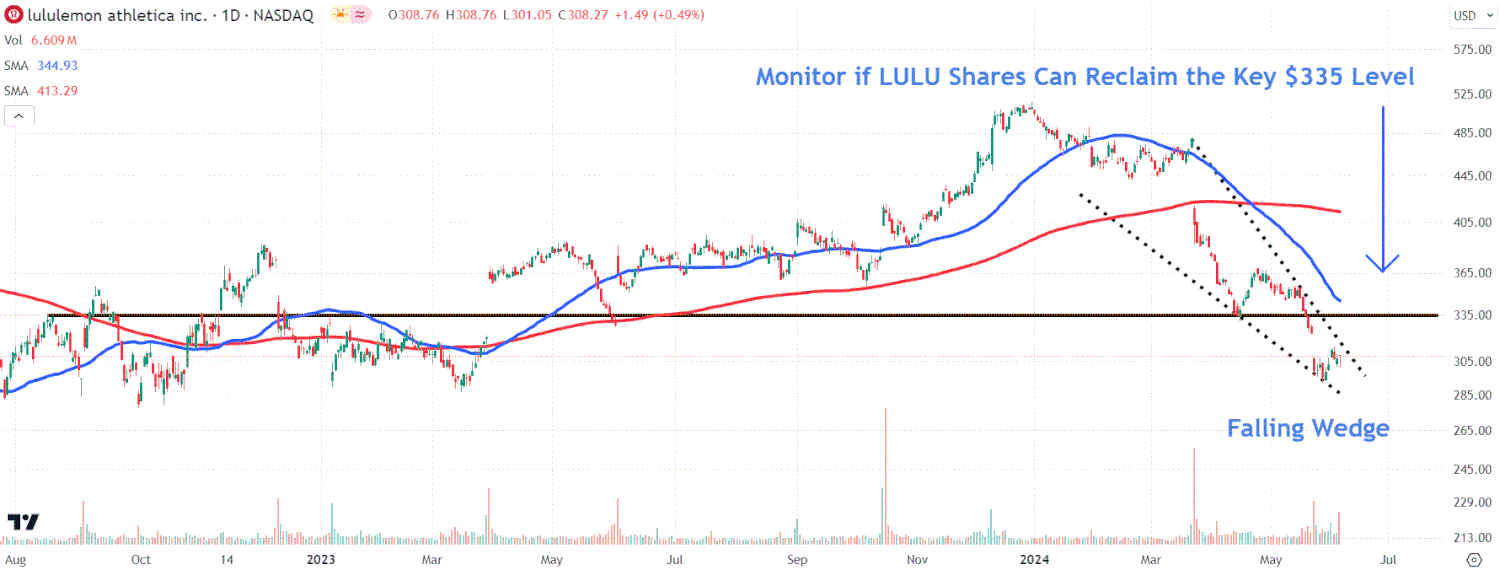
- Performance Decline: Lululemon's shares have fallen approximately 46% this year, primarily due to weaker North American performance leading to a lowered annual forecast, although China is still seen as a growth bright spot, albeit with potential slower growth ahead, raising investor concerns.
- Increased Competition: The brand faces intensified pressure from both Chinese and Western competitors, including Alo Yoga's market entry, while a recent yoga campaign in Shanghai drew criticism for inadequate rain gear and backup facilities, further affecting brand image and market share.
See More
Lululemon Faces Cultural Controversy in China
- Cultural Controversy Impact: A yoga event near the Great Wall of Beijing sparked backlash due to the inclusion of a Japanese taiko drum performance, prompting Lululemon to issue a public apology and acknowledge planning shortcomings, highlighting the brand's need for greater cultural sensitivity in the Chinese market.
- Sales Growth Concerns: While Lululemon's Q1 sales in China rose 30% year-on-year, the cultural controversy could damage consumer sentiment, complicating future expansion efforts in an increasingly competitive premium activewear market.
- Stock Price Pressure: Lululemon's stock has declined over 46% this year, facing additional pressure from rising U.S. interest rates that may further suppress consumer spending on high-priced apparel, increasing uncertainty about the company's future growth.
- Market Sentiment Shift: Retail sentiment around Lululemon remains in 'bearish' territory, with a 66% increase in message volume on social media over the past 24 hours, reflecting declining investor confidence in the brand's prospects in the Chinese market, which could impact stock performance.
See More

Investment Outlook Comparison: Lululemon vs. StubHub

- Lululemon Financial Performance: In FY 2025, Lululemon reported revenue of $11.1 billion, a 4.9% increase year-over-year, but its net income fell to $1.6 billion with a net margin of 14.2%, indicating pressure from increased competition and leadership transitions.
- StubHub's Challenges and Opportunities: StubHub's revenue for FY 2025 was $1.7 billion, a 1.4% decline, resulting in a net loss of approximately $2.0 billion with a net margin of -109.2%, yet it showed a promising 12% revenue growth in Q1 2026, indicating signs of recovery.
- Supply Chain Risks: Lululemon's heavy reliance on suppliers in Vietnam and Taiwan exposes it to geopolitical risks, while StubHub faces regulatory scrutiny following a $10 million settlement with the FTC, which could impact the accuracy of future financial reporting.
- Market Valuation Comparison: While Lululemon appears to have a more favorable outlook based on future earnings estimates, StubHub's forward P/E ratio stands at 23.2x, reflecting market confidence in its growth potential despite recent net losses.
See More

Investment Analysis: Lululemon vs. StubHub
- Lululemon Financial Performance: In FY 2025, Lululemon reported revenue of $11.1 billion, a 4.9% increase year-over-year, but its net income fell to $1.6 billion with a net margin of 14.2%, indicating a decline in profitability that may affect investor confidence.
- StubHub Market Challenges: StubHub's revenue for FY 2025 was $1.7 billion, a 1.4% decline from the previous year, with a net loss of approximately $2.0 billion resulting in a net margin of -109.2%, highlighting significant operational hurdles due to high expenses and legal issues.
- Supply Chain Risks: Lululemon's heavy reliance on production in Vietnam and fabric sourcing from Taiwan exposes it to geopolitical tensions that could disrupt its supply chain, impacting operational stability and competitive positioning in the market.
- Signs of Recovery for StubHub: Although StubHub did not achieve sales growth in 2025, its Q1 2026 revenue rose by 12% year-over-year to $446 million, with a net income of $48 million, indicating potential for market recovery that may attract investor interest.
See More

Insider Buying at lululemon and Autodesk

- Insider Buying Activity: lululemon's Director Charles V. Bergh purchased 4,275 shares of LULU at $117.05 each, totaling $500,384, indicating confidence in the company's future despite a 0.3% increase in stock price on Wednesday.
- Historical Purchase Insight: Prior to this purchase, Bergh bought shares worth $999,978 at $164.20 each over the past year, suggesting a sustained bullish outlook on lululemon, which may bolster market confidence in the brand.
- Autodesk Executive Transaction: Autodesk's CFO Janesh Moorjani bought 2,500 shares at $197.67 each for a total of $494,175, marking his first insider purchase in the past year, which may reflect confidence in the company's financial health moving forward.
- Market Reaction Analysis: Although Autodesk's stock is down about 1.3% on Wednesday, Moorjani's purchase could be interpreted as a positive endorsement of the company's value, especially in the current market climate where insider buying is often seen as a bullish signal.
See More

Lululemon Apologizes for Cultural Insensitivity in China
- Cultural Sensitivity Controversy: Lululemon faced backlash after a drum used at a yoga festival at the Great Wall was criticized for resembling a Japanese taiko drum, leading to tens of millions of views on social media regarding cultural insensitivity.
- Brand Image Impact: While industry experts suggest that the backlash may not significantly affect short-term sales, it could gradually erode the brand affinity Lululemon has cultivated among Chinese consumers, impacting its long-term market performance.
- Event Context: The controversy arose during a yoga festival in May that attracted over 2,000 participants, aimed at celebrating Chinese culture and wellness, yet it highlighted the cultural challenges brands face in the Chinese market due to misunderstandings.
- Company Response: Lululemon issued a statement on Weibo acknowledging its failure to identify potential controversy during planning and has removed all related promotional content, demonstrating its commitment to cultural sensitivity and reflection.
See More
Lululemon Faces Reputation Crisis in China
- Reputation Crisis: Lululemon's yoga event at the Great Wall, which attracted over 2,000 participants, faced backlash on Chinese social media due to the use of a Japanese taiko drum, damaging the brand's image and consumer trust.
- Cultural Sensitivity Issues: While the company claimed the event aimed to honor Chinese culture, it admitted that the planning of the drum performance lacked thoughtful consideration, highlighting a deficiency in cultural sensitivity that could impact future market performance.
- Performance Decline: Lululemon's shares have fallen approximately 46% this year, primarily due to weaker North American performance leading to a lowered annual forecast, although China is still seen as a growth bright spot, albeit with potential slower growth ahead, raising investor concerns.
- Increased Competition: The brand faces intensified pressure from both Chinese and Western competitors, including Alo Yoga's market entry, while a recent yoga campaign in Shanghai drew criticism for inadequate rain gear and backup facilities, further affecting brand image and market share.
See More
Lululemon Faces Cultural Controversy in China
- Cultural Controversy Impact: A yoga event near the Great Wall of Beijing sparked backlash due to the inclusion of a Japanese taiko drum performance, prompting Lululemon to issue a public apology and acknowledge planning shortcomings, highlighting the brand's need for greater cultural sensitivity in the Chinese market.
- Sales Growth Concerns: While Lululemon's Q1 sales in China rose 30% year-on-year, the cultural controversy could damage consumer sentiment, complicating future expansion efforts in an increasingly competitive premium activewear market.
- Stock Price Pressure: Lululemon's stock has declined over 46% this year, facing additional pressure from rising U.S. interest rates that may further suppress consumer spending on high-priced apparel, increasing uncertainty about the company's future growth.
- Market Sentiment Shift: Retail sentiment around Lululemon remains in 'bearish' territory, with a 66% increase in message volume on social media over the past 24 hours, reflecting declining investor confidence in the brand's prospects in the Chinese market, which could impact stock performance.
See More
Investment Outlook Comparison: Lululemon vs. StubHub
- Lululemon Financial Performance: In FY 2025, Lululemon reported revenue of $11.1 billion, a 4.9% increase year-over-year, but its net income fell to $1.6 billion with a net margin of 14.2%, indicating pressure from increased competition and leadership transitions.
- StubHub's Challenges and Opportunities: StubHub's revenue for FY 2025 was $1.7 billion, a 1.4% decline, resulting in a net loss of approximately $2.0 billion with a net margin of -109.2%, yet it showed a promising 12% revenue growth in Q1 2026, indicating signs of recovery.
- Supply Chain Risks: Lululemon's heavy reliance on suppliers in Vietnam and Taiwan exposes it to geopolitical risks, while StubHub faces regulatory scrutiny following a $10 million settlement with the FTC, which could impact the accuracy of future financial reporting.
- Market Valuation Comparison: While Lululemon appears to have a more favorable outlook based on future earnings estimates, StubHub's forward P/E ratio stands at 23.2x, reflecting market confidence in its growth potential despite recent net losses.
See More
Investment Analysis: Lululemon vs. StubHub
- Lululemon Financial Performance: In FY 2025, Lululemon reported revenue of $11.1 billion, a 4.9% increase year-over-year, but its net income fell to $1.6 billion with a net margin of 14.2%, indicating a decline in profitability that may affect investor confidence.
- StubHub Market Challenges: StubHub's revenue for FY 2025 was $1.7 billion, a 1.4% decline from the previous year, with a net loss of approximately $2.0 billion resulting in a net margin of -109.2%, highlighting significant operational hurdles due to high expenses and legal issues.
- Supply Chain Risks: Lululemon's heavy reliance on production in Vietnam and fabric sourcing from Taiwan exposes it to geopolitical tensions that could disrupt its supply chain, impacting operational stability and competitive positioning in the market.
- Signs of Recovery for StubHub: Although StubHub did not achieve sales growth in 2025, its Q1 2026 revenue rose by 12% year-over-year to $446 million, with a net income of $48 million, indicating potential for market recovery that may attract investor interest.
See More
Insider Buying at lululemon and Autodesk
- Insider Buying Activity: lululemon's Director Charles V. Bergh purchased 4,275 shares of LULU at $117.05 each, totaling $500,384, indicating confidence in the company's future despite a 0.3% increase in stock price on Wednesday.
- Historical Purchase Insight: Prior to this purchase, Bergh bought shares worth $999,978 at $164.20 each over the past year, suggesting a sustained bullish outlook on lululemon, which may bolster market confidence in the brand.
- Autodesk Executive Transaction: Autodesk's CFO Janesh Moorjani bought 2,500 shares at $197.67 each for a total of $494,175, marking his first insider purchase in the past year, which may reflect confidence in the company's financial health moving forward.
- Market Reaction Analysis: Although Autodesk's stock is down about 1.3% on Wednesday, Moorjani's purchase could be interpreted as a positive endorsement of the company's value, especially in the current market climate where insider buying is often seen as a bullish signal.
See More
Lululemon Apologizes for Cultural Insensitivity in China
- Cultural Sensitivity Controversy: Lululemon faced backlash after a drum used at a yoga festival at the Great Wall was criticized for resembling a Japanese taiko drum, leading to tens of millions of views on social media regarding cultural insensitivity.
- Brand Image Impact: While industry experts suggest that the backlash may not significantly affect short-term sales, it could gradually erode the brand affinity Lululemon has cultivated among Chinese consumers, impacting its long-term market performance.
- Event Context: The controversy arose during a yoga festival in May that attracted over 2,000 participants, aimed at celebrating Chinese culture and wellness, yet it highlighted the cultural challenges brands face in the Chinese market due to misunderstandings.
- Company Response: Lululemon issued a statement on Weibo acknowledging its failure to identify potential controversy during planning and has removed all related promotional content, demonstrating its commitment to cultural sensitivity and reflection.
See More