Procter & Gamble: A Steady Dividend King
Written by Emily J. Thompson, Senior Investment Analyst
Updated: 1 hour ago
0mins
Should l Buy PG?
Source: Fool
- Dividend Payment History: Procter & Gamble (PG) has paid dividends for 136 consecutive years and increased them for 70 years, showcasing its stability and risk resilience during economic fluctuations, appealing to safety-seeking investors.
- Market Performance Comparison: While the S&P 500's total return over the past decade is 305%, Procter & Gamble's return stands at 130%, indicating its robust performance in a low-risk environment, making it suitable for conservative investors.
- Future Revenue Expectations: Analysts forecast a 3% compound annual growth rate in revenue for Procter & Gamble from fiscal 2025 to 2028, and although growth is slow, its steady income stream provides investors with security, mitigating risks from market volatility.
- Defensive Investment Advantage: Procter & Gamble's products are in demand during both economic booms and downturns, and especially amid the current uncertainties brought by AI technology, its defensive characteristics allow investors to avoid the threats of technological disruption.
Trade with 70% Backtested Accuracy
Stop guessing "Should I Buy PG?" and start using high-conviction signals backed by rigorous historical data.
Sign up today to access powerful investing tools and make smarter, data-driven decisions.
Analyst Views on PG
Wall Street analysts forecast PG stock price to rise
17 Analyst Rating
10 Buy
7 Hold
0 Sell
Moderate Buy
Current: 145.710

Low
150.00
Averages
164.50
High
180.00
Current: 145.710
Low
150.00
Averages
164.50
High
180.00
About PG
The Procter & Gamble Company is focused on providing branded consumer packaged goods to consumers across the world. The Company’s segments include Beauty, Grooming, Health Care, Fabric & Home Care and Baby, Feminine & Family Care. The Company’s products are sold in approximately 180 countries and territories primarily through mass merchandisers, e-commerce, including social commerce channels, grocery stores, membership club stores, drug stores, department stores, distributors, wholesalers, specialty beauty stores, including airport duty-free stores), high-frequency stores, pharmacies, electronics stores and professional channels. It also sells direct to individual consumers. It has operations in approximately 70 countries. It offers products under brands, such as Head & Shoulders, Herbal Essences, Pantene, Rejoice, Olay, Old Spice, Safeguard, Secret, SK-II, Braun, Gillette, Venus, Crest, Oral-B, Ariel, Downy, Gain, Tide, Always, Always Discreet, Tampax, Bounty and others.
About the author

Emily J. Thompson
Emily J. Thompson, a Chartered Financial Analyst (CFA) with 12 years in investment research, graduated with honors from the Wharton School. Specializing in industrial and technology stocks, she provides in-depth analysis for Intellectia’s earnings and market brief reports.
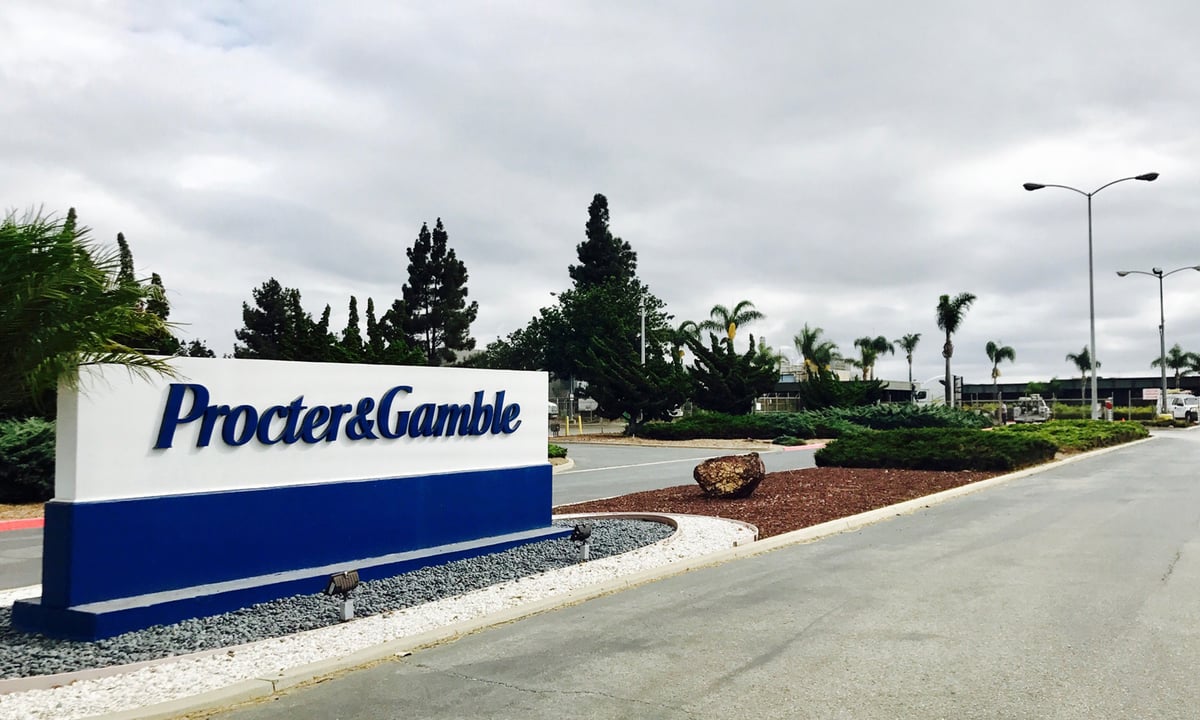
Procter & Gamble: A Steady Dividend King
- Dividend Payment History: Procter & Gamble (PG) has paid dividends for 136 consecutive years and increased them for 70 years, showcasing its stability and risk resilience during economic fluctuations, appealing to safety-seeking investors.
- Market Performance Comparison: While the S&P 500's total return over the past decade is 305%, Procter & Gamble's return stands at 130%, indicating its robust performance in a low-risk environment, making it suitable for conservative investors.
- Future Revenue Expectations: Analysts forecast a 3% compound annual growth rate in revenue for Procter & Gamble from fiscal 2025 to 2028, and although growth is slow, its steady income stream provides investors with security, mitigating risks from market volatility.
- Defensive Investment Advantage: Procter & Gamble's products are in demand during both economic booms and downturns, and especially amid the current uncertainties brought by AI technology, its defensive characteristics allow investors to avoid the threats of technological disruption.
See More

Procter & Gamble's 136-Year Dividend Streak
- Long Dividend History: Procter & Gamble has paid dividends for 136 consecutive years and raised payouts for 70 straight years, providing investors with a sense of security amidst economic fluctuations, showcasing its strong market position and financial health.
- Stable Product Demand: The company's products maintain stable demand during both economic booms and downturns, which significantly reduces investment risk and positions it as an ideal defensive investment, especially given the current heightened economic uncertainty.
- Market Performance Comparison: While the S&P 500's total return over the past decade stands at 305%, Procter & Gamble's return is only 130%, indicating limited growth potential as a mature business; however, its steady income stream continues to attract safety-seeking investors.
- Future Growth Expectations: Analysts forecast a 3% compound annual growth rate in revenue for Procter & Gamble from fiscal 2025 to 2028, and although it lacks the potential to outperform the market, its defensive characteristics provide reassurance to investors facing technological disruption risks.
See More
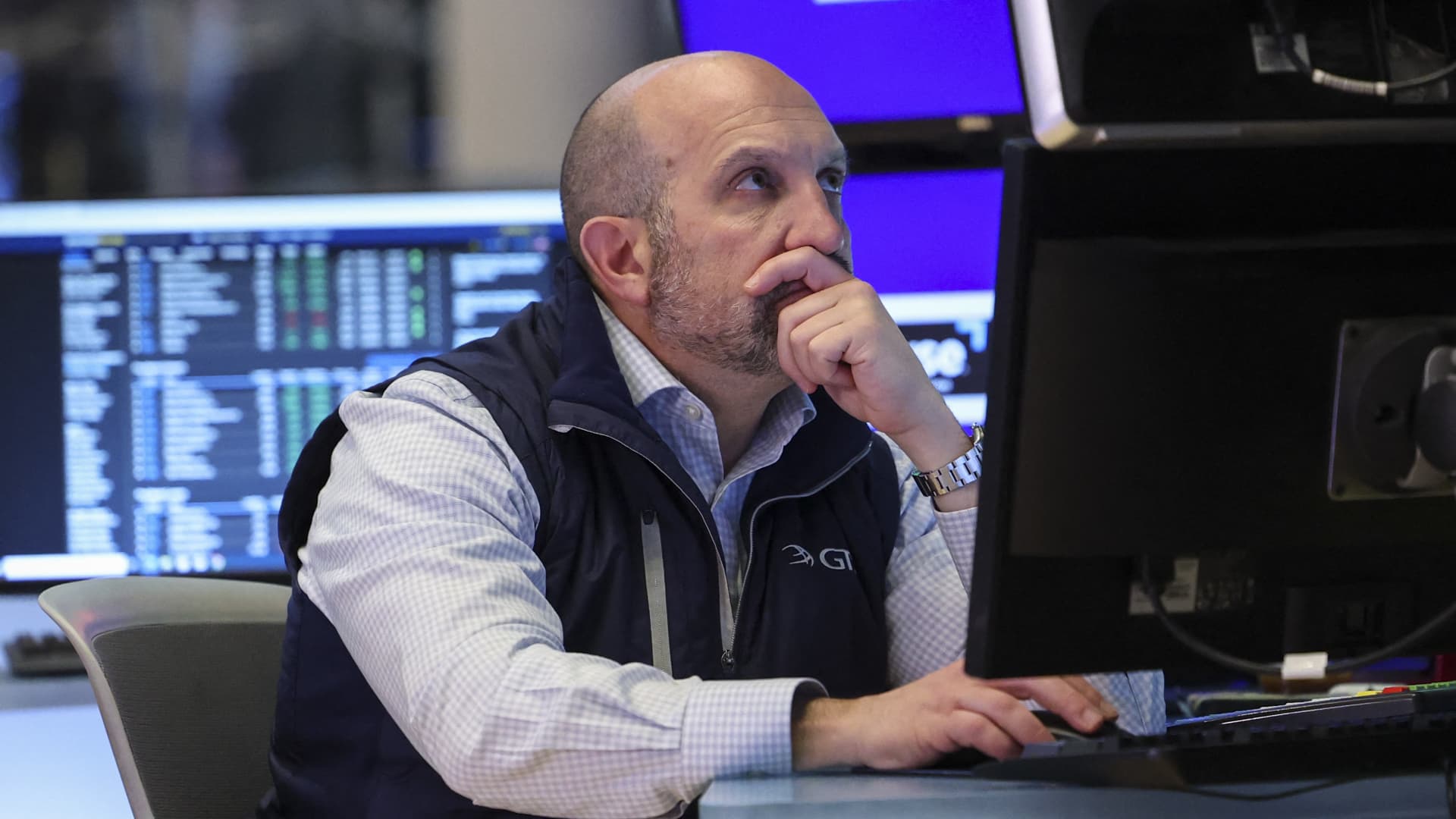
Middle East Tensions Propel US Stocks to Record Highs


- Strong Market Performance: The S&P 500 and Nasdaq rose by 0.6% and 1.5% respectively, reaching record highs amid fluctuating Middle East tensions, indicating investor optimism for upcoming peace talks despite ongoing uncertainties.
- Tech Stock Divergence: Hardware stocks like Intel and Nvidia surged by 33% and 3.2% respectively, while software stocks such as IBM and ServiceNow faced sell-offs due to disappointing guidance, reflecting market preference for AI infrastructure and concerns over the software sector.
- GE Vernova's Impressive Earnings: GE Vernova's stock jumped nearly 14% following a strong earnings report, with its price target raised from $1,000 to $1,300, highlighting robust demand for heavy-duty natural gas turbines and the company's pivotal role in the AI boom.
- Boeing's Better-Than-Expected Results: Boeing reported revenue exceeding expectations, leading to a 5.5% stock increase, demonstrating that rising jet fuel prices due to Middle East tensions did not significantly impact demand, showcasing the company's recovery under CEO Kelly Ortberg.
See More
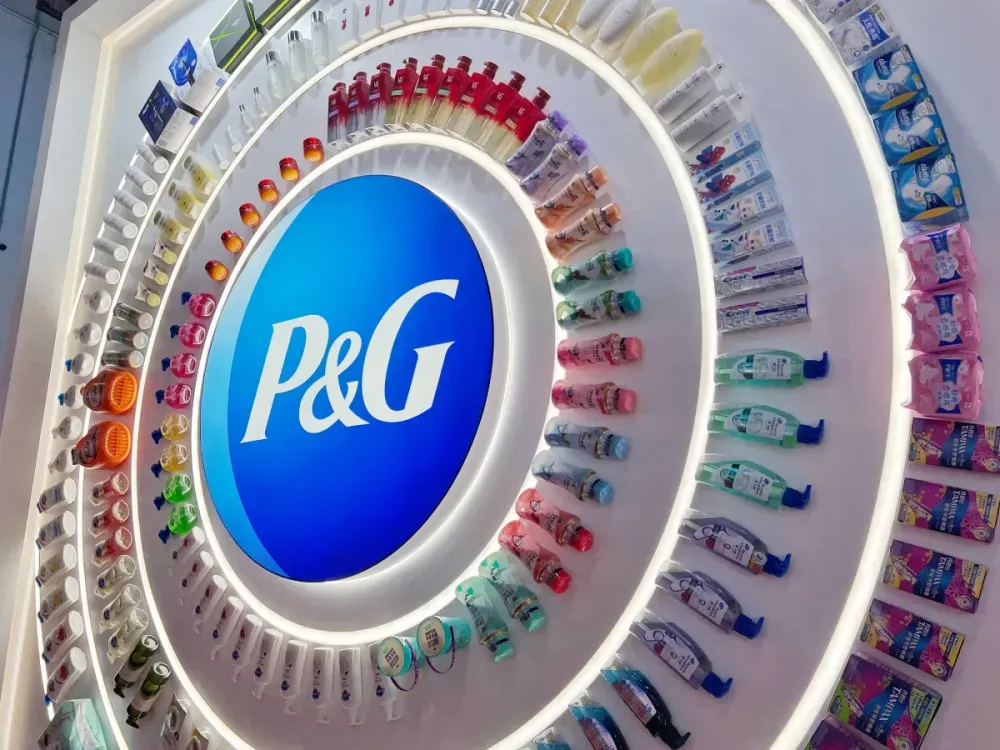
Procter & Gamble Q3 Earnings Beat Expectations
- Earnings Beat: Procter & Gamble reported adjusted earnings of $1.59 per share for Q3, surpassing analysts' expectations of $1.56 and up from $1.54 a year ago, indicating strong market performance.
- Strong Sales Growth: The company achieved net sales of $21.2 billion, exceeding expectations of $20.5 billion, with all 10 product categories experiencing 3% organic sales growth, showcasing P&G's competitive strength across various markets.
- Future Cost Pressures: P&G flagged a $1 billion headwind to its 2027 profits due to rising fuel costs linked to the Iran war, with the finance chief emphasizing the significant impact on profitability and the need for enhanced supply chain management to navigate these challenges.
- Tariff Impact and Outlook: The company anticipates a $400 million hit to its fiscal 2026 profits from tariffs, with $150 million in potential refunds available, yet it remains cautious about future cost fluctuations, projecting full-year EPS results toward the lower end of the guidance range.
See More

US Stocks Close Higher: S&P 500 Hits All-Time High


- S&P 500 Hits Record High: The S&P 500 index rose by 0.80%, closing at an all-time high, reflecting market optimism about economic recovery, particularly driven by technology stocks, which further solidifies investor confidence.
- Intel's Strong Performance: Intel's stock surged over 23% after forecasting Q2 revenue between $13.8 billion and $14.8 billion, significantly exceeding the $13.04 billion expectation, indicating strong confidence in the semiconductor industry's potential driven by artificial intelligence, which may spark increased investment in the sector.
- Consumer Confidence Rebounds: The University of Michigan's consumer sentiment index was revised upward to 49.8, surpassing the expected 48.5, suggesting an increase in consumer confidence regarding economic prospects, which could drive consumer spending and economic growth.
- International Dynamics Affecting Markets: Progress in US-Iran negotiations has boosted market sentiment; despite tensions in the Strait of Hormuz, optimism about future talks may alleviate energy price pressures and promote stock market gains.
See More
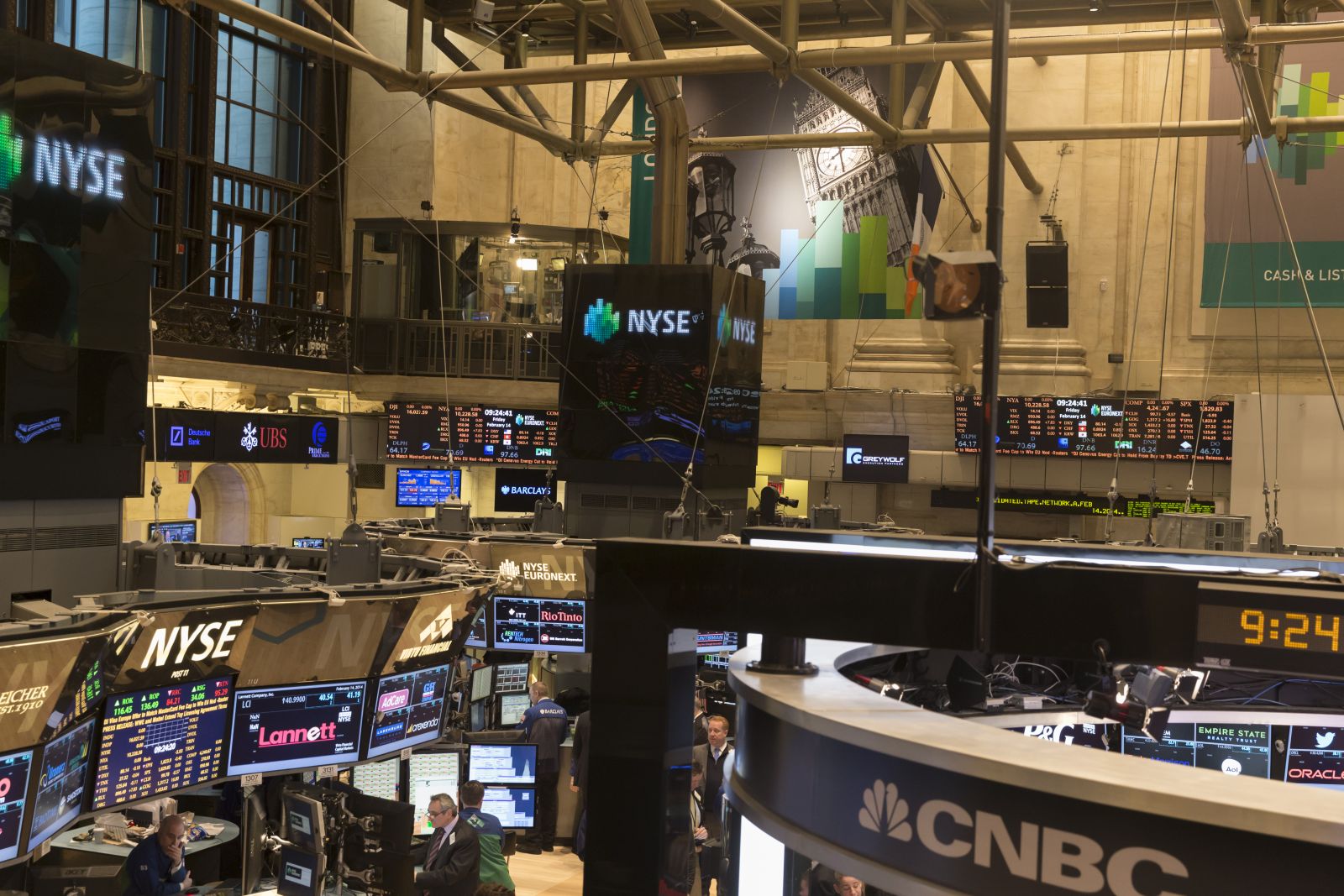
US Stocks Mostly Higher, Intel Hits Record High
- Intel Stock Surge: Intel (INTC) shares rose over 22% to a record high after forecasting Q2 revenue between $13.8 billion and $14.8 billion, significantly exceeding expectations of $13.04 billion, thereby boosting overall confidence in the semiconductor sector and reflecting optimism about the economic potential of artificial intelligence.
- Consumer Confidence Rebound: The University of Michigan's consumer sentiment index was revised upward to 49.8, surpassing expectations of 48.5, indicating an increase in consumer confidence which could stimulate spending and drive economic growth.
- Oil Price Volatility Impacting Markets: WTI crude oil prices fell over 1% amid expectations of renewed US-Iran talks, potentially exacerbating the global energy crisis and affecting operational costs and profit forecasts for energy-intensive sectors.
- Strong Earnings Season Performance: So far, 81% of the 123 S&P 500 companies that reported earnings have beaten estimates, with Q1 earnings projected to climb 12% year-over-year, demonstrating resilience in corporate profitability that may further boost market sentiment.
See More
Procter & Gamble: A Steady Dividend King
- Dividend Payment History: Procter & Gamble (PG) has paid dividends for 136 consecutive years and increased them for 70 years, showcasing its stability and risk resilience during economic fluctuations, appealing to safety-seeking investors.
- Market Performance Comparison: While the S&P 500's total return over the past decade is 305%, Procter & Gamble's return stands at 130%, indicating its robust performance in a low-risk environment, making it suitable for conservative investors.
- Future Revenue Expectations: Analysts forecast a 3% compound annual growth rate in revenue for Procter & Gamble from fiscal 2025 to 2028, and although growth is slow, its steady income stream provides investors with security, mitigating risks from market volatility.
- Defensive Investment Advantage: Procter & Gamble's products are in demand during both economic booms and downturns, and especially amid the current uncertainties brought by AI technology, its defensive characteristics allow investors to avoid the threats of technological disruption.
See More
Procter & Gamble's 136-Year Dividend Streak
- Long Dividend History: Procter & Gamble has paid dividends for 136 consecutive years and raised payouts for 70 straight years, providing investors with a sense of security amidst economic fluctuations, showcasing its strong market position and financial health.
- Stable Product Demand: The company's products maintain stable demand during both economic booms and downturns, which significantly reduces investment risk and positions it as an ideal defensive investment, especially given the current heightened economic uncertainty.
- Market Performance Comparison: While the S&P 500's total return over the past decade stands at 305%, Procter & Gamble's return is only 130%, indicating limited growth potential as a mature business; however, its steady income stream continues to attract safety-seeking investors.
- Future Growth Expectations: Analysts forecast a 3% compound annual growth rate in revenue for Procter & Gamble from fiscal 2025 to 2028, and although it lacks the potential to outperform the market, its defensive characteristics provide reassurance to investors facing technological disruption risks.
See More
Middle East Tensions Propel US Stocks to Record Highs
- Strong Market Performance: The S&P 500 and Nasdaq rose by 0.6% and 1.5% respectively, reaching record highs amid fluctuating Middle East tensions, indicating investor optimism for upcoming peace talks despite ongoing uncertainties.
- Tech Stock Divergence: Hardware stocks like Intel and Nvidia surged by 33% and 3.2% respectively, while software stocks such as IBM and ServiceNow faced sell-offs due to disappointing guidance, reflecting market preference for AI infrastructure and concerns over the software sector.
- GE Vernova's Impressive Earnings: GE Vernova's stock jumped nearly 14% following a strong earnings report, with its price target raised from $1,000 to $1,300, highlighting robust demand for heavy-duty natural gas turbines and the company's pivotal role in the AI boom.
- Boeing's Better-Than-Expected Results: Boeing reported revenue exceeding expectations, leading to a 5.5% stock increase, demonstrating that rising jet fuel prices due to Middle East tensions did not significantly impact demand, showcasing the company's recovery under CEO Kelly Ortberg.
See More
Procter & Gamble Q3 Earnings Beat Expectations
- Earnings Beat: Procter & Gamble reported adjusted earnings of $1.59 per share for Q3, surpassing analysts' expectations of $1.56 and up from $1.54 a year ago, indicating strong market performance.
- Strong Sales Growth: The company achieved net sales of $21.2 billion, exceeding expectations of $20.5 billion, with all 10 product categories experiencing 3% organic sales growth, showcasing P&G's competitive strength across various markets.
- Future Cost Pressures: P&G flagged a $1 billion headwind to its 2027 profits due to rising fuel costs linked to the Iran war, with the finance chief emphasizing the significant impact on profitability and the need for enhanced supply chain management to navigate these challenges.
- Tariff Impact and Outlook: The company anticipates a $400 million hit to its fiscal 2026 profits from tariffs, with $150 million in potential refunds available, yet it remains cautious about future cost fluctuations, projecting full-year EPS results toward the lower end of the guidance range.
See More
US Stocks Close Higher: S&P 500 Hits All-Time High
- S&P 500 Hits Record High: The S&P 500 index rose by 0.80%, closing at an all-time high, reflecting market optimism about economic recovery, particularly driven by technology stocks, which further solidifies investor confidence.
- Intel's Strong Performance: Intel's stock surged over 23% after forecasting Q2 revenue between $13.8 billion and $14.8 billion, significantly exceeding the $13.04 billion expectation, indicating strong confidence in the semiconductor industry's potential driven by artificial intelligence, which may spark increased investment in the sector.
- Consumer Confidence Rebounds: The University of Michigan's consumer sentiment index was revised upward to 49.8, surpassing the expected 48.5, suggesting an increase in consumer confidence regarding economic prospects, which could drive consumer spending and economic growth.
- International Dynamics Affecting Markets: Progress in US-Iran negotiations has boosted market sentiment; despite tensions in the Strait of Hormuz, optimism about future talks may alleviate energy price pressures and promote stock market gains.
See More
US Stocks Mostly Higher, Intel Hits Record High
- Intel Stock Surge: Intel (INTC) shares rose over 22% to a record high after forecasting Q2 revenue between $13.8 billion and $14.8 billion, significantly exceeding expectations of $13.04 billion, thereby boosting overall confidence in the semiconductor sector and reflecting optimism about the economic potential of artificial intelligence.
- Consumer Confidence Rebound: The University of Michigan's consumer sentiment index was revised upward to 49.8, surpassing expectations of 48.5, indicating an increase in consumer confidence which could stimulate spending and drive economic growth.
- Oil Price Volatility Impacting Markets: WTI crude oil prices fell over 1% amid expectations of renewed US-Iran talks, potentially exacerbating the global energy crisis and affecting operational costs and profit forecasts for energy-intensive sectors.
- Strong Earnings Season Performance: So far, 81% of the 123 S&P 500 companies that reported earnings have beaten estimates, with Q1 earnings projected to climb 12% year-over-year, demonstrating resilience in corporate profitability that may further boost market sentiment.
See More