ProAssurance Q2 Earnings Beat Estimates on Declining Expenses


Financial Performance: ProAssurance Corporation reported a second-quarter adjusted operating income of 52 cents per share, exceeding estimates and rising from the previous year, despite a 2.4% decline in operating revenues to $271.9 million. The company experienced increased investment income and reduced expenses, although lower premiums in certain segments impacted overall performance.
Segment Analysis: The Specialty P&C segment saw a revenue decline but improved profitability, while the Workers' Compensation Insurance segment faced losses and missed revenue expectations. The Segregated Portfolio Cell Reinsurance segment reported significant profit growth despite lower premiums, and the corporate segment's net investment income rose, contributing to an overall increase in shareholders' equity.
Trade with 70% Backtested Accuracy
Analyst Views on EVR

About EVR
About the author

Effectiveness and Limitations of Prediction Markets

- Market Effectiveness Analysis: Evercore ISI strategists found that contracts with higher trading volumes provide more reliable probability forecasts, particularly those closer to expiration, indicating the significance of short-term markets in predictions.
- Current Trading Volume: Despite the growth of prediction markets, only about 8% of events on Kalshi and Polymarket exceed $1 million in trading volume, with nearly 60% of live markets having less than $1,000, highlighting liquidity issues within these markets.
- Diversity of Market Participants: While a diverse background of traders can offer varied market perspectives, it may also lead to market prices being influenced by non-rational factors such as entertainment or hedging, thereby contaminating the true predictive ability of the market.
- Limitations of Simplified Contracts: Evercore noted that simplified binary contracts, while capturing certain uncertainties, often fail to reflect the complexities of real-life events, potentially causing investors to overlook critical information.
China-Russia Summit: Deepening Strategic Partnership

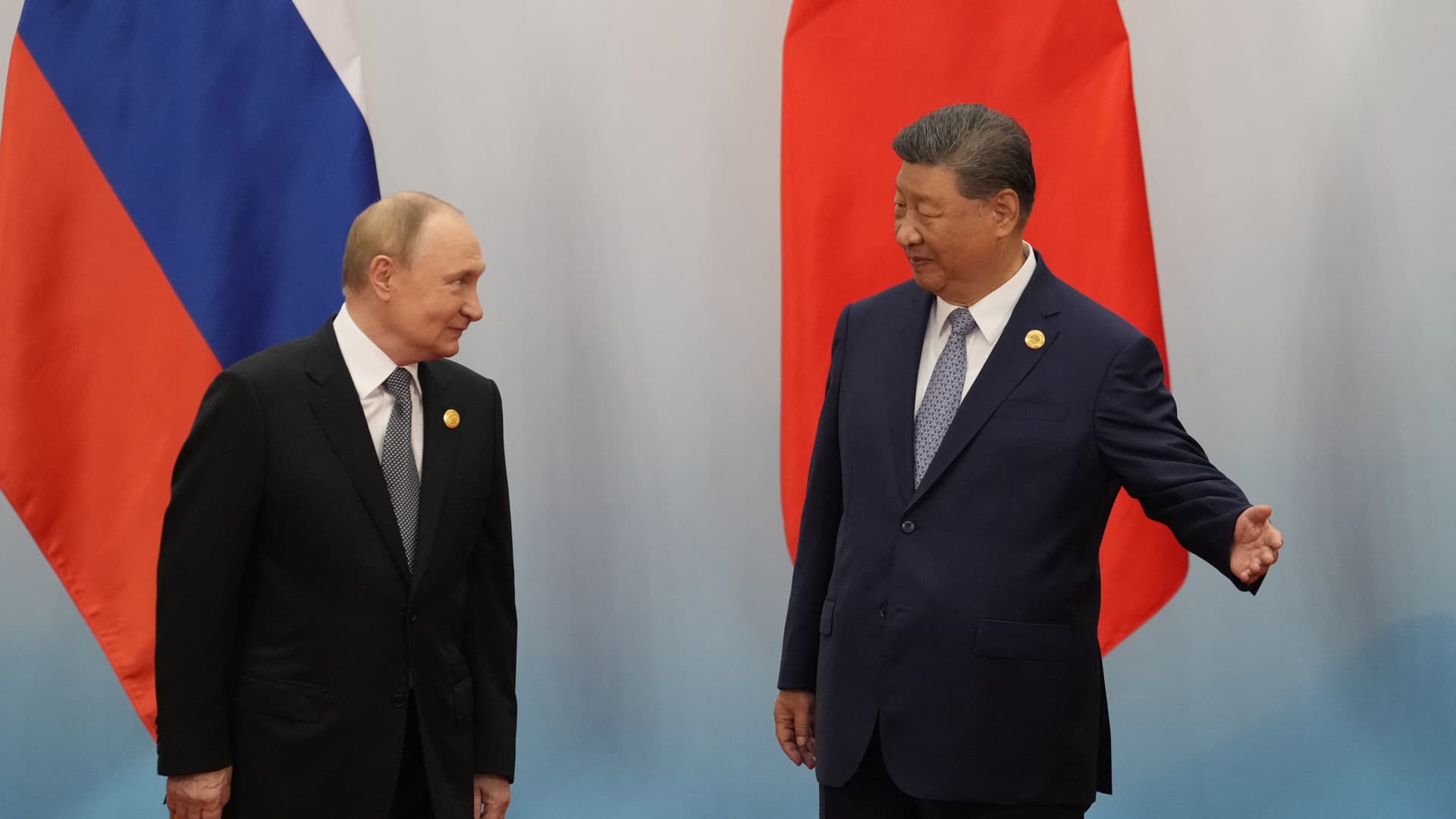
- Summit Background: The China-Russia summit on May 19-20, 2025, marks the second meeting between the leaders in a year, aimed at strengthening their strategic position in global diplomacy, particularly under Western sanctions affecting economic cooperation.
- Economic Cooperation Expectations: Kremlin spokesman highlighted “serious expectations” for the visit, with discussions focused on deepening the “privileged and strategic partnership” in economic and military areas to address the economic pressures Russia faces due to the Ukraine war.
- Energy Deal Focus: China has become Russia's largest buyer of oil and gas, and energy transactions are expected to dominate the agenda, with Putin indicating that agreements in the energy sector are close to being finalized, potentially providing crucial revenue for the Russian economy.
- Surge in Bilateral Trade: Since 2022, bilateral trade has surged to record levels, with China absorbing over a quarter of Russia's exports, demonstrating the tight economic ties and mutual dependence that further solidify their strategic cooperation foundation.

Teva Pharmaceutical Stock Doubles, Analysts Remain Optimistic


- Stock Price Surge: Teva Pharmaceutical's stock has soared over 100% in the past 12 months, reflecting strong market confidence in its recovery, with analysts generally optimistic about its future performance.
- Analyst Ratings Positive: In a survey by S&P Global, 12 out of 13 analysts rated Teva as a 'buy' or 'strong buy', indicating recognition of its potential 11% upside in the market.
- Significant Sales Growth: Teva's Austedo drug saw first-quarter sales jump 41% year-over-year to $578 million, driving overall performance improvements and further boosting market confidence.
- Improved Financial Health: As of March 31, 2026, Teva's financial leverage dropped to 67%, and the company expects to realize approximately $470 million in net savings from transformation initiatives, demonstrating proactive efforts in cost-cutting and financial health improvement.

Bank of America Bullish on Multiple Stocks Following Earnings

- Caterpillar Growth Potential: Bank of America analysts noted that Caterpillar's stock has surged over 175% in the past 12 months, raising the price target from $930 to $989, emphasizing its growth potential in high-margin services, which is expected to stabilize future EPS.
- Baker Hughes Financial Performance: Baker Hughes shares have climbed 76% over the past year, with analysts highlighting its unique position at the intersection of energy and industrial markets, suggesting that despite challenges from the Iran conflict, its diversified business mix and strong execution will help maintain a positive medium to long-term growth outlook.
- Apple's Strong Performance: Bank of America analysts labeled Apple as a

Trade Desk Faces Publicis Challenge Amid Earnings Miss


- Publicis Controversy Impact: Trade Desk's Q1 2026 earnings miss led to a 13.11% drop in pre-market trading, primarily due to Publicis's concerns over pricing and transparency, which could result in client losses and significantly impact Q2 and Q3 revenues.
- Margin Pressure: The company targets a full-year adjusted EBITDA margin of 40%, yet reported only 30% in Q1, necessitating substantial revenue growth or aggressive cost control in the second half, with management failing to provide a clear strategy, thus increasing market uncertainty.
- Long-Term Outlook Remains Positive: Despite short-term challenges, Trade Desk's long-term strategies, including open internet principles, retail media, and AI search, remain attractive, with Jeff Green's $150 million stock purchase reflecting confidence in the company's future.
- Cautious Market Reaction: Although Publicis's audit found no issues, the market's response to Trade Desk remains cautious, with heightened investor concerns about future profitability and market share, indicating a strong focus on the company's near-term performance.

Evercore (EVR.US) Director Plans to Sell $6.33 Million in Common Stock, According to Form 144
Stock Sale Announcement: Evercore (EVR.US) Director Altman Roger C intends to sell 20,000 shares of the company's common stock.
Market Value: The total market value of the shares being sold is approximately $6.33 million.
Effectiveness and Limitations of Prediction Markets
- Market Effectiveness Analysis: Evercore ISI strategists found that contracts with higher trading volumes provide more reliable probability forecasts, particularly those closer to expiration, indicating the significance of short-term markets in predictions.
- Current Trading Volume: Despite the growth of prediction markets, only about 8% of events on Kalshi and Polymarket exceed $1 million in trading volume, with nearly 60% of live markets having less than $1,000, highlighting liquidity issues within these markets.
- Diversity of Market Participants: While a diverse background of traders can offer varied market perspectives, it may also lead to market prices being influenced by non-rational factors such as entertainment or hedging, thereby contaminating the true predictive ability of the market.
- Limitations of Simplified Contracts: Evercore noted that simplified binary contracts, while capturing certain uncertainties, often fail to reflect the complexities of real-life events, potentially causing investors to overlook critical information.
China-Russia Summit: Deepening Strategic Partnership
- Summit Background: The China-Russia summit on May 19-20, 2025, marks the second meeting between the leaders in a year, aimed at strengthening their strategic position in global diplomacy, particularly under Western sanctions affecting economic cooperation.
- Economic Cooperation Expectations: Kremlin spokesman highlighted “serious expectations” for the visit, with discussions focused on deepening the “privileged and strategic partnership” in economic and military areas to address the economic pressures Russia faces due to the Ukraine war.
- Energy Deal Focus: China has become Russia's largest buyer of oil and gas, and energy transactions are expected to dominate the agenda, with Putin indicating that agreements in the energy sector are close to being finalized, potentially providing crucial revenue for the Russian economy.
- Surge in Bilateral Trade: Since 2022, bilateral trade has surged to record levels, with China absorbing over a quarter of Russia's exports, demonstrating the tight economic ties and mutual dependence that further solidify their strategic cooperation foundation.
Teva Pharmaceutical Stock Doubles, Analysts Remain Optimistic
- Stock Price Surge: Teva Pharmaceutical's stock has soared over 100% in the past 12 months, reflecting strong market confidence in its recovery, with analysts generally optimistic about its future performance.
- Analyst Ratings Positive: In a survey by S&P Global, 12 out of 13 analysts rated Teva as a 'buy' or 'strong buy', indicating recognition of its potential 11% upside in the market.
- Significant Sales Growth: Teva's Austedo drug saw first-quarter sales jump 41% year-over-year to $578 million, driving overall performance improvements and further boosting market confidence.
- Improved Financial Health: As of March 31, 2026, Teva's financial leverage dropped to 67%, and the company expects to realize approximately $470 million in net savings from transformation initiatives, demonstrating proactive efforts in cost-cutting and financial health improvement.
Bank of America Bullish on Multiple Stocks Following Earnings
- Caterpillar Growth Potential: Bank of America analysts noted that Caterpillar's stock has surged over 175% in the past 12 months, raising the price target from $930 to $989, emphasizing its growth potential in high-margin services, which is expected to stabilize future EPS.
- Baker Hughes Financial Performance: Baker Hughes shares have climbed 76% over the past year, with analysts highlighting its unique position at the intersection of energy and industrial markets, suggesting that despite challenges from the Iran conflict, its diversified business mix and strong execution will help maintain a positive medium to long-term growth outlook.
- Apple's Strong Performance: Bank of America analysts labeled Apple as a
Trade Desk Faces Publicis Challenge Amid Earnings Miss
- Publicis Controversy Impact: Trade Desk's Q1 2026 earnings miss led to a 13.11% drop in pre-market trading, primarily due to Publicis's concerns over pricing and transparency, which could result in client losses and significantly impact Q2 and Q3 revenues.
- Margin Pressure: The company targets a full-year adjusted EBITDA margin of 40%, yet reported only 30% in Q1, necessitating substantial revenue growth or aggressive cost control in the second half, with management failing to provide a clear strategy, thus increasing market uncertainty.
- Long-Term Outlook Remains Positive: Despite short-term challenges, Trade Desk's long-term strategies, including open internet principles, retail media, and AI search, remain attractive, with Jeff Green's $150 million stock purchase reflecting confidence in the company's future.
- Cautious Market Reaction: Although Publicis's audit found no issues, the market's response to Trade Desk remains cautious, with heightened investor concerns about future profitability and market share, indicating a strong focus on the company's near-term performance.
Evercore (EVR.US) Director Plans to Sell $6.33 Million in Common Stock, According to Form 144
Stock Sale Announcement: Evercore (EVR.US) Director Altman Roger C intends to sell 20,000 shares of the company's common stock.
Market Value: The total market value of the shares being sold is approximately $6.33 million.